REVIEW · HIROSHIMA
Hiroshima and Miyajima Private Guided Tour
Book on Viator →Operated by coco · Bookable on Viator
Hiroshima hits hard, then heals beautifully. This private day stitches together Peace Memorial Park history and Miyajima’s famous floating torii in one efficient flow, with an English guide keeping the story clear. You get major sites plus a few moments that feel less touristy, and you move using public transport so you’re not stuck waiting around.
Two things I really like: the focus on the Peace Memorial Museum and monuments (they’re powerful in a way facts alone can’t match), and the way Miyajima’s shrine visit gives you a complete contrast—sea, forest, and ceremony. A third plus is that guides often tailor your pace, including where to stand for photos and how to navigate busy areas without stress.
One consideration: this is a walking-heavy outing with lots of steps, and timing can swing depending on heat, crowds, and how smoothly transit works. If you’re short on stamina—or you’re traveling from a farther pickup point—plan for the day to feel fast and a bit schedule-driven.
In This Review
- Key points to know before you go
- Getting From Hiroshima to Miyajima (Without Wasting Your Day)
- Peace Memorial Park: Where the City Teaches You How to Look
- Hiroshima’s Memorial Street Life: Hondori and the Feeling of a Normal City
- Hiroshima Castle and Shukkeien Garden: History With Space to Think
- Miyajima Island and Itsukushima Shrine: The Torii Depends on Timing
- Guides Are the Difference: Kazuko, John, and Gajender
- Price and Value: What $150 Includes, and What Costs Extra
- Timing, Heat, and Walking: The Real-Day Constraints
- Who This Tour Fits Best (And Who Should Skip)
- Should You Book This Hiroshima and Miyajima Private Tour?
- FAQ
- What’s included in the tour price?
- Are Hiroshima Castle and Shukkeien Garden tickets included?
- Is lunch included?
- How do you get to Miyajima?
- Is pickup offered?
- How long is the tour?
- Is this a private tour?
- Is the floating torii gate at Itsukushima Shrine included?
- Can you cancel for a full refund?
- Is this tour suitable for mobility issues?
Key points to know before you go
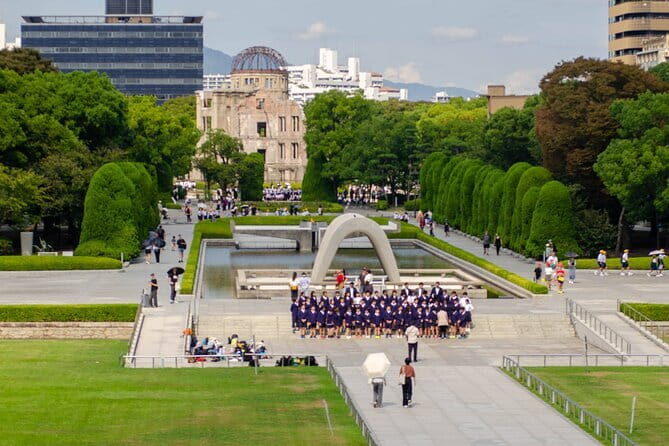
- Peace Park focus: A clear sequence from the A-Bomb Dome through the museum and multiple monuments
- Miyajima contrast: Itsukushima Shrine and the torii gate framed by the Seto Inland Sea
- English-guided, private format: Only your group, not a packed shared bus
- Transit built in: Tram and ferry included, with optional paid boat links listed as extras
- Extra tickets apply: Hiroshima Castle and Shukkeien Garden cost extra on the day
- Walking pace: Expect steps and long stretches, especially on hot days
Getting From Hiroshima to Miyajima (Without Wasting Your Day)
The practical win here is that the plan is built around public transportation. You’ll use tram and ferry included in the price, which usually means fewer last-minute decisions and less confusion than trying to figure it all out on your own.
The day also runs on momentum. Peace Park and the museum are dense with meaning, while Miyajima is a full separate experience. That’s why the tour includes an organized route through Hiroshima’s center before you head to the island. You’re not just hopping between stops; you’re moving in the same order that makes sense on foot and by transit.
Here’s the one thing you should watch closely: the tour duration is listed as about 4 to 8 hours. That range isn’t fluff. It reflects real-life variables like walking speed, crowd levels, and how easy it is to connect transit smoothly.
You can also read our reviews of more guided tours in Hiroshima


Peace Memorial Park: Where the City Teaches You How to Look
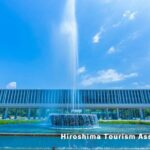
Peace Memorial Park is the emotional center of Hiroshima. The tour doesn’t treat it like a quick photo stop—it gives you enough structure to understand what you’re seeing and why it matters.
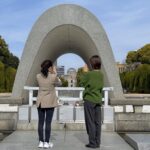
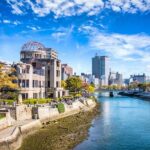
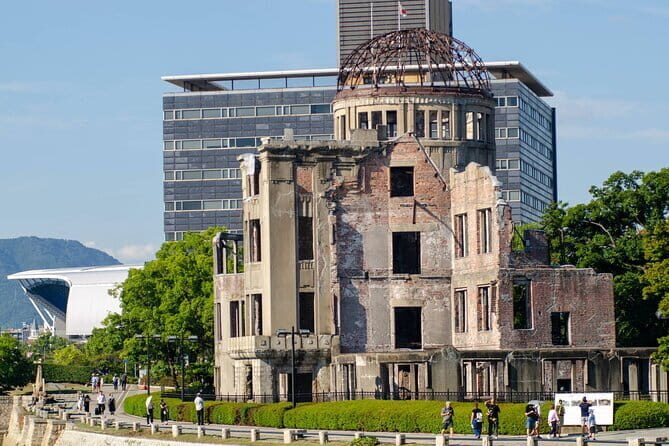
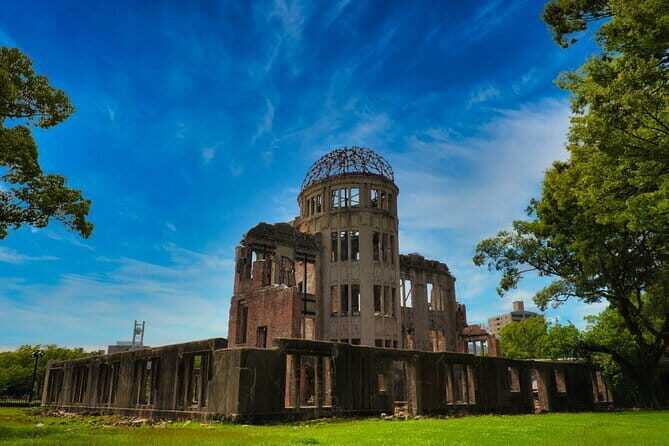
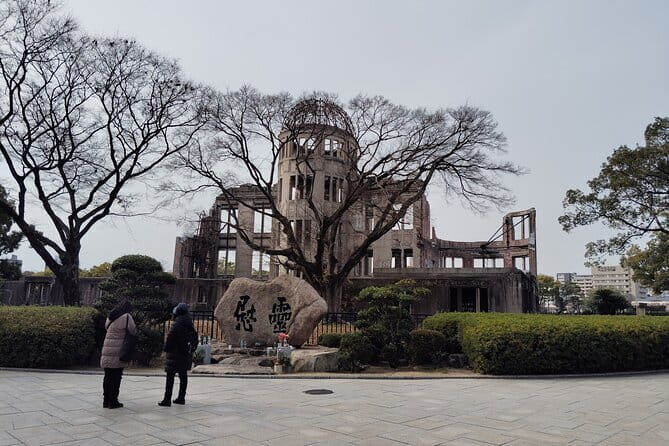
Start with the A-Bomb Dome area. The dome (Genbaku Dome) is short on words but long on impact. It’s preserved as a stark reminder of August 6, 1945, and it hits differently when you’re not rushing. The guided context helps you connect the location with the event, and it changes your attention from scenery to story.
Next comes the Peace Memorial Museum. This is where your brain gets the timelines and details your heart already feels. The museum ticket is included, so you can spend your time on meaning instead of budgeting for entry. I also like that the tour builds from outdoor memorials into the museum experience, so you don’t feel like you’re suddenly entering a totally new world—you’re deepening the same one.
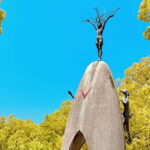
Then you move through the monuments that hold different kinds of memory. The Children’s Peace Monument draws from Sadako Sasaki’s story, and the cenotaph for A-bomb victims provides another solemn perspective. These stops are shorter, but they work because they break the day into digestible emotional sections.
The tour also makes time for the symbolic elements inside the park: the Peace Flame and the Peace Bell. Even if you don’t know all the wording in advance, these rituals give you a chance to participate and reflect, instead of only observing.
Hiroshima’s Memorial Street Life: Hondori and the Feeling of a Normal City
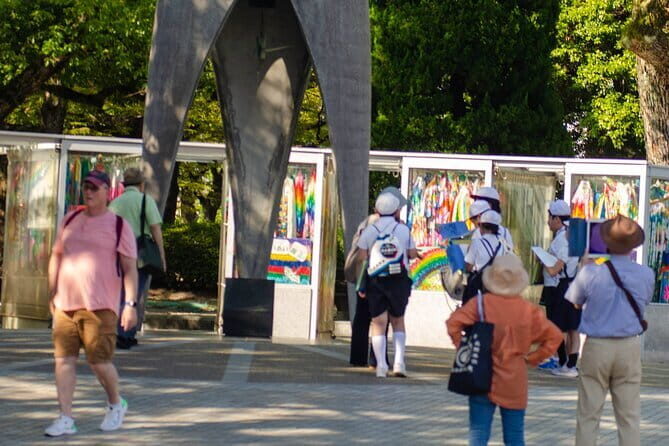
After the solemnity, the schedule shifts gears on purpose. Hiroshima’s pedestrian street, Hondori, is included as a change of pace where you can breathe, snack, and look at how daily life looks in a city that rebuilt.
This isn’t just about shopping. A street like Hondori is a reality check: you get to see that the story of Hiroshima is not only about destruction—it’s also about return, routine, and community. For many people, that contrast is what makes the day stick.
If you want to use this segment well, keep it simple. Pick one quick bite or drink, pause in a shaded spot if it’s hot, and treat Hondori as your transition from mourning to the next chapter: recovery, resilience, and the living city.
Hiroshima Castle and Shukkeien Garden: History With Space to Think
The Hiroshima Castle stop gives you a classic landmark break. The tour includes time at Hiroshima Castle (often called Carp Castle), and the big point for most visitors is viewpoint and atmosphere—this is a historic marker in the city’s center. The castle entry ticket is not included (500 yen), so you’ll want cash or card ready.
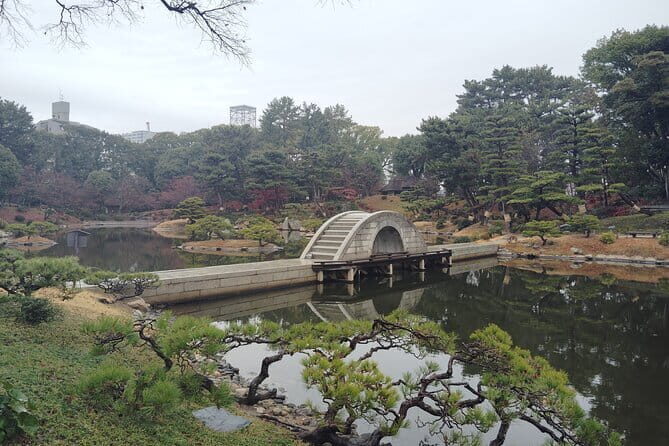
Right after that, you head to Shukkeien Garden. This is where the day slows down. Shukkeien is a traditional Japanese garden and the tour spends about an hour here, with the 300 yen garden ticket not included. You’ll enjoy it more if you take your time walking and let your eyes adjust from memorial intensity to quiet composition.
Garden time matters on a day like this. When you’re moving through heavy topics, you need a mental reset. Shukkeien is that reset. It’s also a great place to cool down a bit if you come equipped with water and a hat.
Miyajima Island and Itsukushima Shrine: The Torii Depends on Timing
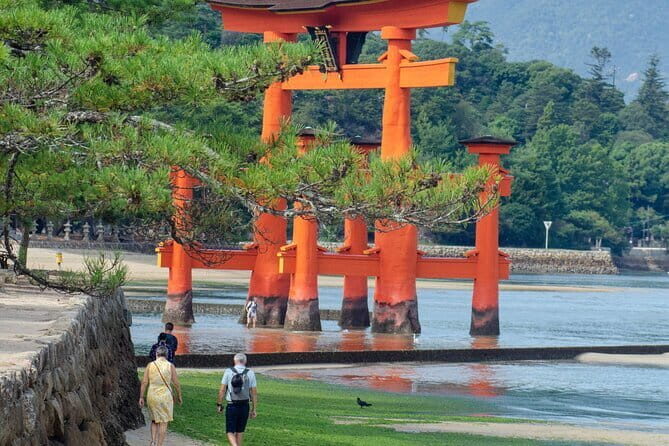
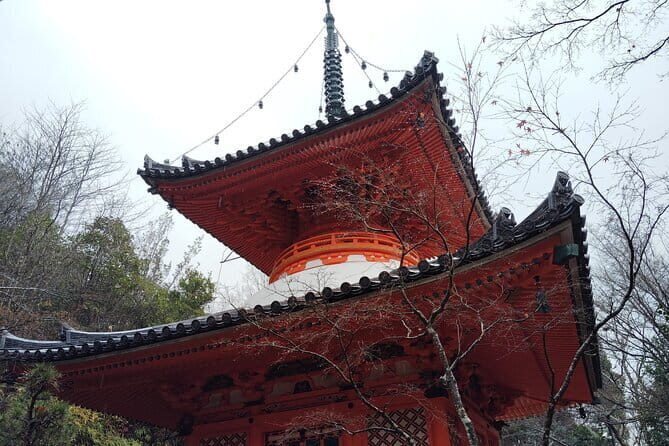
Miyajima is the payoff and the contrast. The tour includes Miyajima with admission included for Itsukushima Shrine, one of Japan’s most iconic spiritual landmarks.
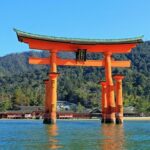
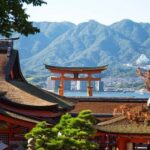
The headline feature is the torii gate that appears to float at high tide. Even when you’ve seen photos before, seeing it in person carries a different feeling—because it’s tied to water level and time. That’s why arriving when the scene is right (and not sprinting past it) helps you get the full effect.
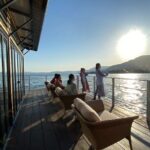
You’ll also have time to explore the shrine grounds and enjoy views of the Seto Inland Sea. This part of the day is often what people remember most from Hiroshima, because it’s calm and scenic in a way Peace Park isn’t. It’s not about forgetting what you learned earlier—it’s about carrying it with you while seeing how life looks on the coast.
One more practical note: since the tour uses tram and ferry connections, your pacing on the island matters. If your day runs long in Hiroshima, you may have less slack for wandering slowly on Miyajima’s paths.
You can also read our reviews of more private tours in Hiroshima
Guides Are the Difference: Kazuko, John, and Gajender
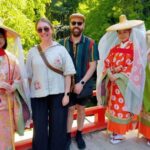
This tour is private, and the guides are repeatedly the reason people leave strong reviews. It shows in how they handle both logistics and story.
Kazuko Mensing is praised for being warm, energized, and deeply tied to Hiroshima. One standout theme in her guidance is the way she personalizes the meaning of places—helping you connect facts to the lived city. People also mention she helps manage crowds on Miyajima and can guide you off the busiest routes when helpful.
John gets credited for moving the day along while still sharing context, including extra local flavor like food recommendations. In a couple of accounts, the guidance includes helping people understand what they’re seeing and making transit coordination feel smooth, especially when the schedule is tight.
Gajender is often described as friendly, energetic, and very active in taking care of details—so you don’t waste time figuring out where to go next. There’s also strong praise for his sensitivity when plans get disrupted, including helping translate and support someone during a medical emergency. That’s not the kind of thing you plan for, but it’s a real marker of what makes a guide worth paying for.
In short: if the tour is a “great sites” plan, the guide is the difference between a sightseeing day and a meaningful one.
Price and Value: What $150 Includes, and What Costs Extra
At $150 per person, the value depends on whether you want someone else to handle the story and logistics while you focus on the day.
What you get included:
- English speaking guide
- Tickets for the Peace Memorial Museum and Itsukushima Shrine
- Public transportation: tram and ferry
- Pickup with public transportation (so you’re near the transit web instead of stuck planning everything alone)
- A mobile ticket
What costs extra:
- Hiroshima Castle (500 yen)
- Shukkeien Garden (300 yen)
- Lunch (not included)
- A private car (not included)
- Boats that connect Miyajima directly with Hiroshima Peace Park are listed as a separate paid option (2200 yen one way, 4000 yen round trip)
So here’s how I’d think about value. If you were planning to visit the museum and Miyajima shrine anyway, and you’d otherwise have to figure out transit plus entry logistics, the guide’s time is the real product. The added ticket costs aren’t hidden—they’re simply not bundled into the base price.
Also remember: this is private, so you’re paying for group-specific guidance. If your group wants a customized pace or you value having someone manage connections, that matters.
Timing, Heat, and Walking: The Real-Day Constraints
Even with a well-run plan, this is still a full day with walking. Multiple accounts point out lots of steps, and heat can make that tougher. If you’re thinking about booking in summer, go in with a smart pace: water, a hat, and shoes you trust.
Timekeeping is another real factor. On a few occasions, people described losing time because of pacing or connections, which led to extra taxi costs to reach a cruise port or meeting deadline. The lesson is simple: if you have hard timing tied to a ship schedule or an early departure, choose a plan that leaves buffer—or accept that you might need to pay for a shortcut.
One more caution: if you start farther away, the transit time can eat into what you experience on the island. The tour includes tram and ferry connections, but your starting point still affects how much time you have for the key stops.
Who This Tour Fits Best (And Who Should Skip)
This tour works especially well if:
- You want a private day with a guide handling the “what am I looking at” part
- You care about Hiroshima’s memorial sites and want them explained in a thoughtful sequence
- You want Miyajima with its major shrine experience without wrestling transit and tickets
It might not be ideal if:
- You have mobility limitations or struggle with many stairs and long walks
- You need a perfectly relaxed pace with minimal transit
- Your schedule is strict and inflexible, like a tight cruise departure window
If you fall into any of those categories, you can still consider it—just adjust expectations. A private guide can sometimes help with pacing, but the physical and time constraints of the route remain.
Should You Book This Hiroshima and Miyajima Private Tour?
If your top priorities are Peace Memorial Park meaning plus Miyajima’s Itsukushima Shrine, I think this tour is a strong choice. You’re paying for the combination of guided context, included key admissions, and tram-and-ferry logistics so your day feels organized rather than improvised.
I’d book if your group can handle a walking-heavy day and you’re not trying to do this while racing a tight ship schedule. If you’re sensitive to heat or steps, consider asking for a clear expectation of pacing before you go, and pack for comfort.
Bottom line: this is a memorable, high-impact day when you treat it like what it is—structured, emotional, and scenic in equal measure.
FAQ
What’s included in the tour price?
The tour includes an English speaking guide, tickets for the Hiroshima Peace Memorial Museum and Itsukushima Shrine, and public transportation by tram and ferry. It also includes pickup with public transportation and a mobile ticket.
Are Hiroshima Castle and Shukkeien Garden tickets included?
No. Hiroshima Castle costs 500 yen and Shukkeien Garden costs 300 yen, and those tickets are not included in the price.
Is lunch included?
No. Lunch is not included.
How do you get to Miyajima?
The tour includes public transportation using tram and ferry. A separate paid boat option between Miyajima and Hiroshima Peace Park is listed but not included.
Is pickup offered?
Pickup is offered with public transportation, and the meeting area is described as near public transportation. Private transportation is not included.
How long is the tour?
The duration is listed as approximately 4 to 8 hours, depending on the flow of the day.
Is this a private tour?
Yes. It’s a private tour/activity, so only your group participates.
Is the floating torii gate at Itsukushima Shrine included?
Yes. The plan includes Itsukushima Shrine and the famous torii gate that appears to rise from the sea at high tide.
Can you cancel for a full refund?
Yes. You can cancel up to 24 hours in advance for a full refund.
Is this tour suitable for mobility issues?
The tour notes that most people can participate, but it involves walking and many steps, so it may not be a good fit for people with mobility issues.