REVIEW · HIROSHIMA
Hiroshima: Peace Cycling Tour with Local Guide
Book on GetYourGuide →Operated by Attractive JAPAN · Bookable on GetYourGuide
A bicycle ride turns history into something you feel. This Hiroshima peace cycling tour connects the Peace Park story to the real streets around it, and the electric bikes make it possible to cover ground without rushing past the meaning. I especially liked how local guides bring the events of Aug 6, 1945 into focus through the sites you see every day now.
One possible drawback: the route stays fairly focused on the central bombing area and nearby memorials, so if you want a wide, grab-everything sightseeing day, you’ll need to plan other time for that. Also, because it’s a shared ride up to 10 people, the pace can slow down if others need extra help.
In This Review
- Key moments that make this ride worth it
- Why cycling gives you a different kind of Hiroshima
- Getting started: the Peace Park meeting point and easy transit
- The electric bike advantage (and what to watch for)
- Peace Memorial Park: where the meaning gets specific
- The main difference between the 2-hour and 3-hour rides
- A-bombed Streetcars and the lesson hidden in plain sight
- Hiroshima beyond the center: suburbs, A-bomb sites, and “how close it was”
- Hiroshima Castle, bridges, and hospitals on the 3-hour route
- Hiroshima Castle: the big landmark with a complicated context
- Gokoku Shrine and the gate: faith, civic memory, and rebuilt meaning
- Central Park to Aioi Bridge: linking open space to what people endured
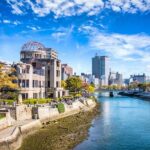
- Atomic Bomb Dome: the scene that changes your pace
- Motoyasu River and Peace Bridge: geography you can feel
- Higashisenda Park: a softer pause with sharp memory attached
- Hiroshima Red Cross Hospital: response and aftermath
- Hiroshima Railway and bridges: the city’s machinery and its survivors
- Surviving Weeping Willow and Peace Boulevard: symbols that grow
- What you learn: not just the bombing, but the city’s change
- Price and value: why $52 can make sense here
- How to get the most from the ride
- Who should book this tour, and who might pass
- Should you book this Hiroshima Peace Cycling Tour?
- FAQ
- How long is the Hiroshima peace cycling tour?
- Is this tour guided in English?
- Where do I meet the tour?
- Are bikes included?
- Do I need to bring food?
- What should I bring, and what should I avoid?
- Is the tour okay for kids?
- What is the height requirement?
- Can I cancel for a refund?
Key moments that make this ride worth it
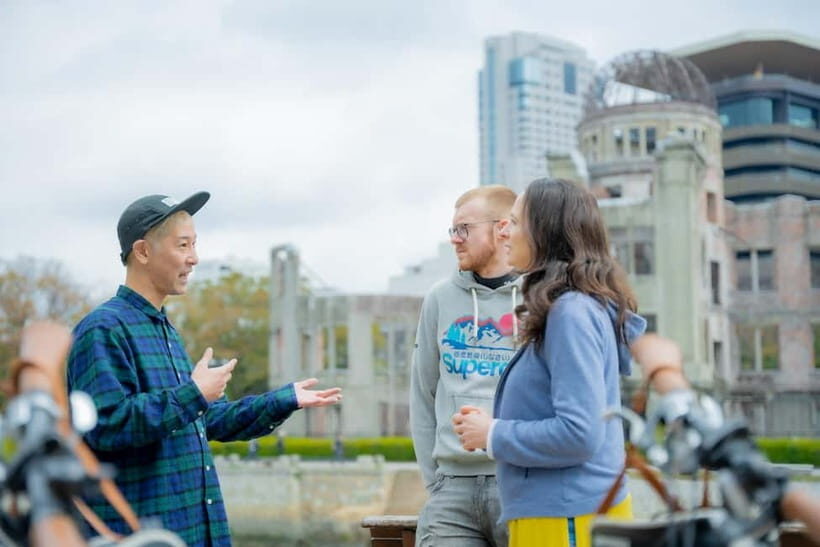
- Electric assist keeps the ride comfortable, even if you are not a strong cyclist
- Family-tied storytelling from guides such as Shin, Kana, Moe, Mai, and Bella-Kana adds weight to each stop
- A-bomb context within a tight area, including the 2.5 km radius from the hypocenter, so nothing feels random
- You hear how Hiroshima changed, from devastation to a city now marked by greenery
- You get beyond the postcard zone, with suburban views and A-bomb heritage sites outside the busiest areas
Why cycling gives you a different kind of Hiroshima
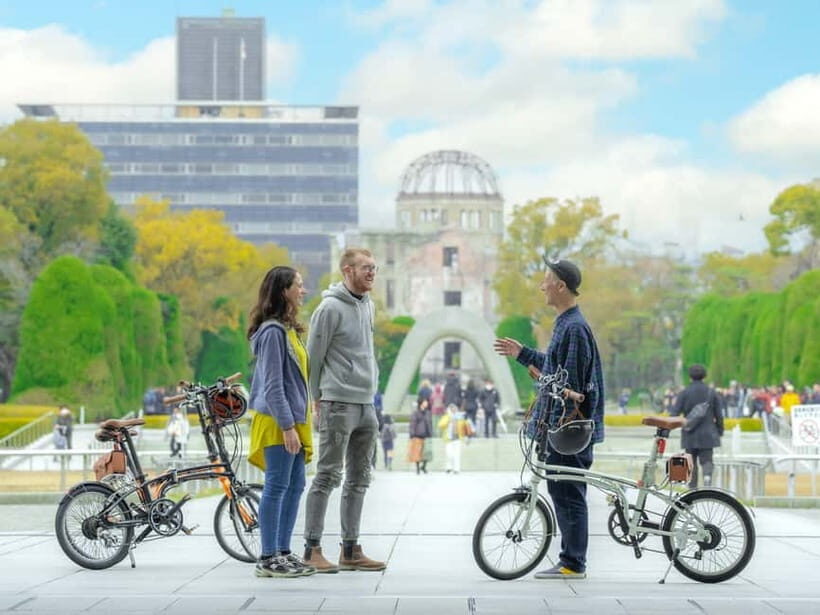
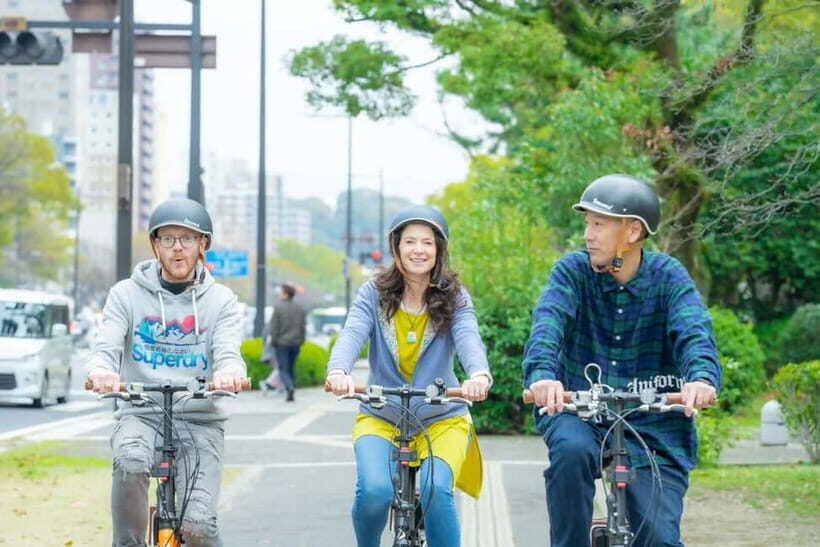
Hiroshima can feel heavy on foot, even if you are prepared. On a bike, the city has motion. You stop where it matters, then you roll again—so the story can land in layers instead of all at once.
I like that this tour treats the Peace Memorial Park as the start, not the finish. The ride is built to show how the bombing is not only something from museum panels. It’s in the street layout, in bridges and rivers, and in how people learned to live with memory in the middle of ordinary life.
And because it is an English-guided experience with a small group (up to 10), you get a steady rhythm: learn a fact, see a place, ask a question, then keep going.
You can also read our reviews of more cycling tours in Hiroshima
Getting started: the Peace Park meeting point and easy transit
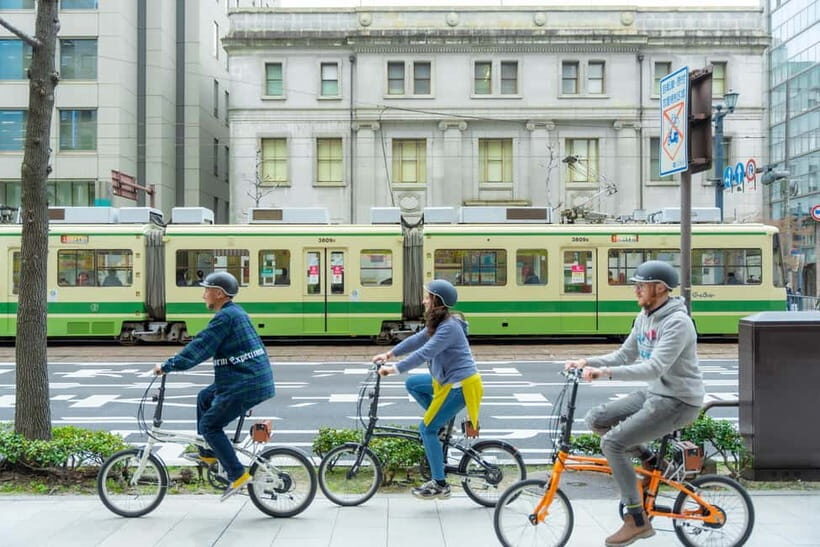
You meet at the Rest House of Hiroshima Peace Park. The easiest route from Hiroshima Station is by train on the Hiroshima Electric Railway to Atomic Bomb Dome Station (about 20 minutes), then it’s about a five-minute walk.
This matters because you can arrive without juggling multiple transfers while also staying close to the subject of the day. It’s a good setup for a guided experience, especially since part of the tour includes walking briefly at memorial sites and you’ll want to be warmed up and ready.
The electric bike advantage (and what to watch for)
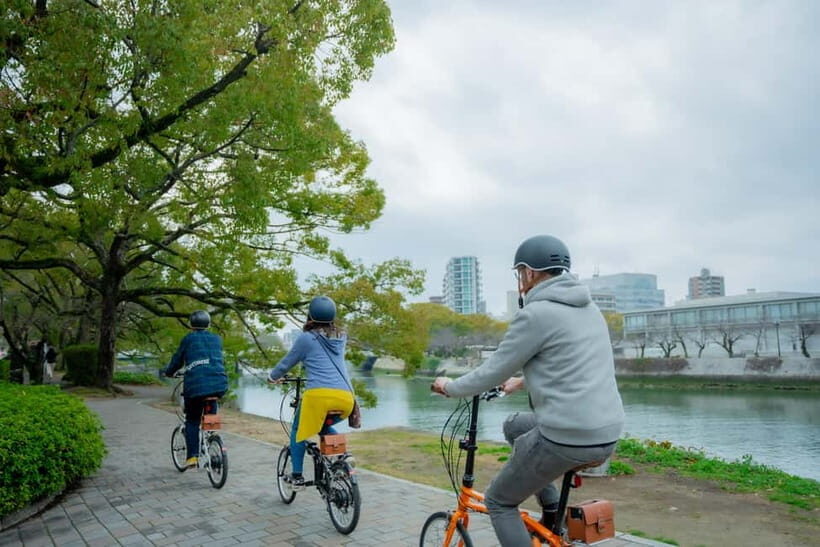
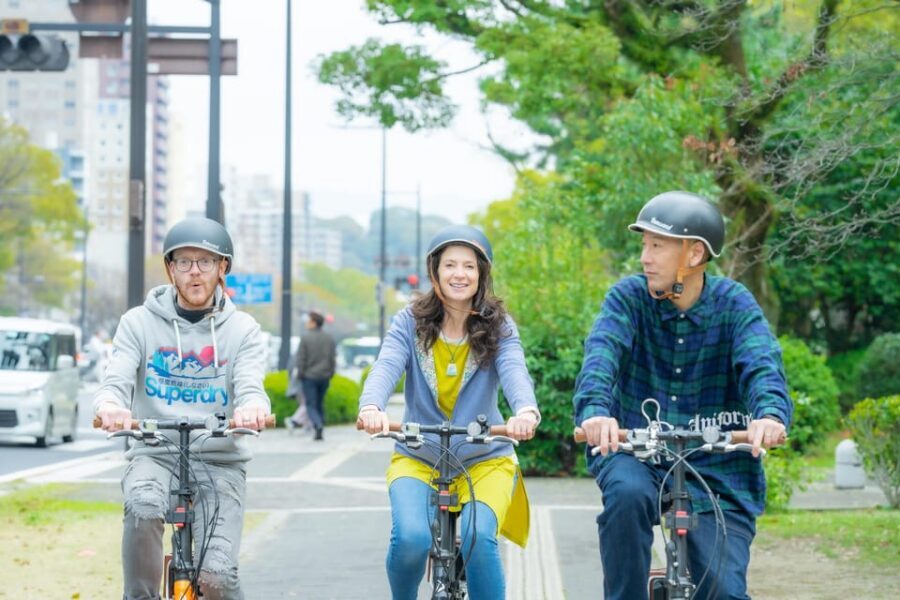
You ride a comfortable electric bicycle. That’s not just convenience. It changes the way you experience the city. Hills and longer stretches that might slow you down on a regular bike are less of a problem, which means you spend more time looking at what your guide points out.
The group is shared, and the operator adjusts pace if someone in another group isn’t accustomed to cycling—especially children. So if you’re traveling with family, you’re not likely to get left behind.
Two practical notes:
- Bring comfortable shoes, not high heels.
- If you’re under 145 cm, this tour is not suitable, since it lists height requirements for adult electric bikes.
Peace Memorial Park: where the meaning gets specific
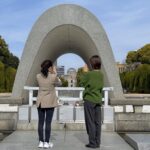
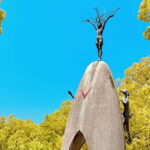
The ride commonly begins at the Peace Memorial Park, and this is the key “anchor stop.” Your guide helps you connect the dots between the memorials and what the city remembers about the bombing.
You’ll learn what is held in the monuments and how the area around the bombing created devastation that still shapes Hiroshima’s identity today. The tour also explicitly focuses on the destruction tied to the blast: the area within a 2.5 km radius from the hypocenter was severely damaged. That detail matters because it gives you a scale you can actually picture as you later cycle nearby streets and bridges.
Inside the Peace Memorial Park area, it’s common to feel a shift from information to emotion. Guides often bring personal family connections into the explanation. People have spoken very strongly about guides like Shin and Kana when they share stories that go beyond dates—family memory passed down through generations—so you understand why the peace message has weight in Hiroshima, not just symbolism.
The main difference between the 2-hour and 3-hour rides
If you only have a short window, the 2-hour option keeps it tight. You start at the Peace Memorial Park, then move on to additional A-bomb heritage context in the city. The big emphasis is on connecting the most famous sites to what happened around them and then seeing how the suburbs absorbed the recovery.
The 3-hour option adds more stops across Hiroshima’s central areas and riverside landscapes. You’ll see landmarks like Hiroshima Castle, multiple bridges, and sites tied to the response and aftermath. It’s the better pick if you want more “walk-and-talk replacement” time, because the bike lets you cover more ground without feeling frantic.
Either way, the tour is designed so you’re not just riding between monuments. Each stop supports the same storyline: before the bombing, the destruction, and the way Hiroshima moved forward.
You can also read our reviews of more guided tours in Hiroshima
A-bombed Streetcars and the lesson hidden in plain sight
One of the most striking parts of the ride is learning about the A-Bombed Streetcars—and the fact that a train still runs today that survived the atomic bombing.
That’s a powerful learning moment because it reframes what resilience can look like. Hiroshima rebuilt around what remained. Even a damaged piece of infrastructure can become a moving symbol of continuity rather than only a relic of tragedy.
Your guide also points out the townscape beyond the most crowded tourist pocket. That shift is one of the tour’s best features: you see a Hiroshima that feels lived-in, not staged.
Hiroshima beyond the center: suburbs, A-bomb sites, and “how close it was”
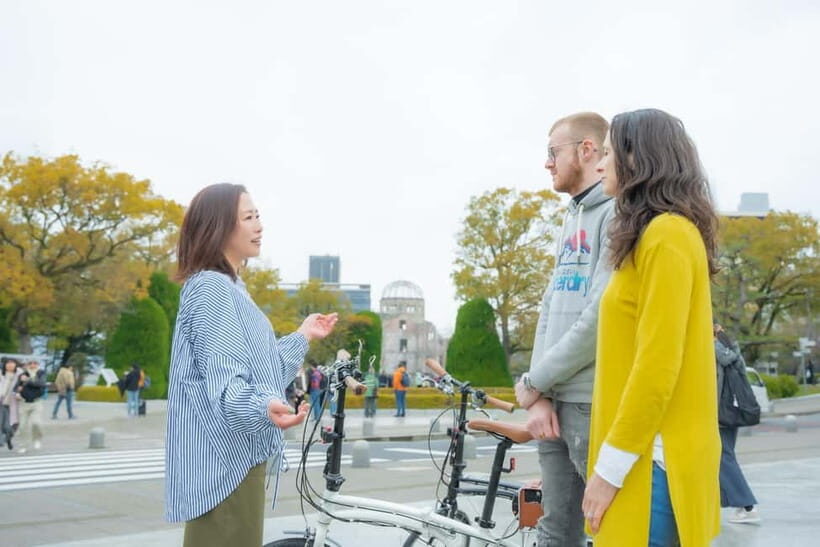
What I like most about this cycling format is that it makes the bombing’s reach feel closer and more real.
The tour explicitly goes into areas outside the busiest visitor zones, where your guide can show how the city’s recovery isn’t just a single redevelopment project. It’s something people built up around them, street by street, site by site. And as you ride through these spaces, your guide helps you connect what you see to the experiences handed down in Hiroshima.
That’s why many people come away saying they felt connected to the Hiroshima story. Not only because the memorials are moving, but because the tour explains how everyday neighborhoods carry layers of memory.
Hiroshima Castle, bridges, and hospitals on the 3-hour route
If you take the longer ride, you get a structured arc across the city. Here’s what each stop is really doing for you, beyond being a name on a map:
Hiroshima Castle: the big landmark with a complicated context
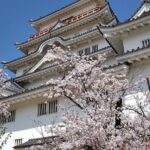
You start with Hiroshima Castle on the 3-hour course. It gives you a sense of place in time, a well-known city landmark that helps you understand Hiroshima’s scale and importance before the bombing.
Gokoku Shrine and the gate: faith, civic memory, and rebuilt meaning
Next is Hiroshima Gokoku Shrine and its shrine gate. This stop helps you see how Hiroshima’s memory lives alongside religious and civic spaces—places that don’t exist only for tourists.
Central Park to Aioi Bridge: linking open space to what people endured
Cycling through Hiroshima Central Park and toward Aioi Bridge helps you picture how “open” areas still hold a role in the story. Bridges matter here because rivers and crossing points are natural landmarks in any city map—and in Hiroshima, they’re also part of the bombing-era geography.
Atomic Bomb Dome: the scene that changes your pace
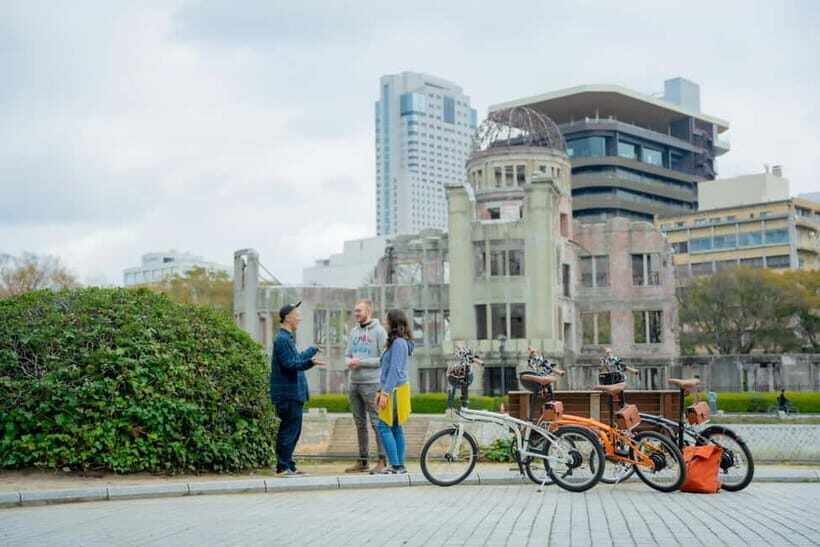
Then comes Atomic Bomb Dome. Even if you know the iconic photo, seeing it in person is different. Your guide’s job is to make sure you understand the what and the why—so the building becomes more than a photograph. This is where the tour often becomes quiet in the group, even if your guide keeps moving with clear explanations.
Motoyasu River and Peace Bridge: geography you can feel
The ride continues along the Motoyasu River and the Peace Bridge. Rivers can look calm now, but your guide connects them back to the bombing context and the way survivors and responders would have experienced the area.
Higashisenda Park: a softer pause with sharp memory attached
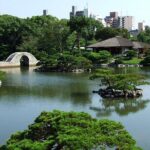
At Higashisenda Park, the mood often shifts. Parks give you a place to breathe, and your guide can use that moment to reflect on what restoration means when the past is still visible.
Hiroshima Red Cross Hospital: response and aftermath
The Hiroshima Red Cross Hospital stop matters because it ties the story to care, emergency response, and the immediate aftermath. Even if you don’t focus on it for long, it gives the tour a human angle beyond monuments.
Hiroshima Railway and bridges: the city’s machinery and its survivors
You pass Hiroshima Railway and then later Miyuki Bridge and Kobayashi River. These sections help you understand that Hiroshima is not only memorial sites—it’s a functioning city built on movement, transport, and connections people rely on.
Surviving Weeping Willow and Peace Boulevard: symbols that grow
The longer route includes the Surviving Weeping Willow Tree and then Peace Boulevard. These are the kind of stops where you’ll feel how the city uses living elements and public space to keep the peace message forward. When a guide ties that into the hope-and-healing side of Hiroshima, the experience can feel balanced rather than only tragic.
What you learn: not just the bombing, but the city’s change
The tour’s core promise is that you’ll learn local feelings toward the Peace Park from about 70 years ago, but you’ll also learn how Hiroshima is now dramatically revitalized—described as greener and rebuilt compared to what was destroyed.
I like that it doesn’t stop at the shock. It also explains the destruction and the aftermath, then brings you back to the present so your brain can make a complete picture. That’s a big deal when you visit Hiroshima: you don’t want your trip to end with only grief.
This is where guides tend to stand out. Multiple guide names show up in people’s experiences—Shin, Kana, Moe, Mai, and Bella-Kana—and the theme is consistent: the stories are personal, sometimes connected to grandparents, parents, and the guide’s own life. That kind of context turns landmarks into lived memory.
Price and value: why $52 can make sense here
At $52 per person for about 2 to 3 hours, this isn’t a budget add-on. But it also isn’t just bike rental with a few facts.
You’re paying for:
- A local English-speaking guide who connects sites and teaches you the meaning behind them
- Rental bicycles (electric)
- Insurance for bicycle accidents
- A structure that helps you see more than the Peace Memorial Park without losing the thread of the story
For Hiroshima, where the subject is intense and easy to misunderstand, guided context is the value driver. Without it, you can still visit monuments—but you’d miss the local links your guide makes between the bombing-era geography and today’s neighborhoods.
If you want a “fast but meaningful” half-day, this price feels fair because it replaces hours of independent research with a focused, human explanation while you ride.
How to get the most from the ride
A few practical tips can make a big difference:
- Bring drinks and plan on using the breaks your guide offers if the weather is hot.
- Pack a towel. People have mentioned guides carrying cooling items like cold towels and even salt candies, which is exactly what you want on a warm day.
- Wear comfortable clothes and comfortable shoes. You’ll be moving and stopping.
Also, show up on time. The tour notes that if you’re late without notice, it may be canceled and you’d face a non-refundable fee for that day. So build in a little buffer from your tram arrival.
Who should book this tour, and who might pass
This tour is a strong fit if you:
- Want to see Hiroshima’s main atomic-bomb landmarks but also understand the wider area connected to them
- Prefer an active way to get around without turning the day into a long walk
- Appreciate local storytelling that connects public memorials to private memory
- Like the idea of a small group (up to 10) rather than a large bus tour
You might choose something else if:
- You want a broad sightseeing day covering lots of unrelated neighborhoods and attractions
- You’re under 145 cm and can’t use the adult electric bike options
For most people who can comfortably ride an e-bike, it’s an efficient, moving way to see Hiroshima in a short time while still taking the subject seriously.
Should you book this Hiroshima Peace Cycling Tour?
I’d book it if you want a half-day that feels both practical and profoundly meaningful. The best part is the combination: electric cycling plus a guide who ties monuments to the lived reality of Hiroshima’s past and present. You won’t just check off famous spots—you’ll understand why the city looks the way it does now.
If you only have time for the highlights, pick the 2-hour option. If you can spare more time and want more city geography—bridges, castle area, and additional memorial-linked sites—the 3-hour ride is the better value for a fuller picture.
Either way, go prepared to slow down mentally, even while the bike keeps you moving. In Hiroshima, the pace of your thoughts matters as much as the wheels under you.
FAQ
How long is the Hiroshima peace cycling tour?
It runs about 2 to 3 hours, depending on the route option available.
Is this tour guided in English?
Yes. It is an English guided tour.
Where do I meet the tour?
Meet at the Rest House of Hiroshima Peace Park. The easiest route is the Hiroshima Electric Railway from Hiroshima Station to Atomic Bomb Dome Station, then a short walk.
Are bikes included?
Yes. You get rental bicycles (electric bikes are used).
Do I need to bring food?
No food and drinks are included, so you’ll want to bring your own.
What should I bring, and what should I avoid?
Bring comfortable shoes, a towel, drinks, and comfortable clothes. High-heeled shoes are not allowed.
Is the tour okay for kids?
Reservations are available for children aged 1 and older. There are child bicycle options and electric seats with size/weight limits listed by the operator.
What is the height requirement?
The tour is not suitable for people under 145 cm.
Can I cancel for a refund?
Yes. You can cancel up to 24 hours in advance for a full refund, and there’s also a reserve now & pay later option.