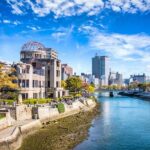
REVIEW · HIROSHIMA
Amazing Hiroshima: Private City Tour with a Local Guide
Book on GetYourGuide →Operated by ABU · Bookable on GetYourGuide
A day like this makes Hiroshima hard to forget. You’ll walk through the Peace Memorial Park area with real historical context, then shift gears to Miyajima’s spiritual waterfront and the “floating” torii. I particularly love how the route groups the heaviest emotional sights first, then rewards you with sea views and shrine atmosphere.
The second reason this works is the private format. With an English live guide and flexible pacing, stops like Hiroshima Castle and Shukkeien Garden don’t feel like checkbox travel. One thing to keep in mind: the day can run long depending on your chosen duration and ferry/boat timing, and lunch is not included.
In This Review
- Key things to know before you go
- Hiroshima and Miyajima in one day: why this route makes sense
- The morning in Hiroshima: Peace Memorial Park through the A-Bomb Dome
- Peace Memorial Museum: where the story gets specific
- A-Bomb Dome and the walking rhythm of the memorial grounds
- Hiroshima’s culture reset: Hondōri, Hiroshima Castle, and Shukkeien Garden
- Hondōri: a quick feel of everyday Hiroshima
- Hiroshima Castle: reconstruction with samurai-era context
- Shukkeien Garden: traditional peace of a different kind
- The ferry day to Miyajima: where the scenery shifts fast
- Miyajima first impressions: spiritual atmosphere and food stops
- Itsukushima torii gate: how to aim for the iconic look
- Itsukushima Shrine: UNESCO setting and sacred shoreline
- Daisho-in Temple and optional Mount Misen time
- Guide factor: what makes the private format feel worth it
- Value check: what you’re getting for $129
- Who this tour suits best (and who should consider a different plan)
- Should you book this Hiroshima and Miyajima private tour?
- FAQ
- How long is the Hiroshima and Miyajima private city tour?
- Is the tour guide available in English?
- Does the price include transportation and entrance fees?
- Is lunch included?
- How do you get to Miyajima Island?
- What extra cost might there be for a direct boat option?
- Is the floating torii gate guaranteed to look like it is floating?
- Can I request a specific type of guide?
Key things to know before you go
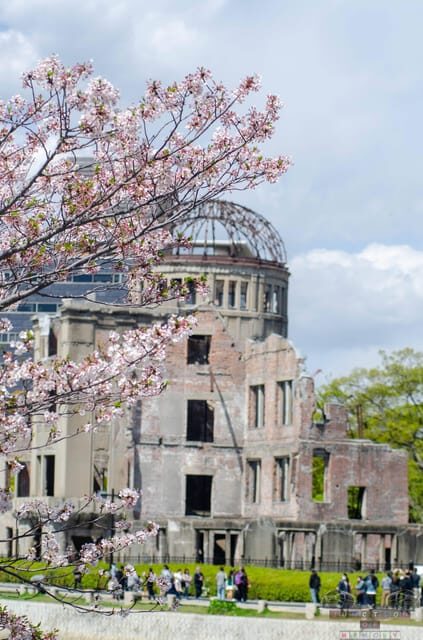
- Peace Memorial Park + A-Bomb Dome + Museum make one powerful storyline, not scattered stops
- Itsukushima Shrine (UNESCO) and the torii gate are timed for the feel of the waterline at high tide
- Private or small-group format helps you keep questions in the flow instead of at the end of the tour
- Hiroshima Castle and Shukkeien Garden add layered culture beyond the memorial sites
- Miyajima logistics matter: transport is based on tram/ferry, with a separate direct-boat option that costs extra
- Guide quality can vary by person, so it’s smart to request the style of history you want
Hiroshima and Miyajima in one day: why this route makes sense
This is a smart pairing: Hiroshima gives you the history and meaning, then Miyajima gives you space to breathe. The flow matters. You start at the Peace Memorial Park side of town, where the A-bomb story is presented through landmark sites like the A-Bomb Dome and the Peace Memorial Museum. Then you head into the lighter, more scenic side of the Seto Inland Sea world on Miyajima Island.
The private angle is what turns it from a “sight-seeing sprint” into a guided day. You’re not just moving between famous photos. You’re learning how Hiroshima’s past shaped the city’s present messages about peace, and you’re seeing how Miyajima’s religious tradition lives in day-to-day visitor life. That contrast is the main value of this tour.
Price is set at $129 per person, and that’s easiest to judge by what’s included. You get a live English guide, tram and ferry public transportation fares, plus entrance fees to Peace Memorial Park and Itsukushima Shrine. Lunch isn’t included, but most of the expensive parts in Japan are the transport and admissions you’d otherwise pay one-by-one.
You can also read our reviews of more guided tours in Hiroshima


The morning in Hiroshima: Peace Memorial Park through the A-Bomb Dome
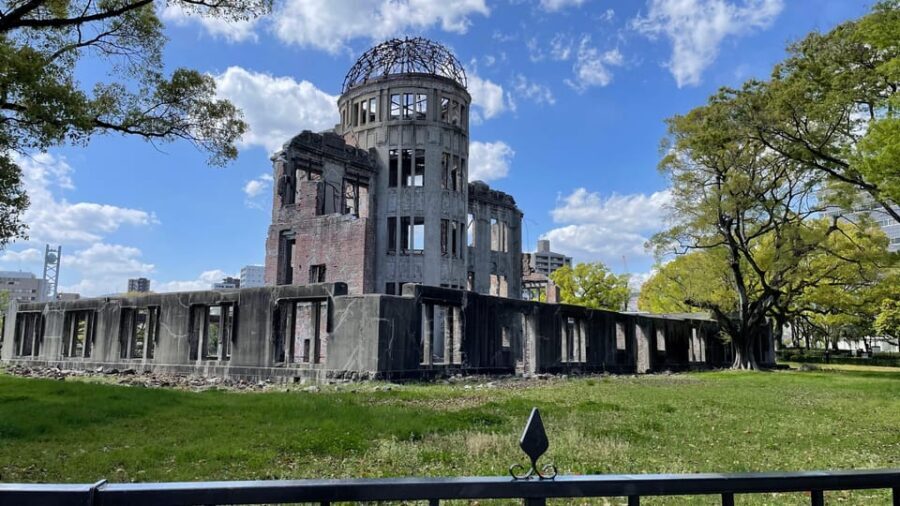
Your day starts in Hiroshima with pickup optional anywhere within the city. After a short transfer, you move into Peace Memorial Park for about an hour, with guided time plus free time for photos and shopping nearby.
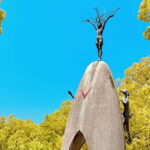
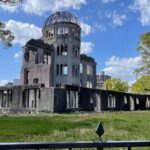
What makes this stretch worth doing with a guide is that the sites aren’t only visual. The guide helps connect the “what happened” with the “what it means now.” In this area, you’ll visit the Peace Memorial Park highlights like the A-Bomb Dome area view, the Peace Memorial Museum, and the Children’s Peace Monument. The Children’s Peace Monument is especially moving because it shifts the focus from a single moment of destruction to a longer message about protecting the future.
A practical note: this is not the part of the day where you want to rush. Even if you’re emotionally prepared, your feet and attention will need time. The tour format gives you guided time plus breathing room, which helps you absorb what you’re seeing instead of just collecting images.
Peace Memorial Museum: where the story gets specific
Right after the park, you’ll spend around an hour at the Peace Memorial Museum. Museums can go two ways: either you’re reading everything alone, or you’re guided through the most meaningful sections. Here, the guide time is the point.
You’ll also see how the museum’s narrative fits the rest of the sites nearby. It’s a good pairing with the A-Bomb Dome, which comes next. The museum turns the Dome from a photo into a reference point for real people and real consequences.
If you’re the type who wants the historical details spelled out clearly, this museum stop is where you’ll feel you got your money’s worth.
A-Bomb Dome and the walking rhythm of the memorial grounds
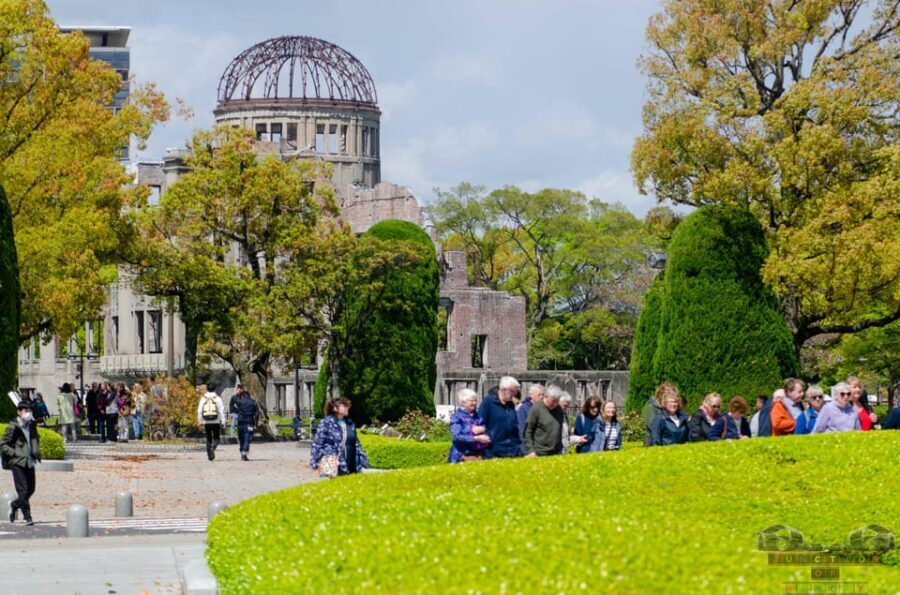
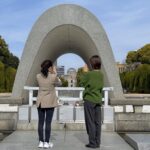
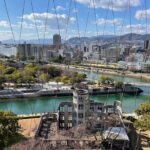
Next is the Atomic Bomb Dome stop, with about 30 minutes of time and a guided walkthrough plus photos. The dome’s power is immediate, even if you’ve read about it before. What a guide adds is context: what you’re seeing, how the surrounding space relates, and how the city chose to preserve this landmark as a warning rather than a monument to destruction.
Then you move to the Children’s Peace Monument area again briefly as part of the route timing. The tour also passes by the Hondōri area, which is useful if you want to experience the city beyond the memorial grounds.
The only drawback to note here is pacing. If you want the emotional sites slowed down even more than the tour allows, your best move is to plan your overall day length thoughtfully. This tour can run 3–8 hours, so if you want extra reflection time, choose the longer end when available.
Hiroshima’s culture reset: Hondōri, Hiroshima Castle, and Shukkeien Garden
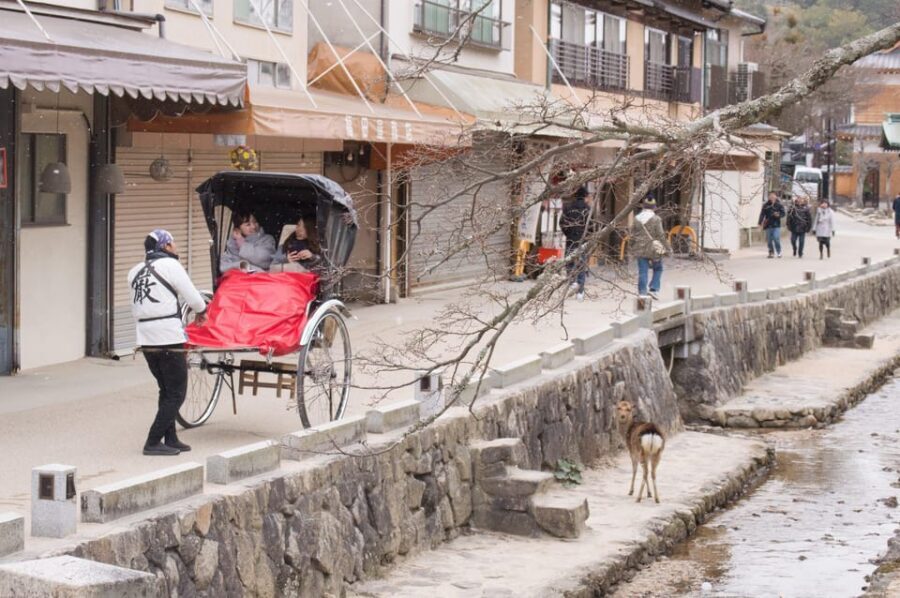
After the memorial portion, the day turns toward Hiroshima’s layers of culture and city life.
You can also read our reviews of more city tours in Hiroshima

Hondōri: a quick feel of everyday Hiroshima
You’ll have time at Hondōri, a well-known street area. The tour keeps this as a break and photo stop with guided context. It’s not the centerpiece of the day, but it helps your brain switch from heavy history to real city energy.
If you’re hungry, this can be a good moment to grab a snack or plan what you’ll try later with Miyajima foods. If you’re not a snack person, use the time to refill water and check the day’s pace.
Hiroshima Castle: reconstruction with samurai-era context
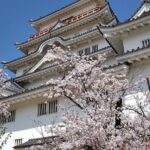
Then comes Hiroshima Castle, which is described as a reconstruction and is included with guided time plus free time for photos and exploring. The tour frames it as a way to understand regional samurai history.
This matters because Hiroshima isn’t only remembered for one tragedy. A castle stop gives you a broader historical timeline, even if the structure is modern in some parts compared to original eras. It can also be a good mental reset between the museum and the garden.
Shukkeien Garden: traditional peace of a different kind
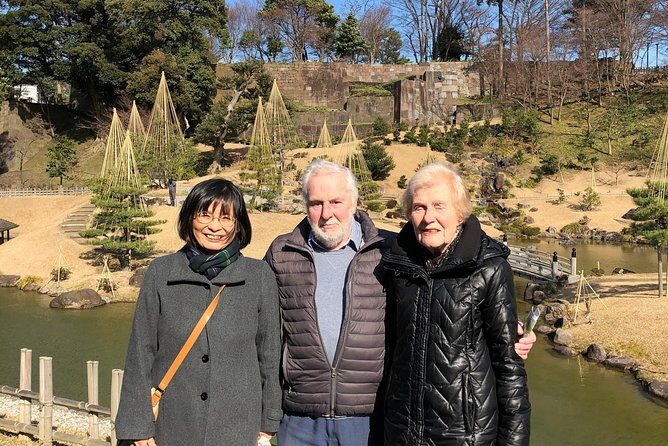
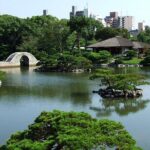
Next is Shukkei-en Garden, about an hour with guided time and free time. This is one of the best “post-history” stops in the whole day. After walking through memorials and museums, a restored traditional garden gives your body a calmer rhythm: slower paths, greenery, and quiet corners.
If your goal is a balanced day—meaning you don’t want your whole schedule to feel solemn—Shukkei-en is the release valve. It doesn’t take away from the memorial meaning; it gives you contrast.
The ferry day to Miyajima: where the scenery shifts fast
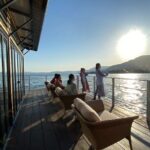
In the afternoon, you’ll take transport toward Miyajima Island. The itinerary includes multiple transfers and around two hours on the island before the shrine-focused time.
Here’s the key logistics detail you should plan around: the tour covers tram and ferry fares, but it also notes that a direct boat option from the Hiroshima Peace Park area is an extra cost. That direct boat crossing is described as 45 minutes, with 2,200 yen one way or 4,000 yen round trip, and you should expect boats about 2–4 times per hour. Visitor tax is not included in those boat costs.
So if you’re price-sensitive or time-sensitive, you’ll want to be clear with the coordinator on which crossing option you’re using. The good news is that you can still have a smooth day because the tour builds in time on Miyajima for wandering and shrine visits.
Miyajima first impressions: spiritual atmosphere and food stops
Once you arrive, Miyajima is the kind of place that changes your pace without asking. The island is known for its spiritual atmosphere and scenic walking.
You’ll also get time to explore with guidance, plus chances for photos and breaks. The tour points you toward trying local foods like grilled oysters and momiji manju (those maple-leaf shaped sweets).
This is where your guide can really help. Not because they’re selling you things, but because Miyajima rewards curiosity: small temple gates, viewpoints, and side paths that are easy to miss if you’re rushing.
Itsukushima torii gate: how to aim for the iconic look
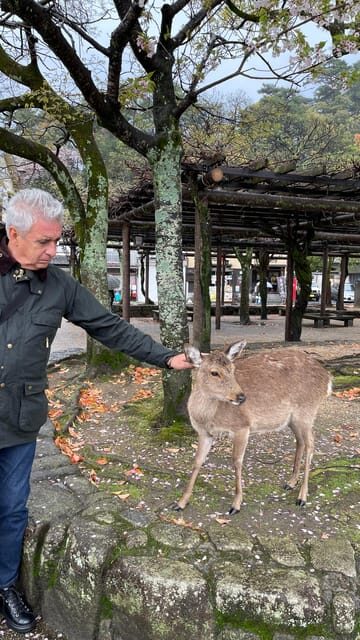
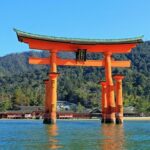
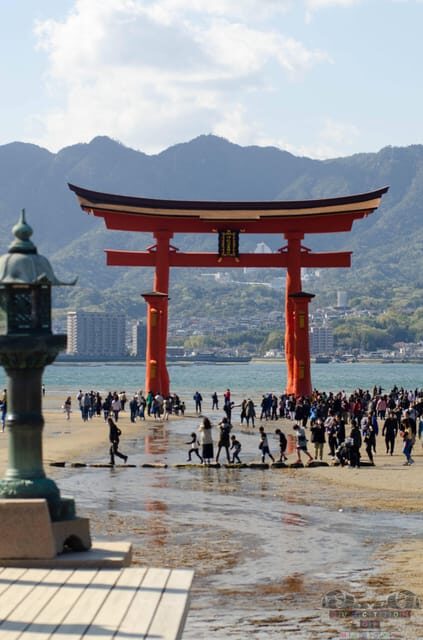
Next is Itsukushima Floating Torii Gate, with guided time plus free time and photo opportunities.
This torii is famous because it can appear to float during high tide. The tour doesn’t give a hard tide schedule, so don’t treat the floating look as 100% guaranteed at the exact moment you arrive. But the guide will help you understand what to look for and how conditions affect the famous view.
Either way, the gate is a huge photo magnet for a reason. Even when the waterline isn’t exactly at its peak, the setting is dramatic, and you’re still staring at one of Japan’s best-known shrine silhouettes.
Itsukushima Shrine: UNESCO setting and sacred shoreline
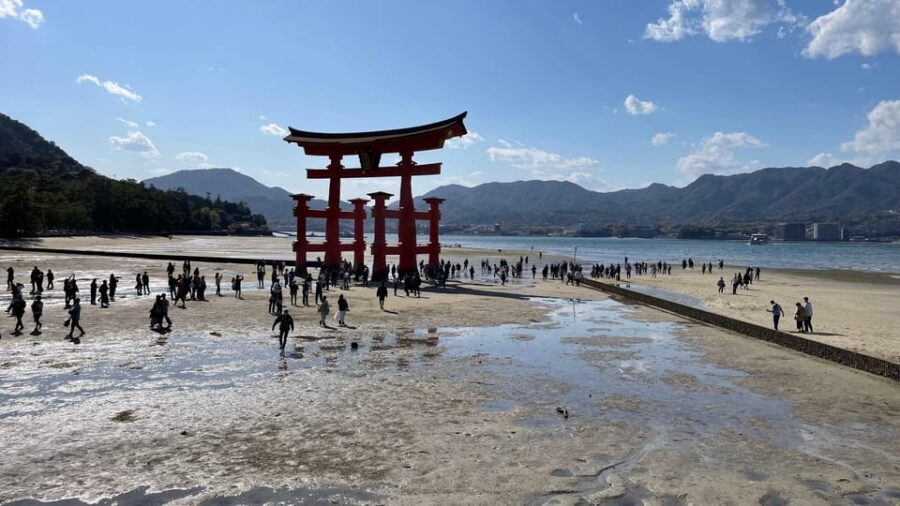
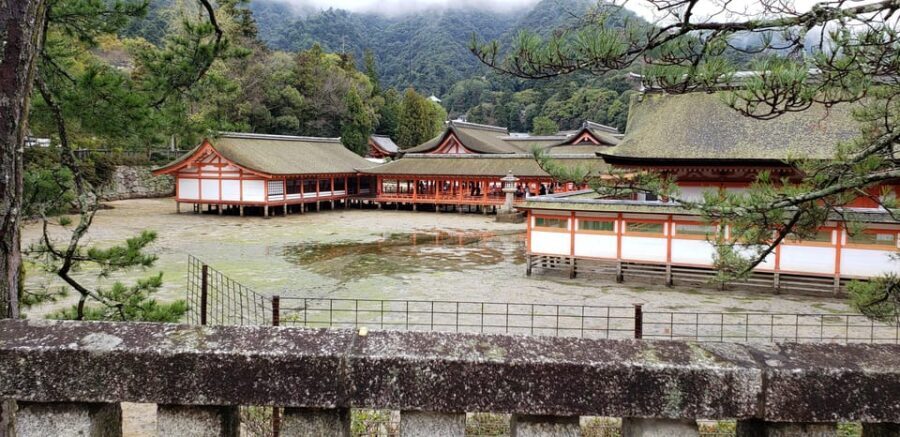
Then you visit Itsukushima Shrine itself, also with guided time and about an hour on-site.
The shrine is a UNESCO World Heritage Site, and the best part of going on a guided tour is that you get the sense of why the architecture is built the way it is and why this shoreline matters spiritually. It’s one of those places where the environment is part of the design.
You’ll have time for photos and wandering. If you’re the type who likes to read the small details (inscriptions, carvings, the rhythm of posts and walkways), this is a stop that pays you back.
Daisho-in Temple and optional Mount Misen time
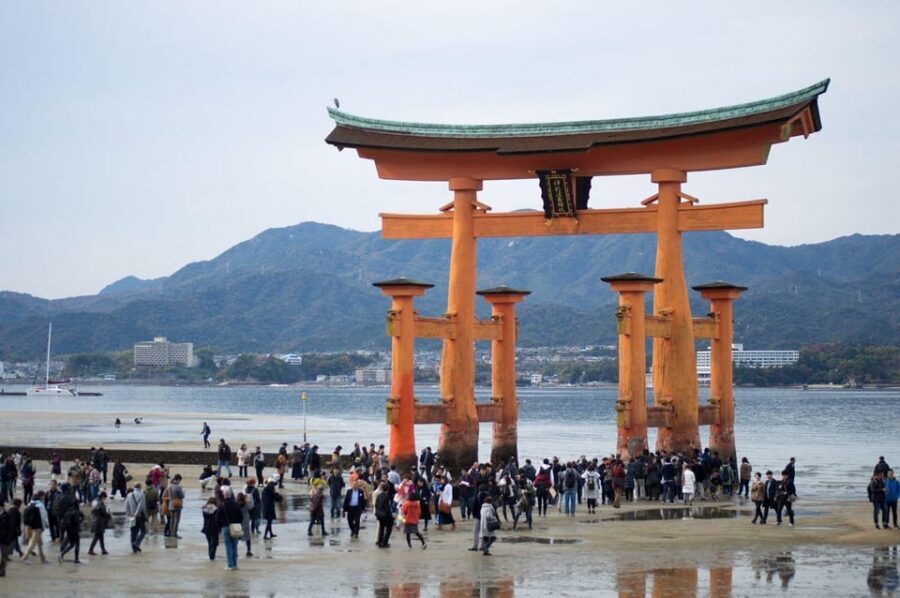
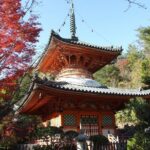
Your Miyajima day also includes Daisho-in Temple, described as a significant site of Shingon Buddhism. Depending on your time and your tour duration, you may also get a chance to hike or ride the ropeway up Mount Misen for views of the Seto Inland Sea.
This optional piece is where the day can feel different for different people:
- If you love views and walking, it’s a great add-on.
- If you prefer calmer shrine time and easy pacing, you might keep your focus on the shoreline and temple areas.
The tour includes the option in the overall plan, but your actual time will depend on how you manage breaks and the transport timing.
Guide factor: what makes the private format feel worth it
The biggest “wild card” in any private tour is the guide. Here, that factor showed up clearly in the experience reports you provided, with multiple guides praised for planning, empathy, and the way they handle emotion and logistics.
Names that came up include Kazuko, Zun, Nick, John, Adri, and others. Across these reports, the common theme is not just facts, but how the guide talks: combining history with a human lens, and making transport smoother so you spend your energy where it matters.
A small but important note from the tour info: most guides are English-speaking and may not hold a licensed city guide certification. That doesn’t mean the experience won’t be strong, but it does mean you should set your expectations around style. If you want a very specific approach—like a historical specialist or a Japanese-English guide—add it when you message the coordinator after booking.
Value check: what you’re getting for $129
Let’s do the practical math, the way you’d decide for your own trip.
Included:
- Live English tour guide
- Tram and ferry public transportation fares
- Entrance fees to Peace Memorial Park and Itsukushima Shrine
- Private or small-group format
- Pickup optional within Hiroshima city at no extra cost
Not included:
- Lunch
- Optional extra direct boat costs from the Peace Park area (if used)
For many people, the value comes from two things. First, the guide makes the memorial sites make sense as a connected story. Second, the transport is handled, so you’re not building your own timetable around trams, ferries, and island pacing.
If you’re traveling with someone who wants a focused itinerary and you don’t want to spend hours researching connections, $129 per person can feel like a fair trade for a structured, guided day.
If you’re the type who loves self-guided wandering with a phone and a map, you may find you can do this cheaper on your own. But you’ll lose the “why” behind the stops.
Who this tour suits best (and who should consider a different plan)
This is a great fit if you want:
- A single-day plan that covers Hiroshima + Miyajima
- English guidance for both serious history and shrine/culture stops
- Private pacing so your questions and photo stops don’t get squeezed
It’s also a good match if you’re traveling with a mix of interests: you can handle the memorial sites and still end the day with shrine scenery, gardens, and snacks.
You might consider another approach if:
- You’re very strict about lunch and meal timing and don’t want any uncertainty (since lunch is not included)
- You prefer to control the island portion entirely without a set schedule
- You’re hoping for lots of free time on Miyajima beyond the guided flow (time is there, but the day is planned)
Should you book this Hiroshima and Miyajima private tour?
I’d book it if you want a day that balances the unforgettable with the beautiful, and you’d rather spend your brainpower listening than scheduling. The Peace Memorial Park through A-Bomb Dome sequence is emotionally serious, and having a guide keeps the experience coherent instead of confusing.
I’d think twice if you’re extremely tide-dependent on the floating torii look and you’re on a tight schedule. Still, even with that reality, you’ll get the shrine setting and the spiritual island atmosphere.
If you do book, send the coordinator a clear note about what you want from the day—especially the history tone and how much time you want for questions at the memorial sites. That small communication step is often what turns a good tour into the one that fits you.
FAQ
How long is the Hiroshima and Miyajima private city tour?
The duration is listed as 3–8 hours, depending on availability and starting times.
Is the tour guide available in English?
Yes. The live tour guide is listed as English.
Does the price include transportation and entrance fees?
Entrance fees to Peace Memorial Park and Itsukushima Shrine are included, and public transportation fares (tram and ferry) are included.
Is lunch included?
No. Lunch is not included.
How do you get to Miyajima Island?
The tour uses tram and ferry as part of what’s included. It also notes that a direct boat option from Miyajima to the Hiroshima Peace Park area is extra.
What extra cost might there be for a direct boat option?
The direct boat option is described as 45 minutes, costing 2,200 yen one way or 4,000 yen round trip (excluding visitor tax). Boat frequency is noted as about 2–4 boats per hour.
Is the floating torii gate guaranteed to look like it is floating?
Itsukiushima’s torii gate is known for appearing to float during high tide. The tour includes a visit, but the exact look can depend on timing.
Can I request a specific type of guide?
After booking, you can contact the coordinator with preferences. The tour says you should mention if you require a Japanese-English speaking guide or a specialized historical guide. Most guides are non-Japanese city guides and may not hold licensed city guide certification.