REVIEW · HIROSHIMA
Experience the Soul of Hiroshima: A Peaceful Koto Workshop
Book on GetYourGuide →Operated by Impression LLC. · Bookable on GetYourGuide
Peace feels practical when it turns into music. In this 90-minute Hiroshima koto workshop near Peace Memorial Park, I like how you actually play a real piece, Echo of Serenity, while learning the instrument’s long story and Fukuyama craftsmanship. English instruction keeps everything clear, and a small group setup means you’re not stuck watching.
The only catch is time: 90 minutes is built for basics and a complete group performance, not for deep, solo-level mastery. If you want to leave able to fly through advanced parts on your own, you may wish the class ran longer.
In This Review
- Key takeaways before you go
- Hiroshima peace, translated into strings
- Why Fukuyama’s koto craft is part of the lesson
- The 90-minute structure: from posture to your first notes
- Echo of Serenity: a peace-themed piece you learn by doing
- Group finale and the video keepsake
- The workshop vibe near Peace Memorial Park
- Drinks, possible koto purchase, and other practical extras
- Price and value: what you really get for about $50
- Who this workshop is best for (and who may want to skip it)
- How to plan your arrival (without making it stressful)
- Should you book this Hiroshima koto workshop?
- FAQ
- How long is the Hiroshima koto workshop?
- Where is the class located?
- Do I need to know Japanese?
- Is it okay if I have never played an instrument before?
- What age is the minimum?
- How many people are in the group?
- What do I get at the end?
- Are drinks included?
- Can I buy a koto during the workshop?
- Is cancellation free?
Key takeaways before you go
- A koto lesson tied to Hiroshima peace through Echo of Serenity
- Fukuyama-made instruments with a clear explanation of design symbolism
- English teaching from start to finish, no Japanese needed
- Small group learning (max 6) so you can correct your technique fast
- Keepsakes that stick: video of your performance plus an origami crane
Hiroshima peace, translated into strings
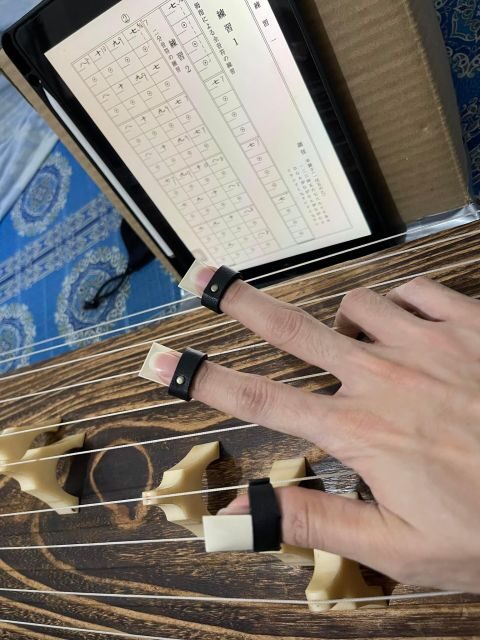
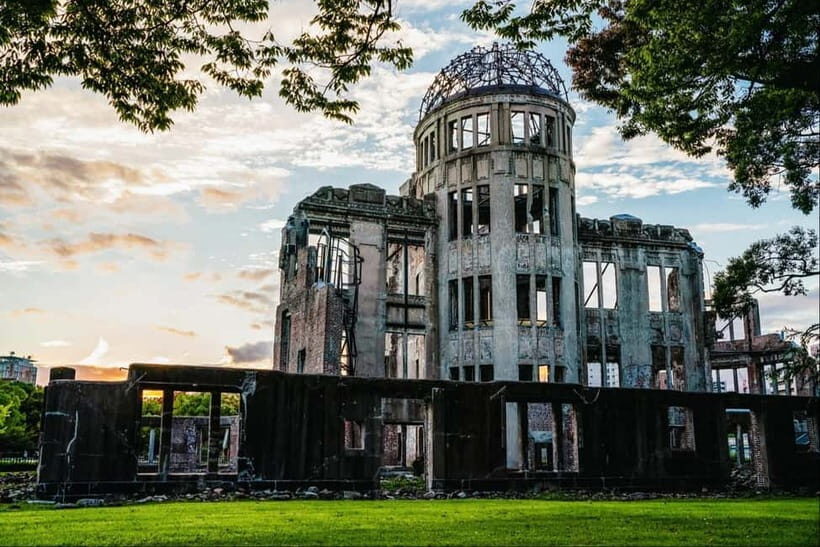
Hiroshima can feel heavy in your chest, even after you walk out of the Peace Memorial Park. This workshop gives you a different path: you sit with silence for a moment, then you make meaning you can hear.
The koto helps. It’s an elegant 13-string instrument with a sound that can be both delicate and deeply resonant, and that quality fits the workshop theme of peace. Instead of just talking about history, you learn why the instrument matters in Japanese culture, then you turn that learning into something you can play together.
And you don’t need special musical talent. The class is designed for beginners, ages 10+ and up, with teaching in English. In a place where words can fail, the goal is simple: let the music carry what you’re feeling.
A few more Hiroshima tours and experiences worth a look

Why Fukuyama’s koto craft is part of the lesson
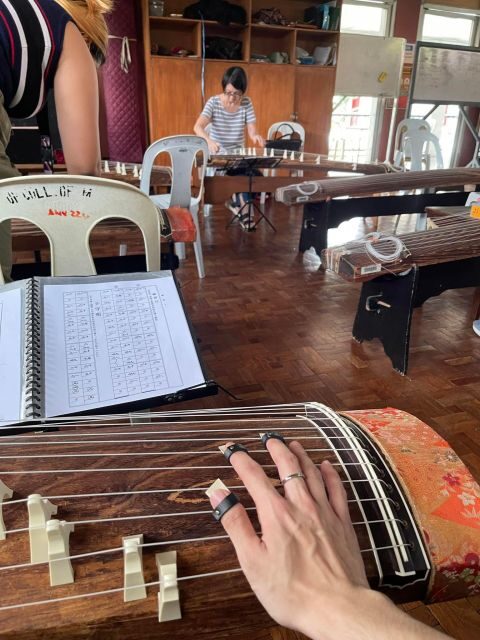
You’ll spend time learning what makes the koto more than an interesting “Japanese instrument.” The session explains the koto’s legacy, including its roughly 1,300-year history and the meaning behind different parts of the instrument. That matters because it changes how you listen while you play.
One of the most useful details is the link to Fukuyama City. This area is described as the heartland of koto craftsmanship, and you’re told that over 70% of Japan’s kotos are born there. When you know that fact, the instrument starts to feel less like a novelty you borrowed and more like something with lineage.
You also learn how different elements of the koto connect to symbolism. Even if you never become a musician, understanding design choices helps you respect the instrument. It also makes your hands-on time feel purposeful, not random.
The 90-minute structure: from posture to your first notes
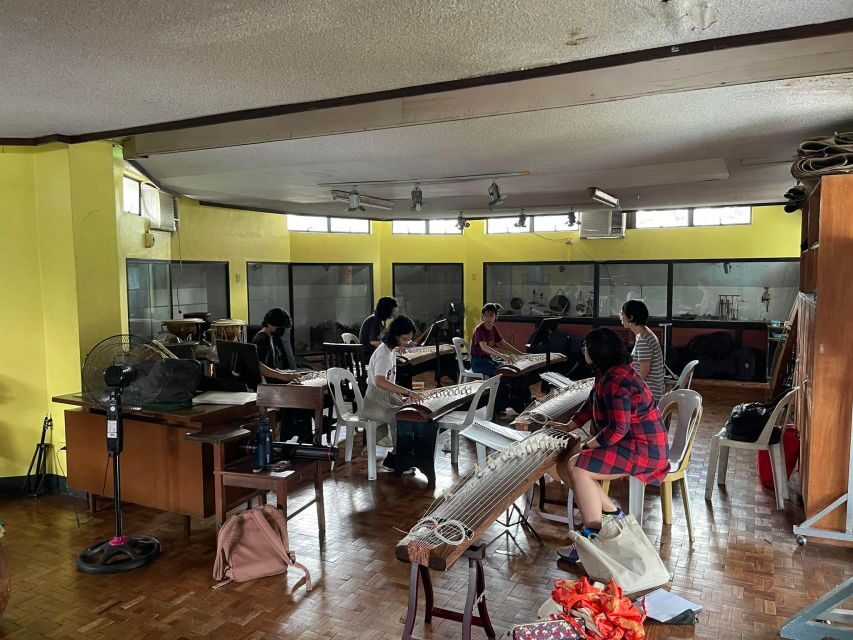
Expect a step-by-step lesson that builds from fundamentals to a complete piece. You start with how to handle the instrument properly—things like posture and basic technique—then you practice the right way to pluck the strings.
What I like about this format is that it’s paced for real beginners. You’re not expected to show up already knowing what to do. The instructor works with the group until you can play in tandem with the music.
Small group size makes a big difference here. With up to 6 participants, correction is faster and it’s easier to ask questions if something doesn’t click right away. That’s also why the lesson can move from “first time touching a koto” to “joining the ensemble” within 90 minutes.
You may also pick up early skills for reading koto music during the session. Some people have found they can learn how the notation works quickly enough to follow along during the class timeframe. Still, the main win is that you’re guided to perform as a group, not left hanging with theory.
Echo of Serenity: a peace-themed piece you learn by doing
The centerpiece of the workshop is a composition called Echo of Serenity. It honors atomic bomb victims, and it’s framed as a musical prayer for peace. Even if you don’t fully grasp every cultural layer right away, the workshop gives you context so you can connect the sound to the theme.
The teaching includes you listening to the resonance and learning how the instrument can express what words can’t. Then, you start practicing the piece with the instructor’s guidance until you can play your part.
This is the moment where the class stops being only a lesson. You’re no longer trying to figure out a foreign instrument. You’re participating in a memorial act through music—quiet, focused, and shared. The effect is real: people talk about getting chills when they hear the piece and then play it in a group setting.
Group finale and the video keepsake
The workshop ends with a group performance. You’ll play Echo of Serenity together with fellow participants, with instructor accompaniment to keep the ensemble steady. It’s a little like learning the chorus of a meaningful song and then performing it as a team.
Here’s why this part is worth paying for: you don’t just leave with memories of a calm studio. You leave with proof of your own effort. The session includes a video recording of your performance, so you can review it later and share it with family or friends.
If you’re traveling with someone, this also works well as a shared souvenir. If you’re solo, it becomes a personal keepsake that still feels connected to Hiroshima’s peace message.

The workshop vibe near Peace Memorial Park
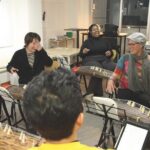
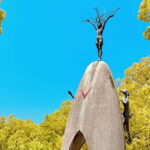
You’ll meet and take the class in a quiet studio that’s described as walking distance from Peace Memorial Park. That location isn’t just convenient—it shapes the mood. Before you play, you’re in the same area where Hiroshima’s history is impossible to ignore.
The studio setting is meant to be calm and creative, with the atmosphere of reflection built into the flow of the lesson. You get cultural context, music practice, and then a finale that lands emotionally without turning the session into a performance show.
Also helpful: the workshop runs for about 1.5 hours. That makes it easy to fit into a day that already includes museum time or memorial visits. You’re not committing a half day or more, and you’re not forcing your schedule around something that drags.
Drinks, possible koto purchase, and other practical extras
Yes, you get refreshments. After the session, there’s a free soft drink, and coffee, tea, and juice are provided during the workshop. It’s a small thing, but it helps you keep the experience relaxed—especially if you’re traveling in summer or after walking around the memorial area.
You also have an option to purchase a koto on the spot and take it home. The workshop notes that even after you return, you can continue lessons online. So if you end up falling for the sound, you’re not stuck wishing you could go further right away.
And if you’re thinking about value: the workshop fee covers a guided journey that includes instrument basics, a full piece you can perform, and a keepsake video. For many first-timers, that combination is what makes the price feel fair.
Price and value: what you really get for about $50
At $50 per person for about 90 minutes, you’re paying for three things at once: instruction, an experience with context, and a final performance moment.
Instruction is the obvious piece. You’re not just listening; you’re shown how to pluck, how to hold your position, and how to play your part. The class is designed so you can eventually play a complete piece rather than only practicing individual notes.
The context is the second value. Learning about the koto’s 1,300-year history, Fukuyama’s role in producing over 70% of Japan’s kotos, and the symbolism in the instrument turns your hands-on time into something meaningful.
Then there’s the keepsake value: the performance video and an origami crane. That crane matters in Hiroshima because it’s presented as Hiroshima’s enduring symbol of peace. It gives you something small you can carry home, but it also reinforces the theme after the last string is plucked.
Who this workshop is best for (and who may want to skip it)
This workshop fits a lot of travel styles:
- Families with kids aged 10+ who want a calm, creative activity
- Couples who want a shared cultural memory that’s not just sightseeing
- Friends and small groups who enjoy learning a skill together
- Solo travelers who want guided structure and a human pace
Beginner-friendly is the big point. If you can sit, focus for an hour, and follow step-by-step guidance, you’re in the right place.
The main reason someone might pass is if you’re looking for a longer lesson that would let you get very comfortable with the instrument. Time is limited, and the class goal is a complete group performance, not advanced technique. Also note that pets are not allowed, though assistance dogs are allowed, and the workshop does not allow alcohol or drugs.
How to plan your arrival (without making it stressful)
Meeting details are specific: if you’re coming by streetcar, you’ll get off at Tatemachi station, then walk toward YMCA. You pass landmark Tully’s coffee shop, head toward an okonomiyaki restaurant called Gokku 悟空, turn right, and follow the signs to the studio on the second floor.
It’s smart to build in a little buffer. Hiroshima center streets are easy to walk, but you’ll want time to match the directions and settle in before the lesson begins.
If you’re doing Peace Memorial Park that same day, I’d treat this workshop as a reset moment. Go when you can keep your focus. The music piece lands best when your mind isn’t split between too many stops.
Should you book this Hiroshima koto workshop?
I’d book it if you want a meaningful Hiroshima activity that isn’t just museum time. This is one of the few experiences where you learn a real instrument, perform as a group, and connect the sound to Hiroshima’s peace message through Echo of Serenity.
It’s also a strong choice for beginners because the class is in English, the group size stays small, and the goal is achievable within 90 minutes. Add in the video recording and origami crane, and you leave with something you can actually replay and share later.
Skip it only if you’re chasing advanced mastery, or if you need a child under 10 to participate. Otherwise, it’s an honest, gentle, and memorable way to carry Hiroshima’s message home—one note at a time.
FAQ
How long is the Hiroshima koto workshop?
It lasts about 90 minutes (listed as 1.5 hours).
Where is the class located?
It’s in a peaceful studio within walking distance of Peace Memorial Park in Hiroshima.
Do I need to know Japanese?
No. Instruction is provided in English.
Is it okay if I have never played an instrument before?
Yes. The workshop is designed for beginners and teaches you the basics, including how to pluck and how to sit properly for playing.
What age is the minimum?
Children must be 10 years or older.
How many people are in the group?
The group is small, limited to 6 participants.
What do I get at the end?
You’ll participate in a group performance and receive a video recording of your performance. You also take home a handfolded origami crane.
Are drinks included?
Yes. There’s free soft drink service after the session, and coffee, tea, and juice are provided.
Can I buy a koto during the workshop?
Yes, it’s possible to purchase a koto on the spot and take it home. Online lessons are also mentioned as an option.
Is cancellation free?
Free cancellation is available up to 24 hours in advance for a full refund.