REVIEW · ISHIGAKI
Okinawa Ishigaki Mangrove SUP or Canoe Tour
Book on Viator →Operated by ISHIGAKI ADVENTURE PiPi · Bookable on Viator
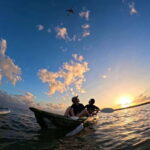
Mangroves feel calm when you paddle. This Ishigaki tour takes you along the Miyara River through mangrove forest, where the water stays sheltered and the scenery comes in quiet layers. Expect wildlife spotting, gentle guidance, and a day plan that doesn’t feel like a workout disguised as fun.
Two things I really like: you get the equipment handled for you, and you can use the hot showers afterward near Ishigaki Port. One consideration: there are age limits—SUP runs ages 3–59 and canoe runs ages 3–65—so check this before you book.
In This Review
- Key points worth knowing
- Miyara River mangroves: the calm you came for
- SUP vs canoe in Ishigaki: pick based on comfort
- Price and value: what you really get for $52.19
- Entering the water: meeting point, timing, and what to bring
- Stop 1: Miyara River Hirugi grove—how the mangroves shape your paddle
- Stop 2: Ishigaki-jima—scenery, wildlife, and photo-friendly pacing
- Guides that make it feel easy: Hiroki and Ken as examples
- Safety basics that aren’t optional
- Weather and rain: what to expect on the day
- Hot showers and post-paddle comfort near Ishigaki Port
- Who this mangrove paddle is best for (and who should reconsider)
- Should you book this Ishigaki mangrove SUP or canoe tour?
- FAQ
- How long is the Okinawa Ishigaki mangrove SUP or canoe tour?
- Where does the tour start and end?
- Is pickup available?
- Do I need to bring my own SUP board or canoe?
- What ages can join?
- What should I wear?
- What languages are the guides?
- Does the tour run in the rain?
Key points worth knowing
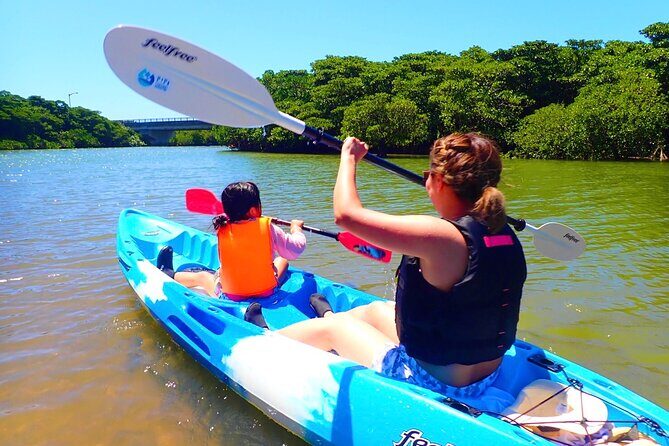
- 90 minutes of sheltered paddling on the Miyara River, good for beginners
- Gear and life jackets provided, with a clear safety briefing first
- Hot showers near Ishigaki Port after the tour (amenities not included)
- Mangrove wildlife and bird-spotting chances as you glide under the greenery
- Photos are shared after the activity, so you’re not stuck balancing your phone
- Small cap for group size: maximum 100 travelers
Miyara River mangroves: the calm you came for
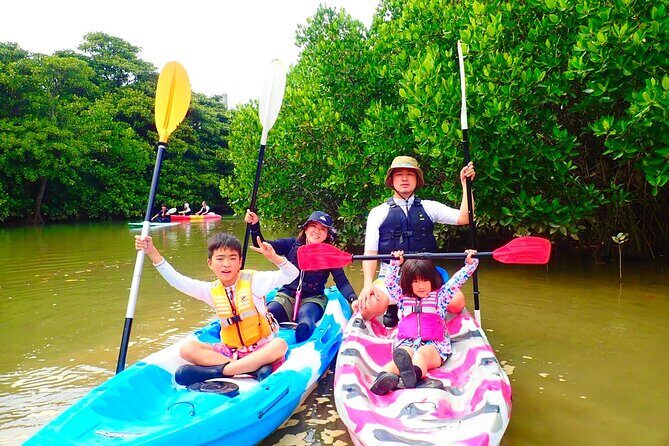
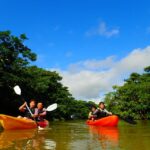
If you picture mangroves as some wild, hard-to-navigate place, this tour nudges you toward the opposite. You’re paddling a river route where conditions are typically gentle, so your focus stays where it should be: steady strokes, quiet watching, and soaking in how the ecosystem changes as you move under the trees.
The mangroves here matter because they’re an active natural habitat, not a roadside theme park. As you paddle, you’re likely to spot birds and other wildlife passing overhead or shifting along the waterline. The pace is relaxed enough that you can actually notice these moments, instead of rushing to “get to the next photo.”
And because this is SUP or canoe in sheltered waters, it’s a solid option if you want nature time without the pressure of long hikes or big ocean conditions. You’ll come away feeling like you saw something real—mangrove forest working like mangroves do.
A few more Ishigaki tours and experiences worth a look
SUP vs canoe in Ishigaki: pick based on comfort
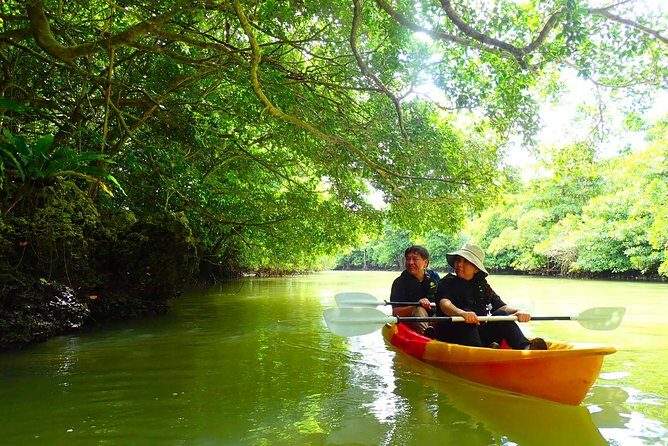
This tour offers both SUP and canoe, and choosing the right one can make the experience feel effortless.
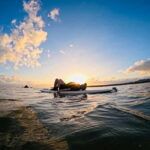
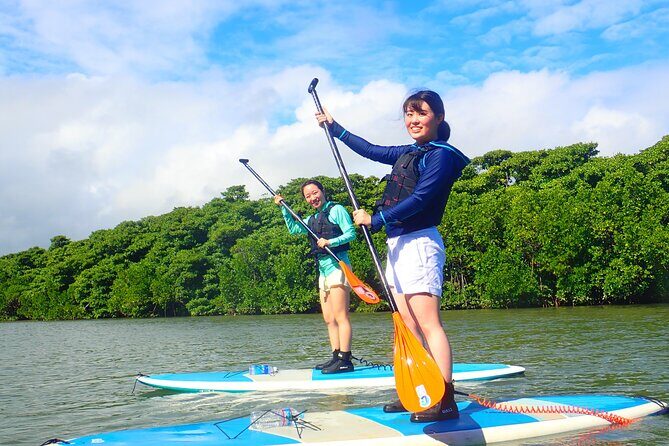
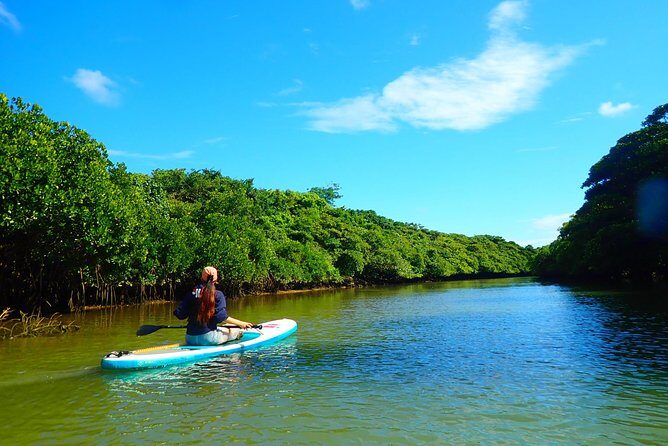
SUP (ages 3–59) is ideal if you want to feel more “hands-on” with balance and control. It’s still described as easy, and the whole point is a gentle outing, not a performance event. You’ll be using your own paddle power while moving through mangrove areas, so you get that satisfying sense of going at your own speed.
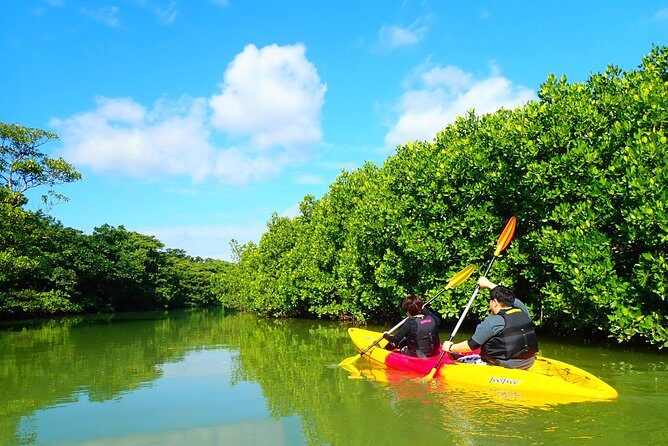
Canoe (ages 3–65) can be the better choice if you’d rather avoid the extra balance challenge of standing. If you’re traveling with kids, note that children aged 3 to 11 may be guided to use a more stable canoe depending on sea conditions and how many people are on the water that day. That flexibility is helpful if you’re trying to keep everyone comfortable.
One more practical thought: the age ranges are different. If someone in your group is near the top end, you’ll want to match the option carefully so the day doesn’t get derailed.
Price and value: what you really get for $52.19
At $52.19 per person for about 1 hour 30 minutes, you’re paying for more than just time on the water. The best value comes from the “done for you” parts:
- All necessary equipment is provided, so you’re not hunting down boards, paddles, or safety gear.
- Hot showers are available after, which matters in Ishigaki when you’ll likely leave damp and ready to change quickly.
- Photo data can be shared after the tour, so you can spend the paddling time looking around instead of trying to manage a camera at arm’s length.
There’s also an “okay, I can relax” value factor: the tour is designed as a calm outdoor activity, suitable for beginners and more experienced paddlers who want something gentle. When you’re on a guided route with life jackets and instructions, it tends to reduce the stress that comes from figuring everything out yourself.
Entering the water: meeting point, timing, and what to bring
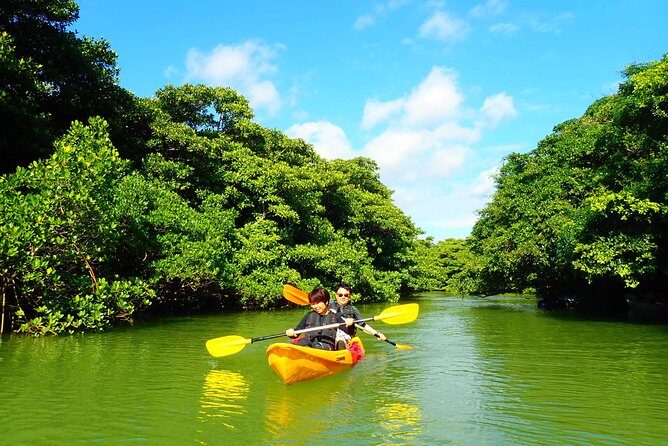
Your tour starts back at the meeting point in Ishigaki. The listed start is Ishigaki terminal, 907-0012 Okinawa, Ishigaki, Misakichō (沖縄 県 石垣 市 美崎 町). The activity ends back at the meeting point.
Pickup is offered, and it’s also described as near public transportation, which is a big help if you don’t want to fuss with taxis or complicated transfers.
Timing matters here. You’ll want to arrive on time because unnotified lateness or no-shows can lead to a fee. You’ll get meeting details by the day before, and if you don’t receive a message by 6:00 PM, you’re expected to contact using your ticket info.
For late arrivals (after 5:00 PM), the guidance is straightforward: come directly to Ishigaki Port Remote Island Terminal.
What to bring and wear is equally important:
- Wear clothes that can get wet.
- Use the restroom beforehand, because there’s no restroom on-site.
- No alcohol is allowed.
- Life jackets are required—refusing means you can be excluded from participation.
Also, tours can run in Japanese or English, depending on the day. If you prefer English, it’s worth keeping that in mind when you book.
Stop 1: Miyara River Hirugi grove—how the mangroves shape your paddle
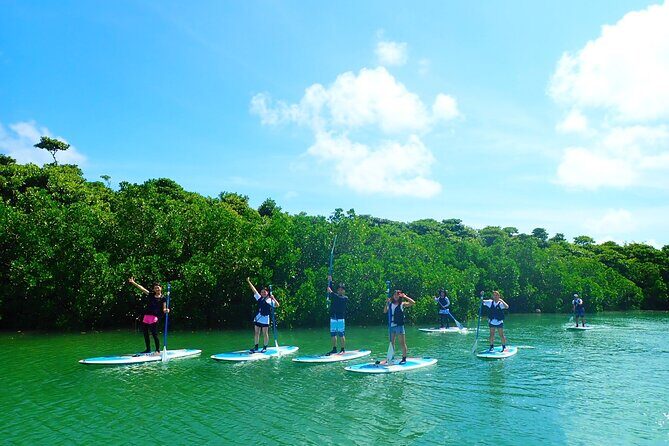
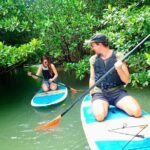
The first section of your route is the Miyara River Hirugi grove area. This is where the “mangrove feeling” starts to click: the trees frame the water, the air feels cooler near the greenery, and you start to understand why sheltered waters make such a difference for beginners.
You’ll be cruising under your own paddle power, guided on safe technique and how to handle the paddle for a calm, stable ride. The whole point is not to rush. Instead, you’re moving at a speed that lets you:
- watch for birds,
- notice wildlife activity near the waterline,
- and enjoy the quiet visual rhythm of the mangrove walls.
If you’ve never done SUP or canoe before, this is the best kind of “first try” environment. The waters are described as sheltered, and the experience is pitched as easy, which usually means the route and pacing are designed to reduce surprises.
A small practical note: weather can be a factor. The tour operates in light rain, but it may cancel if conditions aren’t safe. So it’s smart to be flexible with your schedule and keep an eye on the day’s conditions.
Stop 2: Ishigaki-jima—scenery, wildlife, and photo-friendly pacing
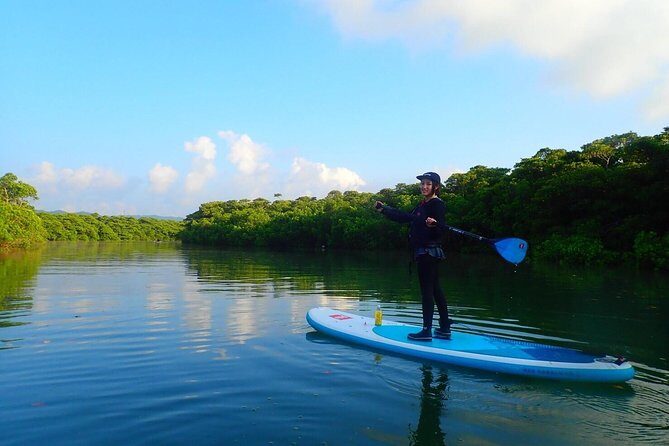
After the grove section, the route continues through the Ishigaki-jima area. This part of the trip is where your attention often shifts from “learning the paddle” to “watching the world.”
Because the tour is guided, you don’t have to guess where to go or worry about drifting into the wrong area. That gives you real freedom to look around. In mangrove zones, small wildlife moments tend to be quick—birds lift off, leaves shift, and you see movement you’d miss at a faster pace. The tour’s easy format makes it more likely you’ll catch those details.
Photo moments can happen naturally here, and the tour includes photo data sharing after the activity. That’s a win because you don’t have to constantly juggle a device while trying to stay steady on a board or balanced in a canoe.
If you care about getting good pictures but don’t want to risk dropping a camera into the water, this setup is a lifesaver. You get the benefit of “someone else is capturing this,” then you can review later.
Guides that make it feel easy: Hiroki and Ken as examples
The experience lives or dies on the guide, and this tour seems to take that seriously. In feedback, Hiroki is highlighted for making the group feel included, especially when the group includes people who speak different languages. He’s noted for speaking in both English and Japanese, which helps a mixed group stay comfortable instead of splitting into “those who understand” and “those who don’t.”
There’s also mention of Ken being especially helpful with photos—useful if you want the best angles and moments without turning the outing into a camera project.
What this means for you: even if you’re new to SUP or canoe, you can expect the instruction to be clear and the tone to be friendly. You’ll learn how to paddle and how to stay safe, then you can enjoy the ride instead of worrying about getting it wrong.
Safety basics that aren’t optional
This isn’t an extreme tour, but it still comes with firm safety rules, and I appreciate that. Here’s what to keep in mind:
- Life jacket required. Refusal may result in exclusion.
- You should follow guide instructions. That covers paddle technique and how to move safely in the water.
- Weather and light rain: it can run in light rain, but it may cancel if conditions aren’t safe.
- Alcohol is not allowed.
A tour like this can feel deceptively simple—until you remember that you’re on moving water with balance factors (especially for SUP). The life jacket requirement and the guided format keep the experience within an “easy adventure” range rather than something you have to handle on your own.
Weather and rain: what to expect on the day
The tour is described as operating in light rain. That’s good news if your Ishigaki day includes a drizzle. However, there’s also an important safety line: it may cancel if it’s unsafe.
If the tour cancels due to weather, you’ll be offered a different date or a full refund. For planning, that means you should leave some flexibility if you can—especially if your itinerary is tight.
Also remember: the schedule may vary depending on the day or weather. So don’t build a “minute-by-minute” plan right after. Leave yourself breathing room for a smooth day.
Hot showers and post-paddle comfort near Ishigaki Port
One of the easiest ways to judge a tour’s practicality is what happens after you get wet. Here, you can use hot showers near Ishigaki Port and you’ll have free use of the shower room (amenities aren’t included).
That matters because SUP and canoe tours naturally leave you damp, and mangrove routes can come with humidity. Having a place to rinse off while you’re still warm helps you feel human again before the rest of your evening.
The tour also notes that hot shower access is available after. So you can plan meals, shopping, or dinner without the “I guess I’ll just stay sticky all day” feeling.
Who this mangrove paddle is best for (and who should reconsider)
This tour fits best if you want:
- a calm outdoor activity in Okinawa,
- guided SUP or canoe with equipment provided,
- a short nature outing (about 90 minutes),
- wildlife and mangrove views without ocean-level intensity.
It’s also a good fit for people who don’t want to overthink logistics. You’ll get meeting details sent the day before, and you have a clear starting point in Ishigaki.
Who should reconsider:
- Anyone outside the age ranges (SUP 3–59, canoe 3–65).
- People who may not be comfortable following safety rules like life jacket use.
- Anyone who wants to mix alcohol into the day (not allowed).
- Anyone who can’t manage basic wet clothing—because you should wear clothes that can get wet, and there’s no restroom on-site.
If your group includes mixed experience levels or mixed languages, the guide setup seems designed to keep everyone involved. That’s a real quality-of-life factor on a short tour.
Should you book this Ishigaki mangrove SUP or canoe tour?
I think you should book it if you want an easy, guided paddle in mangrove habitat that doesn’t eat your whole day. The value is strong because equipment is provided, you get hot showers afterward, and you’ll have photo data shared so you can enjoy the ride instead of managing gear.
Skip it or plan carefully if your group includes someone who falls outside the age limits or if you need a tour that includes an on-site restroom or a more athletic, rough-water challenge. This is calm-by-design.
If your goal is a relaxed Ishigaki nature experience—mangroves, birds, gentle paddling, and a quick rinse after—this one is a very solid choice.
FAQ
How long is the Okinawa Ishigaki mangrove SUP or canoe tour?
It runs for about 1 hour 30 minutes.
Where does the tour start and end?
The tour starts at the Ishigaki terminal in Ishigaki (907-0012 Okinawa, Ishigaki, Misakichō). It ends back at the meeting point.
Is pickup available?
Pickup is offered.
Do I need to bring my own SUP board or canoe?
No. All necessary equipment is provided. Life jackets are required.
What ages can join?
For SUP, ages 3–59. For canoe, ages 3–65. Children aged 3 to 11 may be guided to use a more stable canoe instead of SUP depending on sea conditions and group numbers.
What should I wear?
Wear clothes that can get wet. Use the restroom beforehand because there is no restroom on-site.
What languages are the guides?
Tours are in Japanese or English, and may be Japanese-only depending on the day.
Does the tour run in the rain?
It operates in light rain, but may cancel if conditions are unsafe. If cancelled for safety reasons, you’ll be offered a different date or a full refund.