REVIEW · TOKYO
Tokyo: Sumo Show and Dining Experience
Book on GetYourGuide →Operated by 株式会社オーシャンズ · Bookable on GetYourGuide
Sumo in a dining room is a shock in the best way. At Tokyo Sumo Room, you get professional-style throws and rituals right in front of you, plus a host who explains what you’re seeing as you’re seeing it. I like that the show stays hands-on, not just watch-from-your-seat, and I also like the meal tie-in to chankonabe-style sumo eating. One thing to consider: if you’re only coming for food, the 3:00 PM option does not include a meal plan.
What makes this different from most Tokyo “culture shows” is the people. The experience is operated by former Makuuchi wrestler Tokitsumi, and you can feel the stable vibe: training, etiquette, and a little humor to keep it moving. It’s also designed for a range of folks, from first-timers to families who want something memorable without turning the evening into a multi-stop marathon.
In This Review
- Key moments you’ll actually remember
- Tokyo Sumo Room: Kiyosumi-Shirakawa’s sumo dojo vibe
- The sumo show: what you’ll watch and why it makes sense
- Getting in the ring: audience participation that actually feels fair
- Dinner with a sumo twist: chanko-inspired comfort food
- Price and value: what $79 buys you in real terms
- Where this experience shines for different kinds of visitors
- Practical tips before you go: shoes, camera, and energy planning
- Should you book Tokyo Sumo Room?
- FAQ
- How long is the Tokyo Sumo Room experience?
- Is the meal included?
- Do they offer vegetarian options?
- What should I bring?
- Is the instructor English-speaking?
- Can I smoke during the activity?
Key moments you’ll actually remember
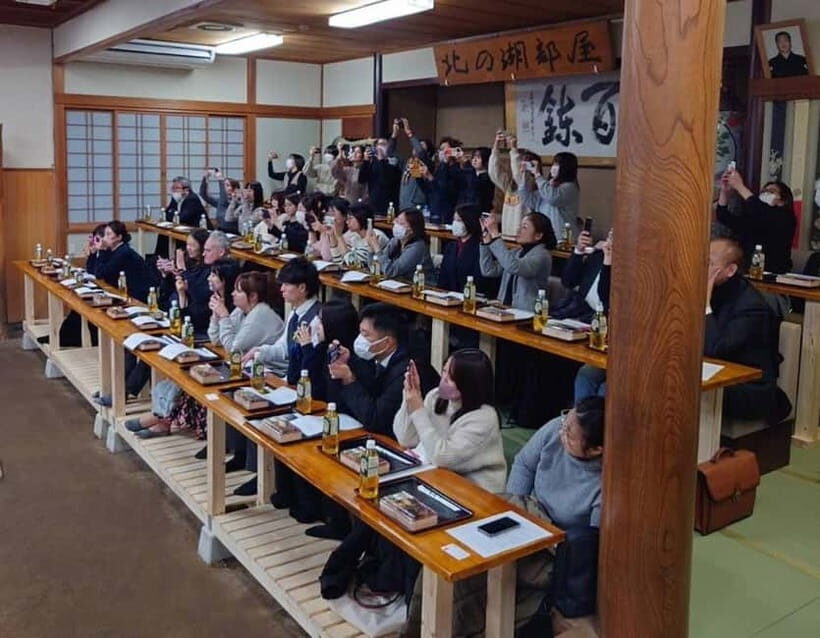
- Up-close sumo performance in an intimate setting, not a distant demo
- Retired wrestlers on the floor with you, including practice and friendly bouts
- Clear English explanations before you get into the ring activities
- Chankonabe-inspired dining (included for the 11:00 AM and 7:00 PM shows)
- Small-group feel, with seating that can stay cozy even as numbers change
- Extras that make it easier, like help with phones and recording in the ring
Tokyo Sumo Room: Kiyosumi-Shirakawa’s sumo dojo vibe
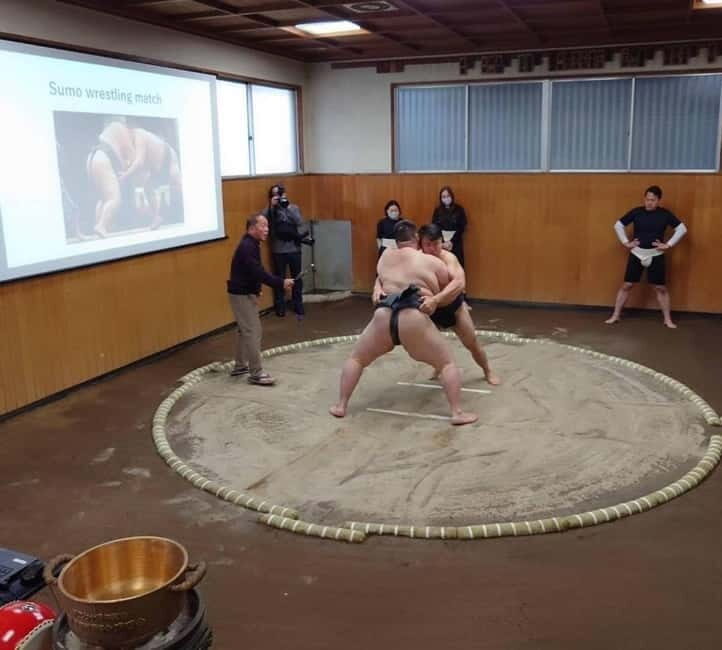
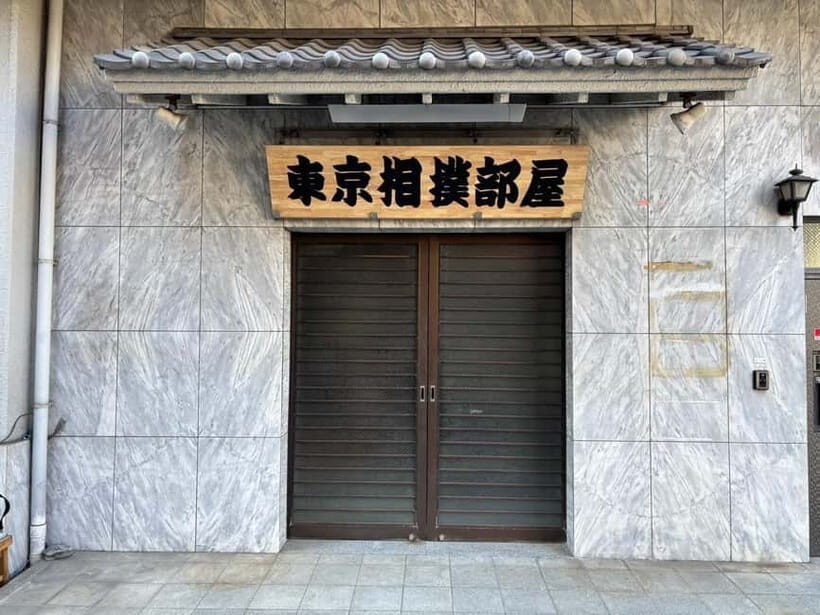
Tokyo has a way of making you think you’ve found one thing, only to discover a different world behind the door. Tokyo Sumo Room sits in Kiyosumi-Shirakawa, and the whole setup feels like a working stable turned into a visitor-friendly stage.
The biggest clue is the cast. This isn’t just an MC reading facts off a card while performers do a routine. It’s run by retired sumo talent, so the explanations match the reality of training. Tokitsumi’s connection matters here because you’re getting the “why” behind the moves, not only the “what.”
The room itself tends to feel close to the action. Many show nights have that small, almost living-room energy. That closeness changes everything: you can see the pace, hear the footwork, and notice the rhythm of the pre-bout rituals. If you’ve ever watched sumo on TV and thought it looked slower than it should, being near it fixes that instantly.
A few more Tokyo tours and experiences worth a look
The sumo show: what you’ll watch and why it makes sense
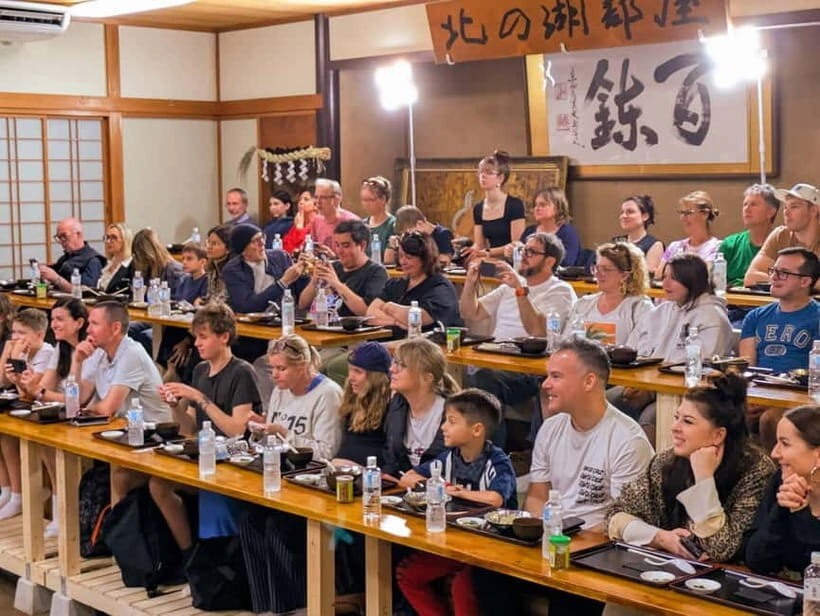
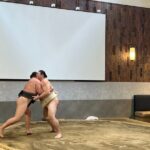
The show is built like a story. You start with a short introduction to sumo rules and traditions, so the ring isn’t just a square of shouting. Then the action starts and the explanations land in real time.
What you’re watching goes beyond entertainment. The wrestlers show the power and skill that makes sumo what it is: balance, timing, and technique that looks simple until you try it. One recurring theme from participant feedback is how quickly people realize how strong these athletes are. Even if you’ve worked out before, you’ll still feel outmatched once you’re in the same space.
The other part I appreciate is that the humor isn’t tacked on. It’s used to keep the energy light while still teaching you what matters. You’ll likely get a few laughs, but you’ll also leave knowing the basics of how matches work and what the ceremonial bits mean.
Getting in the ring: audience participation that actually feels fair
Here’s the deal: this is not a passive show. A major reason people love it is the chance to practice and simulate bouts with the wrestlers. That can be thrilling if you’re game, and it’s also a fun way to see sumo mechanics without needing years of training.
You’ll be guided by the staff and the rikishi (sumo wrestlers). The tone is friendly, not scary. Several participants mention that the wrestlers and hosts kept things organized and safe, and that the training-style interactions felt like a real mini-session, not a chaotic free-for-all.
You may wear traditional mawashi during the ring activities. One review notes it isn’t as uncomfortable as people fear, but don’t expect a fashion moment. Expect effort. Even the warm-up style moves can feel like a workout when you’re trying to move like a sumo wrestler while someone far stronger is coaching you.
Also, do not underestimate footwork. In sumo, stability is everything. When you’re standing on a ring surface and trying to push, slip, and reset, you learn fast that balance is the secret weapon.
If you’re traveling with kids, this is one of the easiest ways to turn “we saw sumo” into an actual experience they remember. Families repeatedly mention that the participation is a highlight.
Dinner with a sumo twist: chanko-inspired comfort food
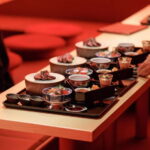
One of the smartest choices here is that food isn’t treated as an afterthought. The meal is designed to complement the sumo theme, with chankonabe-inspired dishes referenced as part of the menu concept.
That said, timing matters. The included Japanese cuisine is tied to selecting a meal option for the 11:00 AM and 7:00 PM shows. For the 3:00 PM show, there’s no meal plan available.
What can you expect? The descriptions point to seasonal items and hearty sumo-style comfort. A hot-pot angle comes up, which matters because sumo athletes’ eating culture is built around hearty meals that fuel training. If you enjoy Japanese comfort food, this fits the mood of the evening.
Portion size gets positive comments too. People mention seconds and multiple helpings, which is a good sign if you’ve had a day of sightseeing and you’re ready to eat like you mean it. Some mentions also include sake alongside the meal, though you should treat drink options as something to confirm at the venue.
If you have dietary needs, you’re not stuck. Vegetarian options are available upon request and can be modified on the day of your visit. That flexibility is useful because Japan travel can be tricky when you need adjustments made quickly.
Price and value: what $79 buys you in real terms
Let’s talk money without hand-waving. The price is $79 per person, and the duration is typically 90 minutes to 2 hours. For Tokyo, that’s in the “worth it if you’re doing an experience, not just eating” zone.
Why does it feel fair?
- You’re paying for more than a performance. You get instruction, live demonstrations, and participation with retired wrestlers.
- You may also get the meal, depending on which show time you choose. When you select the meal option for 11:00 AM or 7:00 PM, the dining component is part of the package.
- The staff effort matters. Multiple notes describe a host with strong English and an energetic, friendly approach.
So the value question isn’t only “Is sumo cool?” It’s “Do you want to be part of it?” If yes, the price makes sense because you’re not only watching; you’re actively learning the physical side of sumo.
If you’re coming strictly for a sit-down dinner, choose the show time carefully. The meal inclusion is not universal across all departures.
A few more Tokyo tours and experiences worth a look

Where this experience shines for different kinds of visitors
This is a strong fit for:
- First-time sumo fans who want rules and traditions explained in plain English
- Active travelers who like doing something physical, even if it’s beginner-friendly
- Families who want a single stop that’s fun for kids and adults at the same time
- Small-group lovers who prefer a cozy setting over a packed theater
It’s also a good call if you care about authenticity of intent. The operation by retired wrestlers gives it a more grounded feel than commercial “let’s put on a show” venues.
If you want a quiet, camera-free evening, this may not be your ideal fit. Participation is a big part of the event energy. But if you’re comfortable being a little silly in the ring, you’ll probably have a great time.
Practical tips before you go: shoes, camera, and energy planning
This is one of those activities where small prep makes a big difference.
Bring:
- Comfortable shoes (you’ll be moving)
- A camera (there’s plenty to capture, including ring moments)
Not allowed:
- Smoking indoors (keep it outside)
A couple of helpful planning notes based on what the experience is like:
- Wear clothing that lets you move easily. You don’t need “sporty” gear, but you do need freedom of movement.
- Be ready for participation. If you show up thinking you’ll only watch, you may still end up doing a simpler involvement activity.
- If your group includes different ages or fitness levels, the structure tends to flex. The hosts keep the flow organized, and that matters in mixed groups.
One more convenience: some participants mention the team helping with phone charging and even recording ring moments. That’s not something you should bet your whole plan on, but it’s a good sign the staff understands travelers want proof of what they did.
Should you book Tokyo Sumo Room?
Book it if you want sumo in a format that’s closer to training life than a theater show. The combination of up-close action, English explanations, and the chance to participate with retired wrestlers is the core value. It’s also a great use of a Tokyo evening because you get culture, movement, and a meal tie-in without hopping around the city.
Skip it (or at least think hard) if you’re only interested in watching quietly or if the meal is your main goal and you’re considering the 3:00 PM slot. In that case, double-check what’s included for your specific show time before you commit.
If you like the idea of learning sumo while physically trying the basics, this is one of the more memorable, payoff-heavy activities you can choose in Tokyo.
FAQ
How long is the Tokyo Sumo Room experience?
It runs about 90 minutes to 2 hours, depending on the starting time and the flow of your session.
Is the meal included?
Japanese cuisine is included only when you select the meal option for the 11:00 AM and 7:00 PM shows. For the 3:00 PM show, there is no meal plan available.
Do they offer vegetarian options?
Yes. Vegetarian options are available upon request and can also be modified on the day of your visit.
What should I bring?
Bring comfortable shoes and a camera. That’s what’s recommended for the experience.
Is the instructor English-speaking?
Yes. The instructor is listed as English.
Can I smoke during the activity?
No. Smoking indoors is not allowed.