REVIEW · TOKYO
Authentic Geisha Performance with Dinner in Tokyo
Book on Viator →Operated by Japan Awaits · Bookable on Viator
A geisha dinner feels like time travel. In Asakusa, you sit down for a small-group kaiseki meal while geishas perform classic arts and you get help from an English interpreter. It’s an evening that turns Tokyo sightseeing into something more human and interactive.
I really like the chance for real conversation and Q&A, not just watching from afar. I also like the structure: you’re guided through etiquette and served an elegant multi-course dinner while the entertainment stays connected to the arts of the evening.
One thing to consider first: the restaurant involves stairs, and the event isn’t set up to be easy for mobility needs. If you want a smooth, low-effort night, this might be a mismatch.
In This Review
- Key Highlights You’ll Actually Care About
- The Asakusa Ryotei Setting: Why This Location Matters
- Kaiseki Dinner at Sansyūya: Elegant Food With a Real Rhythm
- The Geisha Performance: Traditional Arts, Plus Participation
- English Interpreter Support: Where the Night Gets Personal
- What the Evening Feels Like From Start to Finish
- Price and Value: Is $239.83 Worth It?
- Logistics in Tokyo: Timing, Meeting Point, and Finding Sansyūya
- Who Should Book This Geisha Dinner (and Who Might Not)
- Should You Book This Geisha Dinner With Dinner in Tokyo?
- FAQ
- What time does the geisha dinner start?
- How long is the experience?
- Where does the dinner take place?
- What’s included in the price?
- Is transportation included?
- Can children participate?
- Is there an all-you-can-drink option?
- Do I need to fill out any forms after booking?
- What if I need to cancel?
Key Highlights You’ll Actually Care About
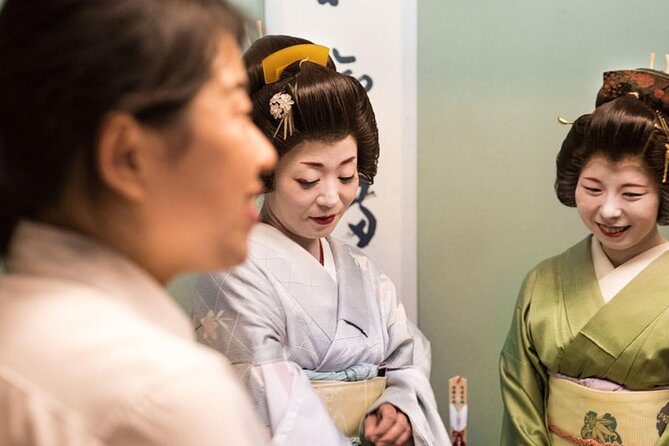
- Asakusa ryotei setting (Sansyūya) for a traditional dinner atmosphere
- Multi-course kaiseki dinner served alongside the performance
- English interpreter support for etiquette and back-and-forth conversation
- Photo moments and geisha games that turn the night into an event, not a lecture
- Small-group format (maximum 15) that helps keep attention on you
- Non-smoking seating indoors, with smoking areas outside and stairs to reach the space
The Asakusa Ryotei Setting: Why This Location Matters
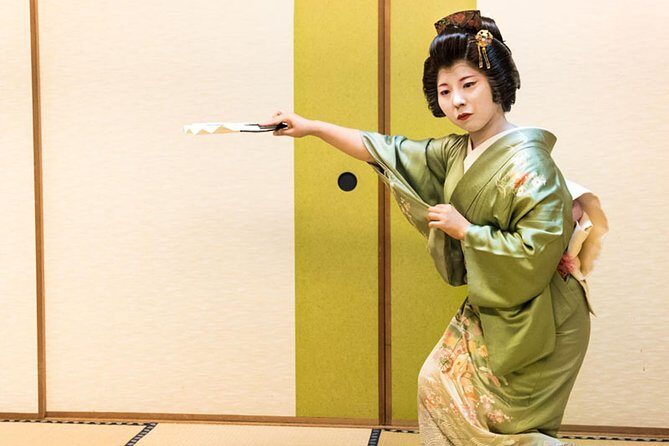
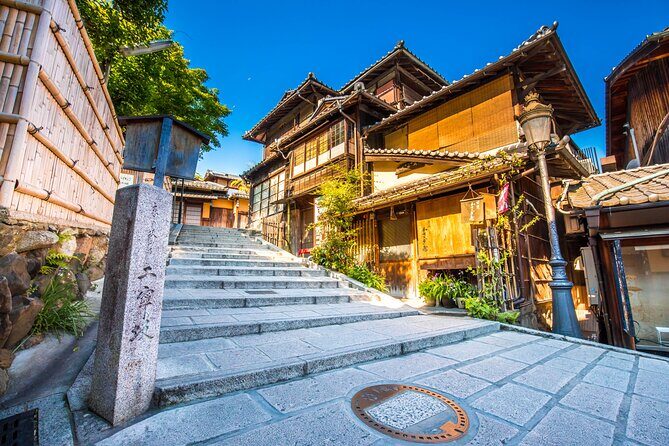
This experience happens in the Asakusa area of Tokyo at a traditional restaurant (a ryotei) called Sansyūya. Ryotei are built for ceremony-style dining, where pacing and formality are part of the meal. That matters, because the evening is designed as more than dinner-and-a-show.
You start at 6:00 pm, so the vibe shifts from daytime Tokyo energy to something calmer and more focused. Also, this timing is nice if you want your afternoon free for other plans rather than rushing from one booking to the next.
Group size is kept fairly tight, with a maximum of 15 travelers and an event range of about 6–20. In practice, that usually means less waiting and more chances for questions through the interpreter.
A few more Tokyo tours and experiences worth a look

Kaiseki Dinner at Sansyūya: Elegant Food With a Real Rhythm
You’ll be served a multi-course Japanese dining course with the geisha entertainment running alongside it. In other words, the meal isn’t just background noise; it’s part of the flow of the evening, with you settling in, eating, and then being pulled into small moments of interaction.
A key thing to know: the menu can include items like sashimi (one of the reviews specifically mentions it). That’s great if you’re fine with raw seafood, but it’s something to flag early if you have dietary restrictions. One unhappy review centered on a mismatch between needs and what was served, so don’t assume every request will be handled automatically.
Food quantity comes up a lot in feedback. People describe the course as plentiful—more than expected—so go easy at lunch. The upside is that you’ll leave having tried a real spread, not just a token dinner.
The Geisha Performance: Traditional Arts, Plus Participation
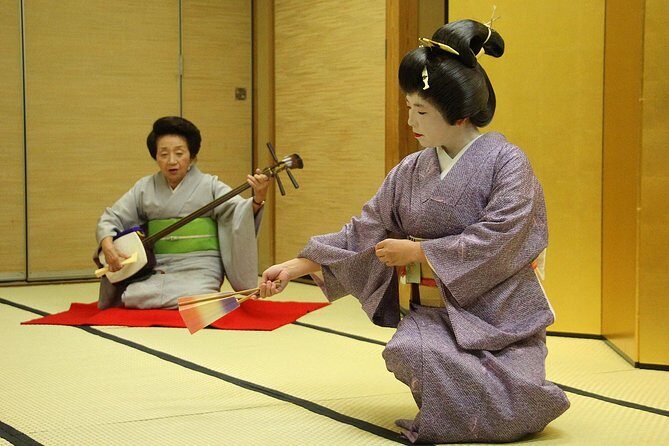
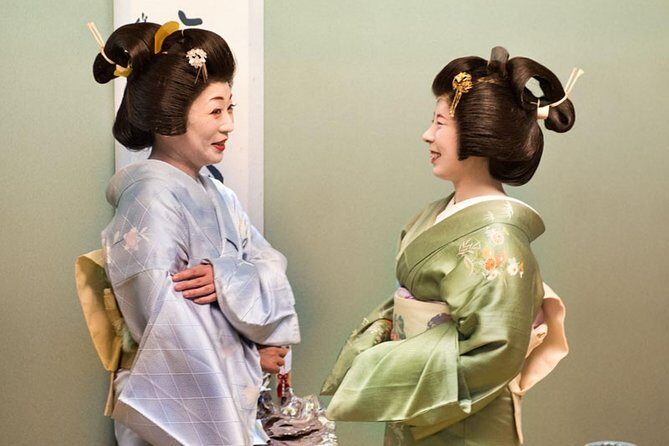
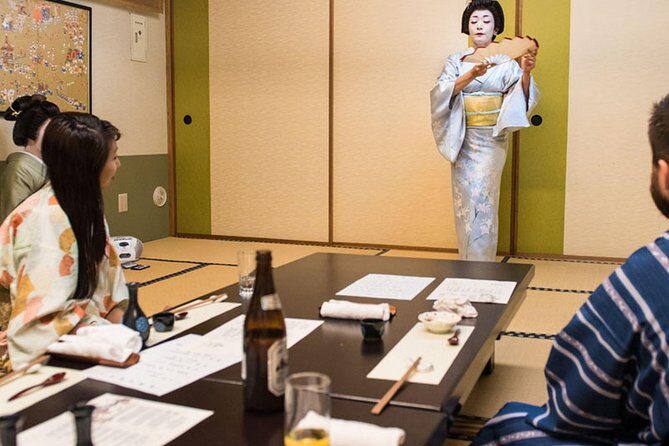
The heart of the night is the live geisha performance, with entertainment drawn from traditional arts: dance, music, and the communication style geisha are trained in. Even if you’ve seen videos before, this format feels different because you’re in the room, watching the timing and gestures at close range.
You may also notice that the event includes photo opportunities and commemorative moments. Those parts matter because they turn the evening into memories you can actually bring home, rather than only having a vague recollection of a performance you watched.
In several accounts, there’s also a playful element: geisha games, including drinking games. People describe it as fun and surprisingly social, with the interpreter helping keep everything moving. The games are usually light entertainment, but they also give you a clearer window into etiquette and interaction—part of what makes the night feel like it has a point.
A small detail that can change: depending on availability—especially when dates are busy—there may be only one geisha instead of multiple performers, and the venue may change based on group size. That doesn’t have to reduce your enjoyment, but it’s good to expect variation rather than assuming the exact lineup every time.
English Interpreter Support: Where the Night Gets Personal
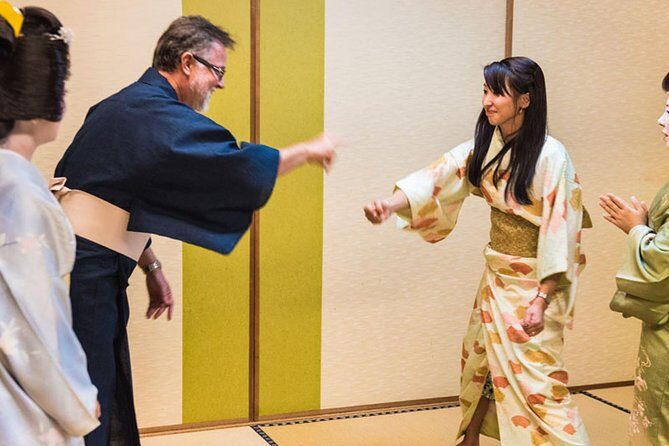
This experience includes an English interpreter, and that’s one of the biggest value drivers. Without translation, a geisha event can turn into you watching beauty and meaning but missing the conversation threads. With interpretation, you get explanations about what you’re seeing, and you can ask questions.
It also helps with etiquette. The interpreter role isn’t only translating words; it’s guiding you through the timing of interaction—when it’s appropriate to ask, how to respond, and how to understand what’s happening during the performance.
Past bookings mention interpreters by name, including Musuko Igarashi and Mami H, and those examples show the range of personalities you might meet. The takeaway for you: plan to speak up. If you’re curious, ask about training, the arts, or what an evening like this looks like from the inside—because the structure is meant to make conversation possible.
What the Evening Feels Like From Start to Finish
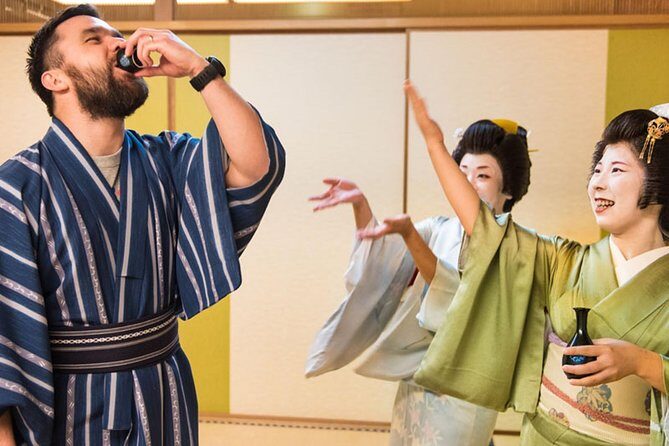
When you arrive, a host greets you at the restaurant. From there, the evening is paced like a proper dinner: you settle into your small group, start moving through courses, and then the entertainment comes in.
Most of the interaction is concentrated around the geisha’s performance and the interpreter-facilitated chat. Several accounts highlight that the Q&A and direct conversation time can be a standout moment—people say they felt lucky to get a chance to ask questions rather than only watch.
There are also extra social touches: games, photo moments, and time with the geisha during the flow of the meal. If you like structured evenings where you’re not left guessing what’s next, this format should suit you.
One more practical note: seating is chair seating by default, but the venue involves stairs. So your comfort level hinges on mobility and your willingness to use the stairs at the start.
A few more Tokyo tours and experiences worth a look


Price and Value: Is $239.83 Worth It?
At $239.83 per person, this isn’t a casual splurge. But you’re paying for several things at once:
- an elegant multi-course kaiseki meal
- an authentic geisha performance
- an English interpreter
- photo opportunities and commemorative moments
- a small-group experience with attention to etiquette and timing
If you’ve ever paid for a standalone dinner show in Tokyo, you’ll likely recognize the pricing logic. What makes this one feel like better value is the added layer of conversation and games, plus the interpreter-led cultural context.
That said, value is personal. If you expect a museum-style explanation with deep historical detail, you may find the night is more about ceremony and interaction than long lectures. And if you have strict dietary requirements, the best way to protect your value is to communicate them early so you don’t end up with dishes you can’t eat.
Logistics in Tokyo: Timing, Meeting Point, and Finding Sansyūya
This booking is timed: start at 6:00 pm, and the whole experience runs about 2 hours. That’s a manageable block, and it’s long enough for a full dinner course plus performance and games.
Transportation is not included, so you’ll need to plan your own way to Sansyūya. One review specifically called out how tricky the location can be even when using Google navigation, describing an entry that requires going up multiple floors and approaching from the side. That lines up with the “stairs” warning and your best strategy is simple: give yourself extra time to arrive early and avoid the stress of being late.
Also remember: the experience uses a mobile ticket. Keep your phone charged and ready when you arrive.
Non-smoking seating is the rule indoors, and smoking is allowed only in designated outside areas. If you smoke, plan a quick break before you settle in.
Who Should Book This Geisha Dinner (and Who Might Not)
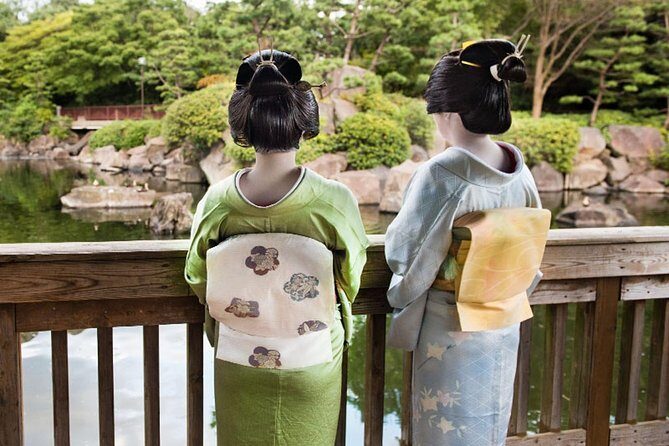
This fits best if you want a Tokyo evening with real cultural interaction. If you’re the type who likes structured plans, conversation through translation, and a dinner that feels ceremonial rather than random, you’ll probably enjoy the format.
It’s also a good choice for:
- couples looking for a date-night experience that feels special
- culture lovers who want more than a performance video
- people who like being guided through etiquette
There are a couple of reasons you might hesitate:
- If stairs are a deal-breaker for you, this may not be comfortable even with chair seating.
- If you have strong dietary needs, consider speaking up clearly and early. The menu can include raw items, so it’s worth not gambling on flexibility.
One more note: it’s a group dinner experience for about 6–20. Even though there’s a maximum of 15 travelers, it’s still a shared evening. If you want zero group dynamics, private dinner events for your group are available upon request.
Should You Book This Geisha Dinner With Dinner in Tokyo?
I’d book it if you want a traditional ryotei evening where dinner, performance, and conversation move together. The combination of a multi-course kaiseki meal, interpreter support, and participation (including games and photo moments) is the reason the experience gets such strong ratings.
I’d think twice if you need step-free access, or if you have dietary restrictions that require cooked-only and very specific handling. In that case, your best move is to treat your dietary needs as a priority item before the night starts.
If you can handle stairs and you’re excited to ask questions and play along, this is one of the clearer ways to spend an evening in Tokyo that doesn’t feel generic. Book it with realistic expectations, arrive early, and go in curious about the people and the arts rather than chasing a perfect fantasy version of geisha culture.
FAQ
What time does the geisha dinner start?
The experience starts at 6:00 pm.
How long is the experience?
It runs about 2 hours (approx.).
Where does the dinner take place?
The dinner is at Sansyūya, a traditional restaurant (ryotei) in the Asakusa area of Tokyo.
What’s included in the price?
You get an elegant Japanese dining course, an authentic geisha performance, an English interpreter, and photo opportunities and commemorative moments.
Is transportation included?
No. Transportation to and from attractions is not included.
Can children participate?
Children must be age 10 or older and accompanied by an adult.
Is there an all-you-can-drink option?
An all-you-can-drink option (nomihodai) is available for groups of 10 or more for 2,900 JPY per person, payable in cash at the venue. For groups of 9 or less, it’s not available.
Do I need to fill out any forms after booking?
Yes. After booking, you’ll receive a link to the Geisha Form within 24 hours. You need to complete it accurately at least 10 days before your tour date.
What if I need to cancel?
The experience is listed as non-refundable and cannot be changed. Cancellation fees may apply depending on how far in advance you cancel.