REVIEW · TOKYO
Tokyo Mt Fuji 5th St & Hakone Cruise Bus Tour w/Bullet Train
Book on GetYourGuide →Operated by Japan Panoramic Tours · Bookable on GetYourGuide
Fuji in one long day feels wild. This tour stitches together Mt. Fuji 5th Station, Hakone ropeway, Lake Ashi cruising, and a Shinkansen return to Tokyo, with an English-speaking guide and onboard Wi-Fi so the whole plan actually feels doable. Guides like Lisa and Aya show up often in this program, and the energy you hear on the bus is part of what makes the day work.
I love how much is included for the price. You get the Hakone ropeway ticket, the Lake Ashi cruise ticket, a buffet lunch option (if you choose it), and a guided day that also covers your transport in a deluxe coach. I also like the communication layer: English live guidance plus audio headsets in Spanish, French, Italian, German, Portuguese, and Ukrainian.
My main caution is the timing and the weather. You are dealing with a mountain, so Fuji access, ropeway operation, and even the lunch timing can shift, and some alternatives replace specific planned stops.
In This Review
- Key highlights you will notice
- How Mt. Fuji, Hakone, and the Shinkansen fit into one 10-hour plan
- Where you start in Tokyo (and what that means for convenience)
- The deluxe coach ride: Wi-Fi, headsets, and why it helps on a long day
- Mt. Fuji 5th Station: sacred atmosphere, altitude, and photo chances
- Lunch with a view: good value if you time it right
- Hakone ropeway to Lake Ashi: the view-first rhythm that keeps the day fun
- The Lake Ashi cruise: what it’s like even when Fuji hides
- Getting back to Tokyo on Shinkansen: ending strong instead of stuck
- Value for $154: what you’re really buying
- Weather, traffic rules, and why substitutions should be part of your plan
- Who should book this Fuji and Hakone day trip
- Should you book it? My practical recommendation
- FAQ
- How long is the Mt. Fuji 5th Station and Hakone cruise bus tour?
- Where do you get picked up in Tokyo?
- Is lunch included, and are dietary options available?
- What happens if the tour can’t reach the Mt. Fuji 5th station?
- Does the tour include a bullet train ride back to Tokyo?
- What languages are available for audio headsets?
Key highlights you will notice
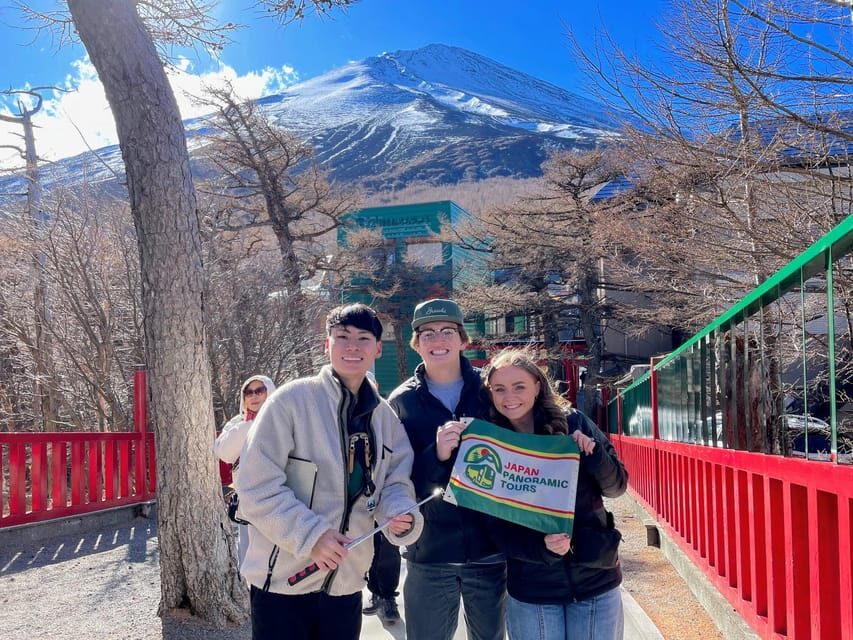
- One-day Mt. Fuji + Hakone combo: the ropeway views and Lake Ashi cruise balance the sacred mountain time.
- Comfort-first transit: air-conditioned deluxe coach with Wi-Fi and audio headsets for clarity on the go.
- Actual ascent time at altitude: the goal is the 5th station at about 2,000 meters, with a sacred shrine stop built in.
- Shinkansen makes the day feel lighter: you end with a quick train hop back into Tokyo, not another long bus ride.
- Weather-proofing exists: if the mountain or ropeway won’t cooperate, there’s a built-in substitute plan.
How Mt. Fuji, Hakone, and the Shinkansen fit into one 10-hour plan
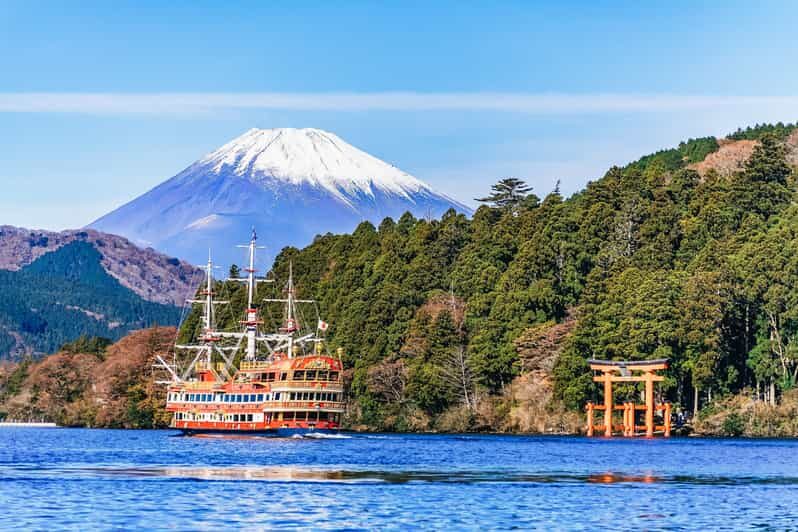
This is the kind of day trip that makes sense if your Tokyo time is short and your must-do list includes both mountain views and a classic hot-springs region. The route is designed so you’re not stuck figuring out connections, schedules, or language gaps on your own.
The Shinkansen part is a big deal for value. It is one-way from Odawara back to Tokyo Station, and the ride time is listed around 40 minutes, which keeps the day from dragging late. You go from “mountain day” mode back into “Tokyo evening” mode fast.
You’ll want to treat this as a high-efficiency sightseeing day, not a slow, lingering one. The stops are packed because the goal is to cover Mt. Fuji area + Hakone sights + cruise + train in a single window.
You can also read our reviews of more boat tours in Tokyo


Where you start in Tokyo (and what that means for convenience)
Meeting points vary by option, but you can often start from Matsuya Ginza or the LOVE statue area in Ginza, with pickup also mentioned around the Love statue in Shinjuku. You do not get hotel pickup or hotel drop-off, so you’ll plan around your nearest subway stop.
Why this matters: it helps you save money and avoid extra transfer time. It also means you should arrive early to your chosen pickup point with enough cushion for the group to assemble.
If you’re staying near central stations, this can be smooth. If you’re far out in the suburbs, double-check the meeting point so you’re not adding a stressful commute before the tour even starts.
The deluxe coach ride: Wi-Fi, headsets, and why it helps on a long day
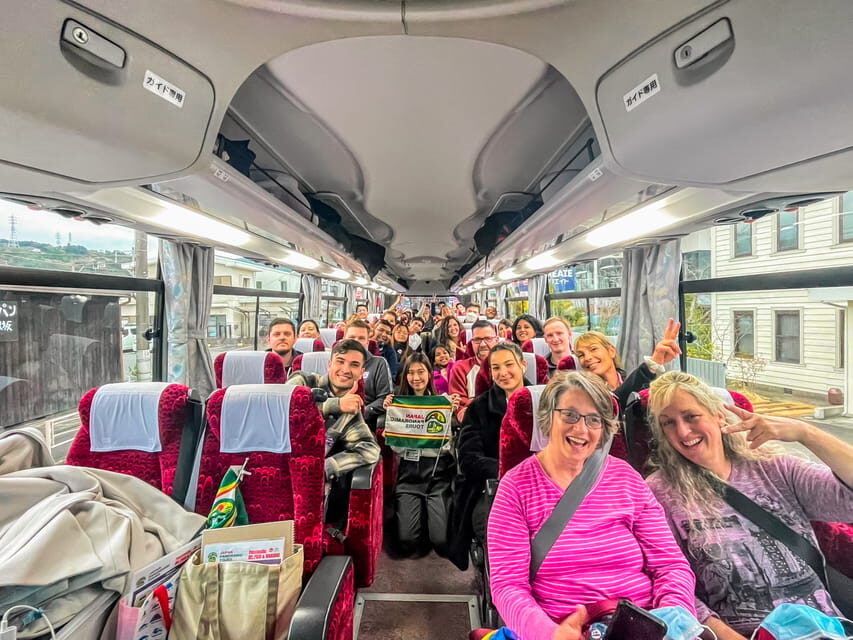
The trip uses an air-conditioned deluxe coach with Wi-Fi on board. That sounds small until you realize it gives you a buffer for the mountain time later, especially if your phone batteries are already low from navigating Tokyo.
You’ll also have audio headsets available in multiple languages. The tour guide is English live, but the headsets (Spanish, French, Italian, German, Portuguese, and Ukrainian) can help you catch details without constantly leaning in.
In real terms, this improves the experience because you’re not just moving from stop to stop. You’re getting context while you’re riding between Fuji and Hakone.
Mt. Fuji 5th Station: sacred atmosphere, altitude, and photo chances
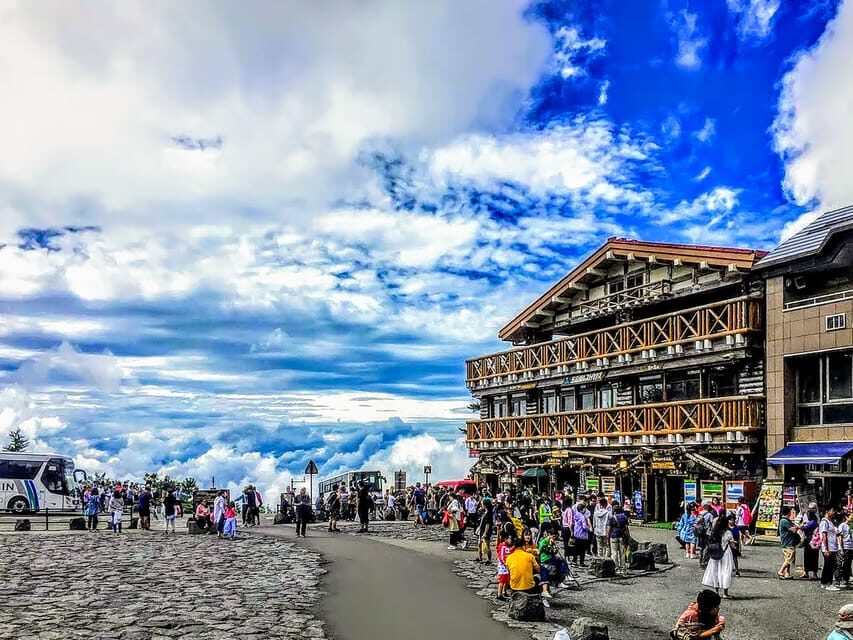
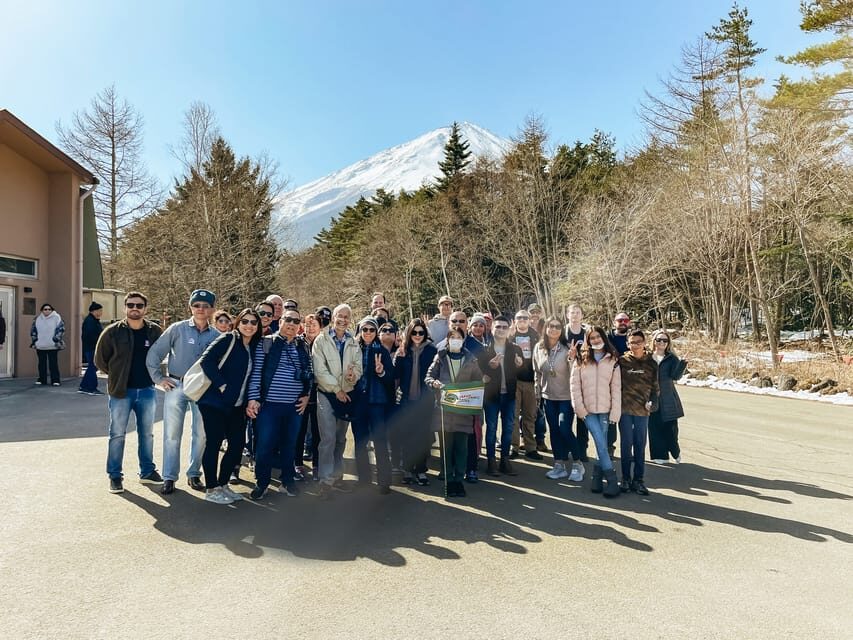
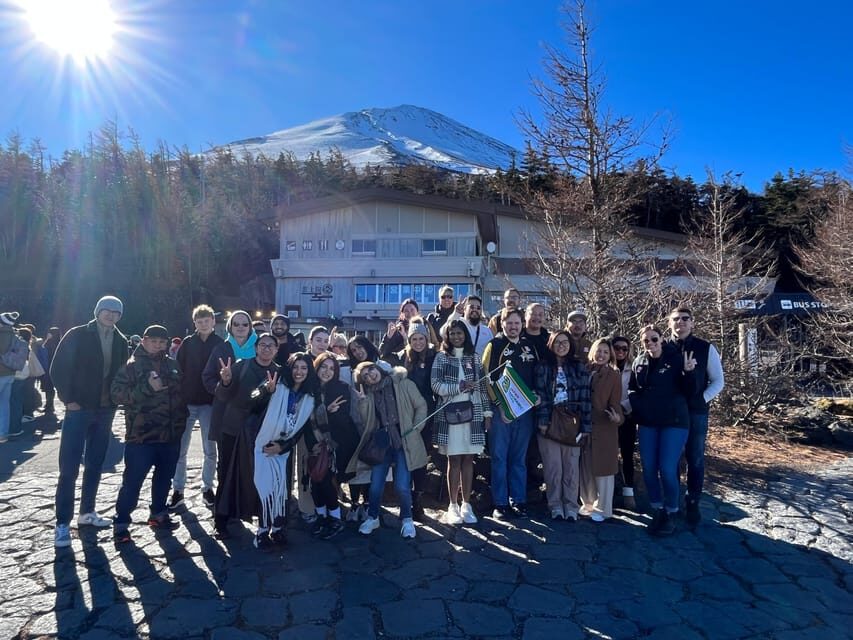
Mt. Fuji is a UNESCO World Heritage site since 2013, and the goal here is to reach the 5th station, located around 2,000 meters above sea level. That altitude shift is part of the experience; the air feels different, the terrain changes fast, and the whole area has a serious, spiritual tone.
The plan also includes a stop at a Japanese Shinto shrine after you step out near the station. Even if you don’t read Japanese, the atmosphere is easy to understand: people come with the intention of respect, and the guide adds meaning so it doesn’t feel like a random photo stop.
Weather changes everything. If conditions prevent going beyond the 4th station, your group will visit an alternative scenic spot such as Oshino Hakkai or another pre-arranged option. This is one of the reasons to book with realistic expectations: you’re not controlling cloud cover.
A practical note from winter-season experiences in the feedback: it can be freezing up there. Warm clothing matters more than you think, even if Tokyo is mild that day.
Lunch with a view: good value if you time it right
After the Fuji time, the coach heads to a buffet lunch spot with mountain views. The lunch is described as a Japanese buffet with fresh local ingredients, and you can request vegetarian options if you book in advance.
Important eating detail: vegetarian lunch is available, but it is described as no meat, no alcohol, and no seafood. Halal and vegan meals are not available, so plan accordingly if you have strict dietary needs.
One thing to watch is the lunch timing. In at least one case, lunch was served at 11am, which can feel early when the rest of the day keeps moving. If you tend to snack lightly between meals, bring a backup snack you can keep in your day bag.
The upside is that buffet lunch helps you avoid hunting for food in the countryside. You also get a warm break from cold air, which keeps the rest of the day more enjoyable.




Hakone ropeway to Lake Ashi: the view-first rhythm that keeps the day fun
Hakone is the classic hot-spring and resort area, and this tour anchors it with a ropeway ride and a cruise on a caldera lake. Depending on the schedule, you may visit either Hakone or Hakone-Komagatake for the ropeway connection.
On clear days, you get panoramic views and sometimes can spot Mt. Fuji from the Hakone side. On the less-perfect days, you still get the ride itself, plus the feeling of moving through high, changing terrain.
Ropeways can also be affected by wind and conditions. If something stops operating, the tour’s approach is to swap in alternatives or adjust the route while keeping the day intact. One example from the feedback: when the cable car line was too long due to a holiday, the guide arranged a different activity like sake tasting or shopping.
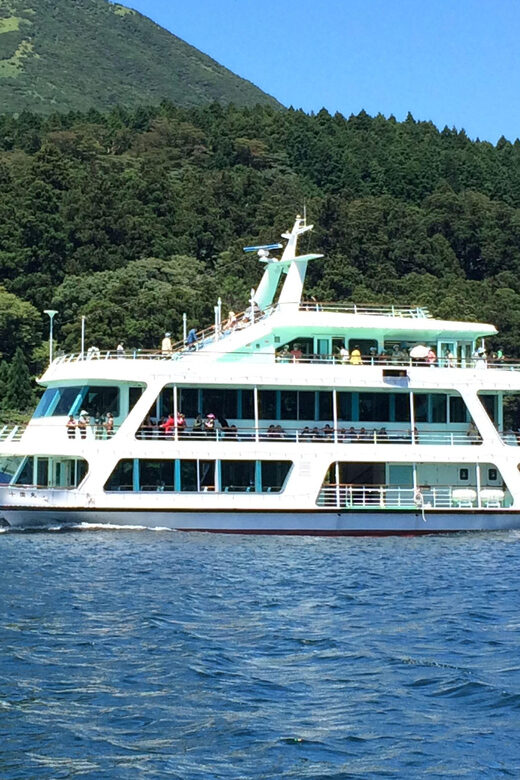
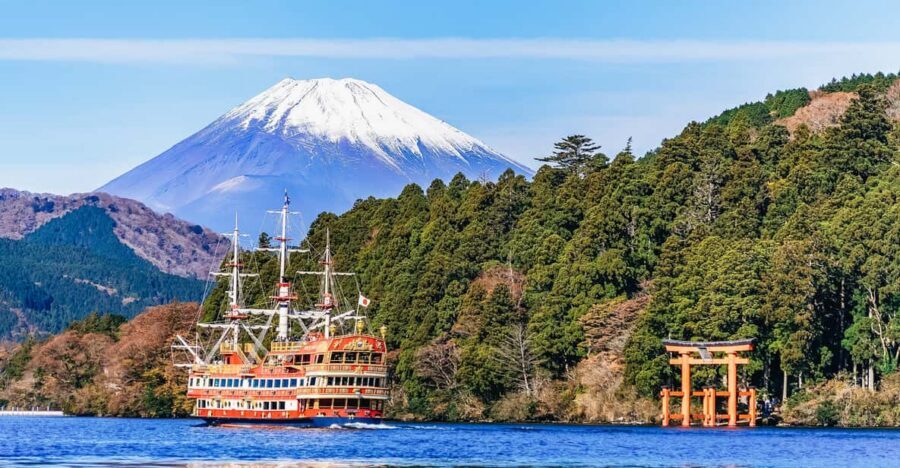
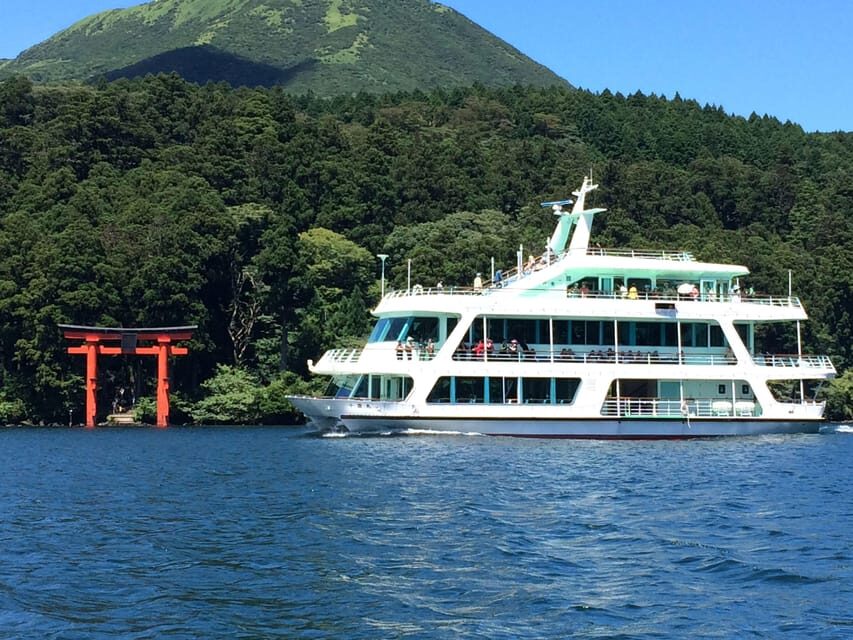
Next comes Lake Ashi, a caldera lake. You cruise there after the ropeway, and even when Fuji isn’t visible, the water and shoreline scenery still make it feel like a real break rather than just transportation.
The Lake Ashi cruise: what it’s like even when Fuji hides
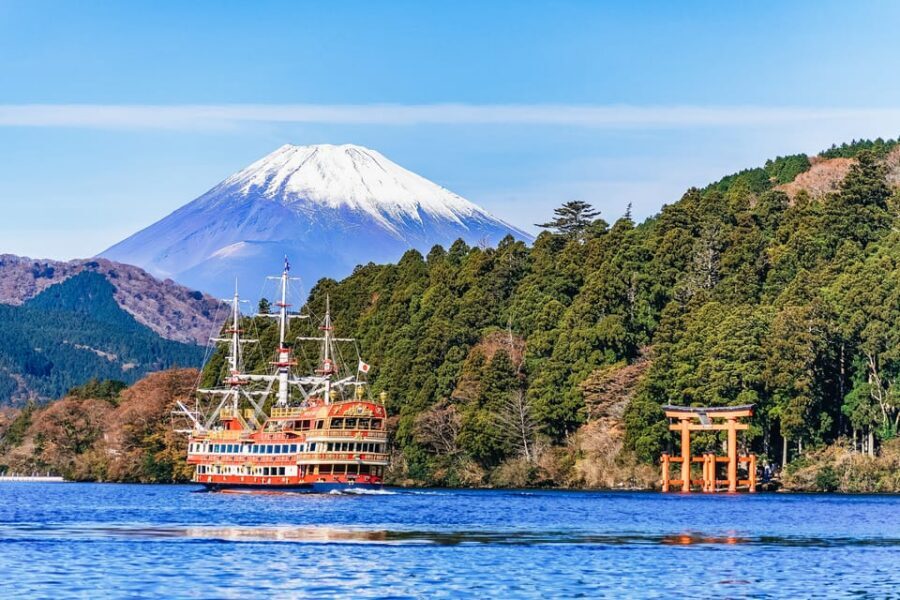
The cruise is included and is designed as a scenic payoff after the ropeway. When visibility is good, Mt. Fuji can appear in the distance and the whole lake area feels iconic. When it’s cloudy, you still get the water, the bends in the shoreline, and the calm pace.
One practical detail from the experience notes: a couple people mentioned the cruise felt fast or had limited narration at times. That doesn’t make it “bad,” but it does mean you’ll get more from it if you treat it as a view-and-vibe stop.
If you’re hoping for maximum Fuji clarity, do two things: dress for cold and keep your camera accessible. Clouds can lift, and then you only have a few minutes when the light lines up.
Getting back to Tokyo on Shinkansen: ending strong instead of stuck
After Hakone, the bus takes you to Odawara Station for the Shinkansen ride back to Tokyo Station. The train segment is one-way, and it’s a satisfying finish because the bus doesn’t extend deep into the evening.
The day is listed as about 10 hours, and most plans aim to have you back around 6pm. That timing matters: you still have enough energy to eat dinner in Tokyo without turning the day trip into a full second day.
One of the best value angles is psychological. Knowing you’re on rails back to Tokyo helps you stay patient even if earlier parts run tight due to traffic or weather.
Value for $154: what you’re really buying
At $154 per person, you’re paying for convenience plus included transportation and paid experiences. The tour covers your deluxe coach ride, guide time, Wi-Fi, audio headsets, Hakone ropeway, Lake Ashi cruise, lunch if you select that option, and the Shinkansen ticket.
If you tried to piece this together on your own, you’d spend extra time coordinating routes and ticket windows. You’d also risk ending up with less-than-ideal timing between Fuji and Hakone, especially with mountain weather.
So here’s the trade-off to be honest about: you give up flexible pacing. You can’t treat Hakone like a free roaming half-day when you’re also trying to hit Fuji and a train back on schedule.
For the money, I think the strongest payoff is the combination: Fuji time + Hakone ropeway + Lake Ashi cruise + Shinkansen back with an English guide doing the hard parts for you.
Weather, traffic rules, and why substitutions should be part of your plan
Mt. Fuji access depends on conditions, and the tour explicitly mentions that weather and operational limits can prevent reaching every planned activity. It also notes that refunds aren’t issued when substitutions happen.
Expect alternatives like Oshino Hakkai, Swan Lake Cruise Ship on Lake Yamanaka, Lake Ashinoko sightseeing boat, Odawara Castle, Hakone Sekisho, Hakone Shrine, and similar swaps. That list may sound like a lot, but it’s basically the tour telling you: we will keep you busy.
A special note in the plan: on certain dates, like 7 June, Mt. Fuji hill climb traffic regulations can prevent 5th station access and trigger an alternate place with compensation. This is the kind of detail that matters only when it happens, but it’s good you have the heads-up.
My advice is simple: pick this tour if you want structure and you can accept “Plan A might change.” Pick another approach if you need the exact same set of stops no matter what.
Who should book this Fuji and Hakone day trip
This is a good match if you:
- Want to see Mt. Fuji area and Hakone without arranging transport and tickets yourself
- Like guided context, especially with English narration plus audio headsets
- Prefer a fixed schedule that returns you to central Tokyo by early evening
It’s not a good fit if you:
- Are pregnant, have respiratory issues, or have pre-existing medical conditions, as the tour lists these as not suitable
- Are sensitive to cold and long days (winter up at altitude can be very cold)
- Need total flexibility to linger at stops
Also, if you get motion sensitive, you’ll be on a full day of transit and at least some ropeway movement. Bring comfortable shoes and take slow steps when you’re near higher altitude.
Should you book it? My practical recommendation
Book this tour if your Tokyo trip needs one “big day” that stacks major highlights without friction. The best reasons to choose it are the included ropeway and cruise, the Shinkansen ride home, and the fact that you get expert guidance in English with audio support.
I’d hesitate only if you’re the type who reacts badly to schedule changes. Fuji visibility and ropeway conditions can shift, and substitutes replace specific planned stops rather than canceling the entire experience.
If your goal is to maximize sightseeing in 10 hours, this is a strong choice—especially on a day when you’re ready for cold weather, lots of photos, and a guided route that keeps everything moving.
FAQ
How long is the Mt. Fuji 5th Station and Hakone cruise bus tour?
The tour duration is listed as 10 hours, with an estimated return to Tokyo around 6pm.
Where do you get picked up in Tokyo?
Pickup depends on the option booked, and it may include locations such as Matsuya Ginza or the LOVE statue area. There is no hotel pickup or hotel drop-off.
Is lunch included, and are dietary options available?
Lunch is included only if you select the lunch option. Vegetarian lunch is available by request, but halal and vegan meals are not available.
What happens if the tour can’t reach the Mt. Fuji 5th station?
If conditions prevent travel beyond the 4th station, the tour arranges an alternative visit such as Oshino Hakkai or another scenic spot. Substitutions may also happen due to weather, traffic, or operational reasons.
Does the tour include a bullet train ride back to Tokyo?
Yes. The tour includes a 1-way bullet train ticket from Odawara Station to Tokyo Station.
What languages are available for audio headsets?
Audio headsets are available in Spanish, French, Italian, German, Portuguese, and Ukrainian, while the live guide is English.