REVIEW · TOKYO
Tokyo: 3-Hour Food Tour of Shinbashi at Night
Book on GetYourGuide →Operated by Arigato Travel KK · Bookable on GetYourGuide
Shinbashi at night tastes like Tokyo. I love the way this small-group tour slips you into the after-work rhythm, with stops that feel made for the people who actually live and work around here. I also like the regional sake tasting, where you’re not just drinking, you’re learning how different styles change on your palate. Guides like Ray, Francois, Tommy, and Yappy bring that food + pub-culture context in plain English, so you walk away knowing what to order next time.
One watch-out: plan for smoking in many areas of Shinbashi, since you’re free to smoke and the air can get smoky around some eateries.
In This Review
- Key things I’d bet on
- Shinbashi at night: where Tokyo’s workday unwinds
- Start at the decommissioned steam engine: showing up without stress
- Food stops that build a full Tokyo meal in 3 hours
- Ramen warm-up: umami in a steaming bowl
- Wagyu stop: buttery meat with smoky char
- Dessert finish: a traditional sweet send-off
- Offbeat surprises: duck and goat cheese-type bites
- How sake tasting turns drinking into learning
- Eating alongside real workers: the social side of Tokyo pubs
- The guides: English, friendly, and actually helpful
- Price and value: what you’re paying for
- Who this tour fits best (and who should skip)
- Quick practical tips so you enjoy the whole night
- Should you book the Shinbashi night food tour?
- FAQ
- FAQ
- Where is the meeting point for this tour?
- How long is the Shinbashi night food tour?
- How much does it cost?
- What’s included in the tour price?
- What is not included?
- Is hotel pickup available?
- Is the tour conducted in English?
- How big is the group?
- Are there age restrictions?
- What should I bring?
Key things I’d bet on
- Backstreets after dark in Shinbashi, away from the main tourist drags
- Ramen, wagyu, and dessert in a tight 3-hour run, so you eat well without a food coma
- Regional sake tasting that focuses on flavor and how each pour evolves
- You eat alongside working locals, not just people on a sightseeing schedule
- Guide-led manners and mini-lessons, including visual aids for thanking staff and blessing meals
- Group size capped at 10, so you get real conversation, not just headcounts
Shinbashi at night: where Tokyo’s workday unwinds
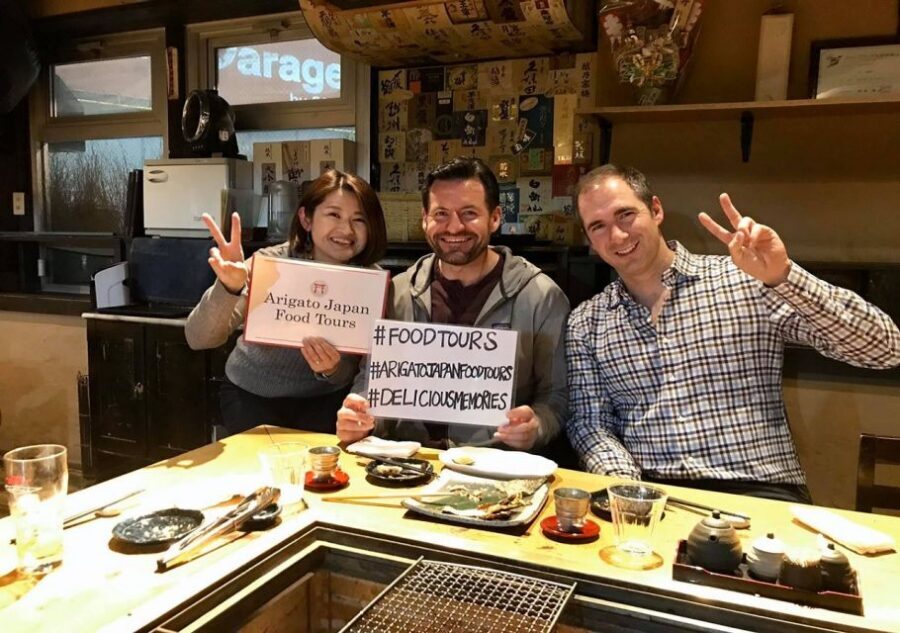
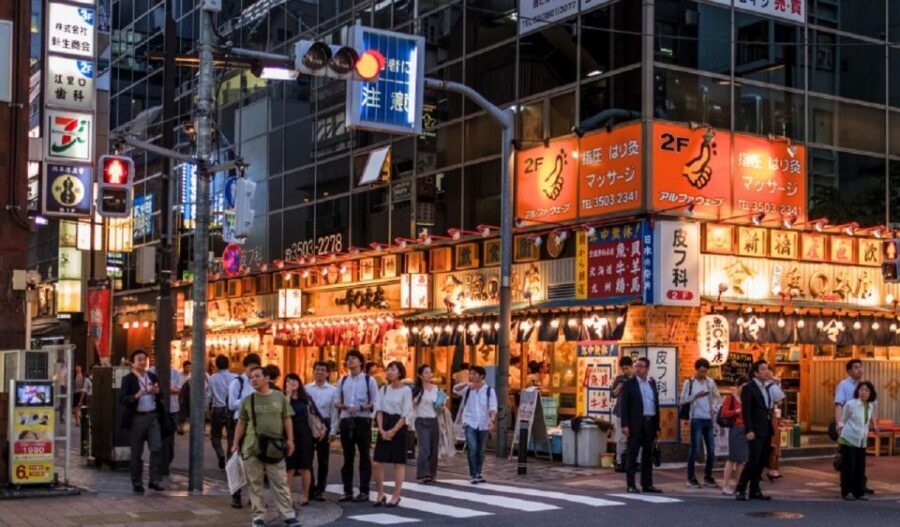
Shinbashi has a knack for feeling both old-school and immediate. At night, it turns into the kind of neighborhood where you’ll see people off shift, slowing down with a bowl of something hot or a drink in hand. It’s not trying to be trendy; it’s doing what it does.
This is exactly why an evening food walk works here. You’re eating in the spaces where locals actually unwind, and the guide helps you understand the little social cues that make Japan’s restaurant culture feel smoother. You end up with more than meals. You get a sense of pacing—when to order, how to talk, and how to move from one stop to the next without feeling rushed.
You can also read our reviews of more food & drink experiences in Tokyo
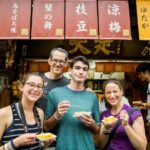
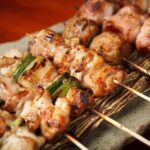
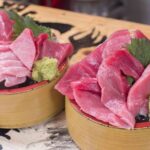
Start at the decommissioned steam engine: showing up without stress
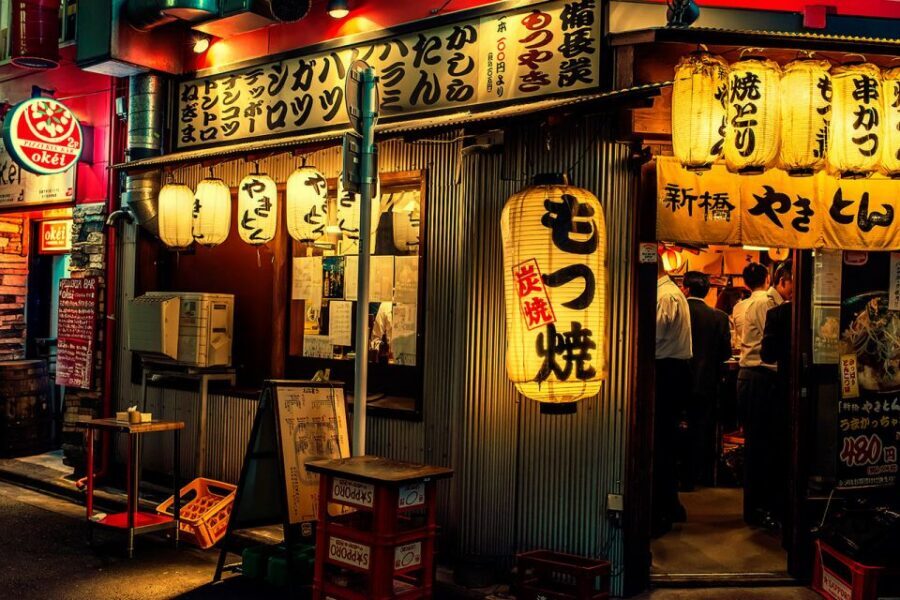
Your tour begins at Shinbashi Station, specifically in front of the decommissioned steam engine at the Hibiya exit. That matters, because at night the exits are easy to mix up if you’re hopping between station signs with wet hands and a dead battery.
Also note the tour timing rule: the guide can wait only 5 minutes after the start time, and once the tour begins they can’t give directions by phone. So do yourself a favor and get there early, even if you think you’re being efficient. Comfortable shoes help a lot too, because the tour is built on walking backstreets.
Hotel pickup isn’t included, so you’ll be responsible for getting yourself to the meeting point. If you’re staying far from Shinbashi, factor in extra transit time so you don’t arrive flustered.
Food stops that build a full Tokyo meal in 3 hours
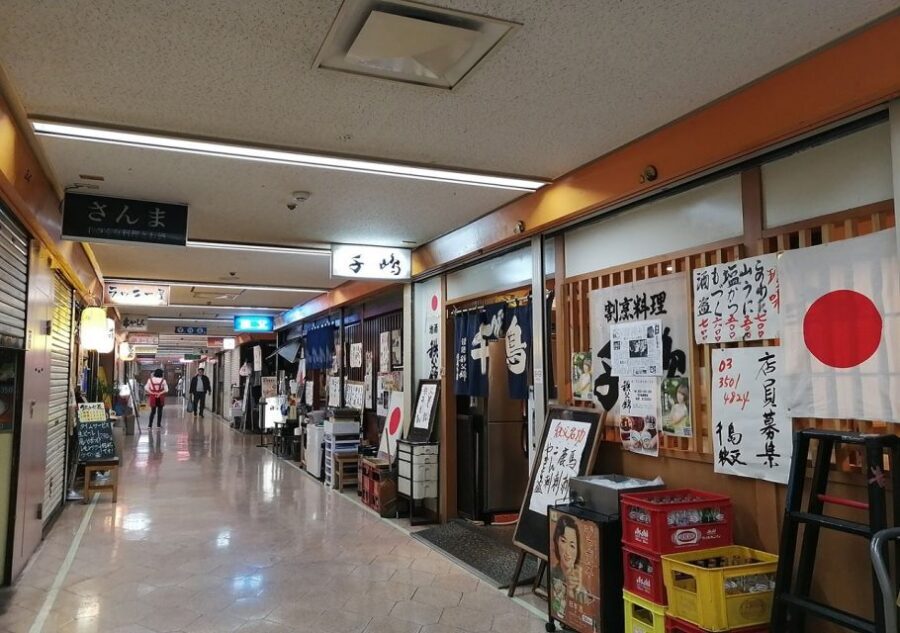
This tour is designed to hit multiple cravings, in a logical order, without turning the night into a marathon. You’ll likely start with something warm and savory—then progress to richer bites, and finish with something sweet.
Ramen warm-up: umami in a steaming bowl
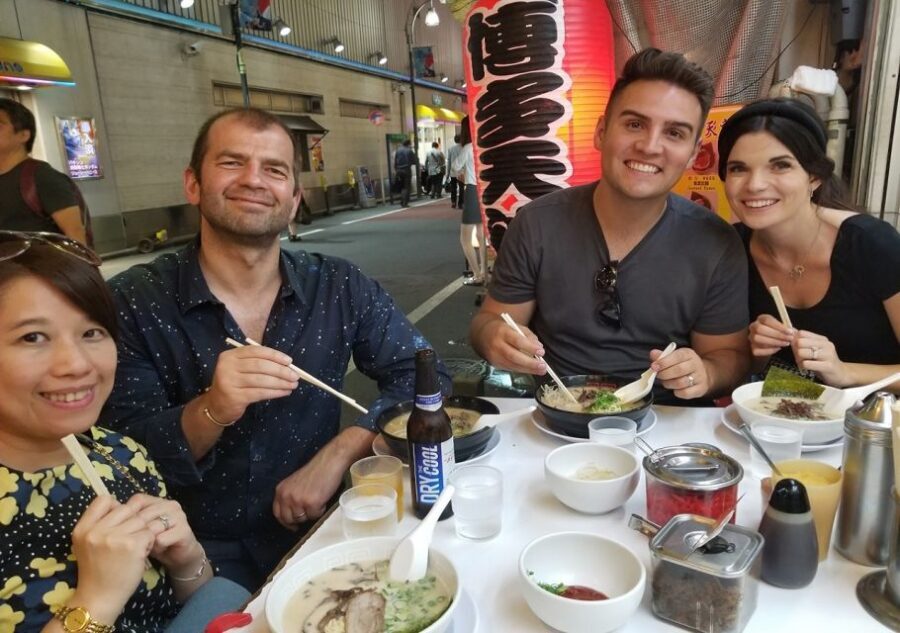
Ramen is the perfect opening move in Tokyo, especially in the evening. You can feel the payoff right away: hot broth, deep umami, and a filling comfort that steadies your appetite for what comes next. The tour format also nudges you to slow down—eat, notice flavors, and learn what makes that bowl worth ordering again.
If you’ve had ramen before, this is still valuable. You’ll compare textures and flavor focus with guide guidance, and you’ll learn how to talk about what you taste instead of just ranking it in your head.
Wagyu stop: buttery meat with smoky char
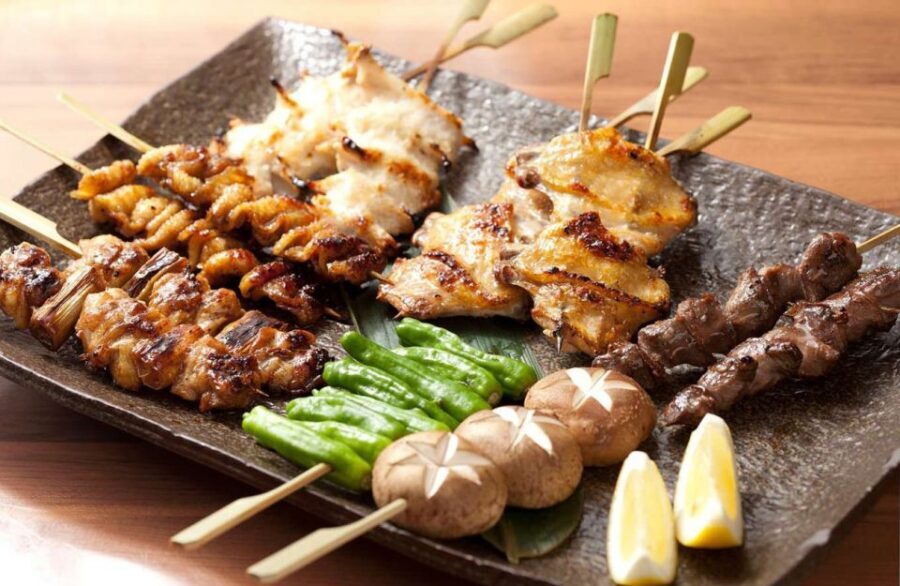
One of the headline treats here is wagyu, served with a delicate smoky char. That combination matters. The char adds aroma and a touch of bitterness that balances fat, so the meat doesn’t feel heavy even when it melts in your mouth.
This is one of those meals where the guide’s role is practical. They’ll help you understand what to look for—how the sear changes the taste, and why the serving style matters. That makes your order at a future yakiniku place more confident, not more guesswork.
A few more Tokyo tours and experiences worth a look


Dessert finish: a traditional sweet send-off
The night ends with a traditional dessert. This is not an afterthought; it’s a smart landing. After savory food and sake, dessert gives your palate a reset, so you leave feeling satisfied rather than stuffed.
The bigger value is the rhythm. Instead of random snacks, you get a structured flow: hot → rich → sweet.
Offbeat surprises: duck and goat cheese-type bites
Depending on the night, you might encounter more adventurous food choices. One guide-led meal described a ducky-style bite alongside goat cheese, which shows the tour isn’t only chasing the safest, most obvious options. If you’re open-minded, you’ll get more fun than you expected from a short walk.
How sake tasting turns drinking into learning
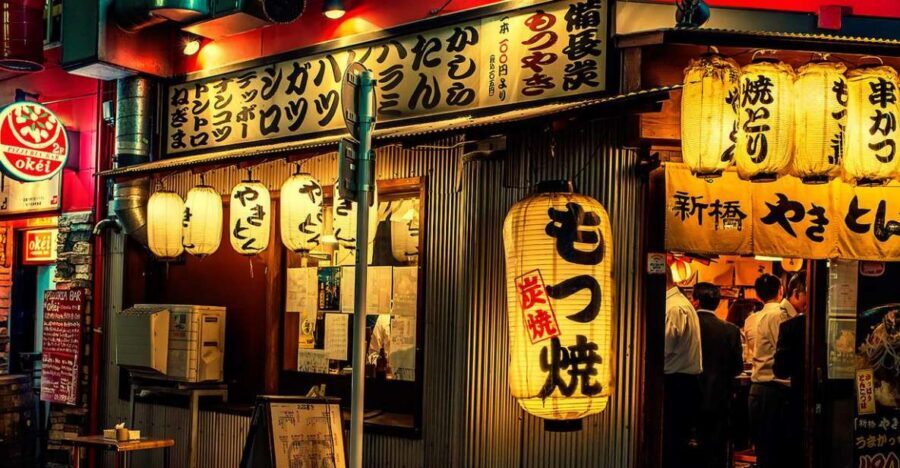
Sake on a food tour is usually the difference between a normal meal and a real cultural stop. Here, you get regional sake tasting tied to the flavors you’ve already eaten. That pairing is what makes the experience memorable.
You’ll be sipping crisp, aromatic sake, and the tasting is set up so you notice how the character changes with each pour—smoothness first, then complexity as you keep going. It’s the kind of lesson that sticks because it’s tied to food in front of you.
This is also where a good guide pays off. Guides use simple, practical language so you can understand what you’re tasting and how to describe it. When you leave, you’re more likely to order sake that matches your mood instead of picking randomly because it sounds traditional.
Eating alongside real workers: the social side of Tokyo pubs
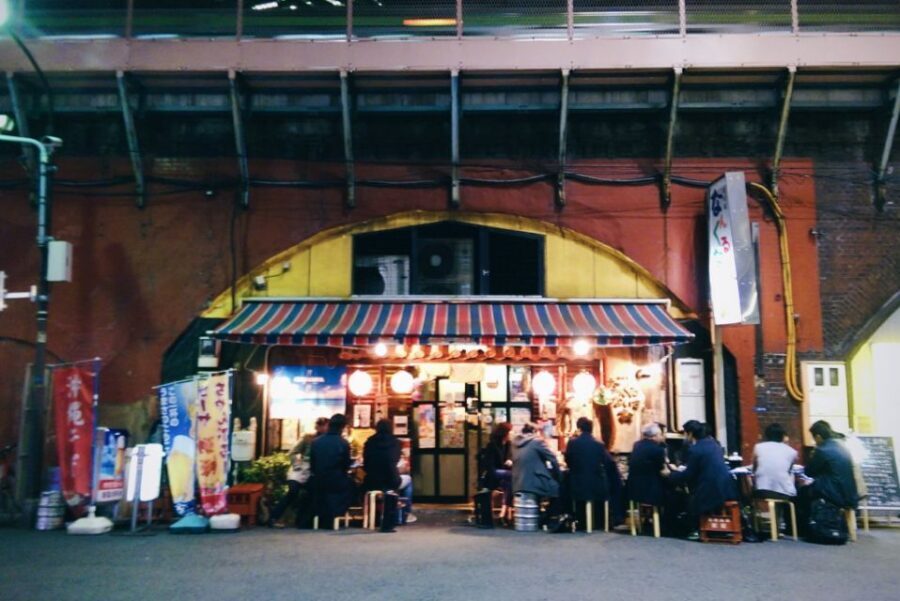
This tour leans hard into the feel of local pub culture. Shinbashi is full of small places where the staff know the rhythm of the neighborhood—quick meals, chat between seatmates, and people staying just long enough to reset after work.
What I like about this style of tour is that it teaches you how to behave without turning it into a lecture. You’ll see how locals eat and unwind, and the guide helps translate the unspoken parts: how people settle in, how they signal what they want, and how meals are treated as a shared moment even when you’re seated at a counter.
Also, the guide can bring helpful rituals into play. One standout detail from multiple experiences is the use of visual aids to learn how to bless a meal and how to thank the staff when you’re leaving. That’s a small thing, but it makes the whole night feel more respectful and more connected.
The guides: English, friendly, and actually helpful
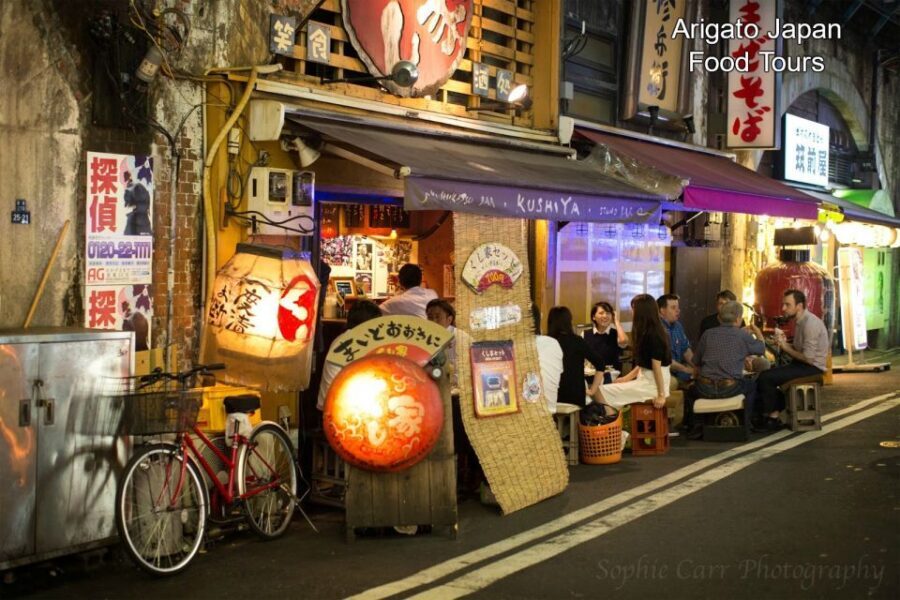
This is a live English-guided tour, limited to 10 participants, and that size choice matters. You get room to ask questions while you’re walking between stops, and you don’t feel stuck listening from a distance.
From recent tour experiences, guides include people like Ray, Francois, Tommy, Marc, Yappy, Yoko, Ryan, and Anne. The common theme in their approach is clear: they don’t just name dishes. They explain what the dish is doing and how the setting fits the food.
A few examples of the kind of care guides can bring:
- Ray’s guidance included visual aids for meal blessing and thanking staff, plus clear descriptions of food and bar culture
- Francois handled a Happy Birthday surprise for a son and even joined karaoke afterward in one case
- Tommy offered recommendations for the rest of the trip beyond the tour itself
- Anne kept the tour relaxed and showed flexibility with what a family ordered
That kind of human touch is often the difference between a checklist tour and a real experience.
Price and value: what you’re paying for
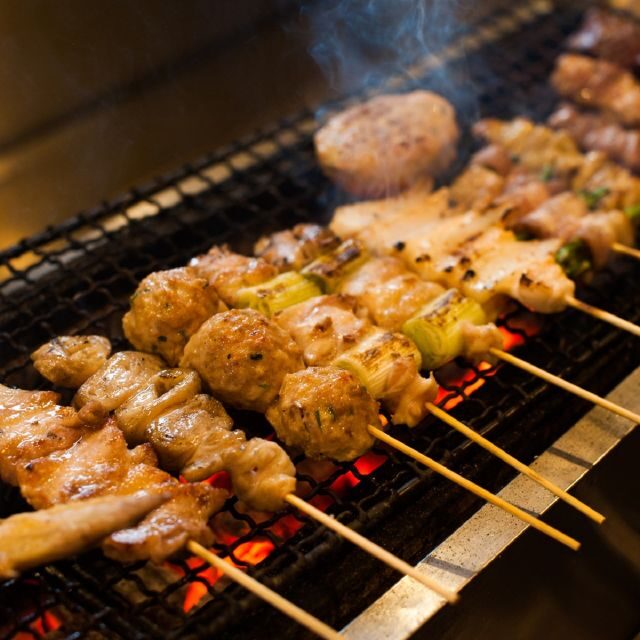
At $170 per person for 3 hours, this isn’t a cheap snack crawl. But it also isn’t overpriced if you look at what’s included: several food stops, a sake-tasting experience, and a local English-speaking guide.
The value equation improves fast if you were going to do a similar night anyway:
- You’d likely pay for multiple meals plus sake, and
- You’d need the know-how to find the right spots without spending half the evening wandering
What’s not included is also part of the decision. Transportation costs aren’t included, and additional drinks or food cost extra if you want more. Gratuity isn’t included either.
So I’d call it a solid value if you’re treating it as your main food and drinks experience for the evening, not as a supplement to a pre-planned dinner.
Who this tour fits best (and who should skip)
This is for adults 20 and over, and that age rule matters because the whole vibe is built around after-work drinking culture. If you like ramen, wagyu, and sake and you want to learn the local pub rhythms, you’ll get a lot out of it.
It’s also a good pick if you:
- Want an English guide to translate food and restaurant etiquette
- Prefer a small-group night walk over a crowded bus-style tour
- Like walking and don’t mind backstreets after dark
It may not fit if you:
- Strongly dislike smoking environments, since it’s common in most areas of Shinbashi
- Need hotel pickup or expect the guide to help with directions by phone during the walk (they can’t do that once moving)
Quick practical tips so you enjoy the whole night
Bring your passport or ID card, and wear comfortable walking shoes. This is a walking-based experience, and Shinbashi backstreets are best handled with stable footwear.
If you’re sensitive to smoke, consider that before you book. And if you’re arriving from somewhere outside the station area, give yourself extra time so you don’t end up sprinting for the steam engine.
Should you book the Shinbashi night food tour?
If you want Tokyo food that feels connected to real neighborhood life, this is a smart choice. The pairing of ramen, wagyu, dessert, and regional sake tasting hits the big flavors without dragging on. The small group and English guidance also make it feel personal, not mechanical.
I’d book it if you’re treating the night as your food plan and you’re open to the pub-culture atmosphere that comes with Shinbashi. If smoking discomfort would ruin your evening, that’s the main reason to pause.
FAQ
FAQ
Where is the meeting point for this tour?
Meet in front of the decommissioned steam engine at the Hibiya exit of Shinbashi Station.
How long is the Shinbashi night food tour?
It lasts 3 hours.
How much does it cost?
The price is $170 per person.
What’s included in the tour price?
You’ll try local dishes at several food stops, enjoy a sake-tasting experience, and have a local English-speaking guide.
What is not included?
Hotel pickup, gratuity, transportation costs, and additional drinks or food are not included. Additional items may be purchased at your expense.
Is hotel pickup available?
Hotel pickup isn’t included, but it can be arranged for an additional charge.
Is the tour conducted in English?
Yes, the live tour guide speaks English.
How big is the group?
The tour is limited to 10 participants.
Are there age restrictions?
Yes. Only adults aged 20 and over are permitted.
What should I bring?
Bring a passport or ID card and wear comfortable shoes.