REVIEW · TOKYO
Tokyo Tsukiji Food & Culture 4hr Private Tour with Licensed Guide
Book on Viator →Operated by Japan Guide Agency · Bookable on Viator
Fish markets meet temple streets.
I like how this tour gives you custom control with a licensed local English guide, so you can shape the afternoon around what you actually want to eat, buy, and see. I especially love the pairing of Tsukiji food culture with classic Asakusa landmarks, plus the chance to shop for cooking-inspired souvenirs along the way. One heads-up: the 4-hour window is built for only 2–3 selected stops, so if you choose far-apart areas or add extra detours, you may feel rushed.
What makes it work is the guide’s street-level know-how: people doing this tour mention leaders who help with navigating train stations, finding practical paths through market chaos, and pointing out what’s worth sampling. The tradeoff is that it’s a walking-focused experience—pickup is on foot within a designated area—and Toyosu has closure days that can change what you’ll be able to do.
In This Review
- Key things to know before you go
- Toyosu and Tsukiji: why this Tokyo food route still hits
- Price and pace: what $109.01 buys you in real terms
- The 4-hour itinerary rhythm (and how to avoid getting rushed)
- Toyosu Market: what you’ll see and the closure reality
- Tsukiji Fish Market: sampling culture without the auction pressure
- Ameyoko Shopping Street and Ueno-area food shopping
- Senso-ji Temple and Nakamise: the classic Asakusa combo
- Kappabashi: kitchenware shopping for people who cook (or want to)
- Tsukishima Monjya Street: the oddball dish stop that makes sense
- Yanaka Ginza: Shitamachi atmosphere for slower strolling
- How guide-led customization can make or break the afternoon
- What you’ll likely learn (besides where to eat)
- Who this tour is best for (and who should rethink it)
- Should you book this Tokyo food and fish markets private tour?
- FAQ
- How long is the tour, and how many stops do we cover?
- Is this a private tour, and can it include other groups?
- Do we get hotel pickup?
- What is included in the price, and what costs extra?
- Are there ticket or entrance fees at the markets?
- When is Toyosu Market closed?
- Can I cancel for a refund?
Key things to know before you go
- Two to three stops in 4 hours: Plan like a strategist, not a tourist who adds one more thing “just because.”
- Toyosu timing matters: Toyosu Market is closed on Wednesdays and Sundays, and other irregular closures can also affect nearby Tsukiji shops.
- Food culture, not just sightseeing: Expect guidance on what to order and where to go for tastings around the market area.
- Walking-focused with public transit nearby: You’ll connect neighborhoods on foot and likely use nearby train stations; transportation costs are on you.
- A guide who handles the details: Names that come up often include Nori, Michie, Shuji, Sally, Hideki, Maki, Masa, Koji, Kay, Yumiko, Katsu-san, Goreilo, and Koba.
- Cooking-staple souvenirs are a theme: Kappabashi and similar streets are built for utensils, tools, and restaurant-minded shopping.
Toyosu and Tsukiji: why this Tokyo food route still hits
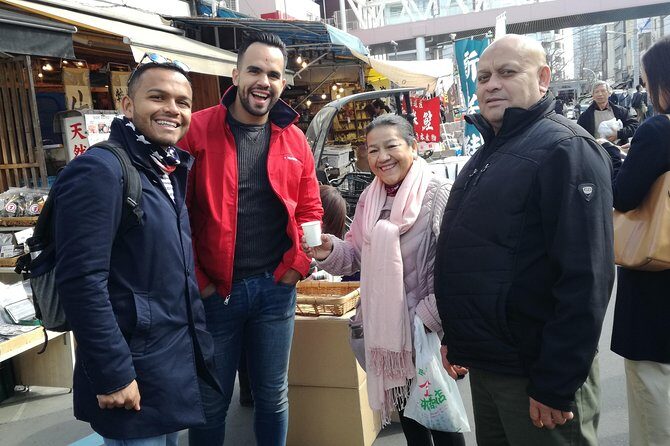
Tokyo’s food scene isn’t only about ramen shops and department-store basements. It’s also about where ingredients change hands, where food vendors compete, and where you can learn what makes Japanese flavors tick.
This half-day plan puts you near two of the most important market zones: Toyosu Market (the newer market site) and Tsukiji Fish Market (the older, historic fish-market area people still associate with a huge street-food and sampling culture). Even when you’re not inside auction halls, the surrounding blocks tell the story—how fish is sold, what gets turned into quick bites, and how locals treat market time as a food outing.
I like that the tour doesn’t pretend there’s one single “market experience.” Instead, it treats markets as a starting point, then connects that food logic to neighborhoods where you can keep eating and shopping after the market stops.
You can also read our reviews of more food & drink experiences in Tokyo
Price and pace: what $109.01 buys you in real terms
At $109.01 per person for about 4 hours, the value comes from three things:
- A licensed guide for the time crunch. A market area is disorienting even for confident walkers. A good guide helps you avoid wandering, keep moving, and spend money where it makes sense.
- Smart customization (2–3 sites). You’re not paying for a rigid checklist that forces you to “hit everything.” You choose from a menu of food and culture areas.
- Pickup offered and meeting on foot. You’re not left trying to decode a subway station alone.
Here’s the catch. The tour is designed so you can comfortably cover only a limited number of stops. Some guides add small extras if time allows (one common add-on mentioned is places like gardens and shrines), but if you pick multiple high-traffic areas far apart, you can burn minutes just getting from A to B.
So yes, you’re paying for convenience. But you should also do your part: decide the priority order before you meet your guide.
The 4-hour itinerary rhythm (and how to avoid getting rushed)
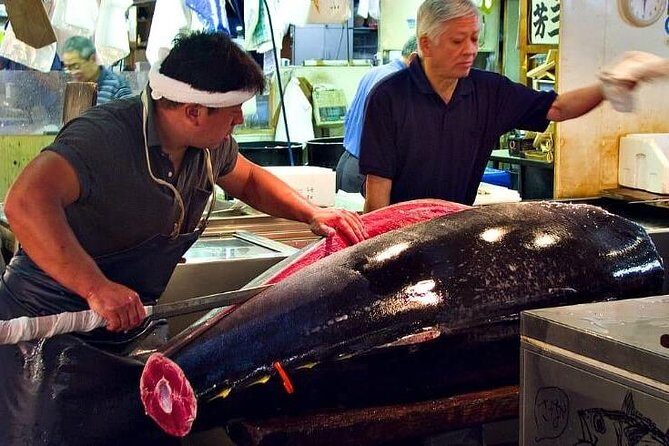
This is a private tour, so it’s only your group. Still, the schedule is built around a walking flow. Most stops are listed as about 30 minutes, so you’ll get enough time to move through the area and make choices, but not enough time to fully wander every street.
A solid strategy for a first-time trip:
- Pick one market focus (either Toyosu or Tsukiji area time).
- Pick one temple and shopping cluster (Asakusa side is Senso-ji plus Nakamise).
- If you still want a third stop, choose a nearby shopping street like Ameyoko or Kappabashi, rather than a far detour.
That keeps you in the sweet spot: you’ll shop with purpose and still have time to eat.
Toyosu Market: what you’ll see and the closure reality
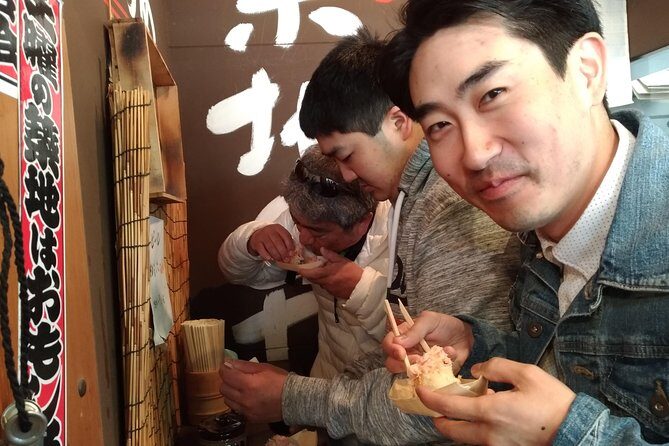
Toyosu Market is included as a stop (about 30 minutes), but Toyosu Market ticket is not included. The big practical consideration is the calendar.
Toyosu is closed on:
- Wednesdays
- Sundays
- plus occasionally other irregular days
And there’s a knock-on effect: many shops in Tsukiji can also be closed when Toyosu is closed.
What this means for you: if your travel dates land on a Toyosu closure day, don’t assume you’ll automatically get the same market vibe at full strength. Your guide can help adjust the plan, but the market’s operating schedule is the boss here.
Tsukiji Fish Market: sampling culture without the auction pressure
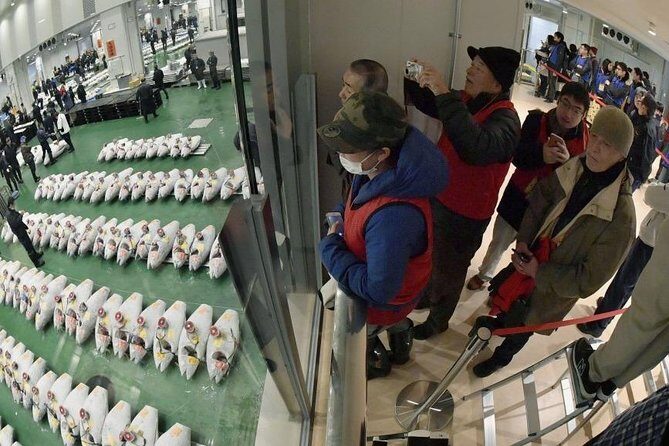
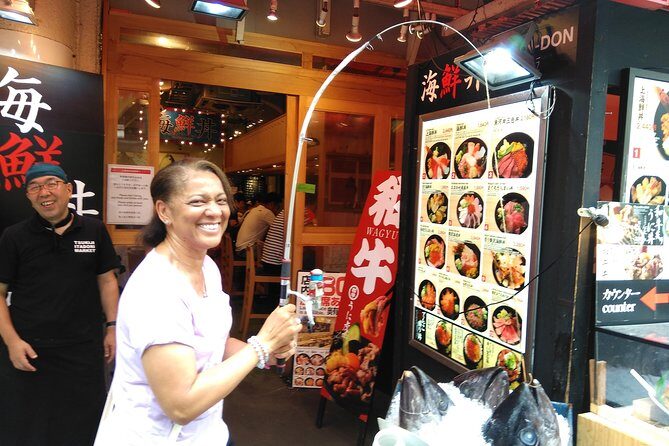
Tsukiji Fish Market is another 30-minute stop, and in this plan admission is free. This is the area that many people picture when they think of Tsukiji food—rows of stalls and the chance to try bites tied to fish and seafood.
What makes this stop valuable is how the guide’s role changes your experience. With the right person leading you, you’re not just walking past food. You’re learning what you’re looking at—different seafood types and how they show up as ready-to-eat snacks.
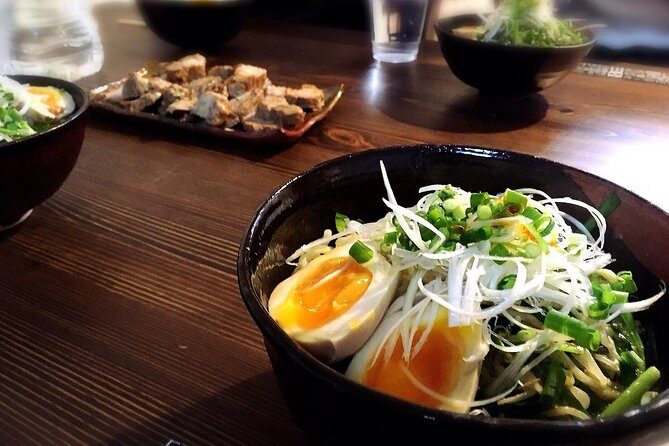
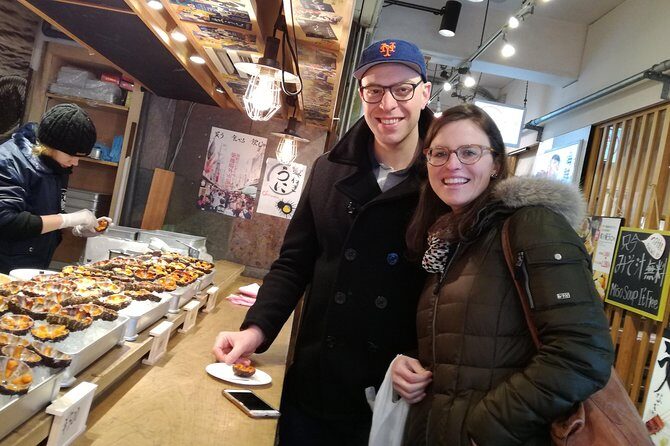
You may find guides steering the group through multiple stall counters and recommending what to sample based on your tastes. One common theme from guide-led stories is that you can end up trying a wide range of items—things like sea urchin, crab, beef bowls, and sushi styles—because the guide helps you connect the fish to the menu logic.
Quick reality check: the tour doesn’t include lunch, so you’ll be buying food on your own during tastings or deciding whether to eat afterward.
A few more Tokyo tours and experiences worth a look

Ameyoko Shopping Street and Ueno-area food shopping
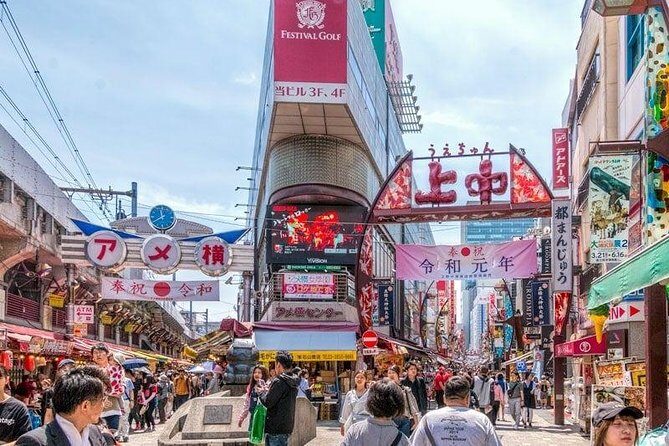
Ameyoko Shopping Street is listed as a 30-minute free stop. If Tsukiji is about fish-forward food culture, Ameyoko is the neighborhood version of snack browsing: casual shopping, fast decisions, and plenty of places where you can pick up simple gifts or small edible items.
I like this stop because it’s easy to keep flexible. If you want souvenirs that don’t feel too “tourist,” this is the kind of street where you can buy practical things and keep moving. It’s also a helpful reset if the market area already overwhelmed your senses.
The drawback: shopping streets move fast. If you’re the type who needs to read everything slowly, give yourself a plan for what you want before you step into crowds.
Senso-ji Temple and Nakamise: the classic Asakusa combo
This tour includes both:
- Senso-ji Temple (about 30 minutes, free)
- Nakamise Shopping Street (about 30 minutes, free), running along the approach to the temple
Senso-ji is one of Tokyo’s most famous temples, with a history reaching back more than a thousand years. The big visual cue is the Kaminarimon gate with its famous red lantern, which is part of why people love this area for photos and first impressions.
Nakamise is where the temple transforms into a shopping walk. You’ll find traditional souvenirs and snacks lined along the main approach, and it’s a natural place to do gift shopping that matches the neighborhood’s theme.
The practical consideration: these areas get busy. A guide who knows pacing helps you see the highlights without spending your whole time stuck behind slow-moving clusters.
Kappabashi: kitchenware shopping for people who cook (or want to)
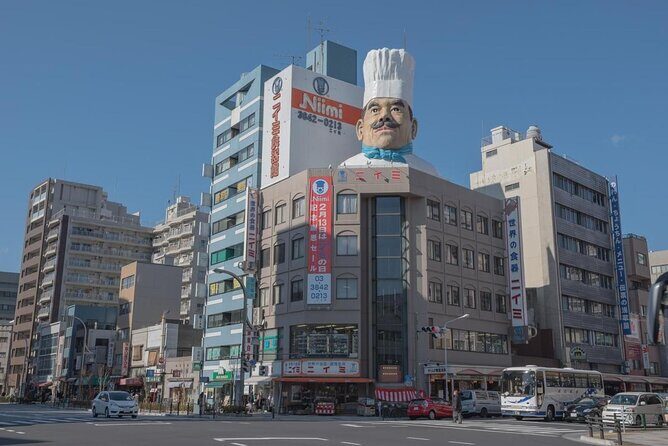
Kappabashi Street (Kappabashi Dogugai) is another 30-minute free stop, and it’s tailor-made for anyone who likes food tools, not just food.
The area is famous for stores selling what restaurant operators need—think utensils and kitchen supplies rather than generic trinkets. If you like cooking or want to bring home something you’ll actually use, this is often the most satisfying souvenir stop.
I also like it because it adds variety after food markets. You move from eating and tasting into the physical objects behind the food.
Tsukishima Monjya Street: the oddball dish stop that makes sense
This tour includes Tsukishima Monjya Street as a 30-minute stop. Unlike many other stops, it notes that admission isn’t included (so you should expect to pay if you’re eating or entering any specific counters).
Monjayaki is described as a hot dish with a liquid batter and dashi stock. The key idea is that it looks strange, then grows on you once you get past the appearance.
Even if you don’t go full monja, this stop is still useful because it teaches you how Tokyo food culture isn’t only about polished classics. Some foods are playful, regional, and a little weird—in a good way.
Yanaka Ginza: Shitamachi atmosphere for slower strolling
Yanaka Ginza Shopping Street is listed as a 30-minute free stop. This area is known for a preserved old-town feel, often described as Shitamachi, and it’s quieter than the flashier central zones.
I like adding this because it gives you contrast. Markets and temple streets are active and visually loud. Yanaka Ginza lets you slow down just enough to reset your brain before you head back to your hotel.
How guide-led customization can make or break the afternoon
This tour’s main promise is customization: you choose 2–3 sites from the available list, and your licensed guide helps you tailor the order and pacing.
In practice, the biggest success factor is how you frame your priorities:
- If you want the market, pick it first.
- If you want temples and shopping, lock in the Asakusa side.
- If you want kitchenware, keep Kappabashi as a separate dedicated stop rather than trying to “squeeze it in.”
Some guide stories highlight how they add extra context—like stopping by a garden or shrine nearby when time permits. Other stories (usually a disappointment) come from the mismatch between what people expected and what a 4-hour walk-and-transit route can handle.
So here’s the practical advice: when you meet your guide, confirm your final stop count immediately. Don’t leave it as an open-ended conversation.
What you’ll likely learn (besides where to eat)
Even with the same stops on paper, the experience changes because guides focus on what makes Japanese food culture work day to day.
From guide-led accounts, I’ve picked up patterns like:
- Guides point out different fish and how they show up as menu items.
- Guides help you choose tastings so you’re not buying blind.
- Guides often help with navigating the metro or train system between neighborhoods.
- Some guides show up with practical extras like maps and small on-the-go items, which can make a long walking day feel less chaotic.
Names that keep coming up in guide-led stories include Hiromi, Nori, Michie, Shuji, Sally, Hideki, Maki, Masa, Koji, Kay, Yumiko, Katsu-san, Goreilo, and Koba. Even if you don’t know who you’ll get, these examples signal that the tour can be both organized and friendly.
Who this tour is best for (and who should rethink it)
This is a strong match if:
- you love food markets and want help choosing tastings
- you want classic Tokyo sights without DIY planning stress
- you like shopping that’s tied to cooking and daily life (Kappabashi, kitchen tools)
- you want a private experience where you can adjust on the fly
It might not be ideal if:
- you want to cover a long list of distant stops in one afternoon
- your trip dates land on Toyosu’s closure days and you only want the market experience
- you dislike walking and short stop durations (most stops are about 30 minutes)
Should you book this Tokyo food and fish markets private tour?
Yes, I think you should consider booking if your goal is a guided, efficient afternoon with real food culture and a shopping plan that isn’t random. The price makes sense when you factor in the guide time, the customization of 2–3 focused stops, and the help navigating market complexity.
But book with eyes open. Toyosu closure days can shift the experience, and the schedule is tight by design. If you plan your priorities ahead—market first, then temple/shopping—and confirm your stop count with your guide, this tour becomes a high-value way to see multiple sides of Tokyo food culture in one compact day.
FAQ
How long is the tour, and how many stops do we cover?
The tour lasts about 4 hours. You customize your itinerary by choosing 2–3 sites from the available set of locations.
Is this a private tour, and can it include other groups?
It’s a private tour, meaning only your group participates. You cannot combine multiple tour groups.
Do we get hotel pickup?
Pickup is offered, and it’s described as a walking tour with pick up on foot. You meet the guide on foot within a designated area of Tokyo.
What is included in the price, and what costs extra?
Included: a licensed local English-speaking guide, and your customizable tour of 2–3 sites, plus meeting up in the designated area. Not included: transportation fees, entrance fees, lunch, and other personal expenses.
Are there ticket or entrance fees at the markets?
Toyosu Market has admission ticket not included. Tsukiji Fish Market lists admission as free.
When is Toyosu Market closed?
Toyosu Market is closed on Wednesdays, Sundays, and occasionally on other irregular days. Many shops in Tsukiji are also closed due to the closure of Toyosu.
Can I cancel for a refund?
Yes. Free cancellation is available if you cancel at least 24 hours before the experience’s start time for a full refund. If you cancel less than 24 hours before, the amount paid will not be refunded.
If you want, tell me your travel dates and which stops you care about most (market, temple, shopping, kitchenware). I’ll help you pick the best 2–3 sites for a smooth 4-hour route.