REVIEW · YAMANOCHI
From Tokyo: Snow Monkey 1 Day Tour with Beef Sukiyaki Lunch
Book on GetYourGuide →Operated by H.I.S. Co Ltd(TIC) · Bookable on GetYourGuide
Steaming hot springs and tiny snow faces. This Tokyo-to-Nagano coach day trip pairs snow monkeys at Jigokudani with a warm beef sukiyaki lunch and English guidance.
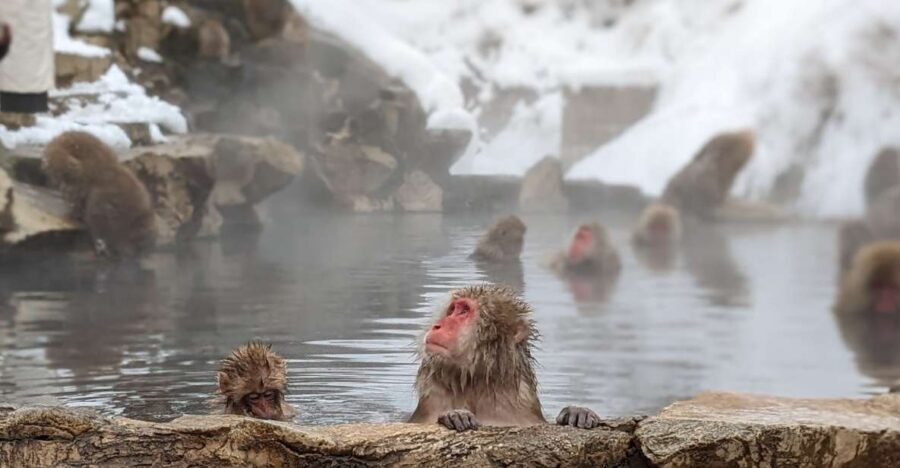
I especially like the focused timing: you get a dedicated visit window at Jigokudani Monkey Park, not just a rushed stop. I also like that the staff emphasize respectful viewing rules (no touching, feeding, or direct staring), which makes the whole experience feel controlled and calm.
One drawback to plan for: monkey sightings aren’t guaranteed, and the hot-spring soaking can vary with weather, so you’ll still want to be ready for an icy, slippery walk.
In This Review
- Key highlights I think you’ll care about
- From Nishi Shinjuku to Nagano: the bus ride you should actually prepare for
- Lunch at Shinshu Fruitsland: beef sukiyaki, plus real alternatives
- The short mid-route transfer: why that 30 minutes matters
- Jigokudani Monkey Park and the walk on snow: your best shot at real monkey behavior
- Hot springs timing and what changes after mid-March
- Kamakura snow huts (Kamakura no sato): the winter fairy-tale add-on for select dates
- Guide and driver quality: why the day stays smooth in icy conditions
- Price and value at about $151: what you’re buying with a packaged day
- Who this snow monkey tour is best for
- Should you book this Tokyo-to-Nagano Snow Monkey day trip?
- FAQ
- How long is the tour?
- Where do I meet the guide in Tokyo?
- What’s included in the price?
- Is lunch included, and can I avoid beef?
- Do I need crampons or special shoes?
- Are snow monkey hot-spring sightings guaranteed?
- When are the Kamakura snow huts included?
- Is this tour suitable for wheelchair users or pregnant travelers?
Key highlights I think you’ll care about
- Beef sukiyaki lunch is included and you can request pork, vegetarian, or vegan options
- A long coach ride, but managed with service-area stops on the way north
- A 30+ minute walk on snow and ice from the parking area to the viewing zone
- A real 2-hour window at Jigokudani Monkey Park to actually watch behavior and get photos
- Kamakura snow huts (Kamakura no sato) added only from Jan 23 to Mar 1, 2026
- Clear monkey behavior rules to keep animals safe and visitors respectful
From Nishi Shinjuku to Nagano: the bus ride you should actually prepare for
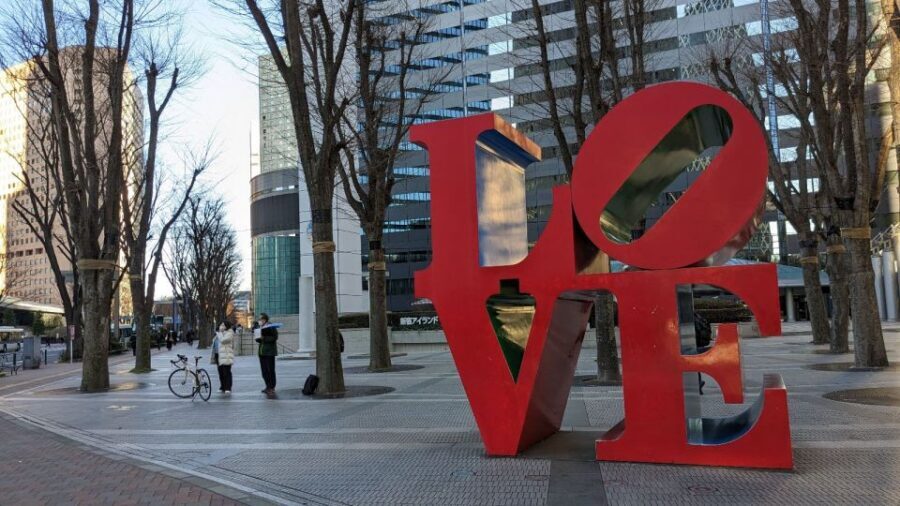
This is a true day trip, so your day starts early-ish in the city and spends a lot of time on wheels. You meet the guide at Nishi Shinjuku, outside the Shinjuku i-Land building at the LOVE sculpture. It’s not the kind of pickup where you can wander in late and hope it’s fine. The tour is clear about strict departure timing, seatbelts, and no refunds for late arrivals, so show up a bit early and take a quick lap to find your exact meeting spot.
The coach ride to Nagano Prefecture takes up to 3.5 hours one way, with two to three stops at service areas along the way. That matters because winter driving can slow things down. In the cold months, the bus staff still aim to keep the rhythm: rest breaks so you’re not cramped the whole time, plus time for you to regroup before the walk.
Two practical notes I’d take seriously. First, the coach size may be medium or small depending on participant numbers, and a few people report that smaller buses can feel tighter. Second, this is Japan in winter, so dress like you’ll be outside for a while, even if you’re mostly riding. If you’re sensitive to cold, plan to wear layers and keep a warm top on your person, not buried deep in your bag.
You can also read our reviews of more tours and experiences in Yamanochi.
Lunch at Shinshu Fruitsland: beef sukiyaki, plus real alternatives
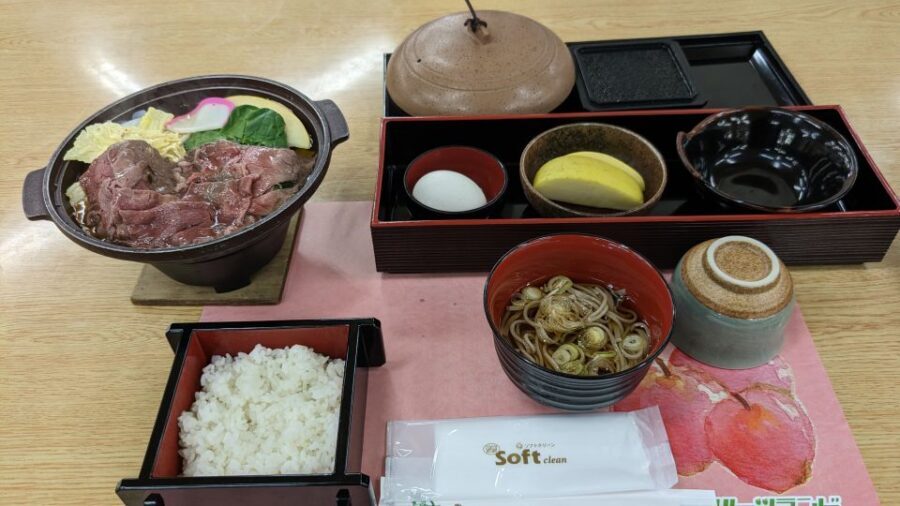
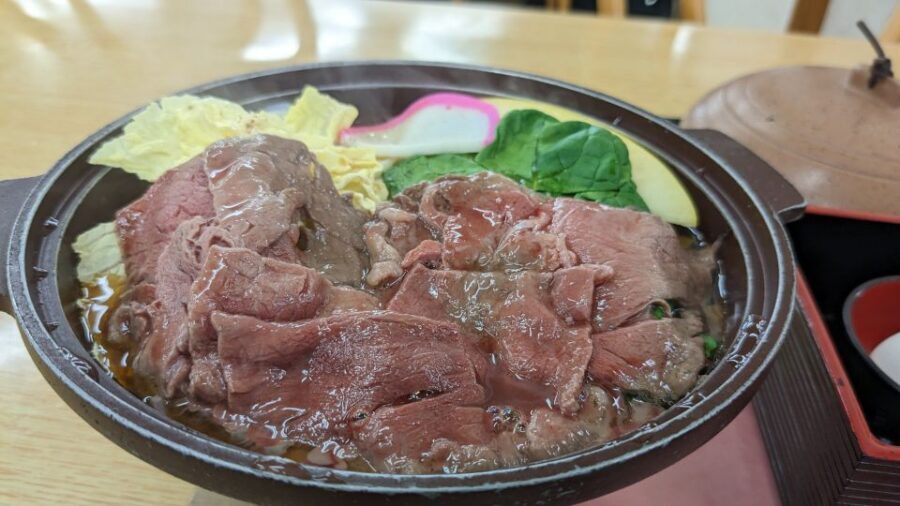
The meal included on this tour is beef sukiyaki, served during the lunch stop at Shinshu Fruitsland, with about 1 hour for eating. That’s a useful detail: this isn’t a snack-and-go moment. You get enough time to sit, eat, and warm up before heading toward Jigokudani.
More important: you’re not stuck with beef. When you reserve, you can request an alternative. The tour data says options include pork, vegetarian (including egg and dairy), and vegan (plant-based). Fish and chicken aren’t available, so if your diet depends on those, this won’t match.
Why this lunch is good value for the price: you’re paying for a package that includes transportation, park access, and guide time. Having lunch handled by the tour saves you from hunting for food in rural winter conditions when you’re already thinking about ice, boots, and timing.
If you dislike beef, don’t wait until the day of. Ask in advance when you book. It’s one of those small “do it now” tasks that keeps your day stress-free.
The short mid-route transfer: why that 30 minutes matters
Between lunch and the snow-monkey area, there’s a brief 30-minute coach transfer. It’s not long, but it’s there for a reason: you’re moving deeper into the region where road and walking conditions shift fast in winter.
Here’s what you should do with this time: treat it like your last easy buffer. Use the restroom if it’s available at stops, double-check your shoes are dry and laced securely, and put on whatever cold-weather layer you’re most likely to need for the walk. People who show up under-dressed pay for it later, because once you start moving toward the viewing zone, you’ll feel every bit of wind and cold.
Also, remember that road conditions can affect timing. The tour notes that scheduled times and contents can change depending on conditions, so that short transfer is part of the tour’s flexibility system. The goal is to keep you at Jigokudani at a usable time window, not to promise a perfect minute-by-minute script.
Jigokudani Monkey Park and the walk on snow: your best shot at real monkey behavior
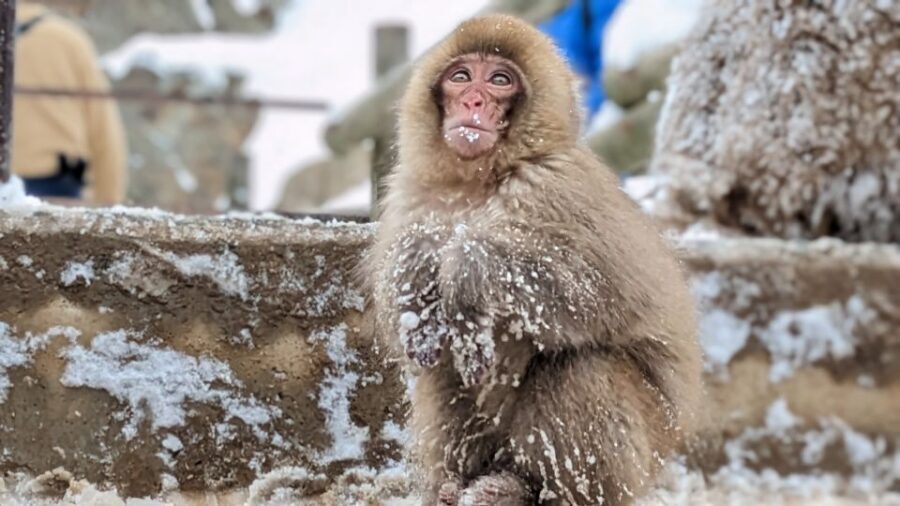
This is the heart of the day. The tour includes entry to Jigokudani Monkey Park, with about 2 hours onsite. But the timing only works if you take the walk seriously.
From the parking area to the viewing zone (Yaen-koen) it takes more than 30 minutes on foot. In winter, that walk can be wet, muddy, and icy depending on the day. The tour strongly recommends non-slip footwear like snow boots, and it specifically warns that you should plan for cold and ice. Some people even mention renting crampons if needed, and the tour notes that crampons are optional and sold onboard the bus.
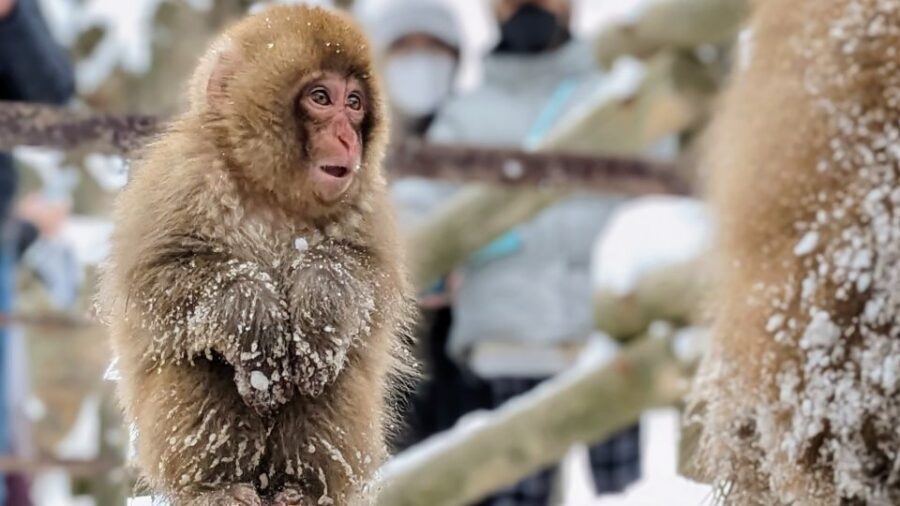
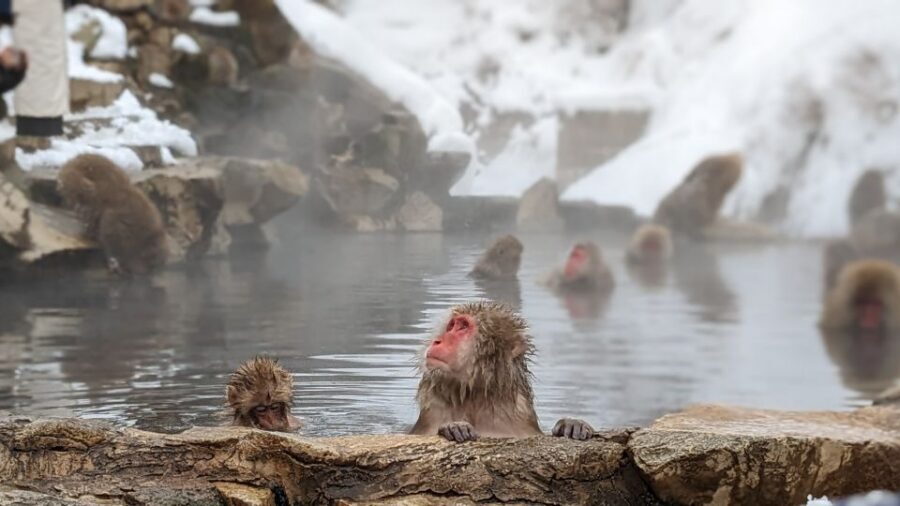
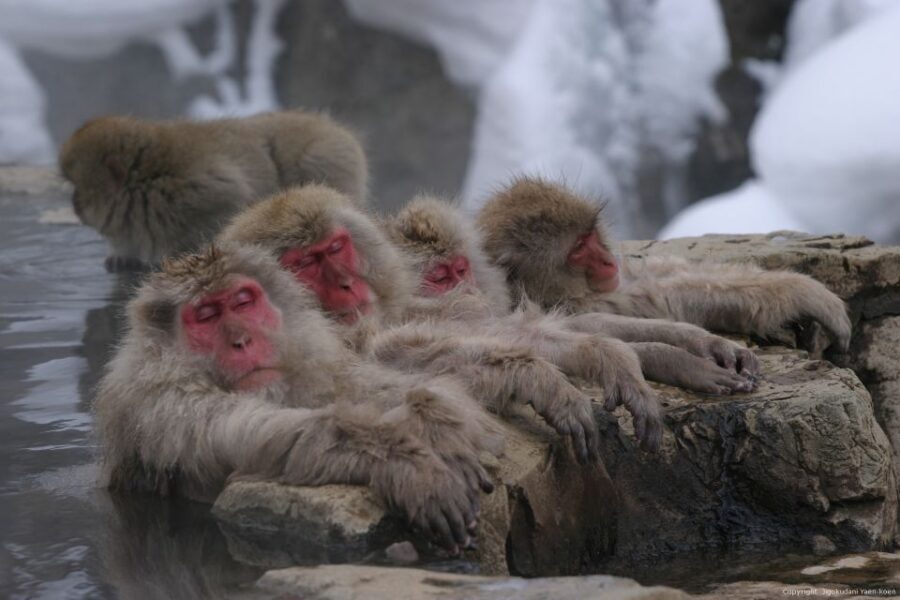
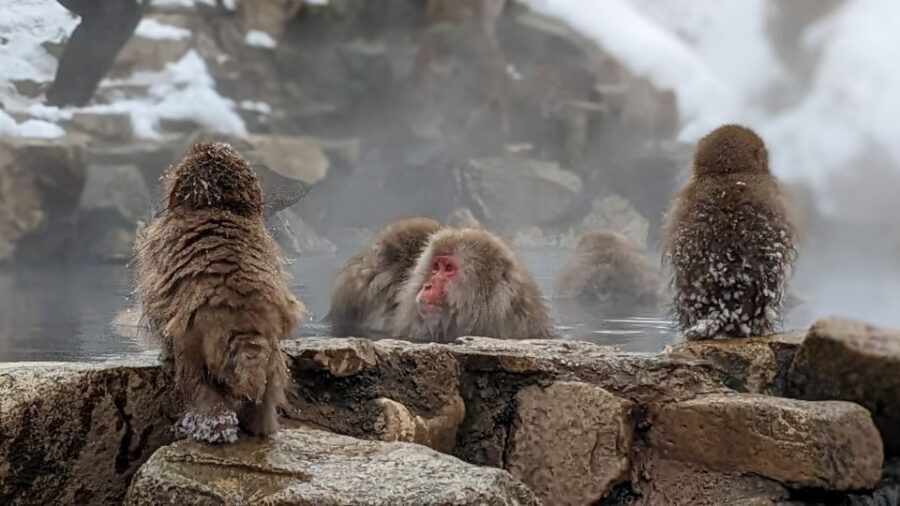
What makes this park experience special is that you’re not just watching animals from a distance. You’re moving through their world enough to see behavior clearly: grooming, moving between areas, and sometimes—when the day lines up right—seeing them in the hot springs. One key detail from the tour notes: the monkeys don’t spend most of their time in the water. So if you arrive hoping for constant soaking, you’ll be disappointed. Arrive hoping for variety.
Also plan around the fact that sightings aren’t guaranteed. Even though you’ll do your best to get there at the right time, monkeys are wild. The tour is very direct that no refunds are given if you can’t see the monkeys, and that’s because the animals control their own behavior.
When you’re there, follow the rules closely:
- Touching, feeding, and staring directly are prohibited.
- Monkeys can be territorial, so avoid direct eye contact.
- Photography is possible, but keep distance and don’t try to “test” boundaries.
If you’re a photographer, here’s the practical angle: you’ll get more good shots by being patient and watching movement than by rushing toward the first hot spring bubble you see.
Hot springs timing and what changes after mid-March
The big winter story at Jigokudani is the steam. Still, the tour facts include an important reality check: monkeys can be less likely to enter the hot springs depending on the weather, especially from mid-March onward. Even in late March, snowy days can increase your chances.
So if you’re traveling around late winter and early spring, don’t treat hot-spring soaking as a sure thing. Instead, treat it as a bonus. The core value is the up-close, real-life viewing of monkeys in a snow valley.
That mindset also helps you enjoy the rest of the environment. The park is set in the Jigokudani valley, and winter changes everything. You’ll be walking through a snowy, colder setting where your senses dial in fast: sound, movement, steam, and the subtle shifts in where the monkeys decide to be.
A few more Yamanochi tours and experiences worth a look
Kamakura snow huts (Kamakura no sato): the winter fairy-tale add-on for select dates
If you’re traveling between Jan 23 and Mar 1, 2026, your day includes an extra stop: Kamakura no sato (snow huts). These are illuminated snow domes, and the tour describes them as a magical, fairy-tale-like spectacle.
Even if you’re not a lighting-and-atmosphere person, this stop helps break up the cold and adds variety after the heavier walking time toward Jigokudani. It also gives you a different type of photo scene: structured shapes, warm lights, and a winter vibe that feels more designed than the monkey valley.
The tradeoff is simple: it adds time and energy, so you’ll want to stay warm and keep moving at a steady pace. But for many people, it’s the kind of visual payoff that makes the long bus day feel worth it beyond just the animal highlight.
Guide and driver quality: why the day stays smooth in icy conditions
This type of tour lives or dies by execution. The tour data calls out an English-speaking guide, and the feedback you have here repeatedly ties the best moments to clear guidance, humor, and professionalism.
You’ll see names like Ichiro, Mai, Maki, Ken, Kubo, and even notes crediting drivers like Shin for safe, attentive driving. One person noted a guide prepared a song sheet to handle hiccups, which tells me the team expects small problems and has a way to keep everyone calm.
That matters, because winter travel brings its own issues: traffic jams, icy roads, and timing changes. The tour notes scheduled times can shift depending on road conditions. When that happens, a good guide helps you keep your expectations realistic and your plan workable.
There’s also a human side worth mentioning. One participant using a cane describes a guide staying with them to help with the walk toward the monkeys. That’s a reminder that while the tour isn’t listed as wheelchair-friendly, the crew can still be responsive when someone needs extra care during walking segments.
One balanced note: a small number of people mention the guide didn’t always provide much context about the surroundings during the bus ride, and one complaint involved how late timing was handled. Those aren’t dealbreakers for most people, but they’re worth noting if you care a lot about commentary and group management style.
Price and value at about $151: what you’re buying with a packaged day
At $151 per person for a 1-day outing, you’re paying for more than admission to a monkey park. This price bundles together:
- Coach transportation between Tokyo and Nagano
- Entry to Jigokudani Monkey Park
- Lunch (beef sukiyaki, with alternatives)
- English-speaking guide time
- Entry to Kamakura no sato during the Jan 23 to Mar 1, 2026 window
The value logic is straightforward. Doing this on your own in winter means solving for transport, timing, park access, and winter walking readiness. With the tour, you get a guided sequence and a team that handles the big moving parts.
Where the value can feel less “perfect” is also predictable:
- It’s a long day with a lot of coach time.
- The park visit requires a real winter walk.
- Sightings are not guaranteed, and the tour is explicit that you won’t get a refund if you can’t see monkeys.
If you’re sensitive to long sitting (some note the bus seats don’t recline), think about comfort hacks: bring layers, a travel pillow if you use one, and something to pass the time during the ride. The stops on the way help, but the main drive still takes a while.
For me, the math works best if you want a low-stress route and you’re happy to prioritize the cold-weather experience over a relaxed pace.
Who this snow monkey tour is best for
This is the kind of day trip that fits people who like:
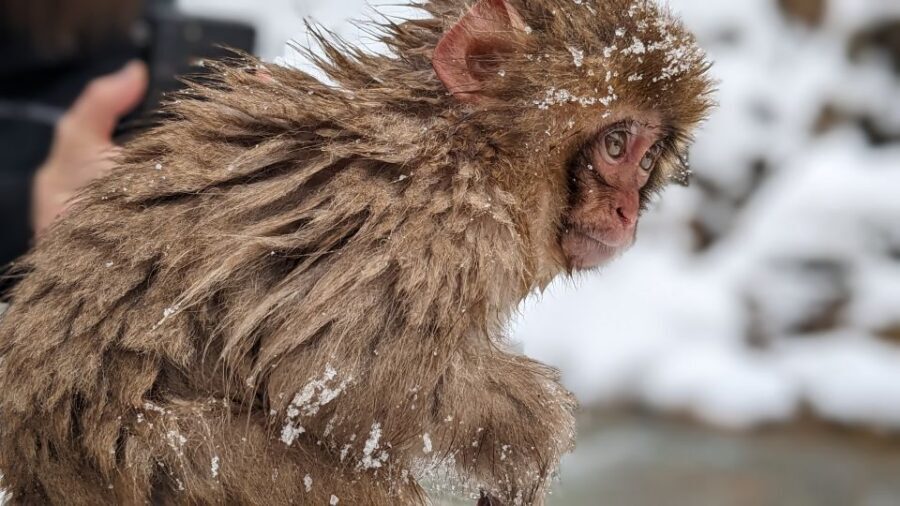
- Winter nature scenes and snowy photo opportunities
- Watching animals in a real setting with clear behavior rules
- A guided day where logistics are handled
- An early Japan adventure beyond Tokyo city life
It’s also a tough match for some folks. The tour data says it’s not suitable for pregnant women and wheelchair users. Even for people who are not in those categories, the walking segment matters. The walk from the parking area is more than 30 minutes, and it can be slippery. If you have balance issues or limited mobility, bring extra caution and plan your footwear like it’s the most important item in your bag.
If you’re traveling solo, it welcomes participants from one person onward, so you won’t be forced into a minimum group size mindset.
Should you book this Tokyo-to-Nagano Snow Monkey day trip?
Book it if you:
- Want a high-impact winter highlight without planning logistics across rural transport
- Can handle a long coach day and an icy walk
- Don’t treat hot-spring soaking as guaranteed, but as a possible reward for patience
- Like the idea of a guided day with English support and clear rules for wildlife viewing
Skip it or choose another option if you:
- Struggle with slippery walking or don’t feel confident in non-slip shoes
- Want a guaranteed animal-sighting outcome
- Need a more leisurely pace with minimal walking
If you go, your best success strategy is simple: dress warm, wear truly non-slip footwear, and keep your expectations flexible. The monkeys are the show, but your job is to show up safe and steady long enough for the show to happen.
FAQ
How long is the tour?
The tour is listed as a 1-day experience. The coach ride includes up to 3.5 hours of travel time, and you’ll spend about 2 hours at Jigokudani Monkey Park, plus time for lunch.
Where do I meet the guide in Tokyo?
You meet the guide at Nishi Shinjuku outside the Shinjuku i-Land building, at the LOVE sculpture.
What’s included in the price?
The tour includes pickup/drop-off at the Tokyo meeting point, coach transportation, entry to Jigokudani Monkey Park, lunch (beef sukiyaki), and (from Jan 23 to Mar 1, 2026) entry to Kamakura no sato. It also includes an English-speaking guide.
Is lunch included, and can I avoid beef?
Yes, lunch is included and it is beef sukiyaki. If you prefer, you can request pork or vegetarian/vegan options when you make your reservation.
Do I need crampons or special shoes?
Non-slip shoes are strongly recommended due to ice and snow. Crampons are optional and sold onboard the bus, so you can decide based on conditions and your footwear.
Are snow monkey hot-spring sightings guaranteed?
No. Sightings of the monkeys are not guaranteed, and monkeys do not spend most of their time in the water.
When are the Kamakura snow huts included?
They are included for travel dates between Jan 23 and Mar 1, 2026.
Is this tour suitable for wheelchair users or pregnant travelers?
No. The tour is listed as not suitable for wheelchair users and pregnant women.