REVIEW · KYOTO
Osaka/Kyoto: Arashiyama, Nara & Fushimi Inari Shrine w/Lunch
Book on GetYourGuide →Operated by VIP Japan Tour · Bookable on GetYourGuide
Torii paths and bamboo wonder in one day. This guided day trip strings Arashiyama Bamboo Forest with Nara Park and ends at Fushimi Inari Shrine.
I really like the way the food is built into the day: lunch at Kyoto Wasabi in a 120+ year townhouse, with Kobe beef shabu-shabu, pork shabu-shabu, or vegetarian curry. One drawback to factor in: the stops run on a tight schedule, so the last climb at Fushimi Inari can feel a bit compressed if you want to wander slowly.
In This Review
- Key highlights to look for
- What You’re Really Doing: A Fast Hit of Kyoto and Nara
- Arashiyama Bamboo Forest: How to Enjoy It Without Feeling Rushed
- The Kyoto Wasabi Lunch Break: Kobe Shabu-Shabu in a 120+ Year Townhouse
- Nara Park and Todai-ji: Deer Encounters and Temple Scale
- Fushimi Inari Shrine: The 1,000 Torii Gates Problem (and the Payoff)
- How the Day Actually Runs: Guides, AC, and Timekeeping
- Transportation and Comfort: What Matters in Hot Months
- Price and Value: Why $61 Can Make Sense Here
- Who This Tour Suits (and Who Might Prefer DIY)
- The Bottom Line: Should You Book This Osaka/Kyoto Day Trip?
- FAQ
- Is lunch included, and what options do you get?
- How long is the tour?
- What language support is available on the tour?
- Do I need to pay for Todai-ji Temple?
- Is the bus air-conditioned?
- Where does the tour end?
- What should I know about the deer at Nara Park?
Key highlights to look for
- Arashiyama Bamboo Forest: a classic walk where the views do the heavy lifting.
- Kyoto Wasabi lunch: Kobe shabu-shabu plus a vegetarian curry rice option.
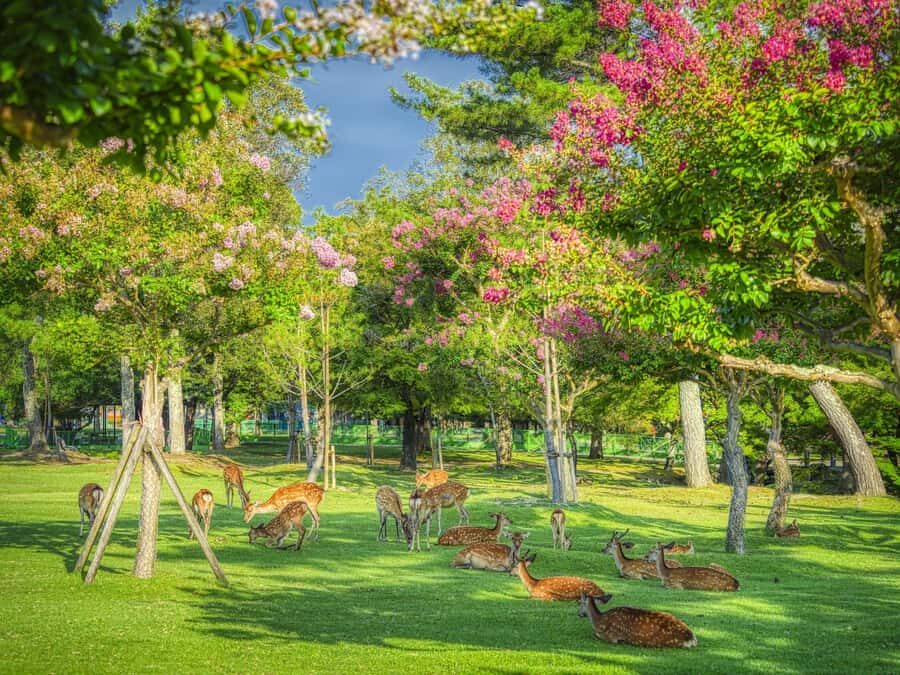
- Nara Park deer time: a memorable meet-and-greet if you treat them as wild animals.
- Todai-ji temple option: the area’s must-see scale, with the entrance fee listed as optional.
- Fushimi Inari torii gates: iconic red tunnel paths, with crowds that can slow you down.
- On-bus guidance + self-exploring: you get the game plan, then you roam and return by time.
What You’re Really Doing: A Fast Hit of Kyoto and Nara
This is one of those days that’s designed for momentum. You start in the Osaka or Kyoto area with an English- or Chinese-speaking guide and an air-conditioned vehicle, then you move through three heavyweight stops: bamboo in Arashiyama, temples and deer in Nara, and the torii-gate climb at Fushimi Inari.
The value idea is simple: instead of wrestling with transfers across the Kansai region, you get a structured route with guidance and timing. You still get to roam on foot at each site, which matters—because these places aren’t best experienced from a bus window.
A few more Kyoto tours and experiences worth a look


Arashiyama Bamboo Forest: How to Enjoy It Without Feeling Rushed
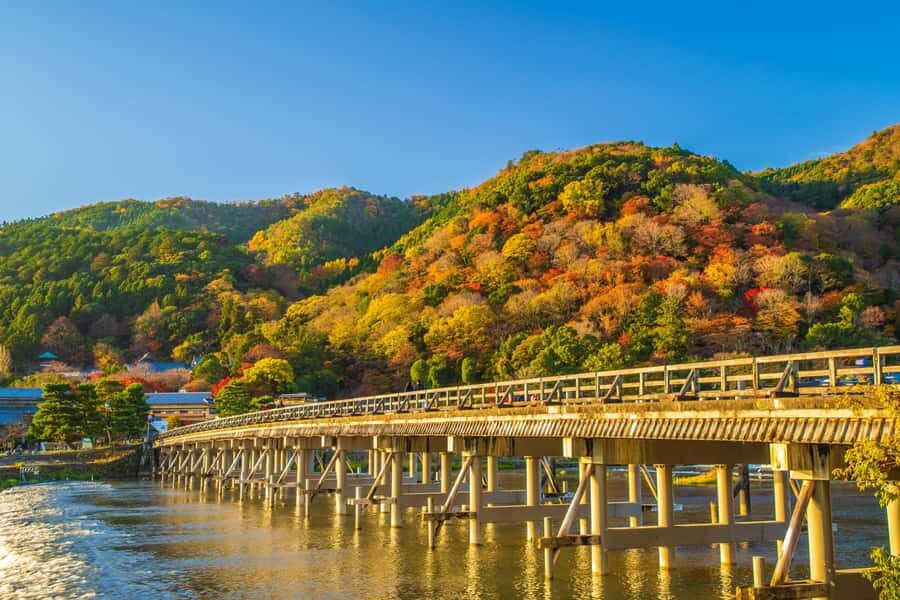
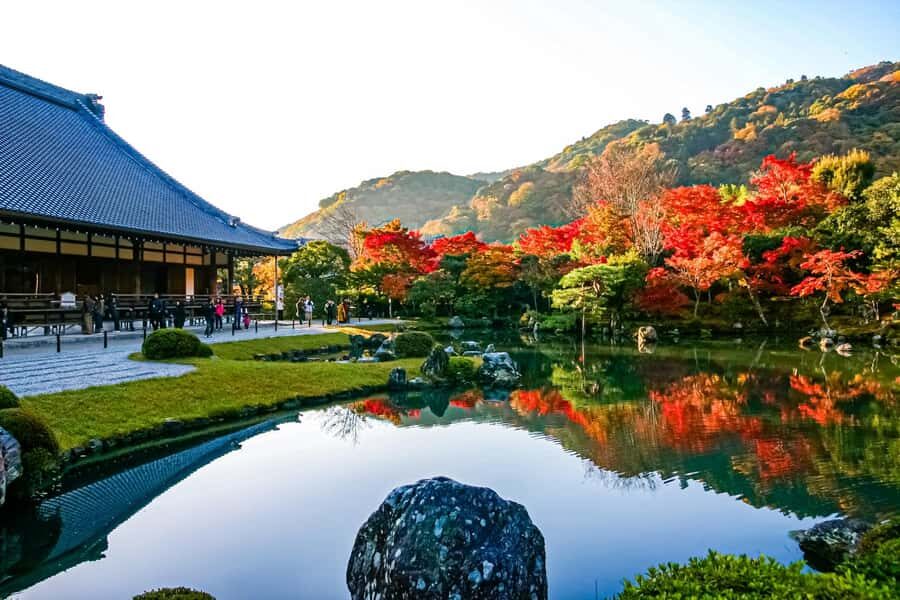
Arashiyama Bamboo Forest is one of those Kyoto scenes that looks unreal even when you’ve seen photos. The towering bamboo stalks create a shaded corridor effect, and the walk feels calm compared with the city streets you’ll likely pass before and after.
What I like about this stop on a guided day: the tour gives you time to actually walk, not just pose and go. Many guests focus on how the bamboo walk is a “cool relief” in summer heat, which is exactly what you want from a morning-to-midday itinerary.
Practical tip: bring your comfy shoes and plan to stop often for photos. Bamboo doesn’t need a long speech—it needs your attention. If you’re going in hot weather, you’ll appreciate that the group tends to manage pacing, and guides often help with small comfort items like refreshments and wipes.
The Kyoto Wasabi Lunch Break: Kobe Shabu-Shabu in a 120+ Year Townhouse
Lunch is the anchor of the day. You eat at Kyoto Wasabi, described as a charming Kyoto townhouse that has welcomed guests for over 120 years, which already makes it feel more like a stop with character than a generic restaurant ticket.
The big win is choice. You can go for Kobe beef shabu-shabu, where thin wagyu is cooked right at the table in a savory broth. There’s also pork shabu-shabu and a vegetarian curry rice option, so you’re not forced into a single “one-size” meal.
This is also where the tour earns its “value” points. Many day trips sell you on the sights and then use lunch as an afterthought. Here, lunch is positioned as a highlight—especially for people who want one splurge meal without going off-script.
What to expect in rhythm: you’ll break from walking and let the guide settle the rest of your plan. If you’re traveling with family or on a tight schedule, this lunch stop is a real reset button.
Nara Park and Todai-ji: Deer Encounters and Temple Scale
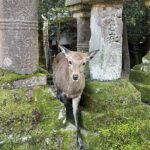
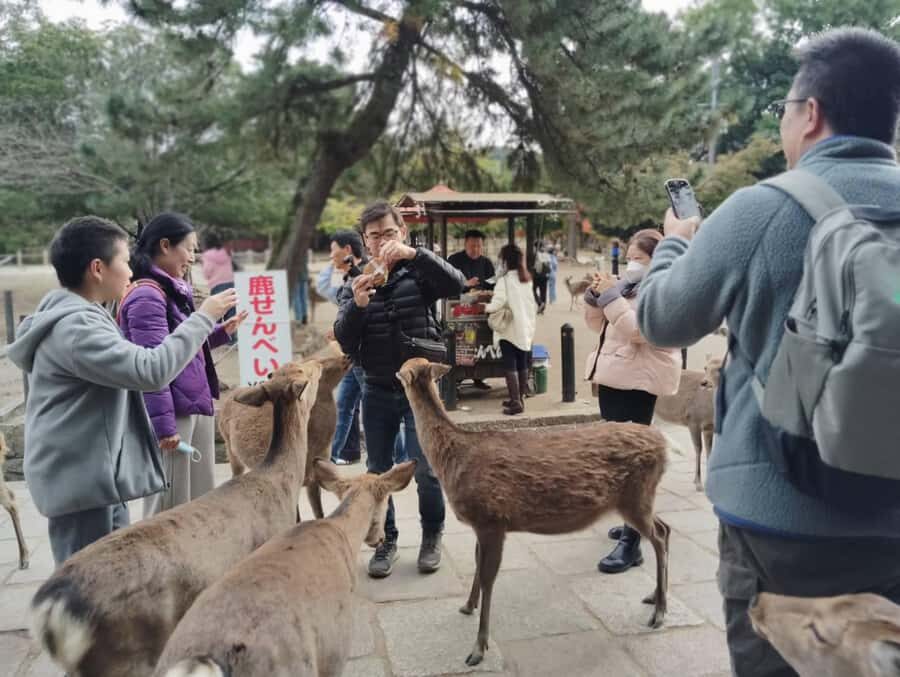
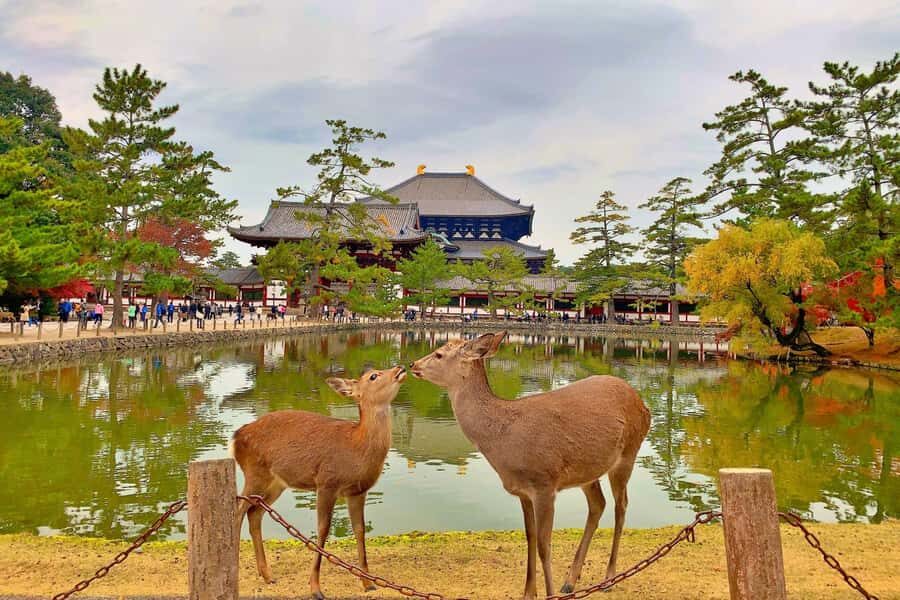
Nara Park is famous for a reason: you’ll see deer up close, and the interaction can feel playful in a way that’s hard to manufacture elsewhere. This tour includes time at Nara Park, where the mood is relaxed and the deer are the show.
That said, the rules matter. The deer are wild animals, so you should avoid bothering them or trying to feed them in ways you wouldn’t do in nature. One practical detail from experience on the ground: there’s a warning to stay away from “chocolate,” because it’s not meant for the animals.
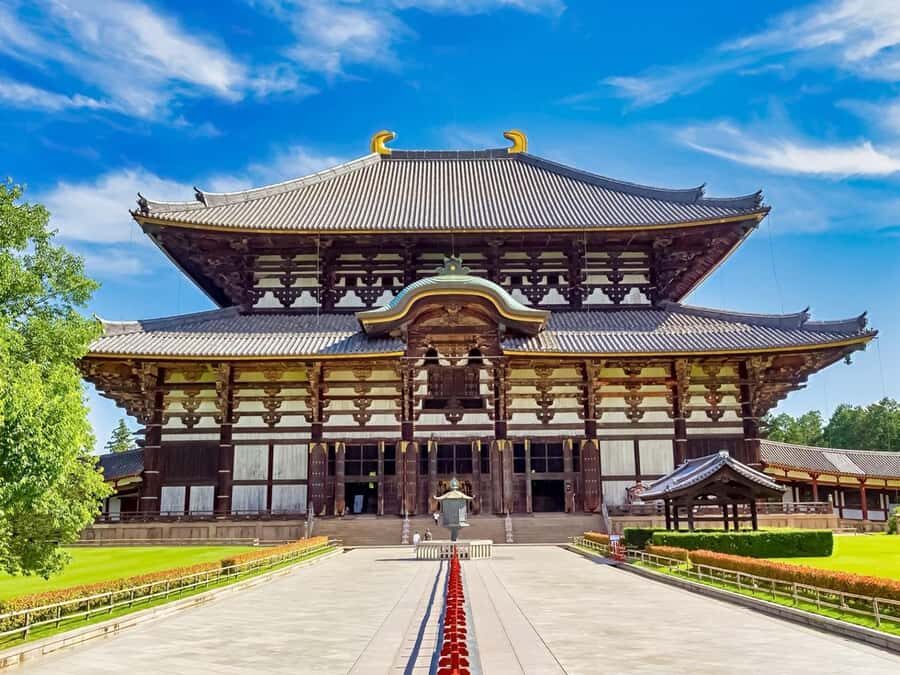
Todai-ji is the temple stop you’ll likely recognize instantly once you’re there. The tour highlights it as the world’s largest wooden structure and notes the tall Buddha statue (15 meters). Entrance to Todai-ji is optional and not included, so you’ll want to decide on the spot whether you want to add that fee for the interior experience.
The way this works in a day-trip format: the guide sets you up, then you explore at your own pace. If you love photos, this is a great place to slow down—because deer and temple architecture give you strong angles without needing a lot of extra travel time.
Fushimi Inari Shrine: The 1,000 Torii Gates Problem (and the Payoff)
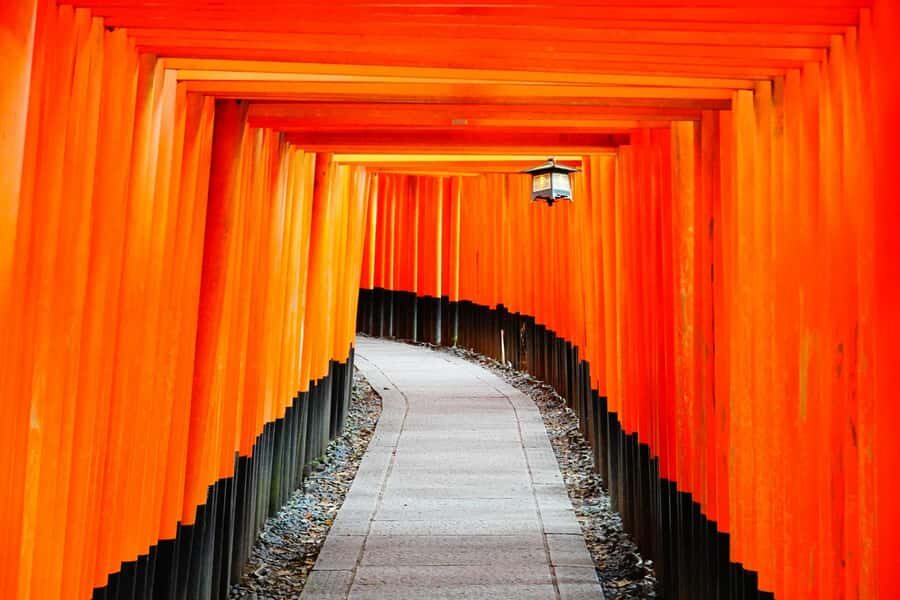
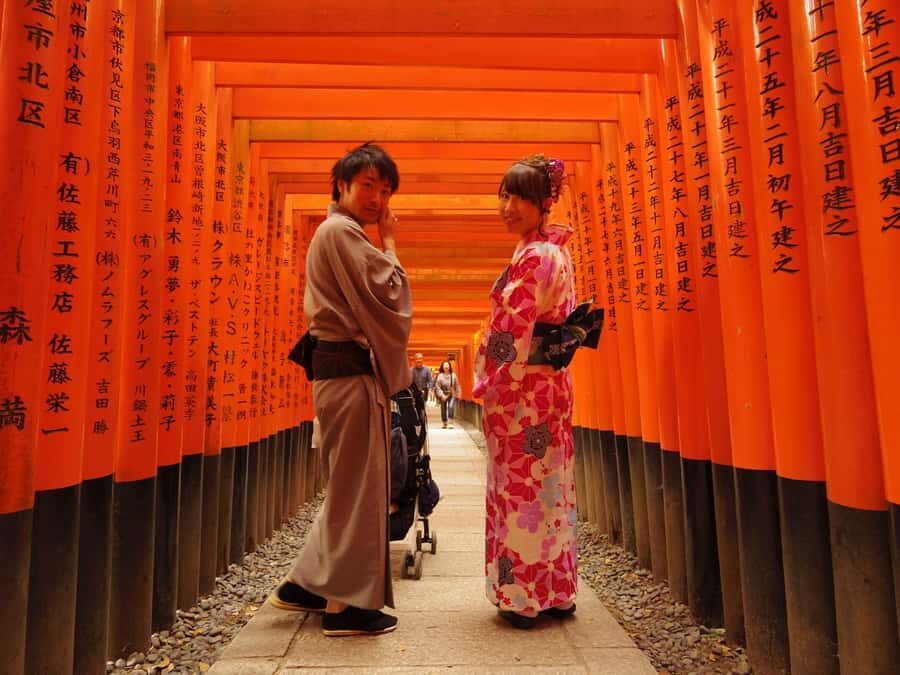
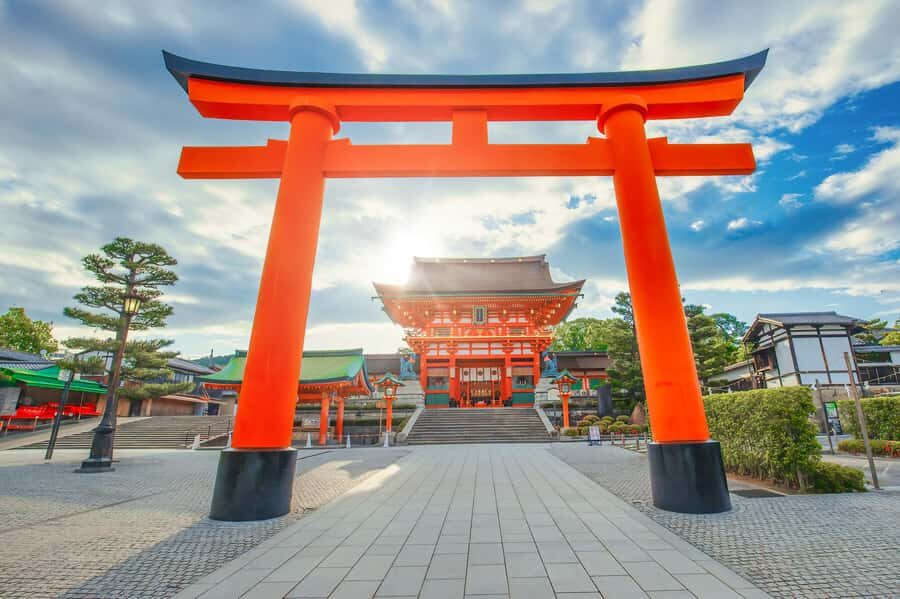
Fushimi Inari Taisha is the star attraction for many first-time visitors, and this tour takes you there. You’ll see the iconic 1,000 vermilion torii gates forming a tunnel-like pathway up Mount Inari, plus multiple smaller shrines along the route.
Here’s the balance: the shrine is stunning, but it’s also crowded, especially as the day moves forward. More than one guest points out that the time you have can feel tight—sometimes you can’t walk as quickly as you’d like because congestion builds and the bus parking area is some distance from the entrance.
So how do you make it work?
- Wear shoes that handle stairs and uneven ground.
- If you’re aiming for the best torii-gate “depth” photos, plan to move with purpose once you step into the gate path.
- Accept that you’ll probably cover a portion of the main climb rather than treating it like a long hike.
The payoff is worth it. Even a shorter walk through the torii tunnel hits you with that layered feeling—rows of red gates compressing space and making you look deeper than you expected.



How the Day Actually Runs: Guides, AC, and Timekeeping
This tour runs on a clear structure. You’re in an air-conditioned vehicle, and the guide gives English- or Chinese-speaking commentary, with group size sometimes shaping whether it’s one language or a mix.
I like the “bus briefing + then go” style because it keeps you from being stuck watching one viewpoint. Once you’re at the sites, you typically roam and return on schedule rather than having a constant shadow-guide walking beside you.
Also, guide quality seems to matter a lot here, and names show up again and again: Gary and Eric get praised for humor, attentiveness, and keeping people organized. Nik, Mike, Tracy, and Kevin also appear in glowing comments—some mention heat help like wipes or fans, and a few note that guides took photos for individuals and helped with things like how to get blessings at the shrine.
Two timing notes you should take seriously:
- The bus departs promptly, and they won’t wait if you’re late to the meeting point.
- If you choose the wrong meeting location, you can miss the tour, and refunds aren’t described as available for that situation.
That’s the trade-off for a day trip built for efficiency. If you like a slow, flexible day, you’ll feel the pressure here. If you like a structured day with clear progress, this format fits well.
Transportation and Comfort: What Matters in Hot Months
The air-conditioned bus is a big deal for this route. You’re moving between neighborhoods, then walking multiple attractions in a day that can easily run long (around 9 hours, but traffic and conditions can shift that).
Comfort support shows up in real guide behavior. Some guests specifically mention heat-management touches: refreshing wipes, fans, and help refilling water bottles. Those are small gestures, but they matter on the kind of walking days where dehydration sneaks up on you.
Quick practical take: bring sunscreen and water. Even with good guidance, you’ll still be in the sun during the bamboo and torii climbs. You don’t need to pack for an expedition, but you do need to pack for real weather.
Price and Value: Why $61 Can Make Sense Here
At $61 per person, the question isn’t just the sticker price—it’s how much you get for it. You’re buying transportation, an English- or Chinese-speaking guide, and an included lunch, plus all taxes and fees.
If you break it down by what you’re avoiding:
- You avoid the planning stress of coordinating separate rides between Arashiyama, Nara, and Fushimi Inari.
- You get a guide to help you make sense of what you’re seeing, and that helps on crowded sites.
- You get lunch that’s not a basic set meal, but a choice-based experience that can include Kobe beef shabu-shabu.
Where value can wobble: if you’re the type who wants hours at a single place. A few guests feel the day is a little fast, especially regarding how long you get at Fushimi Inari. That’s not a fault of the tour—it’s how “three icons in one day” works.
So the value equation is best for you if you want to cover the big Kyoto-region highlights quickly, not if you want to treat this as one long wandering day.
Who This Tour Suits (and Who Might Prefer DIY)
This tour is a great match if:
- You want a short time in Japan to cover the biggest hits.
- You prefer not to coordinate transport across Kansai.
- You enjoy guided context but still like freedom to explore on foot.
It might be less ideal if:
- You want unhurried time at Fushimi Inari or Todai-ji and hate feeling boxed into a return deadline.
- You struggle in groups where there’s lots of walking and a “find your way back on schedule” rhythm.
One more note: some guests describe that the guide provides the main guidance from the bus and then you self-tour at each stop. If you want constant, on-the-ground narration at every corner, you might feel the difference.
The Bottom Line: Should You Book This Osaka/Kyoto Day Trip?
If your goal is to check off Arashiyama Bamboo Forest, Nara Park (and deer), and Fushimi Inari’s torii gates in one day with an included lunch that can be Kobe shabu-shabu, this is easy to recommend. The $61 price works best when you value convenience and structure as much as sightseeing.
I’d book it if you’re heat-proof, love photos, and don’t need hours of free-form wandering at each site. If you’re the type who wants slow, deep time in one area, you may want a slower plan and skip the packed schedule.
FAQ
Is lunch included, and what options do you get?
Lunch is included. You can choose Kobe beef shabu-shabu, pork shabu-shabu, or vegetarian curry rice.
How long is the tour?
The tour is approximately 9 hours, though it may vary due to traffic or unforeseen conditions.
What language support is available on the tour?
The guide provides English- or Chinese-speaking commentary. Depending on group size, commentary may be in both English and Chinese.
Do I need to pay for Todai-ji Temple?
Entrance to Todai-ji Temple is not included and is listed as optional.
Is the bus air-conditioned?
Yes. The tour includes an air-conditioned vehicle.
Where does the tour end?
The tour ends back at the meeting point. There’s also an option to disembark at either Kyoto or Osaka when returning by bus.
What should I know about the deer at Nara Park?
The deer are wild animals. You should not disturb them.