A shrine in the clouds of orange. A private guide turns Fushimi Inari into a calmer, more meaningful walk, with time for photo stops and explanations of Shinto beliefs along the way. I like that you’re not just moving from gate to gate—you’re learning what you’re seeing as you go, including vermilion torii, bamboo paths, and the famous Senbon Torii stretch. One consideration: this is a moderate walking hike, so bring comfortable shoes and plan for steady uphill and downhill.
Two things I really like. First, the route is designed to steer you away from the busiest main lines and onto quieter Mt. Inari trails, where the atmosphere feels more sacred and less crowded. Second, you’ll get commentary in English on Japanese history and culture, plus Shinto context that helps the shrine make sense beyond the photo ops. If your guide is Louis, he’s known for thoughtful routing and clear, practical explanations that keep the pace friendly.
The possible drawback is timing and weather. The experience is best with good conditions, and since it’s a walk with some elevation, rainy or hot days can make the experience feel more work than it does in crisp morning air.
In This Review
- Key things to know before you go
- Why this private Inari hike feels different from the usual rush
- Price and what you’re really paying for at $62.26 per person
- Meeting at FamilyMart Nakai Tofukuji: quick start, clear handoff
- Views of Tofuku-ji on the way up: a Zen temple moment before the torii
- Fushimi Inari Taisha: torii gates, bamboo shade, and the path to Senbon Torii
- The main shrine area: what to look for as you pause
- Quiet Mt. Inari trails: how the guide helps you avoid the biggest crowd traps
- Photo ops done right: DSLR snapshots you don’t have to chase
- Coming back down with a new view: Fushimi Momoyama Castle from the mountainside
- Duration and pacing: about 3 hours that feel like you used your time well
- What’s included vs. what you’ll handle yourself
- Where you end: Romon Gate, right before the main hall area
- The bottom line: should you book this private Inari hike?
- FAQ
- How long is the Fushimi Inari Hidden Hike private tour?
- What time does the tour start?
- Where is the meeting point?
- Where does the tour end?
- Is this a private tour?
- What’s included in the price?
- Do I need to pay for admission?
- What is not included?
- Is the tour available in bad weather?
- What fitness level do I need?
Key things to know before you go
- Private guide, not a crowd walk: You get undivided attention and help picking the right route and pace.
- Quiet Mount Inari trails: You’ll spend real time away from the most packed paths.
- Torii gate photo opportunities: The route is built around great angles, not just getting you through.
- Shinto and cultural context: Your guide explains what you’re seeing and why it matters.
- DSLR photo service: Complimentary photos are taken and shared after the tour.
- Spectator views on the edges: Tofuku-ji and Fushimi Momoyama Castle show up as scenic moments.
Why this private Inari hike feels different from the usual rush
Fushimi Inari Taisha is famous for a reason: the torii gates look unreal, and the walk through them is pure Kyoto drama. But if you arrive expecting just a nice stroll, the crowds can quickly turn it into a stop-start line. This private format changes the rhythm.
You’re not stuck weaving through the main flow. Instead, the walk is set up to help you step away onto quieter trails as you go toward and around Mount Inari. That shift matters. When you’re less rushed, you notice more—the bamboo’s shade, the way the shrine paths bend, the mood near the main shrine area.
And because it’s private, you can actually ask questions. The guide’s English narration covers Japanese history, culture, and Shintoism, so you’re not guessing what symbols mean. It turns your photos into more than snapshots. You start to understand why the gates exist, why people visit, and what roles the mountain paths and shrine spaces play in everyday faith.
You can also read our reviews of more private tours in Kyoto


Price and what you’re really paying for at $62.26 per person
At about $62.26 per person for roughly 3 hours, you’re paying for more than a guided entry into a popular site. You’re buying three practical things:
1) A private, English-speaking local guide
That’s the biggest cost driver, and it’s why the experience can route you onto the quieter trails rather than funnel you through the standard bottleneck routes.
2) Interpretation, not just directions
The narration on history, culture, and Shintoism changes how you experience Fushimi Inari. Without context, torii gates can just look like scenery. With context, you’re watching a living religious space.
3) DSLR photo coverage
You also get complimentary photos taken with a DSLR camera, shared after the tour. That’s useful if you want images that look intentional without having to constantly stop and hand your phone to strangers.
If you’re traveling as a small group (friends or family), ask about group discounts and consider splitting the experience among your party. And if you’re wondering when to book: this one is commonly reserved around 32 days in advance, so it’s smart to lock it in earlier rather than hoping for last-minute availability.
Meeting at FamilyMart Nakai Tofukuji: quick start, clear handoff
Your tour starts at 8:30 am at FamilyMart Nakai Tofukuji, 12-chōme-232 Honmachi, Higashiyama Ward. Starting with a recognizable convenience store landmark is a small but real benefit. You can orient fast, meet your guide without drama, and get moving while the area is still fresh.
It’s also described as being near public transportation, which matters in Kyoto where routes are good but can be confusing when you’re early and jet-lagged. You won’t be stuck figuring out a remote pickup.
From the beginning, the private structure helps you adjust. If your group moves at a slightly different pace than average, the guide can tailor the timing so you don’t feel sprinted—or dragged.
Views of Tofuku-ji on the way up: a Zen temple moment before the torii
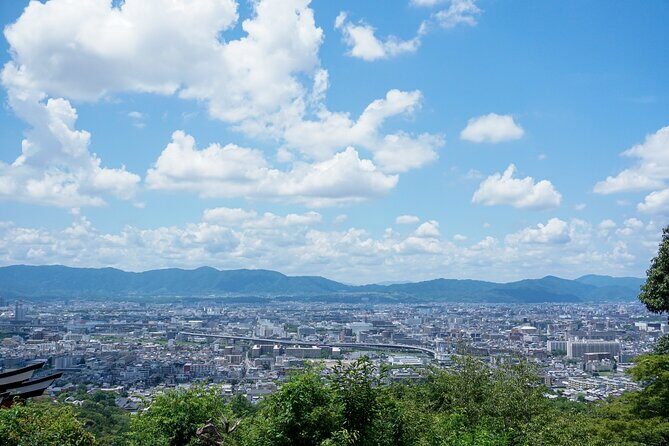
Before you reach the shrine area, you’ll pause for views of Tofuku-ji, one of Kyoto’s Five Great Zen Temples. This is a great warm-up. It puts Kyoto’s broader religious landscape into the frame before you focus narrowly on Inari.
Even if you don’t enter the temple grounds during this tour, the perspective gives you a “Kyoto map in your head.” You start seeing how different religious traditions share the same city space and how mountains and sacred sites thread through the region’s layout.
It’s also a useful breather. You’re about to walk a lot, and a short scenic stop makes the overall hike feel less like a grind and more like a guided stroll through layers of meaning.
Fushimi Inari Taisha: torii gates, bamboo shade, and the path to Senbon Torii
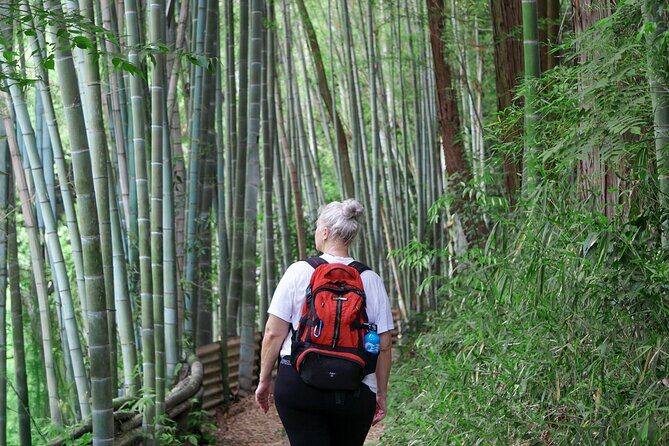
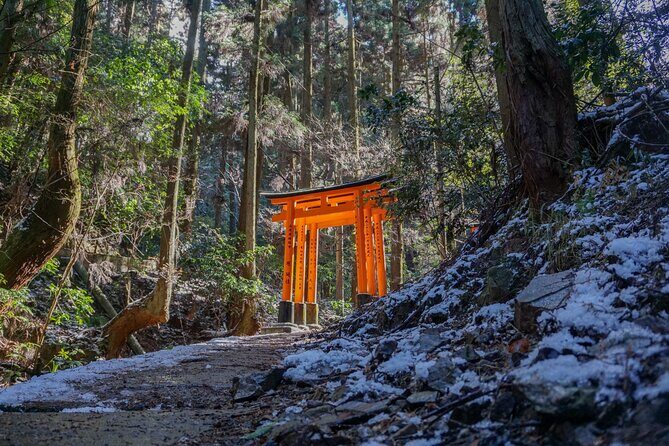
Once you’re at Fushimi Inari Taisha, the route shifts into classic Inari mode: vermilion torii gates, bamboo groves, and mountain paths that feel like they’re steering you upward on purpose.
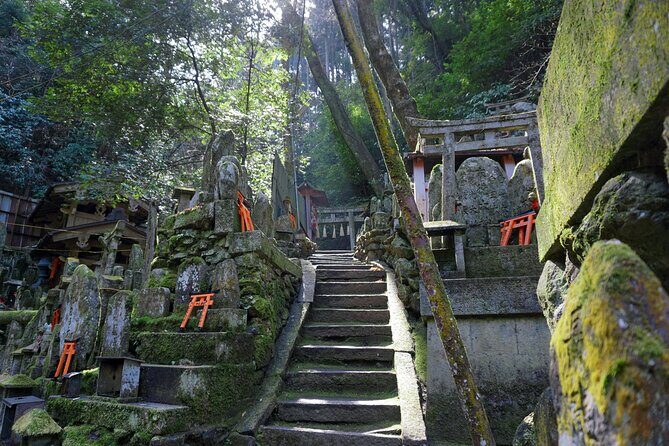
This portion includes the walk through the gates and the transition toward the iconic Senbon Torii Gates, plus time at the main shrine area. The order matters here. Going step-by-step through the space helps you understand the scale. A fast self-guided pass often turns everything into one long orange blur. With a guide, you notice the changing spaces and what each zone is doing for worship and movement.
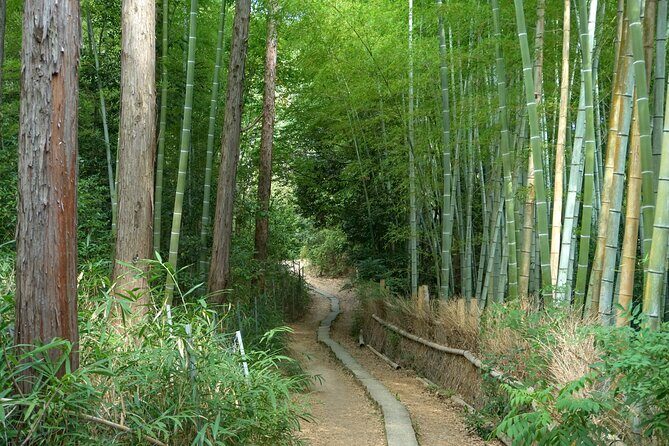
Bamboo groves are one of those “Kyoto details” you don’t always get on a rushed itinerary. They soften the light and the sound, so the walk feels cooler and quieter even when you’re close to the most famous parts of the shrine. That’s where the private routing pays off: you’re not just visiting Inari; you’re experiencing its mood.
You can also read our reviews of more hiking tours in Kyoto


The main shrine area: what to look for as you pause
Even though this is a walking hike, you’ll stop enough to take in the main shrine area without feeling like you’re popping in for a minute and leaving. Your guide’s English narration on Shintoism is the key here.
Since you’ll get explanations tied to what you see, you can treat the main shrine stop as a checkpoint. Look around slowly, ask a question if anything feels confusing, and don’t rush the moment just because the gates look like the main event.
Quiet Mt. Inari trails: how the guide helps you avoid the biggest crowd traps
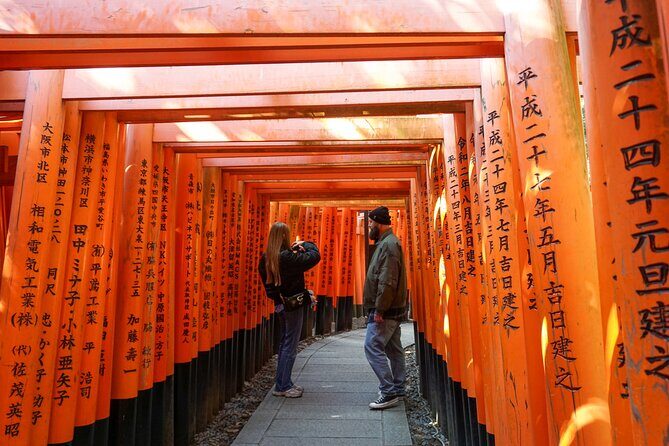
The big promise of this experience is that you’ll spend time on quieter Mt. Inari trails away from the main tourist paths. That’s exactly what you want if your goal is to feel the shrine rather than just tick it off.
In practical terms, this means you’re more likely to get:
- breathing room for photos (without constantly waiting for people to pass)
- moments of stillness near the route curves and hillside paths
- time to hear your guide’s explanations instead of competing with the sound of a packed staircase
It also helps with navigation. A major stressor at Inari isn’t just crowds; it’s that there are many paths, many gates, and lots of “same-but-not-same” directions. A private guide keeps you from wandering in circles, which saves your energy for the walk rather than using it on problem-solving.
You’ll want moderate fitness for the uphill and downhill segments. Nothing is described as extreme, but you should expect a proper hike, not a flat stroll.
Photo ops done right: DSLR snapshots you don’t have to chase
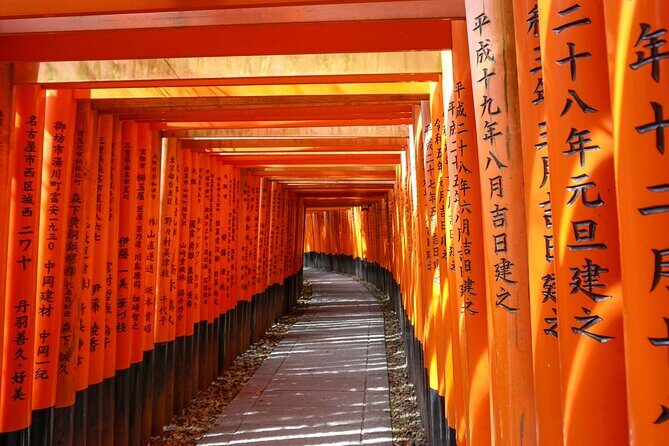
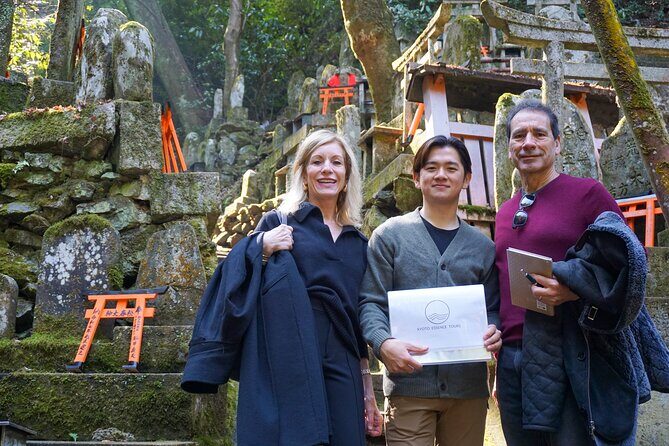
One of the easiest “why this is worth it” benefits is the complimentary photo service. You’ll have photos taken with a DSLR camera, and they’re shared after the tour.
This matters because Inari is hard to photograph well when you’re busy walking, checking angles, and trying to manage crowds. With a guide timing your stops and positioning you, you can focus on enjoying the walk while still getting images that look planned.
If you care about photos (and who doesn’t at Inari), this can be the difference between scattered selfies and a real set of keepsakes.
Coming back down with a new view: Fushimi Momoyama Castle from the mountainside
On the return path, you’ll enjoy scenic views of Fushimi Momoyama Castle from the mountainside. That’s a smart design choice. Often, shrine hikes feel like a one-way story: you go up, you look at the highlight, then you fade back down.
Here, the descent includes a second “wow” moment. It gives your eyes something new to focus on, and it helps the tour feel like a full arc rather than a simple march.
The castle view also adds historical texture. You’re still in the Inari setting, but the perspective makes you think about Kyoto’s layers—how religious sites and political history share the same geography.
Duration and pacing: about 3 hours that feel like you used your time well
The tour runs about 3 hours. That’s long enough to feel like a real hike, but short enough that it doesn’t steal your whole day from the rest of Kyoto.
The best part is that the pace is controlled by your guide. Your time near the shrine and on the quieter trails is part of the plan, not something you improvise on the fly. With a private guide, you can move at a comfortable walking pace while still hitting the key visual moments.
If you’re doing other Kyoto sights later, this timing fits well. Morning energy tends to be best for walking, and starting at 8:30 am helps you get into the space when conditions are generally more manageable than midday rush.
What’s included vs. what you’ll handle yourself
Included:
- Private tour
- English-speaking local guide based in Kyoto
- English narration on Japanese culture, history, and Shintoism
- Visits to quieter Mt. Inari trails away from the main tourist paths
- Complimentary DSLR photos shared after the tour
- Admission ticket is free for the time at the shrine area
Not included:
- Food and drinks
- Hotel pick-up and drop-off
So I’d plan to bring water and a light snack if you tend to get hungry while hiking. There’s no mention of food being part of the experience, so don’t rely on this tour for meals.
Where you end: Romon Gate, right before the main hall area
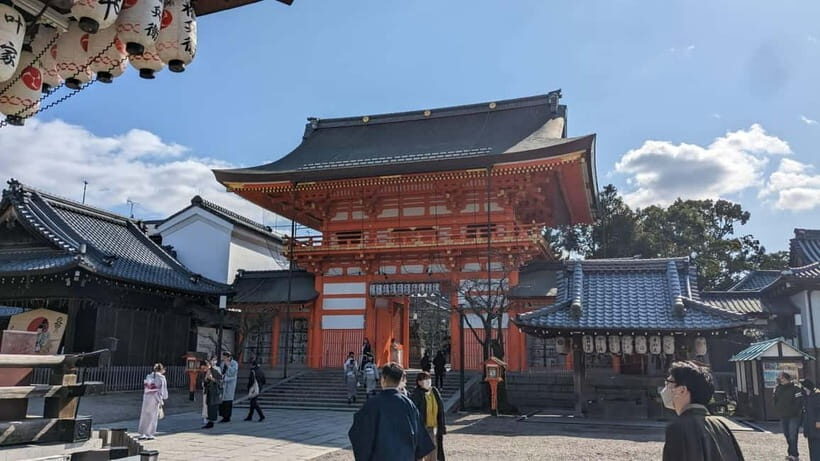
The tour ends in front of the Romon Gate at Fushimi Inari Shrine—just before the main hall. Ending near the main shrine zone is helpful. You can continue exploring nearby areas without backtracking or losing time figuring out where the rest of your route starts.
The bottom line: should you book this private Inari hike?
Book this tour if you want Fushimi Inari to feel personal, calm, and understood—not just photographed. The private guide format is the real value: it helps you avoid the busiest paths, gives you Shinto context while you walk, and backs it up with practical photo support.
I’d skip it only if you’re chasing a no-thought, self-guided checklist and you don’t care about narration or quieter trails. If you want a richer experience with better pacing—and you’re willing to do a moderate walk—this is one of the most satisfying ways to see Inari.
FAQ
How long is the Fushimi Inari Hidden Hike private tour?
It’s approximately 3 hours.
What time does the tour start?
The start time is 8:30 am.
Where is the meeting point?
You meet at FamilyMart Nakai Tofukuji, 12-chōme-232 Honmachi, Higashiyama Ward, Kyoto.
Where does the tour end?
The tour ends at Fushimi Inari Shrine, in front of the Romon Gate, just before the Main Hall.
Is this a private tour?
Yes. It’s private, and only your group participates.
What’s included in the price?
A private tour, an English-speaking local guide, English narration on Japanese culture/history/Shintoism, visits to quieter Mt. Inari trails, and complimentary DSLR photos shared after the tour.
Do I need to pay for admission?
The tour states the admission ticket is free for the time at the shrine area.
What is not included?
Food and drinks are not included, and there’s no hotel pick-up or drop-off.
Is the tour available in bad weather?
The experience requires good weather. If it’s canceled due to poor weather, you’ll be offered a different date or a full refund.
What fitness level do I need?
The tour notes a moderate physical fitness level is recommended.