REVIEW · TOKYO
Kabukicho Macabre Tour – the Real Tokyo Vice
Book on GetYourGuide →Operated by 有限会社スクラムライス · Bookable on GetYourGuide
Neon alleys have a second shadow. This Kabukicho Macabre Tour – the Real Tokyo Vice is built around real places in Shinjuku’s red-light area, so the stories land where they happened rather than staying theoretical. I especially love the stop-by-stop way the guide connects actual incident locations with the neighborhood’s evolving nightlife culture, and I like how the tour leans on prepared visuals and research, so the facts don’t feel improvised.
The vibe is dark and adult. You’ll hear about murders, mafia conflicts, murder-suicides, accidents, and cases that never fully resolved, plus you may pass areas known for ghost stories. One consideration: this is not for kids, and if you’re looking for a light, family-friendly night walk, this will likely feel too heavy.
In This Review
- Quick takeaways
- Why Kabukicho Feels Like Tokyo’s After-Hours Underworld
- Price and Time: Is $56 for a 2-Hour Night Walk Worth It?
- Meeting Point at Kabukicho Tower Starbucks: How to Start Without Stress
- The 2-Hour Route: What You’ll Actually Do on the Streets
- What the tour is building toward
- Kabukicho History + Red-Light District Culture: The Context That Makes It Stick
- Murder Sites, Mafia Conflicts, and Unsolved Cases: How the Stories Are Framed
- Vivian’s Approach: Why the Tour Feels Accurate, Not Generic
- YAKUZA and Tokyo Vice Stops: Recognizing Fiction Without Losing Reality
- The Shrine Visit Ending: A Respectful Way to Close a Heavy Walk
- Who This Tour Is For (and Who Should Skip It)
- Should You Book the Kabukicho Macabre Tour – The Real Tokyo Vice?
- FAQ
- Where is the meeting point?
- How long is the tour?
- How much does it cost?
- Is the tour in English?
- How big is the group?
- Is the tour wheelchair accessible?
- Is it suitable for children?
- What’s included besides walking?
- What is the tour ending with?
Quick takeaways
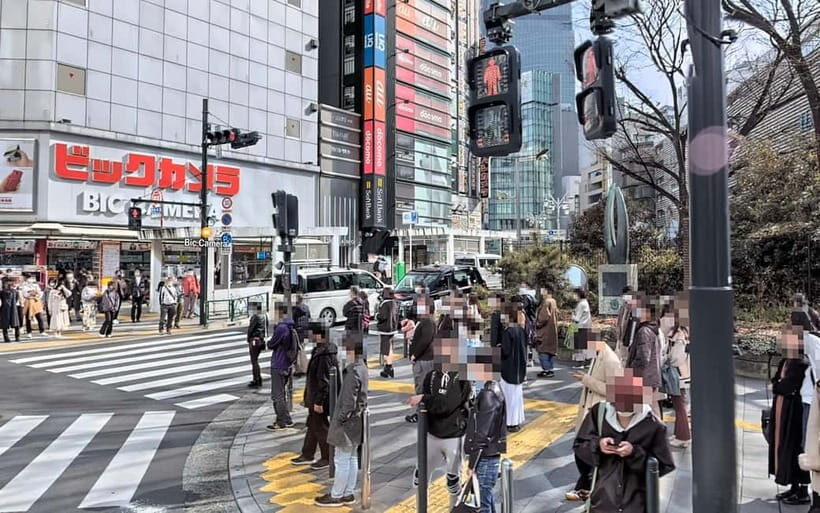
- Real incident locations in Kabukicho make the true-crime context feel grounded
- Well-researched storytelling with illustrated explanations helps you follow complex cases
- Shinjuku’s red-light culture is explained, not just shown
- Pop-culture pinpoints include YAKUZA and Tokyo Vice filming/locations you can recognize
- Small group size (up to 4) keeps the walking conversational and question-friendly
- A shrine visit at the end gives the night a calmer, respectful close
Why Kabukicho Feels Like Tokyo’s After-Hours Underworld
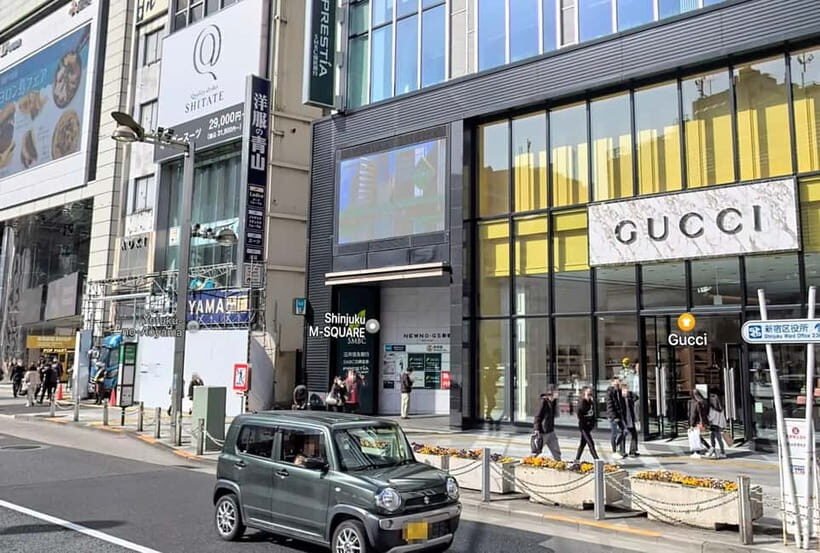
Kabukicho is one of those Tokyo places where the neon tells one story, and the street-level history tells another. It’s loud, busy, and visually confident—yet it also carries the weight of violent chapters, unresolved cases, and the social fallout that follows crime. That contrast is exactly what makes this kind of macabre walking tour work.
What you’re really buying here is context. The route is framed as a night through Shinjuku’s entertainment engine, but the tour keeps circling back to why people end up there in the first place: nightlife jobs, the economics of secrecy, and the way districts like this become magnets for both community and harm. You’ll also get a cultural lens, not just headlines—how Japan’s urban spaces handle shame, rumors, and public memory over time.
You can also read our reviews of more tours and experiences in Tokyo.



Price and Time: Is $56 for a 2-Hour Night Walk Worth It?
At $56 per person for 2 hours, you’re paying for two things: guided interpretation and access to locations with meaning. This isn’t a generic “see the sights” stroll. You’re walking with a guide who has formal academic focus on nightlife and night work in Japan, plus real-life experience from the area. That combination matters because it changes the tour from entertainment into something closer to fieldwork.
Also, the small group size (limited to 4 participants) improves the value. If you’ve ever been stuck at the edge of a big group trying to hear over footsteps and crosswalk noise, you know why that matters. Here, you can ask questions and the guide can pace the story to the people on the walk.
If you want a cheap thrill, you can find plenty of spooky content online. If you want an in-person guide who can connect the scary parts to the actual neighborhood system that produced them, then this price makes sense.
Meeting Point at Kabukicho Tower Starbucks: How to Start Without Stress
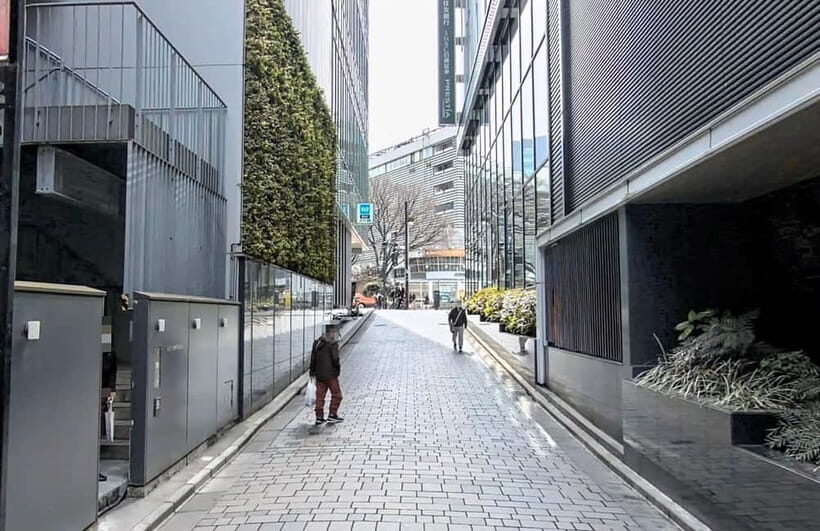
This tour starts at a very specific spot: in front of the Starbucks at Kabukicho Tower, on the stairs. It’s in the Kabukicho area, so it’s easy to get turned around in the glow, especially if you’re arriving hungry or a bit jet-lagged.
My practical tip: arrive a little early, stand where you can see foot traffic moving toward Kabukicho Tower, and take a moment to confirm the exact entrance. You’ll want your night energy for the walk, not for hunting the group at the last second. If you use the provided pin drop link, give yourself extra buffer time to account for the maze-like streets.
The 2-Hour Route: What You’ll Actually Do on the Streets
This is a walk-and-talk tour, so the format is simple: you move through Kabukicho while the guide explains what happened at key sites and why it mattered culturally. Expect the focus to span multiple types of incidents—crime stories involving organized networks, tragic personal outcomes, and cases framed through the lens of public safety and urban anonymity.
You’ll also pass places tied to both real-world lore and modern storytelling. The tour description includes stops that connect to the YAKUZA game locations and filming locations from HBO’s TOKYO VICE, which is a fun payoff if you like recognizing settings in fiction. Even if you don’t know the franchises, those cinematic landmarks help you visualize how the district is represented—and what the fiction chooses to emphasize.
What the tour is building toward
Near the end, the story pivots. After walking through the neon and the darker street memory, you end with a shrine visit. That shift is important. It prevents the night from becoming pure shock value and gives you a respectful cultural frame for ending a heavy topic.






Kabukicho History + Red-Light District Culture: The Context That Makes It Stick
A lot of “dark tours” fail because they treat crime like trivia. This one works better because it keeps circling back to how Kabukicho functions. You’re not only hearing that something happened; you’re also learning what the district was like around those years, how nightlife culture operated, and what kinds of social behavior flourished in spaces built for temptation, bargaining, and secrecy.
That context helps you read the streets differently. After a tour like this, a neon sign isn’t just decoration; it becomes part of how the neighborhood markets itself. A narrow alley isn’t just an atmospheric backdrop; it becomes part of how people move quickly, disappear briefly, and reappear under different names.
And yes, there’s a supernatural layer. The tour passes by areas known to be haunted, so you’ll hear the ghost-lore side of how Tokyo remembers and mythologizes places. You can treat that portion as folklore—or you can take it as part of how residents and nightlife culture process fear. Either way, it fits the district’s strange blend of commerce, rumor, and ritual.
Murder Sites, Mafia Conflicts, and Unsolved Cases: How the Stories Are Framed
One of the strongest parts of this tour is that it’s not vague. It focuses on pass actual locations of murder sites and then ties the incident story back to Kabukicho’s broader pattern of risk. The topics include mafia vendettas, murder-suicides, accidents, and tragic stories of jilted lovers, plus mentions of crimes that were never fully solved.
This framing matters for you as a visitor because it avoids the common mistake: turning true crime into pure spectacle. Instead, you get a guided explanation that connects the events to the place. You start to understand that a nightlife district can become a stage where power struggles play out, where privacy is sold, and where the consequences echo beyond the specific night.
I also like that the tour is paced around history over time. The description references a span of roughly 43 years, so the guide can show patterns rather than only listing one-off incidents.
Vivian’s Approach: Why the Tour Feels Accurate, Not Generic
The guide for this experience is Vivian, and she comes across as the kind of person who has done the work before bringing you out at night. In the feedback, people highlighted that she’s passionate, answers questions, and uses materials—like illustrations—to explain true-crime cases clearly.
That is a big deal in a tour like this. When you’re hearing about complicated events—multiple parties, shifting timelines, different motives—you need structure. Illustrations and prepared context help you follow the story without getting lost in names and dates.
Vivian also has an academic background tied to nightlife and night work in Japan. Translation: the tour isn’t only about the scary moments. It also connects the district to the human system behind it—why nighttime labor exists, how people adapt, and what the neighborhood offers to locals and visitors looking for escape.
If you like asking questions, the small group (up to 4) gives you that chance without turning the walk into a lecture overload.
YAKUZA and Tokyo Vice Stops: Recognizing Fiction Without Losing Reality
One fun twist here is the connection to pop culture. The tour is set up to let you pass locations associated with the YAKUZA game and settings used for TOKYO VICE. If you’ve played the games or watched the series, you’ll likely enjoy the feeling of matching screen images to real street geometry.
But the better value is what the guide can do with that recognition. Pop culture shows you a version of Kabukicho. Real streets come with different textures: the scale of alleys, the way crowds flow, the way commerce hides behind neon. When a guide points out what fiction changes—and what it gets right—it helps you see the district as more than a set.
Even if you’re not a fan, these references help you orient the area quickly. They act like landmarks for your brain.
The Shrine Visit Ending: A Respectful Way to Close a Heavy Walk
You finish the tour with a solemn shrine visit. That ending matters, because it changes the emotional tone. After hearing about violence, loss, and fear, a shrine stop gives you a culturally appropriate reset button.
You might also find that the guide offers a small protective ritual or item at the shrine, based on what some groups have reported. Either way, the structure is consistent: you don’t just scatter back into the neon. You close the night with a moment that feels grounded and respectful.
It’s a good reminder that in Japan, spirituality and everyday life often overlap—even in a district famous for night trouble.
Who This Tour Is For (and Who Should Skip It)
This is a true-crime and dark-urban-culture tour. So it suits you best if:
- you enjoy hearing real-world stories tied to specific places
- you like Tokyo trivia that goes past the usual temples and shopping streets
- you want to understand red-light nightlife as culture and economy, not just as scandal
It may not be for you if:
- you want a kid-friendly activity (it’s not suitable for children under 15)
- you’re sensitive to unsettling topics
- you prefer comedy-spooky instead of darker history
Also, treat it as an evening walk. Even with a wheelchair accessible format, you’ll still be moving through streets that can feel intense at night. If you’re comfortable navigating crowded, neon-lit areas after dark, you’ll be fine.
Should You Book the Kabukicho Macabre Tour – The Real Tokyo Vice?
Yes—if you want a serious, small-group nighttime experience in Shinjuku that treats Kabukicho like a real neighborhood with real consequences. The value comes from the guide’s preparation, the focus on actual locations, and the way Vivian connects crime stories to cultural context instead of turning it into a generic horror walk.
Skip it if you want light entertainment, or if true crime themes feel like too much for your trip style. But if you’re the type who enjoys Tokyo beyond the postcard layer, this tour gives you a sharper view—and a calmer shrine finish to balance the night.
FAQ
Where is the meeting point?
You meet in front of the Starbucks at Kabukicho Tower, on the stairs.
How long is the tour?
The tour is 2 hours.
How much does it cost?
The price is $56 per person.
Is the tour in English?
Yes, it’s a live English guided tour.
How big is the group?
The group is small, limited to 4 participants.
Is the tour wheelchair accessible?
Yes, it’s wheelchair accessible.
Is it suitable for children?
No. It’s not suitable for children under 15.
What’s included besides walking?
The tour is a walk and talk format that includes explanation of context and culture around the incidents, plus the guide shares prepared information and visuals.
What is the tour ending with?
The tour ends with a shrine visit.