REVIEW · TOKYO
Sushi Making Tokyo Roll and Authentic Japanese Sushi Class
Book on Viator →Operated by Sushi Making Tokyo Cooking Class in Japan · Bookable on Viator
Making sushi in Tokyo beats guessing. This hands-on class teaches you how to roll maki and shape nigiri with step-by-step guidance, and you finish by eating what you made. I also like that it feels approachable for beginners, not just for sushi die-hards, though one catch is that there’s no hotel pickup, so you’ll want to plan your own trip to the meeting point.
I like the location angle, too: you’re in Asakusa, just steps from Senso-ji Temple, which makes this an easy add-on to a real Tokyo neighborhood day. The class runs about 1 hour 40 minutes with a small group size (up to 30), uses a mobile ticket, and ends back at the starting point.
In This Review
- Key Highlights You’ll Actually Care About
- Asakusa Location: Why This Spot Works for Your Tokyo Day
- What You Learn: Nigiri and Maki Skills You Can Repeat
- Inside the Classroom: How They Keep It Beginner-Friendly
- Your Hands-On Flow: From First Steps to Finished Sushi
- The Sushi Meal: Not a Snack, a Real Lunch
- Price and Value: Is $59.69 Worth It?
- Who This Class Fits Best (and Who Might Prefer Something Else)
- Practical Tips for a Smoother Experience
- How to Pair This With Senso-ji Without Wasting Time
- Should You Book This Tokyo Sushi Making Class?
- FAQ
- How long is the sushi making class?
- Where does the class start and end?
- Is hotel pickup included?
- Do I need cooking experience?
- Is the meal included?
- What’s the group size limit?
Key Highlights You’ll Actually Care About
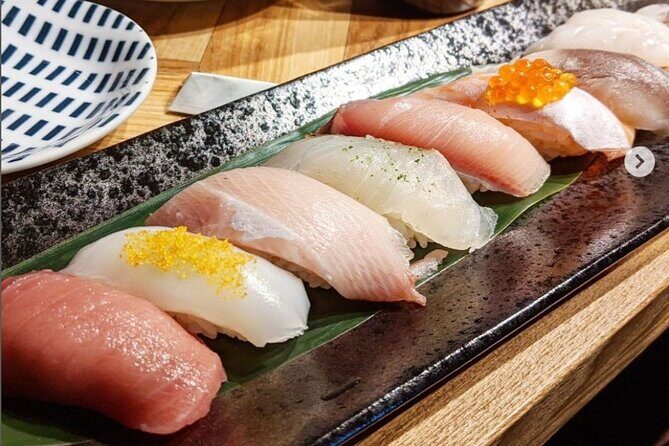
- You eat your own sushi right after learning, so it’s not just a demo
- English-speaking instruction keeps the pace comfortable for international visitors
- Maki rolls and nigiri give you more than one sushi skill to take home
- Clear visuals and structured teaching help when you’re a first-timer
- Asakusa location pairs well with a Senso-ji visit without adding a whole extra day of travel
Asakusa Location: Why This Spot Works for Your Tokyo Day
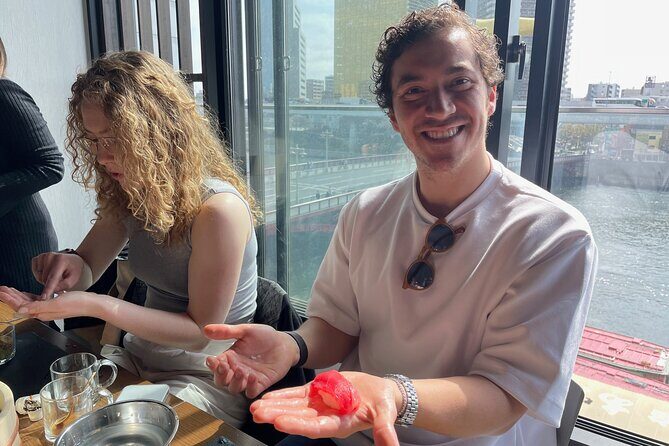
This class is set up for people who want more than a meal. The address is in Taito City, at 2-chōme-17-9 Kaminarimon, and it’s in the Asakusa area near Senso-ji Temple. That matters because you can plan a real Tokyo loop: temple sights first, then a practical skill that connects you to the food culture around you.
Asakusa has that classic “walkable old Tokyo” feel. You don’t have to jump across the city and you don’t feel like you’re commuting just to do one thing. If you’re visiting Senso-ji anyway, this class is the kind of add-on that makes the whole day feel intentional.
The only practical drawback is logistics: no hotel pickup. You’ll need to get yourself there and back. If you like to travel light and on your own schedule, this is fine. If you rely on pickup for everything, you’ll want to factor in time for getting to Kaminarimon.
A few more Tokyo tours and experiences worth a look

What You Learn: Nigiri and Maki Skills You Can Repeat
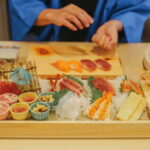
The core promise is simple: you learn how to make sushi rolls (maki) and authentic nigiri step by step. You’re not expected to have a cooking background. That’s a big deal in Tokyo, where some food experiences can feel intimidating if you’re used to watching and not participating.
From the way the class is described and how it’s been taught, you’re going to practice the key mechanics that affect results at home:
- How to handle and portion the rice so it holds together without turning into paste
- How rolling works in real life, not just in videos
- How nigiri is shaped so it looks right and eats well
You’ll also hear cultural context as you go. That isn’t just storytelling. It helps you understand why sushi rice behavior matters, why technique differs between styles, and why Japanese cooks pay attention to details like texture and form.
One pattern that comes through strongly is clarity. In past sessions, instructors like Moe, Ellie, Ken, Arisa, Kazu, Jun, Kaori, and Kyoto get credited for making the process easy to follow and fun. You can expect the kind of teaching that breaks things into manageable steps, often with visual support like a video or PowerPoint.
Inside the Classroom: How They Keep It Beginner-Friendly
This is the part I’d prioritize if you’re new to sushi or new to cooking classes abroad. A good sushi class has two jobs:
1) Teach technique
2) Make you feel like you can actually do it
This one seems built for both. The instructors are described as friendly and English-speaking, and the teaching style is repeatedly praised as relaxed and organized. People also point out that the instructions are easy to follow, modeled clearly at the table, and supported with explanations plus visuals.
You’ll get personal attention too. The class leader guides you while you work, which helps when something feels off—like rice too sticky, rolling pressure uneven, or nigiri not shaping the way you expected. In a bigger class you might wait your turn. Here, you’re in an active learning environment with enough instructor presence to correct mistakes before they become habits.
Also, the class size is capped at 30 travelers. That’s not tiny, but it’s small enough for you to feel like a participant rather than a spectator.
Your Hands-On Flow: From First Steps to Finished Sushi
Even without seeing every minute-by-minute schedule, the experience is clearly structured around a logical arc: intro → hands-on practice → meal.
Here’s how that typically feels in practice based on how the class is described:
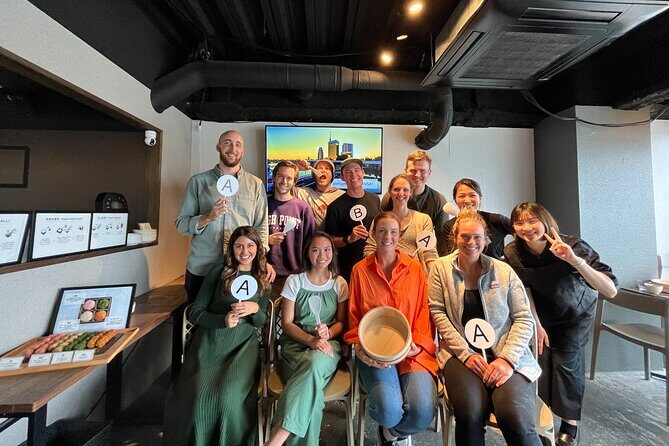
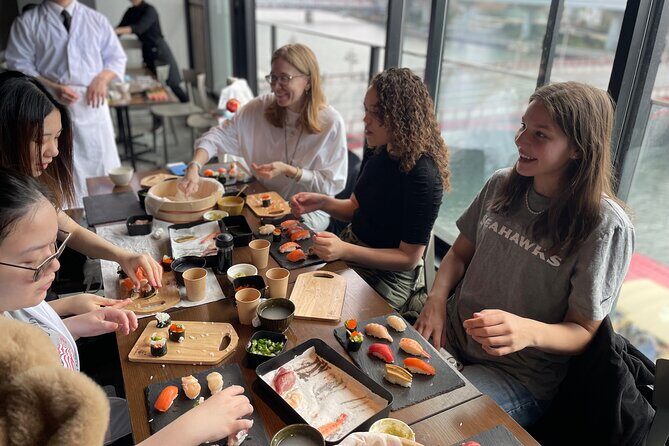
- You start with guidance on the basics and the cultural background behind sushi. Several sessions begin with a short history component, and some include a presentation.
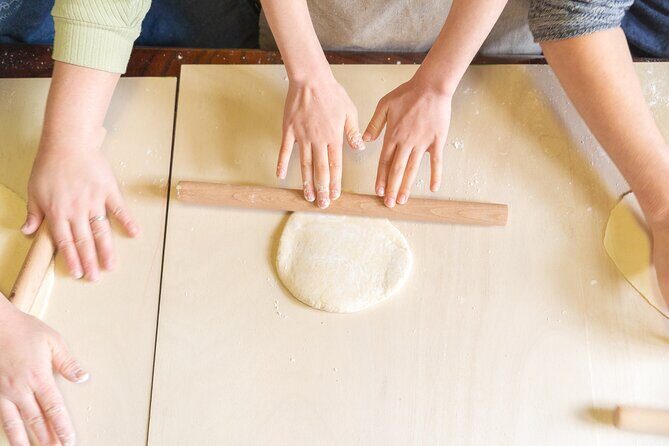
- Then you move into making sushi rolls. You learn the motions, get corrected, and build your comfort with the process.
- After that, you switch to nigiri shaping. This is where beginners often relax, because the steps are physical and repetitive—you’re not trying to juggle a dozen techniques at once.
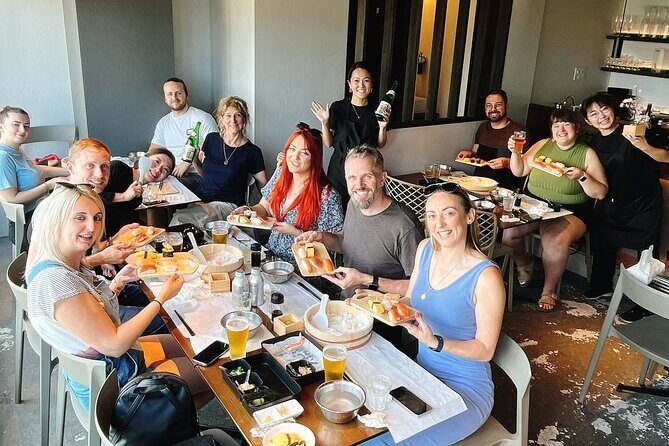
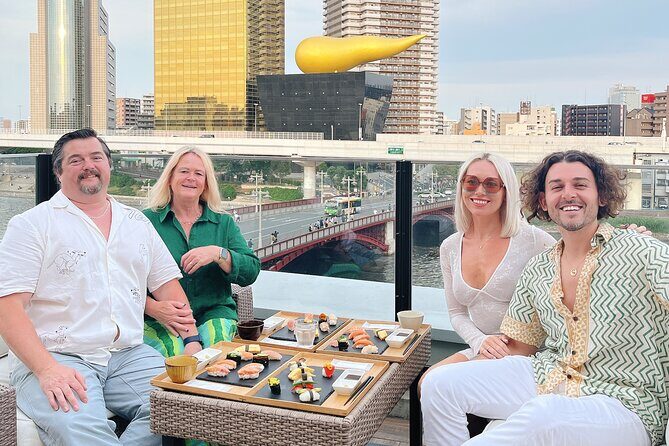
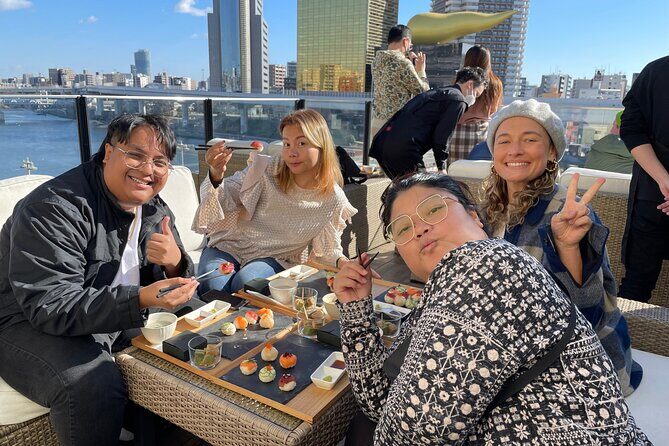
- Finally, you sit down with your group and enjoy what you made. You can take photos to capture the results, which helps turn the class into an actual memory instead of just another activity.
The tone described in the feedback is upbeat and interactive. Some hosts are specifically noted for being energetic and entertaining, which makes sense: sushi is skill-based, so a little energy keeps the group moving while you practice.
The Sushi Meal: Not a Snack, a Real Lunch
One of the most practical wins here is that you eat. Not a token taste. A full meal experience.
The class includes ingredients of the cooking class and meal, and the descriptions repeatedly emphasize that there are enough ingredients for what people consider a satisfying lunch. That means your time in class is also feeding you, which improves the value of the price.
In Tokyo, restaurant sushi can be pricey. A class like this is a different kind of spend: you’re paying for instruction, ingredients, and the privilege of producing your own sushi. The result is more than just food—it’s food plus skills plus confidence.
People also mention the quality of fish and rice in the context of the class. Even if you’re not hunting “world-famous fish,” you still want ingredients that behave well and taste good. If you’ve ever made something at home with mediocre ingredients, you know how fast that affects the outcome. Here, the ingredients are described as solid enough that even picky eaters tend to enjoy the results.
And yes, you’re taking pictures at the end. That may sound small, but it’s a big part of why these classes feel memorable. You’ll leave with something you can show, and you’ll remember what technique made the difference.




Price and Value: Is $59.69 Worth It?
Let’s talk money without the fluff. The price is $59.69 per person, and the class runs about 1 hour 40 minutes.
What you’re getting for that price, based on the provided info:
- An English-speaking instructor
- Ingredients for both the cooking session and your meal
- Hands-on guidance for sushi rolls and nigiri
- A small-group class experience (up to 30)
- A location that pairs well with Asakusa and Senso-ji
So the real value question is: does it beat doing sushi plus a generic cooking demo?
For me, it usually does, because you’re not paying for entertainment alone. You’re paying for technique you can reuse. If you like sushi and want to understand why it works—especially sushi rice handling and shaping—this format is a smarter use of time than just buying a roll somewhere and moving on.
Also, you’re saving on thinking time. Many cooking classes in other countries require you to buy extra ingredients or figure out what you’re supposed to replicate later. Here, you’re learning professional tips and tricks for getting it right at home, and then you eat what you made while it’s fresh.
One cost consideration: because there’s no hotel pickup, you might spend a bit of transit time getting there. That doesn’t change the tour price, but it can affect the overall “value” if you’re coming from far outside Tokyo’s core neighborhoods.
Who This Class Fits Best (and Who Might Prefer Something Else)
This class is a strong match for:
- Beginners who want clear, non-intimidating instruction
- Families with kids. Multiple accounts highlight children enjoying it, with instructors explaining clearly and keeping the activity fun
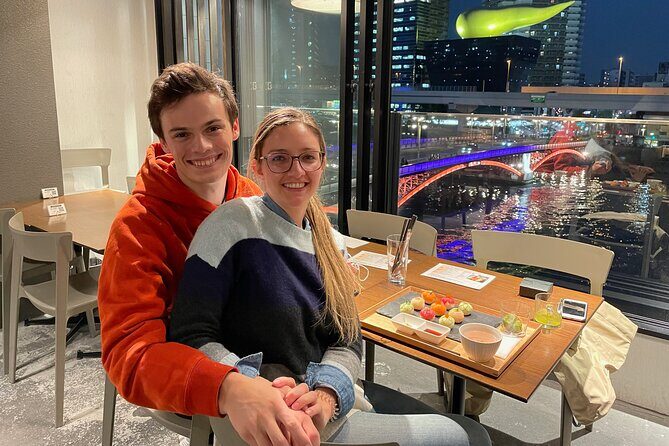
- Couples who want an activity that isn’t just eating in silence. It creates shared effort and shared food results
- People who like structure: intro, practice, then lunch
It also works well if you’re on a tight schedule, since it’s about 1 hour 40 minutes and ends right back where you started.
Who might consider a different option? If you want a ultra-traditional, hard-to-access, master’s-knife-omakase style experience, this is probably not that. The class is designed for travelers and it’s described in a way that’s often labeled as tourist-friendly or Western-leaning in teaching style. That’s not necessarily bad. It just means the goal is learning and enjoyment, not strict preservation of every micro-tradition.
Practical Tips for a Smoother Experience
These are the small things that matter on the ground.
Arrive early. The location can be a little tricky to find, so I’d aim to get there around 15 minutes before the start. You’ll settle in, find the meeting spot calmly, and start the class stress-free.
Plan how you’ll get there. Since there’s no hotel pickup, check your route ahead of time and give yourself buffer time. Asakusa is easy enough to navigate, but you don’t want to sprint in hungry.
Go in ready to roll up your sleeves. You’ll be shaping rice and working with rolling motions. Wear something comfortable and assume you’ll be standing and working at a table.
Take photos, but eat first. Photos are part of the experience, but your sushi will taste best right after it’s finished. Snap your pics, then dig in.
If you have food sensitivities, ask early. The data doesn’t list dietary options. If you have an allergy or strong preference, it’s smart to contact the provider before booking so you don’t gamble with your meal.
How to Pair This With Senso-ji Without Wasting Time
Because the class is in the Asakusa area, it plays nicely with the classic Senso-ji day. A simple way to make the timing work:
- Visit Senso-ji and walk around Asakusa first
- Then head to the class while you’re still in the neighborhood
- Finish with your lunch right after making sushi
This keeps your day efficient. You also end with food that feels connected to what you saw earlier, instead of feeling like two separate activities that don’t connect.
If you’re touring the temple in the morning, this class can serve as a midday anchor. If you tour late afternoon, it can still work because the duration isn’t long and it ends back at the meeting point.
Should You Book This Tokyo Sushi Making Class?
Book it if you want a hands-on sushi skill in a real Tokyo neighborhood setting. The biggest reasons:
- You’ll make maki and nigiri, not just one style
- You get English-speaking instruction that keeps things beginner-friendly
- You eat what you make for a satisfying lunch
- The Asakusa location makes it easy to combine with Senso-ji
Skip it only if your priority is a high-end, traditional, hard-core sushi apprenticeship vibe. This class is more about teaching, participation, and getting results you can understand and repeat.
For most first-time Tokyo visitors, this is a high-value choice because it turns a meal into an experience you actually carry home: technique, confidence, and a very Tokyo memory you can photograph.
FAQ
How long is the sushi making class?
It runs for about 1 hour 40 minutes.
Where does the class start and end?
It starts at 2-chōme-17-9 Kaminarimon, Taito City, Tokyo 111-0034, Japan and ends back at the same meeting point.
Is hotel pickup included?
No. Hotel pickup and drop-off are not included.
Do I need cooking experience?
No cooking experience is required. The class is described as beginner-friendly and step by step.
Is the meal included?
Yes. Ingredients and a meal are included, and you get to enjoy the sushi and rolls you make.
What’s the group size limit?
The experience has a maximum of 30 travelers.
If you want, tell me your travel dates and what neighborhood you’re staying in, and I’ll suggest a simple route plan to get to Kaminarimon without stress.