REVIEW · TOKYO
Tokyo: Roll and Authentic Sushi Making Class in Asakusa
Book on GetYourGuide →Operated by Sushi Making Japan | Cooking Class in Japan · Bookable on GetYourGuide
Tokyo’s Asakusa makes sushi class feel like a time capsule. I love the hands-on roll and nigiri practice plus the fun sushi-history quiz led by staff like Hitomi and Tomona, and the payoff is real food you finish at the table. One thing to consider: the pace is fast enough that if you’re a slow eater or want extra rice/fixing time, it can feel a little tight near the end.
This is a 100-minute, English-taught cooking class priced at $58, and it’s set up so beginners don’t get stuck. You’ll be guided step-by-step, and the instructors and helpers (including friendly names like Hide, Ken, and Moe that show up often) tend to keep the mood light while still teaching proper technique.
In This Review
- Key highlights you’ll feel right away
- Why Asakusa is a smart place to learn sushi
- Price and time: what $58 really buys you
- The real flow of the class: quiz first, then sushi on your hands
- Making maki rolls: where “easy” becomes skill
- Nigiri practice: classic Japanese sushi, not just another roll
- Eat what you make: the best part is actually the final bite
- Dietary needs: vegan, gluten-free, halal options exist, but rules are real
- Staff energy: why names like Hitomi and Hide matter
- Finding the meeting point near Asakusa Station (and making it your day)
- Who should book this sushi making class
- Quick things to know before you go
- Should you book Sushi Making Tokyo in Asakusa?
- FAQ
- How long is the sushi making class?
- What does the class cost?
- Do I need any cooking experience?
- Where do I meet the instructor?
- Is the class taught in English?
- What’s included in the price?
- Is hotel pickup or drop-off included?
- Can the menu accommodate vegan, halal, or gluten-free needs?
- What if I have allergies?
- Can I cancel if my plans change?
Key highlights you’ll feel right away
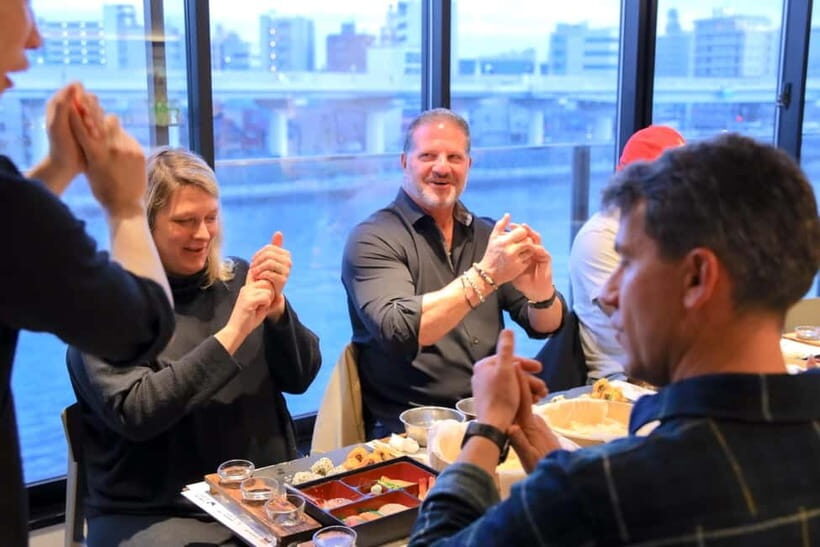
- English help throughout, so you can focus on technique instead of translating
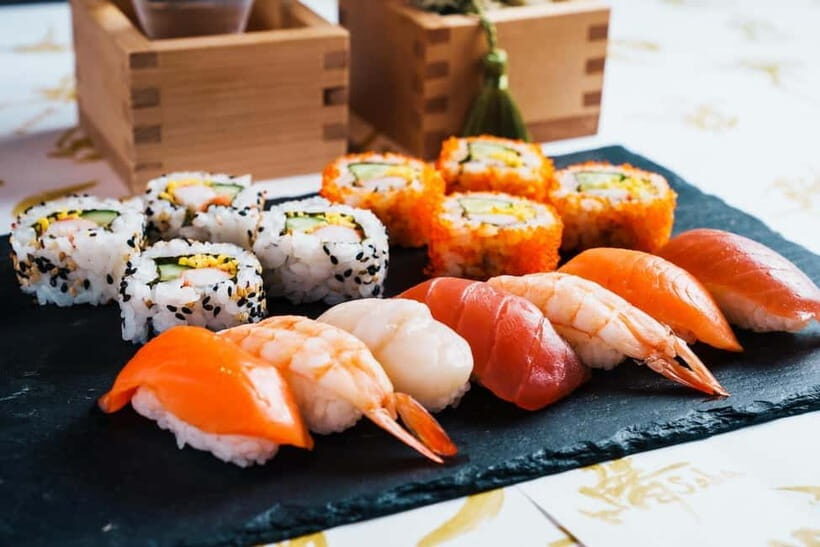
- Two styles of sushi: roll (maki) plus more classic Japanese sushi (nigiri)
- Interactive sushi history quiz, not just a lecture
- Fresh, high-quality ingredients that show up in the final bite
- Asakusa location close to Sensō-ji and Tokyo Skytree, so you can connect it to the rest of your day
Why Asakusa is a smart place to learn sushi
Asakusa is one of those Tokyo neighborhoods where food and tradition actually share the same streets. You’re close to major landmarks like Sensō-ji, and that matters because sushi isn’t just a snack class—it’s culture, tools, and small details that people care about.
What I like about taking a class here is that your learning feels grounded. You aren’t only practicing rolling rice and shaping fish; you’re doing it in a historic, everyday part of Tokyo where locals come and go. Afterward, it’s easy to keep walking—maybe grab snacks in the area or pop into a nearby shrine—without turning your day into a transportation puzzle.
A few more Tokyo tours and experiences worth a look

Price and time: what $58 really buys you
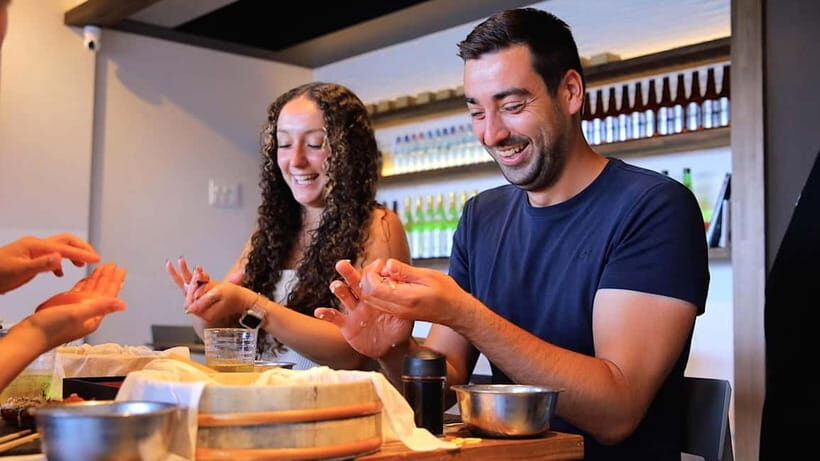
At $58 per person for 100 minutes, this class sits in a sweet spot for value in Tokyo. You’re not just watching; you’re working with ingredients and making two types of sushi you’ll eat right there. The included list is straightforward: cooking class + ingredients + instructor.
Also, the class is small enough in practice that you can get corrections. Many people specifically praised how patient the team was when the steps got tricky—especially rolling and getting the nigiri shape right. That’s the kind of value you want when you’re paying for hands-on learning.
The one caution is time. A couple people noted it can feel slightly rushed at the end, and a few also wanted a bit more rice. That doesn’t mean you leave hungry—you usually won’t—but it’s worth knowing if you’re the kind of eater who takes your time.
The real flow of the class: quiz first, then sushi on your hands
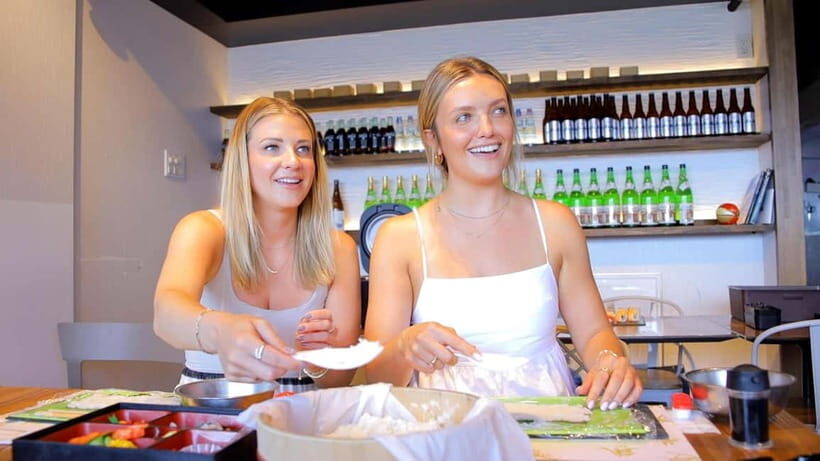
Most sushi classes either focus on history or skills. This one blends both, and you’ll feel it from the start. You begin with an interactive sushi-history segment that uses a lighthearted quiz format. It’s an easy way to understand what you’re making before you touch the food.
Then it shifts into technique: staff explain the process, and you get guided practice. From the way the class is described by participants, the instructors balance clarity with humor, so mistakes don’t feel like failures—they feel like part of learning.
By the time you’re shaping sushi, the history part becomes practical. You’re not just making rolls because someone said so. You’re learning why nigiri exists, how maki differs, and how styles changed over time into the versions people see today.
Making maki rolls: where “easy” becomes skill
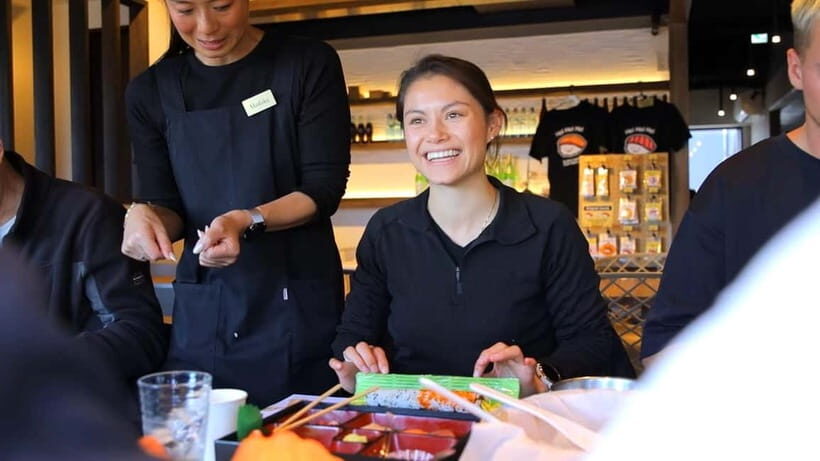
Rolling sushi looks simple in photos. In real life, it’s more precise than people expect. The class teaches maki roll steps in an approachable way, with helpers breaking down the order of actions so you can keep your hands moving without panic.
Here’s what you’ll likely notice during your own roll practice:
- Rice handling matters: you’ll learn how to work with rice so it sticks without turning into paste.
- Filling placement matters: too much (or too little) changes rolling and structure.
- Pressure and alignment matter: firm enough to hold, gentle enough to avoid squashing.
What I like is that the instructors don’t treat the roll as a one-and-done action. People praised the patience during repeated attempts, and that’s key. You’re building muscle memory, not chasing perfection on the first try.
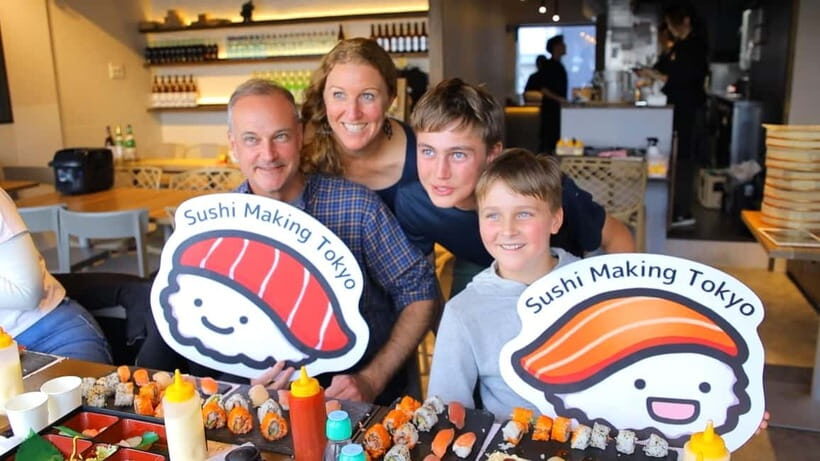
And yes, the humor helps. Names like Ken and Kazu show up often as teachers who make the process feel less intimidating. If you’re traveling with kids or teens, this kind of energy can be the difference between a class that feels educational and one that feels like a chore.
Nigiri practice: classic Japanese sushi, not just another roll
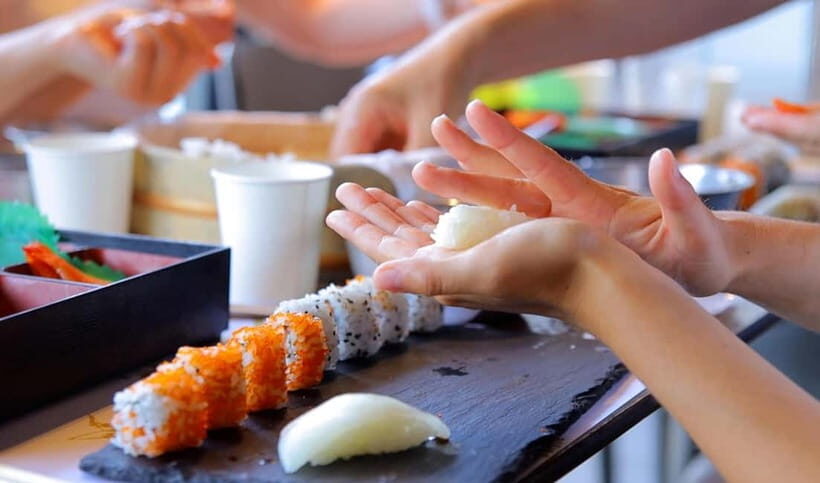
If maki is the fun, measurable challenge, nigiri is the classic test. Nigiri looks straightforward—just a slice of fish on seasoned rice—but the shape and balance are what make it work.
In the class, you’ll learn how nigiri is built step-by-step, with guidance on the basic idea of portioning and placement. People specifically mentioned understanding the processes for maki and nigiri, and that the ingredients tasted fresh and high quality.
This is also where the class concept of authentic sushi shows up. Instead of treating sushi as one generic food, the instruction separates different types and explains how they’re related but not identical. That makes your final meal more meaningful, because you taste the difference you were taught.




Eat what you make: the best part is actually the final bite
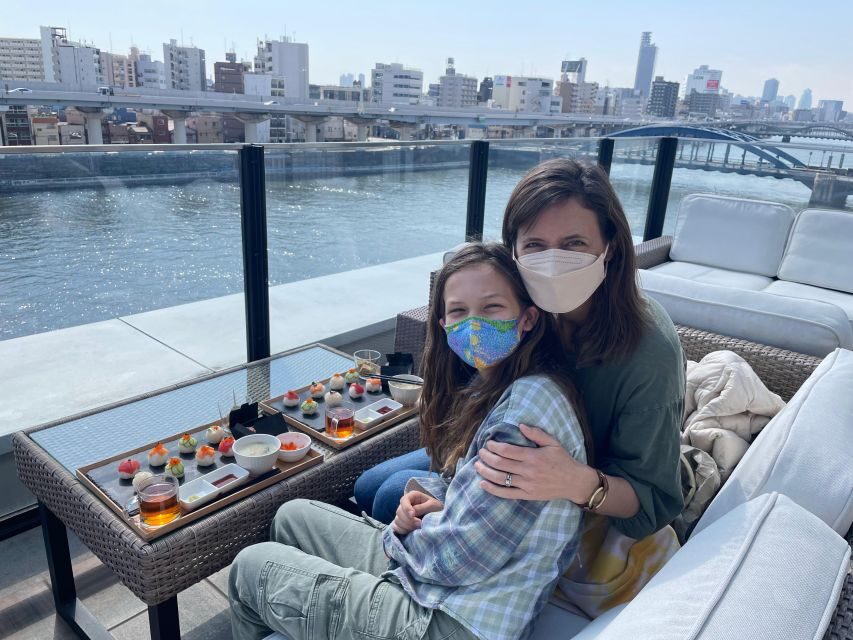
The meal isn’t a side quest here—it’s the point. Once you finish the rolls and nigiri, you eat what you made. That turns every earlier step into something you can judge with your own senses: texture, seasoning, and balance.
People often mention that the sushi is delicious and that ingredients taste high quality. A few also mentioned there’s enough food for a satisfying lunch, including for families with kids, though one or two wished they had a bit more rice. So plan to be happy with the portion, but don’t assume you’ll leave feeling like you just had an all-you-can-eat buffet.
Also, since Asakusa is close to major sights, this timing works well. You’re effectively turning a cultural food lesson into lunch, then heading back outside while the experience is still fresh in your head.
Dietary needs: vegan, gluten-free, halal options exist, but rules are real
If you have dietary restrictions, this class is one of the better options because they explicitly list menus for vegan, vegetarian, gluten-free, and halal.
There’s also an important note for allergies: they state that certain items are not used (meat, nuts, fruits, dairy). But they also say they can’t respond on the day if you need changes, and they don’t accept ingredient specifications.
So the practical approach is simple: plan ahead when you book. If you need a specific accommodation, contact them during reservation time, not last-minute. That’s how you avoid surprises.
Staff energy: why names like Hitomi and Hide matter
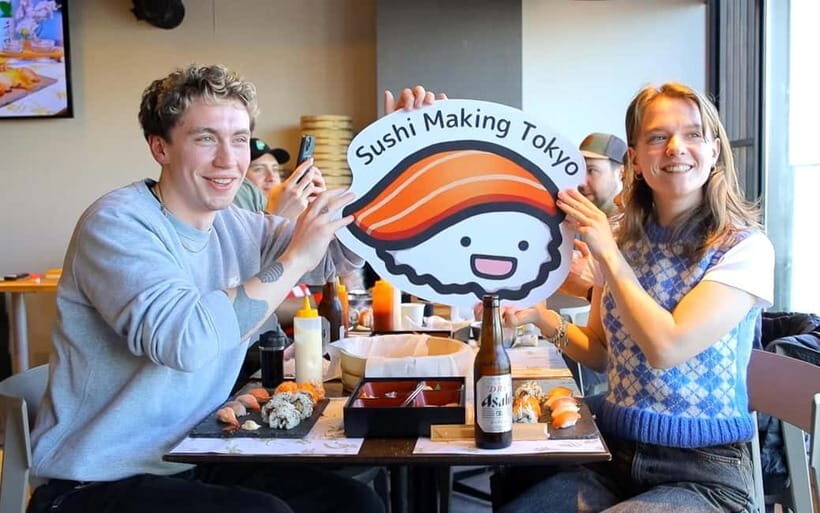
A big chunk of the class success is the teaching style. Many participants praised instructors for being entertaining, patient, and upbeat. Specific names you’ll hear associated with great sessions include Hitomi, Tomona, Hide, and Ken, along with others like Moe, Kaori, Ryouko, Jun, and Yoko.
Why does this matter to you? Because sushi technique can be fiddly—rice sticks, rolls need tension, nigiri has shape rules. When the staff keeps things friendly and clear, you’re more likely to succeed even if you’re a first-timer.
It also makes the class feel good if you’re solo. People described a comfortable atmosphere, not an awkward public lesson where you sit quietly and hope nobody notices. Instead, the team encourages participation and keeps the room relaxed.
Finding the meeting point near Asakusa Station (and making it your day)
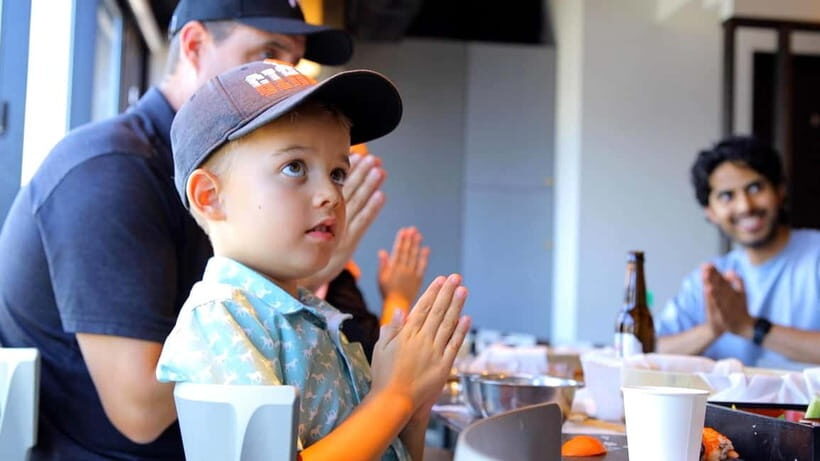
Meeting point is 3 minutes from Asakusa Station. That short walk is a real advantage. Tokyo can be confusing when you’re juggling rail transfers, and a simple, close meeting spot reduces stress.
This location is also convenient if you’re combining the class with a classic Asakusa walk. You can start the day around Sensō-ji and then use the class as an anchor event. Or flip it—take the class first, then go see the sights with new context.
Practical tip: give yourself extra minutes even if the meeting point is close. You’ll want to arrive calm, because the first instructions set the rhythm for everything after.
Who should book this sushi making class
This class is a great fit if:
- you want a hands-on sushi lesson without prior experience
- you enjoy structured steps but don’t want a serious, tense cooking environment
- you’re traveling with family or teens; multiple people highlighted it works well for kids
- you want something cultural in Asakusa that connects food with place
It’s also a good choice for solo travelers, since the format is designed for mixed groups and you still get guidance.
You might choose a different experience instead if you’re a perfectionist who needs slow, detailed pacing, or if you’re expecting a long meal. A few people felt it could use a little extra time, so if you like to linger, consider planning a relaxed schedule around it.
Quick things to know before you go
Here are the practical details that affect your day:
- Duration is 100 minutes, so plan it as lunch-time or early afternoon.
- The class is in English with an English-speaking instructor.
- Hotel pickup and drop-off are not included, so plan to get yourself there.
- The menu includes vegan, vegetarian, gluten-free, and halal options, but dietary changes must be handled when you reserve.
If you’re hoping for sake or beer, one participant specifically noted sake flights and beer were available. Since that could vary by session, check with the operator when you confirm your booking.
Should you book Sushi Making Tokyo in Asakusa?
Yes, I’d book it if you want a high-impact Tokyo food experience that’s beginner-friendly and actually ends with you eating your own sushi. The combination of maki and nigiri instruction, the interactive sushi-history quiz, and the supportive English-speaking staff is what makes this class worth your time.
If you’re short on time and want one cultural activity that doesn’t require special cooking knowledge, this fits. Just go in knowing the session is structured and move fast enough to finish strong, and you’ll get a fun, memorable meal out of it.
If your top priority is extreme authenticity training with lots of extra time per step, then you might feel the 100 minutes is tight. But for most people, it’s the right balance of learn, do, and eat.
FAQ
How long is the sushi making class?
The class duration is 100 minutes.
What does the class cost?
The price is listed as $58 per person.
Do I need any cooking experience?
No experience is needed. The local staff guides you in English.
Where do I meet the instructor?
The meeting point is about 3 minutes from Asakusa Station.
Is the class taught in English?
Yes. The instructor and staff provide an English experience.
What’s included in the price?
The included items are the cooking class, ingredients, and the instructor.
Is hotel pickup or drop-off included?
No, hotel pickup and drop-off are not included.
Can the menu accommodate vegan, halal, or gluten-free needs?
The class lists options for vegan, vegetarian, gluten-free, and halal. For changes, you need to contact them when you make a reservation.
What if I have allergies?
They note that certain ingredients are not used (meat, nuts, fruits, dairy). For other allergy needs or changes, contact them during reservation time because they say they cannot respond on the day and they don’t accept ingredient specifications.
Can I cancel if my plans change?
Yes, you can cancel up to 24 hours in advance for a full refund.