REVIEW · KYOTO
Concerts Played with Traditional Instruments in Kyoto
Book on Viator →Operated by Gen · Bookable on Viator
Kyoto’s koto and shamisen sound different at home. This is a private-style concert in a traditional house in Kyoto that turns into a stage, plus a short instrument intro before the music so you know what you’re hearing. I especially love the mix of classic and more modern pieces, and the chance to ask questions afterward—without the usual museum lecture vibe. One thing to consider: it’s about 50 minutes, so it’s best if you’re looking for a focused performance, not a long evening outing.
If you want context that makes the melodies click, this does it fast. You’ll get a guided explanation of the koto and shamisen, listen to a live set (including well-known classics like Chidori no Kyoku, Rokudan no Shirabe, and Kajimakura), then stay for Q&A and photo time with the musicians. The optional upgrade is also a big draw: you can try a simple koto piece yourself.
Here’s the practical catch: it’s in someone’s home setup, so arrive on time and come ready to be inside and attentive for the full session.
In This Review
- Key things to know before you go
- Gen Home Saiin: a Kyoto house turned into a mini stage
- The 50-minute flow: intro, performance, then Q&A and photos
- The music lineup: koto and shamisen classics you can actually recognize
- Why the pre-concert instrument lesson is worth your time
- The hands-on koto upgrade: try a simple piece
- Price and value: $39.63 for a Kyoto home performance
- Timing and flexibility: multiple tour options in the day
- Getting there: near public transit and easy entry
- Who this is best for (and who might prefer something else)
- Should you book this Kyoto koto and shamisen home concert?
- FAQ
- What instruments will I hear at the concert?
- How long is the experience?
- Where does the concert take place?
- Is a mobile ticket included?
- Do I get a chance to ask questions or take photos?
- Is the koto hands-on session included or is it an upgrade?
- Is coffee or tea included?
- Is transportation included?
- What is the cancellation policy?
Key things to know before you go
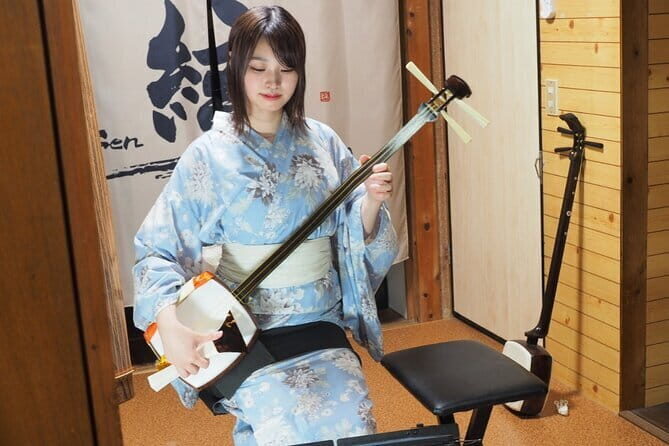
- A Kyoto home venue (Gen Home Saiin): it’s not a concert hall experience, and the room makes the instruments feel close.
- Pre-show instrument briefing: you’ll learn koto and shamisen basics before the first notes.
- Classic + contemporary programming: you’ll hear older, well-known pieces alongside modern/original compositions.
- Q&A and photo-taking included: it’s part performance, part conversation.
- Optional hands-on koto upgrade: you can try playing a simple piece yourself.
Gen Home Saiin: a Kyoto house turned into a mini stage
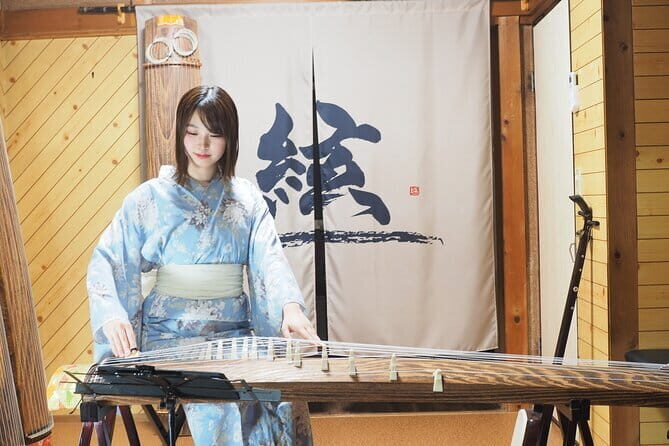
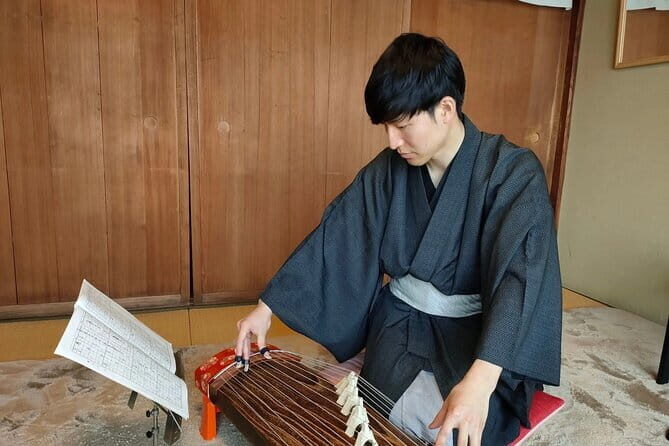
The setting is the main reason I’d put this on a “do it once” list. Instead of a big venue, you’re at Gen Home Saiin, a traditional Japanese home transformed into a small performance space. That shift matters.
In a home setting, the koto and shamisen feel less like background music and more like something you can track note by note. Sound doesn’t bounce off huge walls the way it does in concert halls. You’re closer, and you tend to notice details—like how the plucked tones sit in the air and how rhythm changes between pieces.
You’ll also be in Kyoto’s everyday world. It’s near public transportation, so you can pair this with other sights without building your whole day around a remote venue. If you’re the kind of person who likes cultural experiences that feel human and lived-in, this kind of event works well.
A few more Kyoto tours and experiences worth a look
The 50-minute flow: intro, performance, then Q&A and photos
This is built as a tight 50-minute experience, so you get a clean arc. First comes a brief introduction and explanation of the koto and shamisen—the instruments themselves, how they’re played, and what to listen for. That matters more than it sounds.
Most people hear traditional music and can appreciate it emotionally, but they miss the structure. A short primer helps you recognize when a melody shifts, when the rhythm tightens, and when the piece is aiming for calm versus intensity. You don’t need to be a music nerd. You just need a few handles to grab onto while you listen.
Then you hear a live performance that can include both classical and more modern/original compositions. After the music, you don’t get pushed out the door. There’s a Q&A session and time for photo-taking, which turns the evening into a real exchange instead of a one-way show.
One practical note: because it’s only about 50 minutes, timing matters. Plan to arrive a few minutes early so you can settle in without rushing.
The music lineup: koto and shamisen classics you can actually recognize
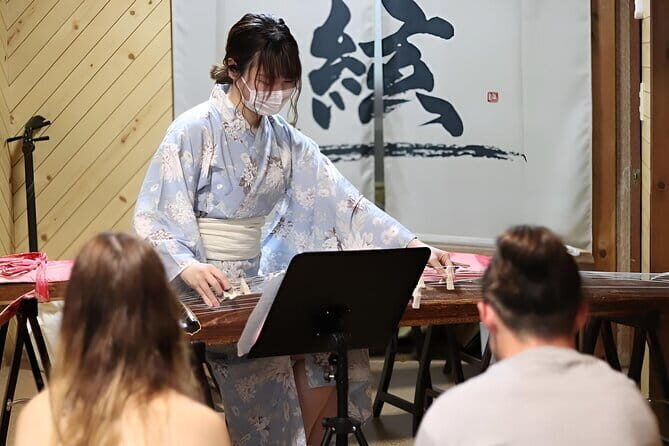
The program includes standout pieces that are famous for a reason. You’ll hear Chidori no Kyoku, Rokudan no Shirabe, and Kajimakura, among other classical works, plus interpretations that may include modern or original pieces.
Here’s why that playlist is smart for visitors:
- Classics give you anchors. Even if you’ve never studied Japanese music, these pieces have recognizable patterns and emotional trajectories. Once you catch the feel of one, it gets easier to follow the next.
- A mix of eras keeps it from feeling repetitive. Traditional instruments can sound similar at first if you don’t have variety. When the set includes contemporary or original compositions, your ears wake up. You start listening for how the instruments carry different styles.
- Composer names add meaning. The performance is crafted with influence from legendary figures such as Yoshizawa Kengyo, Yatsuhashi Kengyo, and Kikuoka Kengyo. Knowing those names doesn’t turn you into an expert, but it gives weight to what you’re hearing. It’s like learning the authorship behind a book you already enjoyed.
If you like music that has both elegance and tension, the koto and shamisen can deliver that quickly—like a story told in sound.
Why the pre-concert instrument lesson is worth your time

I love when a cultural activity respects your time. This one does that by keeping the intro brief, organized, and practical. You get an explanation of the koto and shamisen before the performance rather than afterward, which means you can use that knowledge immediately.
Based on how this kind of session is presented, you should expect:
- Clear explanations of what makes each instrument sound the way it does
- A sense of how the music is structured and why certain passages feel different
- Enough context to help you follow the flow without getting lost in technical jargon
It’s also in English. That’s a big deal if you want to understand what you’re seeing instead of just nodding along. You’ll likely walk out feeling like you could explain the basics to a friend.
The hands-on koto upgrade: try a simple piece
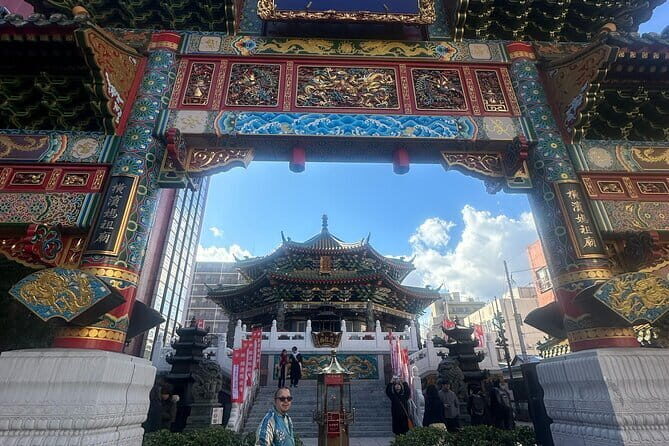
If you’re the type who learns by doing, the optional upgrade is a highlight. You’ll have the chance to participate in a hands-on koto session where you try playing a simple piece.
This is valuable even if you have zero music background. The goal isn’t to turn you into a performer. It’s to help you understand what your ears heard in the concert.
When you press strings, pluck with technique, and feel the instrument’s response up close, the sound makes more sense. You also get a new kind of respect for the musicians. Plucking accuracy and timing aren’t just aesthetic. They shape the entire tone and rhythm.
If you’re deciding whether to upgrade, ask yourself one question: do you want a “watch and listen” experience, or do you want to leave Kyoto with a small personal skill and a story you can tell?




Price and value: $39.63 for a Kyoto home performance
At $39.63 per person for about 50 minutes, this isn’t an impulse bargain—but it’s also not overpriced for what you’re getting.
You’re paying for:
- A live performance in a traditional home venue
- An instrument introduction before the show
- A Q&A and photo-taking afterward
- The option to add hands-on koto practice
- A mobile ticket, which makes entry smoother
The best value angle here is the format. You’re not just watching music; you’re getting context and access. Home concerts also tend to cost less than private art sessions that feel similar in exclusivity. If you’re already spending time and money on Kyoto experiences, this one is the kind that feels personal and “Kyoto” in a way a large venue can’t always match.
Also, it’s often booked about 33 days in advance on average. That’s a hint to plan ahead so you can choose the time slot that fits your itinerary.
Timing and flexibility: multiple tour options in the day
You’ll have multiple tour options throughout the day. That helps if you’re balancing temple visits, markets, and the timing that comes with Kyoto’s train and bus routes.
Because the concert is short, you can slot it into:
- A morning block after one or two nearby sights
- An afternoon break before evening plans
- A lighter day when you want something indoor and calm
It’s also listed as suitable for most travelers. If you can handle a traditional seated setting and a focused time window, you should be fine.
Getting there: near public transit and easy entry
The venue is near public transportation, which keeps this practical. You won’t need private transportation to make it work.
You’ll also use a mobile ticket, which is convenient if you’re traveling light and want fewer paper items. The session includes landing and facility fees, plus WiFi (listed as WiFi on board). Coffee and/or tea aren’t included, so if you like a pre-show drink, plan on grabbing one nearby or bringing a refill plan.
What to bring is simple:
- Your phone for the mobile ticket
- Time buffer so you can arrive calm, not rushed
Who this is best for (and who might prefer something else)
This experience fits well if you:
- Want a Kyoto cultural activity that feels personal, not generic
- Enjoy live music but want a short explanation that helps you follow it
- Prefer smaller settings where you can ask questions and actually interact afterward
- Are curious about Japanese traditional instruments and the way different pieces can sound
It may not be your first pick if you’re looking for a long evening program, a full-course meal experience, or lots of wandering through multiple rooms and performances.
Should you book this Kyoto koto and shamisen home concert?
Yes, if you want an experience that’s both easy to understand and hard to forget. The home setting in Gen Home Saiin is the big advantage, and the structure makes it visitor-friendly: intro first, live music next, then Q&A and photos. The optional hands-on koto upgrade is the icing—especially if you like turning listening into learning.
A good way to decide is this: if you’re choosing between another “see a stage show” option and a smaller, explanation-led performance in a real Kyoto home, this one is the better match for cultural depth per minute.
If your schedule allows and you like traditional music, book one of the day’s tour options. Pick a time when you can arrive relaxed and stay present for the full ~50 minutes.
FAQ
What instruments will I hear at the concert?
The concert features live performances of the koto and shamisen instruments.
How long is the experience?
It lasts about 50 minutes.
Where does the concert take place?
The concert is held at Gen Home Saiin in Kyoto.
Is a mobile ticket included?
Yes, you receive a mobile ticket.
Do I get a chance to ask questions or take photos?
Yes. After the live performance, there is a Q&A session and time for photo-taking.
Is the koto hands-on session included or is it an upgrade?
You can upgrade to participate in a hands-on koto session where you try playing a simple piece.
Is coffee or tea included?
No. Coffee and/or tea are not included.
Is transportation included?
Private transportation is not included.
What is the cancellation policy?
You can cancel up to 24 hours before the start time for a full refund. If you cancel less than 24 hours before, the amount paid is not refunded.