REVIEW · TOKYO
Kamakura Private & Customizable Tour – All-in-One Experience
Book on GetYourGuide →Operated by ShogunTours · Bookable on GetYourGuide
Temple day, but make it your own. This private customizable Kamakura tour lets you choose which shrines and sights matter most, then adjust on the fly with an English guide. I love the flexible itineraries built around expert route logic, and I love that kids under 12 can join for free. One consideration: you’ll be doing a lot of walking, and some parts include stairs, so wear comfy shoes.
What really makes this worth it is the human factor. Guides named in past tours include Deen, Marco, Sofia, and Lauren, and they tend to bring both story and practical help—explaining religions at whatever depth you want, and even easing the pace for families. If you want a rigid, pre-timed checklist with zero flexibility, this style may not feel like your thing.
In This Review
- Key highlights I’d plan around
- Kamakura, with a guide who can actually tailor the day
- How long should you go: 2 to 8 hours in one private window
- Choosing your temple/shrine vibe: Kotoku-in first for instant impact
- Hasedera temple: stairs, views, and a different kind of quiet
- Tsurugaoka Hachimangu: the shrine stop that ties the whole town together
- Enoshima add-on: when you want sea air and a longer story arc
- Private pacing: how your guide keeps the day feeling easy
- Food and local tips: not just temples, also how to live the day
- Price and value: what $51 per person really buys
- Pickup on foot: helpful if you start outside Kamakura center
- Fitness, footwear, and who this tour fits best
- What the day feels like from the first email to the last photo
- Who should book this Kamakura private tour?
- FAQ
- What languages is the tour guide?
- How long is the Kamakura private tour?
- Is there hotel pickup included?
- Are entrance tickets included?
- Does the price include public transportation or private transport?
- Are children allowed, and is there a child fee?
- What should I bring?
- What time does the tour run?
- My booking shows 9:00 AM. Is that the real start time?
- Is the tour accessible for wheelchair users?
Key highlights I’d plan around
- Pre-book tour planning/consultation: You can map out interests before you arrive.
- Expert-recommended routes, flexible on request: Follow a solid plan or reshape it day-of.
- Optional pickup on foot in Tokyo, Yokohama, and Kamakura areas: Handy if you’re not starting inside the main station zone.
- Private guide at your own pace: Faster when you want, slower when you need.
- Photos taken during the tour (if available): A small bonus when you want more than phone selfies.
Kamakura, with a guide who can actually tailor the day
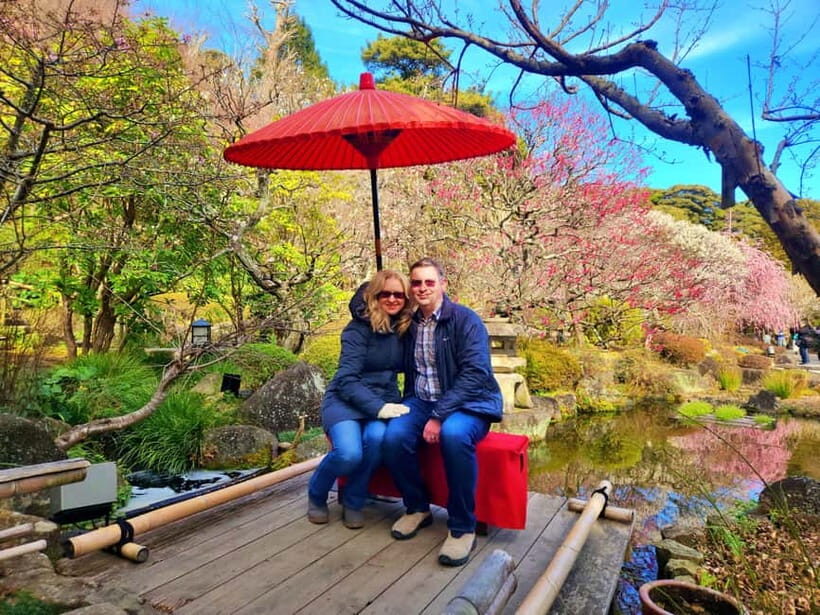
Kamakura is the kind of place where you can lose time fast. Not because it’s chaotic—because it’s full of stops that pull you in different directions: big icons, quiet hillside temples, shrine paths, and a coastal add-on that changes the whole vibe.
This tour’s main advantage is simple: you’re not stuck with a fixed route. You tell your guide what you care about—nature, culture, spirituality, or a mix—and you shape the day as you walk. That matters in Kamakura, where routes can be efficient on paper but feel wrong in real life once you’re tired, hungry, or traveling with kids.
You also get private pacing. That sounds obvious, but it’s huge. A guided day where someone can slow down for questions, pause for views, and redirect when something is too crowded is the difference between a “sights visited” day and a “we actually enjoyed it” day.
You can also read our reviews of more private tours in Tokyo


How long should you go: 2 to 8 hours in one private window
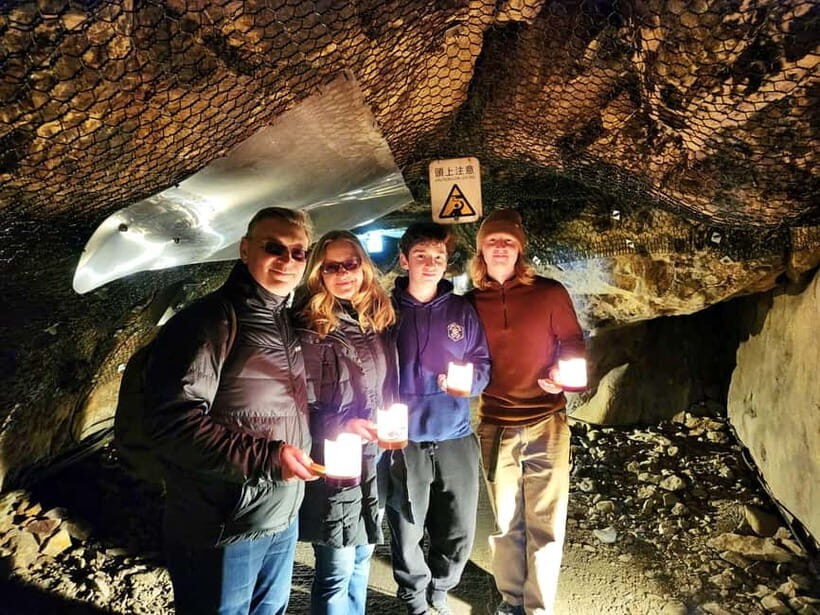
The tour runs 2 to 8 hours, and you can choose your starting time based on availability. Practically, you’ll want to match the duration to your travel style:
- Shorter options work if you want the essentials—main temples and shrines without a lot of detours.
- Longer options give breathing room for slower walking, more explanation, and adding Enoshima.
There’s also one logistics detail that can trip you up. When you book, you might see 9:00 AM listed as a system placeholder. Your actual start time is confirmed after your request is reviewed. So plan for an email follow-up and don’t set your mental schedule in stone until the guide confirms.
Operating hours are 9:00 AM to 6:00 PM (JST, UTC+9). Translation: you’ll have daylight for most key sights, and your guide can build your route around it.
Choosing your temple/shrine vibe: Kotoku-in first for instant impact
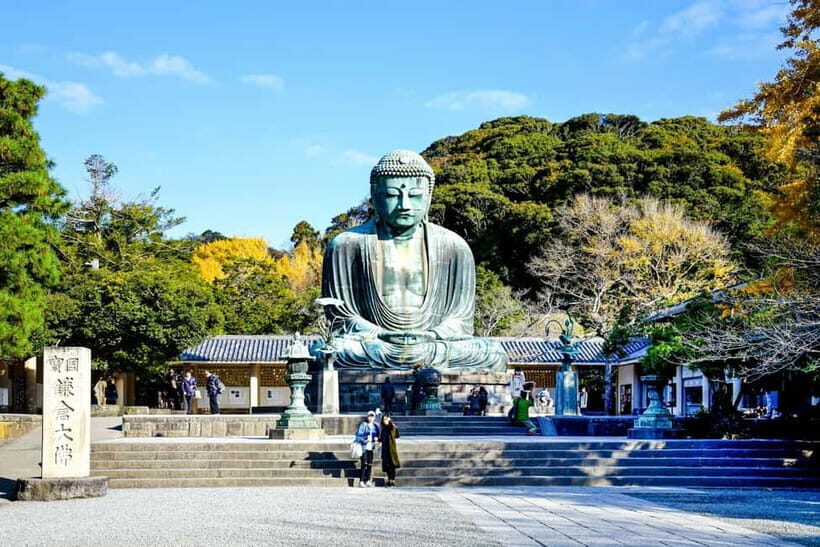
If you’ve heard of Kamakura, you’ve heard of the Great Buddha. The Kotoku-in stop is the kind of place that hits immediately: one landmark you can see from far away, plus the feeling that you’re standing in a landmark that has outlasted trend cycles.
Why this stop is worth your time on a private tour:
- It gives you a strong “anchor” early in the day, so the rest of your itinerary feels organized.
- A good guide can explain what you’re seeing in a way that connects to the site’s spiritual context, not just dates and facts.
Drawback to consider: Kotoku-in is a major draw. Even with a private guide, you may face crowds at peak times. If you’re hoping for the quiet, ask your guide to adjust timing around how your energy holds up.
If you’re only doing a short window, this is the stop I’d keep in your plan.
Hasedera temple: stairs, views, and a different kind of quiet
Hasedera is the sort of place that rewards slow steps. It’s not just about what’s in front of you; it’s about how the views and atmosphere change as you move through the grounds. This is also where you’ll feel why “walk at your own pace” is the real deal. You can take breaks without feeling like you’re delaying a bus group.
What I like about this stop in a guided format:
- Your guide can pace you based on your comfort level and time.
- If you want cultural or religious depth, this is a good location for it—questions tend to lead somewhere meaningful.
Potential downside: comfort matters here. A number of travelers noted that guides helped with carry-ons while going up and down stairs. That’s a clue for you: wear supportive footwear and don’t plan to do this in minimalist sandals or worn-out shoes.
If you’re traveling as a family, Hasedera is a great choice because the day becomes more than just “look and move.” The path offers natural moments to pause and reset.
Tsurugaoka Hachimangu: the shrine stop that ties the whole town together
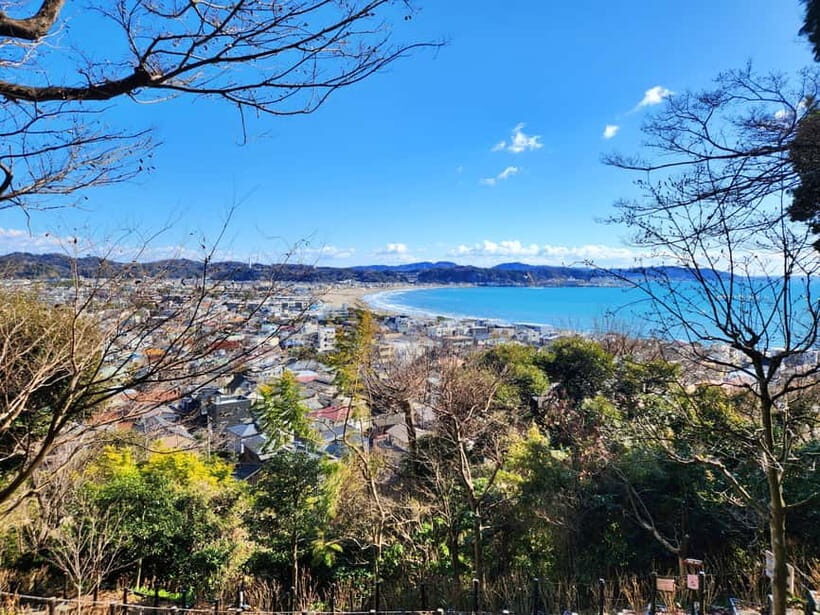
Tsurugaoka Hachimangu is one of the core shrine experiences in Kamakura. It has a different rhythm than the temple stops. Expect a more ceremonial feel, and a sense of place that’s tied directly to local tradition.
Why this stop fits a customizable day:
- It balances the big icon (like the Great Buddha) with a more traditional shrine atmosphere.
- A guide can explain the rituals and the role of religion in everyday understanding—at whatever level you want.
The practical side: shrine areas often involve walking paths that can be spread out. If your guide keeps an eye on your energy, you’ll move smoothly instead of feeling like you’re rushing between spaced-out highlights.





Enoshima add-on: when you want sea air and a longer story arc
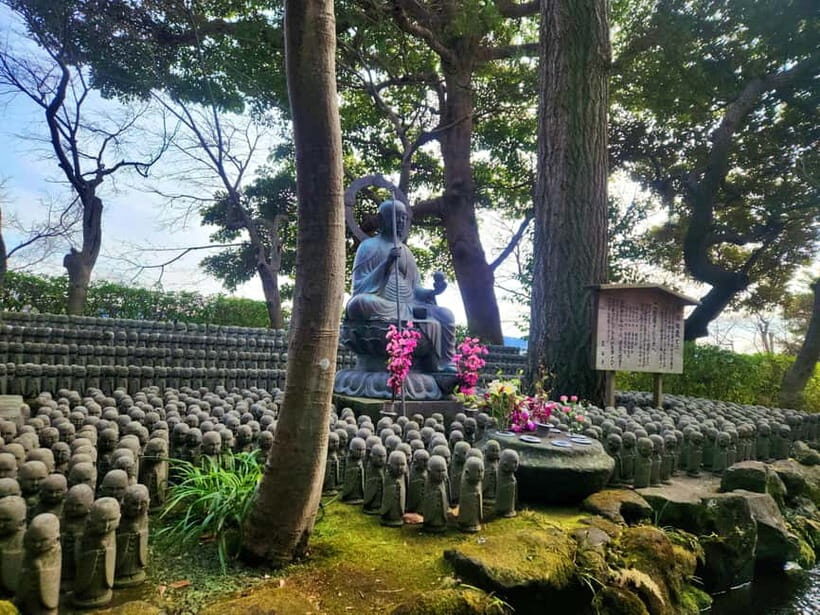
Enoshima is the coastal counterpart people add when they have extra time. It changes the mood. Instead of staying purely in Kamakura’s inland temple-and-shrine flow, you get that seaside context that makes the day feel bigger.
When Enoshima makes sense:
- You have the longer end of the duration (or you’re comfortable stretching your day).
- You want nature as well as culture.
- You’re traveling with someone who enjoys scenery and less-structured exploration.
When Enoshima may not be ideal:
- If you’re on the shorter end of the time window and mainly want the top highlights, Enoshima can steal time from your priority stops.
- If you’re tired easily, coastal walking can add up.
In a private tour, the value is that you can decide mid-day whether Enoshima feels like a yes or a skip—without the guilt of abandoning a group schedule.
Private pacing: how your guide keeps the day feeling easy
This is one of those tours where the “private” part shows up in small ways.
Many guests described the guide as patient with pacing, including families with children and travelers who prefer faster movement. One family even mentioned how their guide shifted attention to keep kids engaged, giving adults real time to enjoy the surroundings. That’s not magic—it’s experience. A guide who can read the room helps you stop treating sightseeing like homework.
Here’s what you should expect day-to-day:
- You’ll discuss interests before and during the tour.
- The guide builds a route you can follow or modify.
- You can move at your pace, with explanations added when you want them.
Also, because this is private, you can treat photo stops like part of the itinerary instead of something you squeeze in. Photos taken by the guide during the tour may be available (when offered), and that can be a lifesaver when you don’t want to keep handing your phone to strangers.
Food and local tips: not just temples, also how to live the day
A well-run Kamakura day isn’t only monuments. It’s also where you stop to eat and how you handle the flow between sites and transit.
Multiple guides in past tours offered food recommendations, including ideas connected to Yokohama when people were working that part of their travel route. If you want a more Japan-in-the-real-world experience, ask your guide for:
- a good bite near your next stop,
- something kid-friendly if you’re traveling with children,
- and any local customs that might affect what you do on-site.
This kind of advice adds comfort fast. It turns “we’ll figure it out” into a plan that feels smooth.
Price and value: what $51 per person really buys
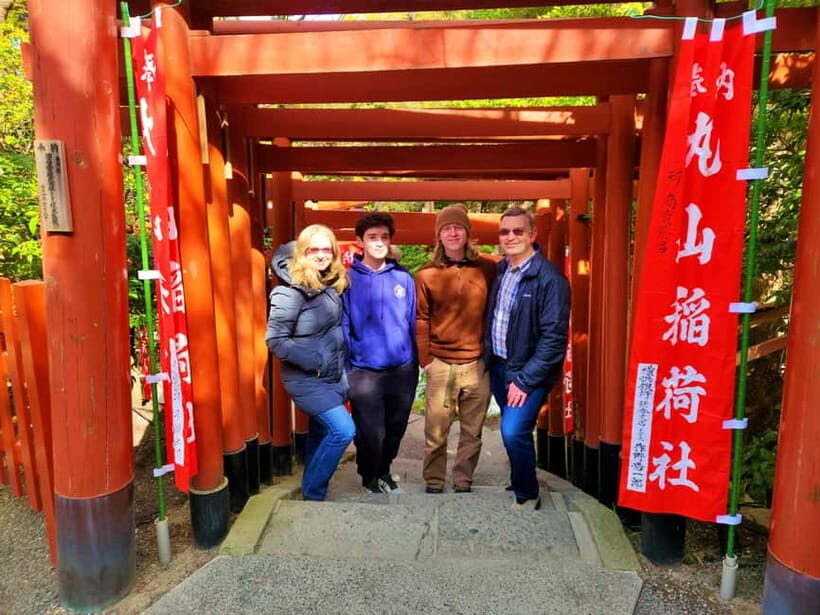
At $51 per person, this tour sits in the “value private tour” category—if you compare it to the cost of doing multiple taxis, hiring separate guides, or paying for a day that feels inefficient.
Here’s what you’re getting for that price:
- A live English guide.
- A private group experience.
- Pickup included as an optional add-on (on foot; limited to Tokyo/Yokohama/Kamakura areas).
- Flexible itinerary planning and local support.
- Children under 12 join for free (just include them in your booking).
- Photos taken by your guide during the tour if available.
What’s not included (so you don’t get surprised):
- Private transport by bus or car.
- Public transportation.
- Entrance tickets.
That “not included” list matters. If you’re planning a day heavy with paid entrances, you’ll want to budget extra for tickets. If you’re the type who always pays cash and hates payment friction, bring cash anyway—your tour guidance also specifically calls for it.
The best way to judge value is this: will your guide save you time and stress? In Kamakura, the answer is often yes, especially if you want to customize the day, travel with kids, or need help navigating between stops.
Pickup on foot: helpful if you start outside Kamakura center
Optional pickup is available on foot in Tokyo, Yokohama, and Kamakura areas only. That sounds small, but it can reduce the “where exactly do we meet” friction—especially if your day starts at a hotel location rather than a major station entrance.
Important reality check: pickup doesn’t mean private transportation. This is still a walking-and-guiding experience. Your guide is there to help you manage the route and pacing, not to drive you around.
Fitness, footwear, and who this tour fits best
This tour isn’t suitable for wheelchair users, and it’s not recommended for people with low level of fitness. You’ll want to treat that as honest advice, not a technicality.
Plan for:
- Comfortable shoes (this is non-negotiable).
- Stairs and walking between stops.
- A day length that can feel longer than you expect if you stay for explanations and photos.
The upside: if you’re a normal fit traveler, you’ll likely find the pacing works well. Guides have shown they can adjust movement for families and for guests who want faster walking.
If you’re traveling with a toddler or young kids, you’ll benefit from a guide who knows how to keep things calm and manageable. The private format is what makes it possible—your guide can flex attention and timing around the needs of your group.
What the day feels like from the first email to the last photo
You’ll get a confirmation email within 72 hours after booking with general tour details. Then your assigned guide sends a personal follow-up email with:
- start time options,
- a proposed itinerary based on your interests,
- suggested destinations to customize,
- pickup details if selected,
- and other helpful information.
That flow matters. It means you’re not walking into a day with no plan. Even if you’re the last-minute type, you’ll still have an outline, and your guide can swap parts based on how the day starts.
Also, because you can cancel up to 24 hours in advance for a full refund and there’s a reserve now & pay later option, you can treat this like a flexible “build your perfect Kamakura day” tool rather than a gamble.
Who should book this Kamakura private tour?
This tour is a strong fit if you want:
- a customizable Kamakura day (not a one-size itinerary),
- temple and shrine time with explanations that match your interest level,
- a private guide who can handle pacing for couples and families,
- and an easy way to add Enoshima if you have extra hours.
I’d skip it if:
- you want zero walking and zero stairs,
- you dislike flexible plans and prefer fixed timed tours,
- or you’re looking for transport included by car.
Should you book? If you’re even slightly unsure which Kamakura highlights to prioritize, booking is smart. The pre-tour planning and the guide’s ability to adjust means you won’t just tick off sites—you’ll choose the day that fits how you travel.
FAQ
What languages is the tour guide?
The tour is guided in English.
How long is the Kamakura private tour?
The duration ranges from 2 to 8 hours.
Is there hotel pickup included?
Pickup is optional. It can be on foot in Tokyo, Yokohama, and Kamakura areas only.
Are entrance tickets included?
No. Entrance tickets are not included.
Does the price include public transportation or private transport?
No. Private transport (bus/car) and public transportation are not included.
Are children allowed, and is there a child fee?
Children under 12 can join for free. Please include them in the booking.
What should I bring?
Bring comfortable shoes and cash.
What time does the tour run?
Operating hours are 9:00 AM to 6:00 PM (JST, UTC+9).
My booking shows 9:00 AM. Is that the real start time?
9:00 AM can be a system placeholder. Your actual start time is confirmed after your request is reviewed.
Is the tour accessible for wheelchair users?
No. It’s not suitable for wheelchair users, and it’s also not recommended for people with low level of fitness.