REVIEW · KYOTO
Kyoto: Tea Ceremony Meditation – Make Matcha with Tea Master
Book on GetYourGuide →Operated by aeru · Bookable on GetYourGuide
Matcha tastes better when you slow down. Step into a 100-year-old townhouse in Kyoto, where the air feels quiet and the craft feels real. You’ll be guided in the Omotesenke tradition, one of Japan’s best-known schools of tea ceremony, and you get to learn by doing, not just watching.
I especially like two things: the small group size (max 10) makes questions easy, and the pace stays attentive. And you’ll use handcrafted utensils made by skilled artisans, so your bowl of matcha actually feels like part of the tradition, not a demo.
One drawback to plan around: the venue is limited, and no food or drinks are allowed—so this is a focused, tea-only hour, not a hangout.
In This Review
- Key things that make this matcha workshop worth your time
- Entering the 100-Year-Old Kyoto Townhouse Near Gojo
- Omotesenke Basics: How the Tea Master Sets the Mood
- Whisking Your Own Matcha in 45 Minutes
- The Sweet Break and Tea Etiquette You Can Use Immediately
- Tea Utensils, Japanese Crafts, and Souvenirs at the End
- Price and Value: Why $45 Works for a 45-Minute Kyoto Experience
- Should you book this matcha workshop in Kyoto?
- FAQ
- How long is the Kyoto tea ceremony matcha workshop?
- What’s included in the ticket price?
- Is the instructor English-speaking?
- How big is the group?
- Is kimono and hair styling included?
- Where is the meeting point in Kyoto?
- Are food, drinks, or bikes allowed during the experience?
Key things that make this matcha workshop worth your time
- Omotesenke-trained host guiding the steps and the meaning behind them
- Small group (up to 10) so your English questions actually get answered
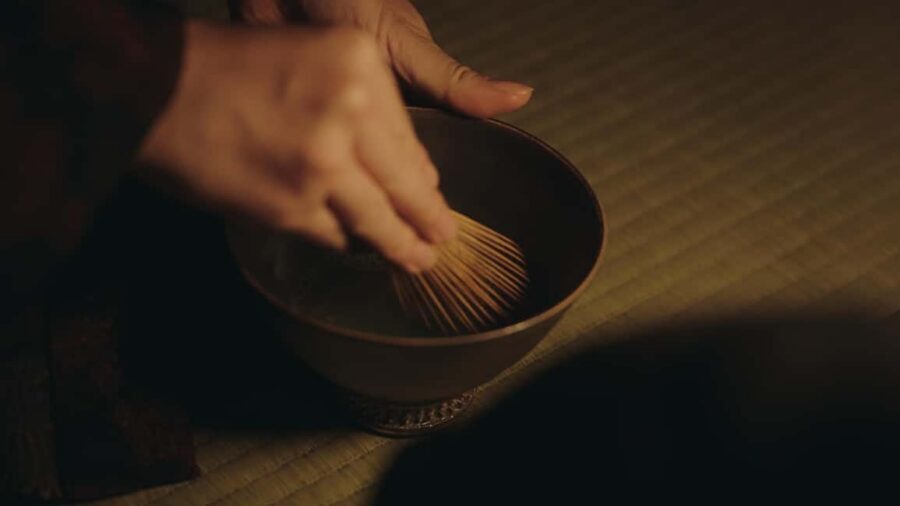
- You whisk your own matcha using authentic, handcrafted utensils
- Tatami-townhouse calm that makes the routine feel like “tea ceremony meditation”
- American Express Award–winning tea program from a culture-focused company
- Tea ceremony shopping at the end with Japanese crafts and utensils you can take home
Entering the 100-Year-Old Kyoto Townhouse Near Gojo
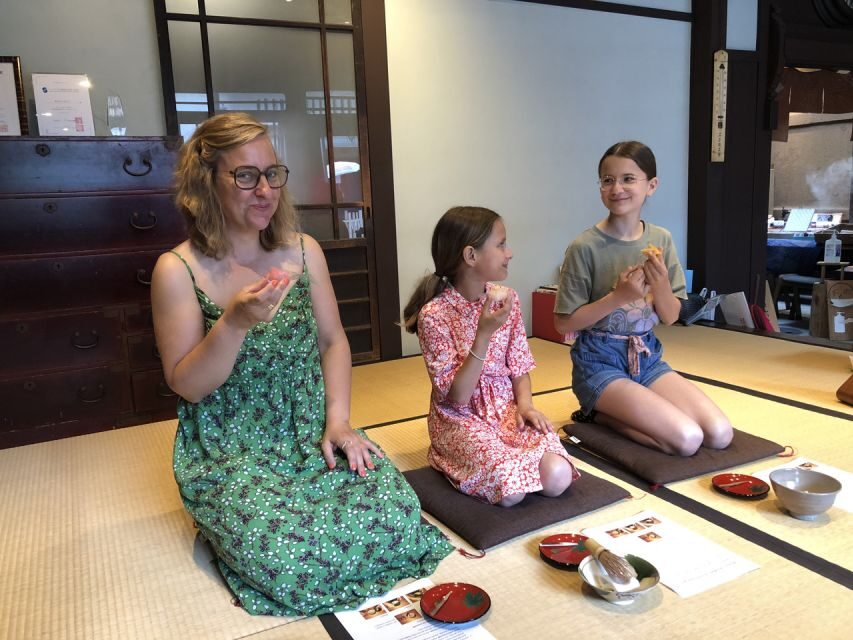
Your matcha experience starts in a traditional Kyoto townhouse that’s about a century old. The moment you step inside, the setting does half the work: tatami scent, quiet rooms, and a slower rhythm than the streets outside.
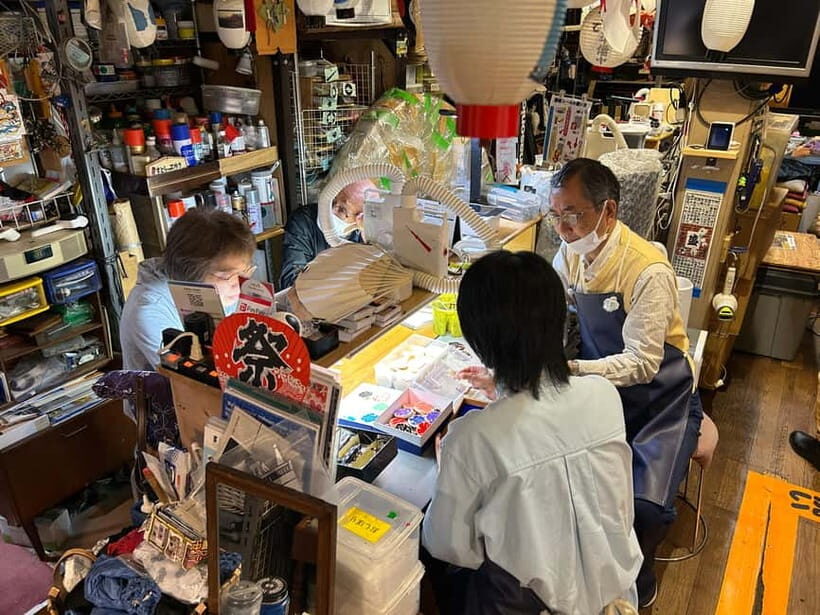
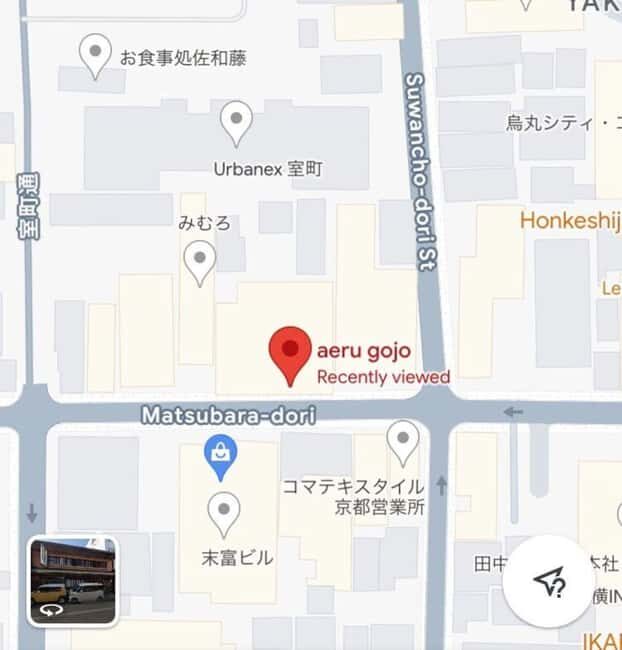
The meeting point is in central Kyoto, and it’s easy to miss if you rush. If you’re coming from Karasuma-dori Street, turn at the corner with the Family Mart. Go straight for one block, and look for the sign for aeru gojo next to Only Corporation, across from Zen Kyoto.
Practical note: there’s no parking lot. If you’re arriving by rental bicycle, bikes aren’t allowed for the activity, and you’ll need to use public parking nearby. The closest public parking is linked in the activity info, so check it before you roll up.
If you’re hoping to wear a kimono for the photos, plan around that too. Kimono and hair setting are not included, so you’ll come as you are (just ready for a calm, respectful tea space). The good part: the workshop is listed as wheelchair accessible, so it’s not only for people who can handle narrow, old-school stairs.
You can also read our reviews of more tours and experiences in Kyoto.



Omotesenke Basics: How the Tea Master Sets the Mood
This isn’t a rushed “tour of matcha.” Your host is trained in the Omotesenke tradition and will walk you through both etiquette and technique. You’ll learn the reasoning behind the movements, which is what turns matcha from a drink into a ritual.
The English setup matters. Your tea master is English-speaking, and the atmosphere is designed for questions. In practice, that means you’re not stuck nodding along while everyone else understands the finer points. You can ask about how the tea ceremony connects to Japanese culture, how the steps work, and what details matter (like why the bowl and whisk are treated with care).
Another nice touch is the “tea program” credibility. This experience is part of an American Express Award–winning tea program from a culture-focused company. That shows up in how organized the session feels and how thoughtfully the teaching is structured for visitors.
And yes, the vibe is often described as soothing. The motions are slow, the pace stays calm, and watching the process can feel almost meditative. That’s not just marketing language—it’s the natural result of a room designed for quiet attention and a guide who keeps everything step-by-step.
Whisking Your Own Matcha in 45 Minutes
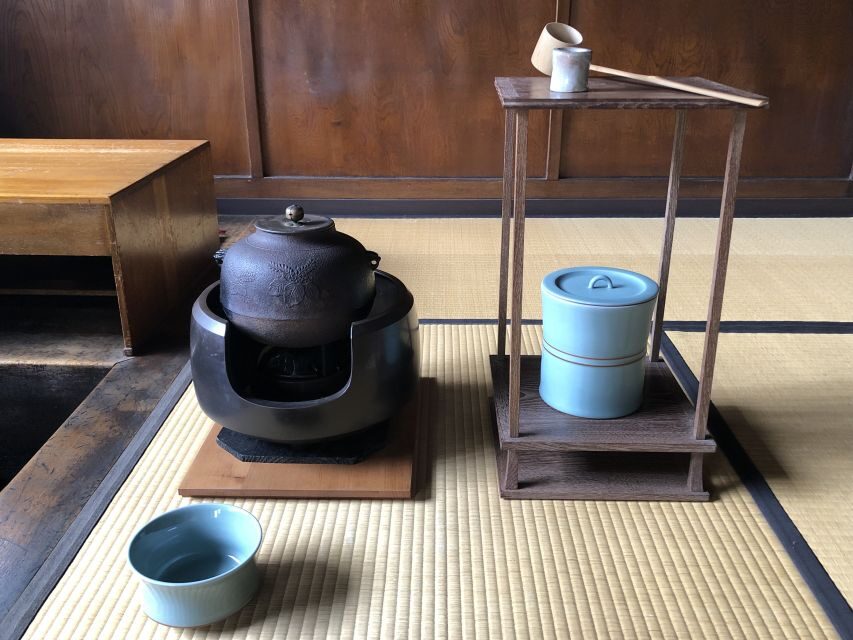
The heart of the experience is simple: you make your own matcha. After the host demonstrates the proper sequence, you’ll take your turn at preparing a bowl using authentic, handcrafted utensils made by skilled artisans.
This is where the value comes from. Many Kyoto tea experiences stop at watching and tasting. Here, you get the hands-on part, which means you’ll know what you’re doing the next time you buy matcha and want it to taste right.
You’ll also drink the matcha you make. The ticket includes 1 cup of matcha tea, and it’s served with a traditional Japanese sweet. That combination matters: matcha’s earthy bitterness is balanced by sweetness and texture, so you get a full flavor picture—not just “green powder water.”
The session is 45 minutes, which is long enough to learn the basics and short enough to keep the room from feeling chaotic. Just keep in mind the space is limited, and the workshop is not set up for snacking or lingering. You’ll also want to show up with a clear head: the instructions ask you not to wear perfume or cologne, so the matcha aroma stays the main event.
One more small consideration: you’re asked to arrive no earlier than 10 minutes before your scheduled time. That keeps the flow smooth inside a compact townhouse, and it helps everyone start together.
The Sweet Break and Tea Etiquette You Can Use Immediately
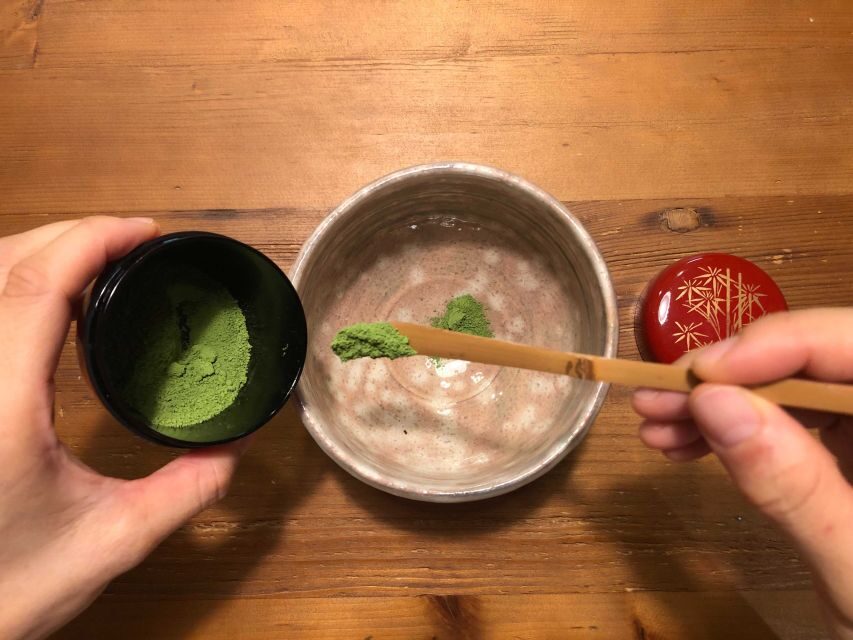
You don’t just get a drink; you get a mini crash course in manners and attention. Tea ceremony etiquette is often misunderstood as overly strict, but in this format it lands as respectful and practical—especially if you’re new to matcha.
You’ll be taught how to handle the objects and how to move through the ritual with intention. It’s not about perfection. It’s about learning what each step means, and why the ceremony treats preparation as part of the experience—not background to the tasting.
Once your matcha is ready, you’ll sit down and enjoy it with a traditional sweet. That moment is quieter than you might expect, especially in a small group. Several people describe the atmosphere as calm or zen-like, and that fits with what the workshop is designed to do: slow your breathing, focus on taste, and let the routine land.
The host also invites conversation, including questions that go beyond tea itself. That’s one of the best parts for me, as a writer and a planner: you leave with small pieces of cultural context you can use while you’re still in Kyoto—when you visit tea-related spots, shop for matcha, or talk with locals.
Tea Utensils, Japanese Crafts, and Souvenirs at the End
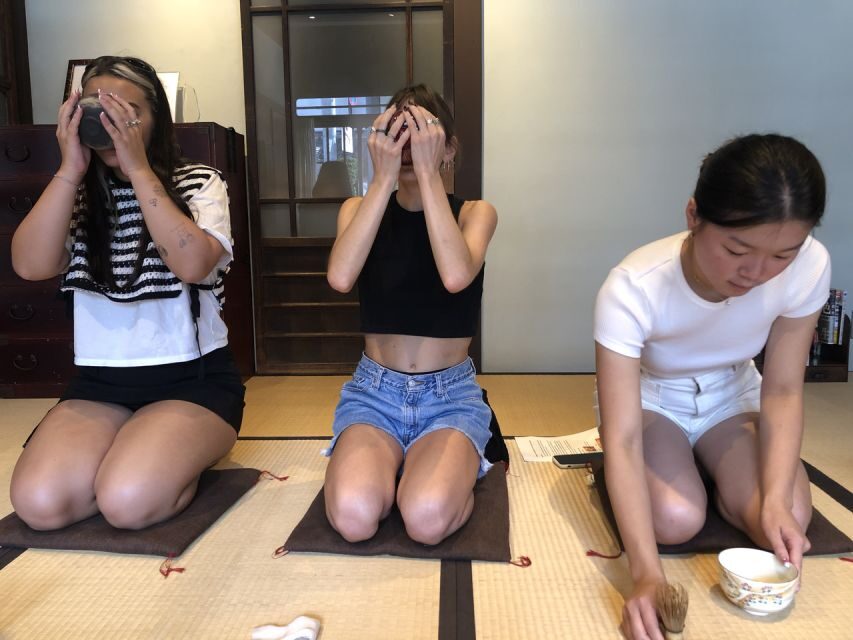
One of the underrated benefits of a hands-on workshop is what you notice on the way out. After you’ve made matcha and heard the meaning behind the tools, you’re more likely to understand what you’re buying.
This experience includes time to explore Japanese crafts and take home meaningful souvenirs. While the activity info doesn’t list exact items, reviews commonly mention that tea ceremony pieces are available for purchase at the end—so you’re not stuck with just a photo and a memory.
What should you look for? Think in categories the ceremony actually used: utensils related to preparing matcha, plus other Japanese crafts that connect to the feeling of the room. Even if you don’t buy anything, browsing the selection is part of how the experience stays real. You’ll have a sharper sense of why certain materials and designs are valued.
If you’re bringing home matcha as a souvenir, pair it with a practical utensil you understand. The point of this workshop is to help you connect the dots between what’s in your bowl and what’s in your kitchen later.




Price and Value: Why $45 Works for a 45-Minute Kyoto Experience
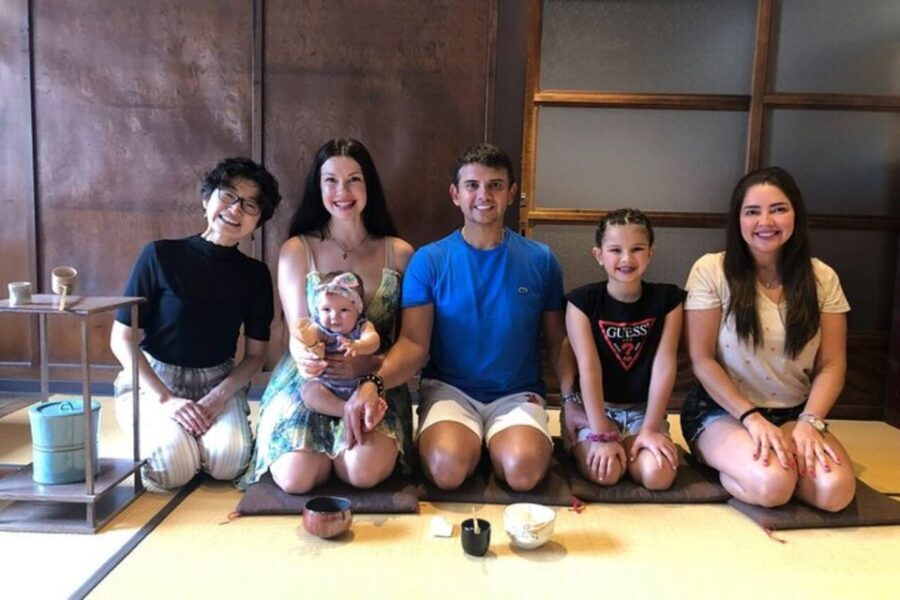
At $45 per person for 45 minutes, the biggest question is always: what are you paying for? Here, you’re paying for three things that add up quickly.
First, you’re paying for instruction in a respected tradition (Omotesenke) with an English-speaking host who supports questions and conversation. Second, you’re paying for hands-on matcha-making using real, handcrafted utensils, not just a tasting. Third, you get included consumables—your cup of matcha and a traditional sweet.
That blend is what makes the price feel fair. You get a classroom-style lesson, a performance moment, and a personal “I made this” takeaway, all inside one short session. And the small group limit (10) keeps the teaching from turning into a crowd-control exercise.
There are a few things you should expect to pay for separately. Hotel pickup and drop-off aren’t included, and kimono rental plus hair setting aren’t included either. Also, since bikes aren’t allowed and there’s no parking lot, your planning needs to account for walking and public transit or nearby parking.
If you want a tea experience that’s calm, hands-on, and culturally grounded without turning into a full afternoon commitment, this is built for that.
Should you book this matcha workshop in Kyoto?
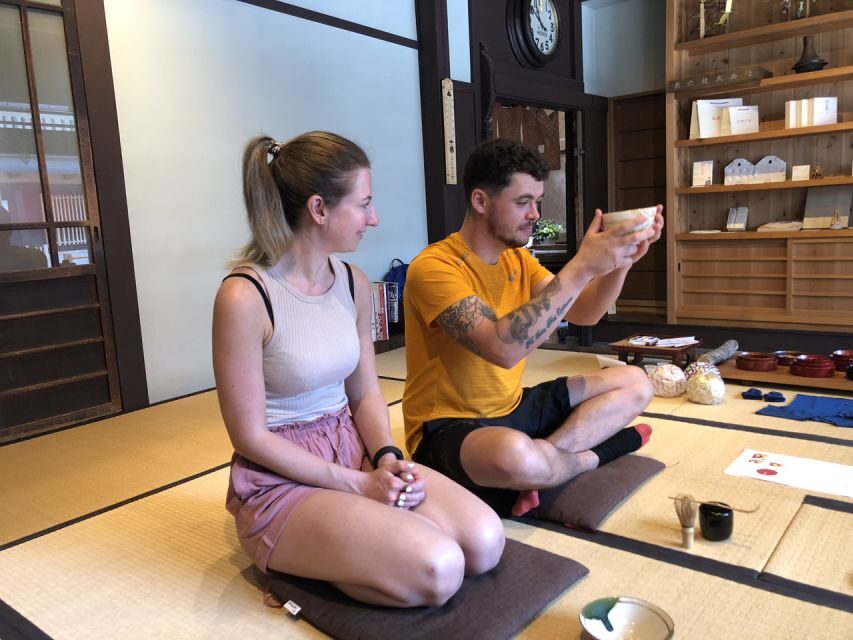
I’d book it if you want a matcha ceremony that feels respectful and practical. This is a strong pick for beginners because you get step-by-step guidance and you’ll be able to ask questions in English. The small group size keeps it personal, and the townhouse setting helps you actually slow down.
I’d also consider it if you care about authenticity over spectacle. You’re learning a respected tea tradition, using handcrafted tools, and enjoying matcha you personally prepare. That’s the kind of experience that sticks after you leave Kyoto.
Skip it (or rethink it) if you’re hoping for a longer, food-centered meal experience. The venue isn’t suitable for eating, and no food or drinks are allowed, so come for the tea and the etiquette, not for a snack-and-chat break. And if you really want kimono styling included, you’ll need to arrange that elsewhere.
If you can handle a quiet, focused 45 minutes and you’re curious about how matcha fits into Japanese culture, this is one of the most straightforward ways to get value from Kyoto beyond the usual photo stops.
FAQ
How long is the Kyoto tea ceremony matcha workshop?
It lasts 45 minutes.
What’s included in the ticket price?
The experience includes the tea ceremony, 1 cup of matcha tea, and Japanese traditional sweets.
Is the instructor English-speaking?
Yes. The instructor is listed as English.
How big is the group?
It’s a small group, limited to 10 participants.
Is kimono and hair styling included?
No. Kimono and hair setting are not included.
Where is the meeting point in Kyoto?
From Karasuma-dori Street, turn at the corner with the Family Mart, go straight for one block, and look for aeru gojo next to Only Corporation and across from Zen Kyoto.
Are food, drinks, or bikes allowed during the experience?
No. Food and drinks are not allowed, and bikes are not allowed.