REVIEW · HIROSHIMA
Hiroshima: History of Hiroshima Group Walking Tour
Book on GetYourGuide →Operated by M2N Tours · Bookable on GetYourGuide
Two hours in Hiroshima can change how you see everything. This Peace Memorial Park walking tour turns scattered monuments into a clear story, from daily life before the bombing to what survivors faced and how the city rebuilt. Guides bring it to life with serious, human detail, and I especially noticed that local specialists like Tomas, Cva, and Moe are capable of explaining the day without turning it into a script.
What I like most is how the tour gives you structure in just 2 hours, so you don’t wander aimlessly or miss the meaning behind key sites. I also love that the guides use real research and personal context in a respectful way, with multiple guides sharing family connections or survivor-linked stories, which makes the memorials hit harder.
One consideration: this is an emotionally heavy route through sites connected to mass tragedy, so if you’re sensitive to grief or prefer lighter sightseeing, you might want to pace yourself and plan downtime afterward.
In This Review
- Key highlights worth your time
- Starting at the Gates of Peace: why this tour feels different
- The first monuments: Mother and Baby, then the Prayer Fountain
- Cenotaphs and the Flame of Peace: the park’s storytelling tools
- Hiroshima National Peace Memorial Hall: included entry that gives context fast
- The walking stretch where smaller details matter
- Finding the Hypocenter: where the tour’s focus becomes intensely specific
- Price and time: is $35 a good value here?
- Who should book this tour (and who might want a different plan)
- Should you book the Hiroshima History of Hiroshima Group Walking Tour?
- FAQ
- Where is the meeting point?
- How long is the tour?
- What language is the tour guide?
- What’s included with the ticket price?
- Is the tour wheelchair accessible?
- What should I bring?
- Can I cancel if my plans change?
Key highlights worth your time
- PhD-level, research-backed guiding that connects the science, the choices, and the human cost
- A tight 2-hour route that hits major landmarks and less-obvious memorial details
- Personal, family-linked storytelling from guides such as Cva, Tomas, Camille, and Moe, shared with care
- Meaningful stops around the Hypocenter and Atomic Bomb Dome, with time to absorb what you’re seeing
- Included entry to the Hiroshima National Peace Memorial Hall for Atomic Bomb Victims
Starting at the Gates of Peace: why this tour feels different
The meeting point is right at the Gates of Peace, next to the Italian restaurant Mario. That matters more than you’d think. Instead of starting from a ticket counter or a random corner, you begin at the emotional and symbolic threshold of the park. Your guide sets the tone quickly, then you move step-by-step through the memorial grounds with purpose.
Also, the guides aren’t just enthusiastic history narrators. They’re trained for this topic. The tour’s description says guides hold advanced degrees (including Masters and PhDs) across fields like tourism, anthropology, history, and peace studies. In practice, it shows up as clear explanations that don’t flatten complex events into slogans.
You can also read our reviews of more walking tours in Hiroshima
The first monuments: Mother and Baby, then the Prayer Fountain
You’ll begin with Mother and Baby in the Storm. Even if you’ve seen photos, seeing it in place does something different. The monument is small enough to feel intimate, but it lands like a shock. Your guide’s job here is to help you read it correctly: this isn’t abstract mourning, it’s a marker for families and ordinary life caught in catastrophe.
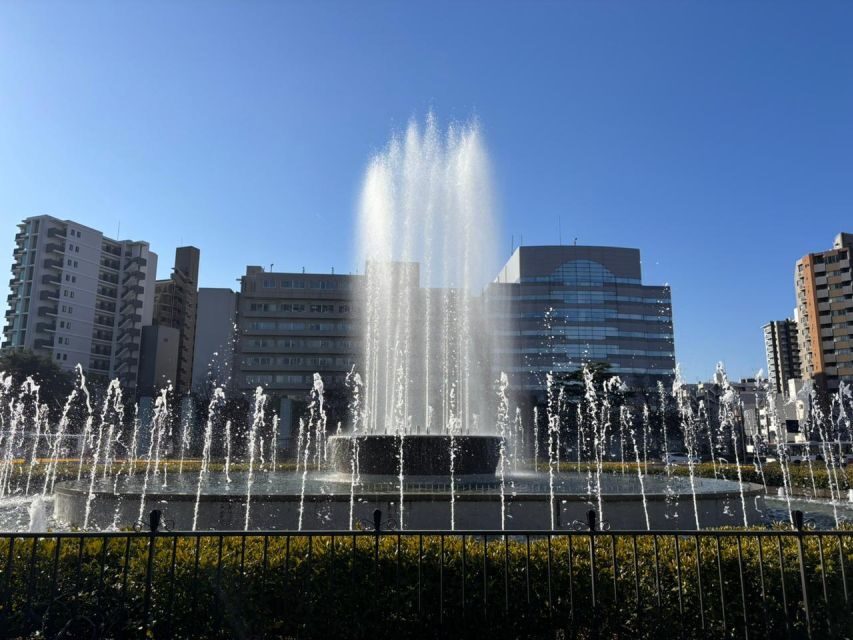
From there, you head to the Prayer Fountain. This is one of those stops where the setting helps you understand the intent. The guide will connect the symbolism to the larger message of peace the park is built around, not just the date of August 6, 1945. If you’re hoping for a memorial that explains itself without being cold or distant, this is where the tour starts doing that.
Cenotaphs and the Flame of Peace: the park’s storytelling tools
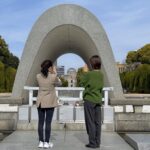
Next up are the Hiroshima Victims Memorial Cenotaph and the Flame of Peace. These places work like the park’s “main text.” Walk past them on your own and you might see a sculpture or a wall of names and move on. With a guide, the focus shifts to what each monument is trying to communicate.
The cenotaph area is where you can learn how Hiroshima’s remembrance includes direct victims and indirect victims—people affected through many layers of impact, not only those at the blast’s immediate point. Then the Flame of Peace adds a different kind of message: the idea that commemoration has to continue, not just for a day or a year.
If you’re the type who likes to ask questions, this is a good stretch to do it. Guides on this tour repeatedly encourage participation, and many visitors in the feedback praised guides who answered questions fully while keeping a respectful tone.
Hiroshima National Peace Memorial Hall: included entry that gives context fast
Midway through the walk, you’ll visit the Hiroshima National Peace Memorial Hall for Atomic Bomb Victims, and entry is included. This is the portion of the experience that adds depth to what you’ve seen outside.
Outside, you’re learning to read memorial symbols in space. Inside, you get more background about what the bombing meant for survivors and the long tail of suffering and recovery. It’s also where the “before, during, after” structure of the tour becomes easier to hold in your head. Your guide will likely connect what you saw outdoors to what you learn inside, so the story stops feeling like separate stops and starts feeling like one continuous narrative.
Practical note: you’ll only have limited time here, so I recommend using it to follow your guide’s pacing. If you wander on your own, you might miss what they’re pointing out.
The walking stretch where smaller details matter
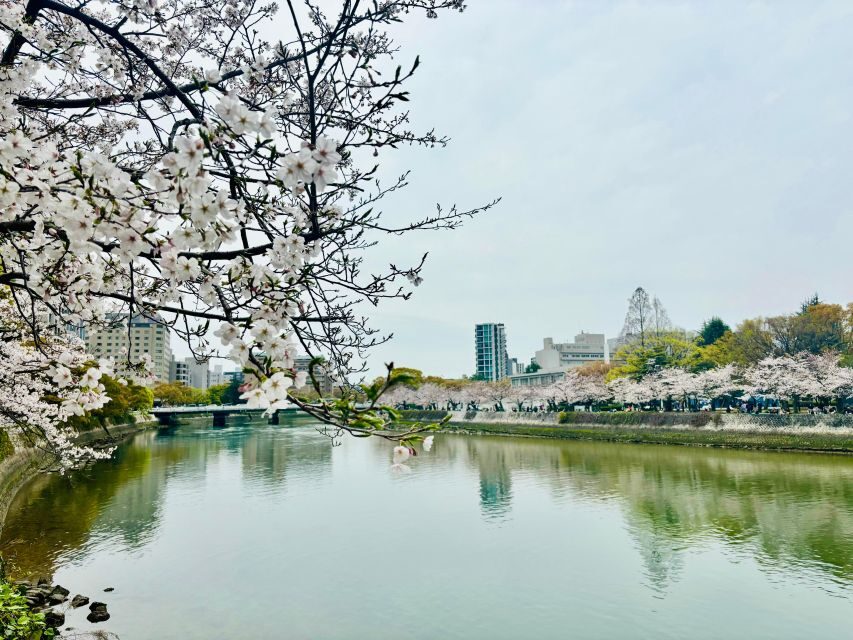
After the hall, the tour continues through the central peace grounds with several key stops, including the areas centered on children and remembrance.
You’ll spend time at the Children’s Peace Monument (with a photo stop), the Atomic Bomb Memorial Burial Mound, and the Korean Atomic Bomb Victims Cenotaph. These sites matter because they broaden the story. The bombing didn’t affect only one group, and a good guide will make that clear without making it feel like a lecture.
The tour description also points out other significant monuments you may see along the route, such as the Dr. Marcel Junod Memorial Monument, the Norman Cousins Monument, and the Peace Bell. Even if these names aren’t familiar at first, they help you understand that Hiroshima’s legacy didn’t stay locked inside Japan. The message traveled outward through people who pushed for attention, documentation, and peace work.
Then you’ll reach the Bell of Peace. It’s a simple moment on paper, but it’s designed to make you pause. I like that the tour gives you both information and a small opening for reflection, so the emotional weight doesn’t turn into numbness.
You can also read our reviews of more historical tours in Hiroshima

Finding the Hypocenter: where the tour’s focus becomes intensely specific
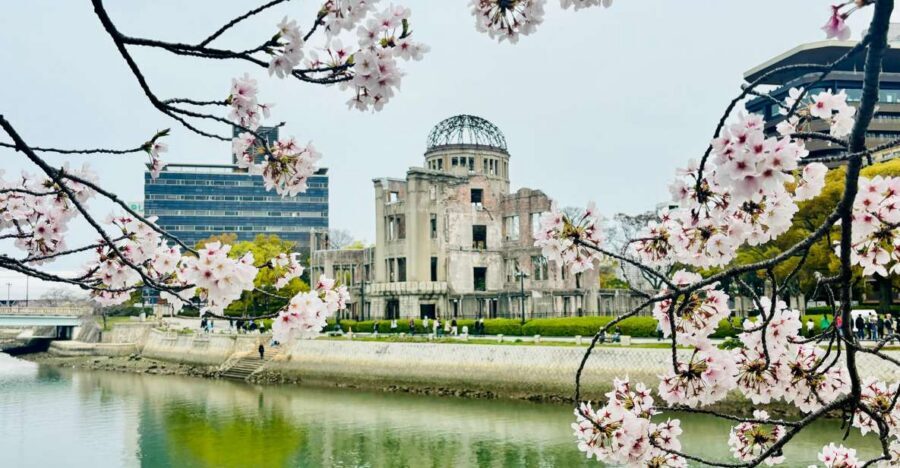
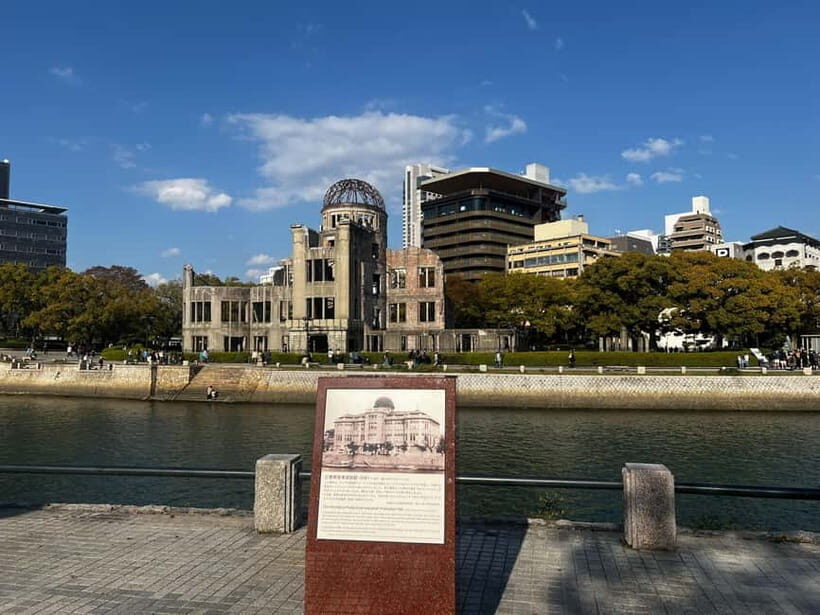
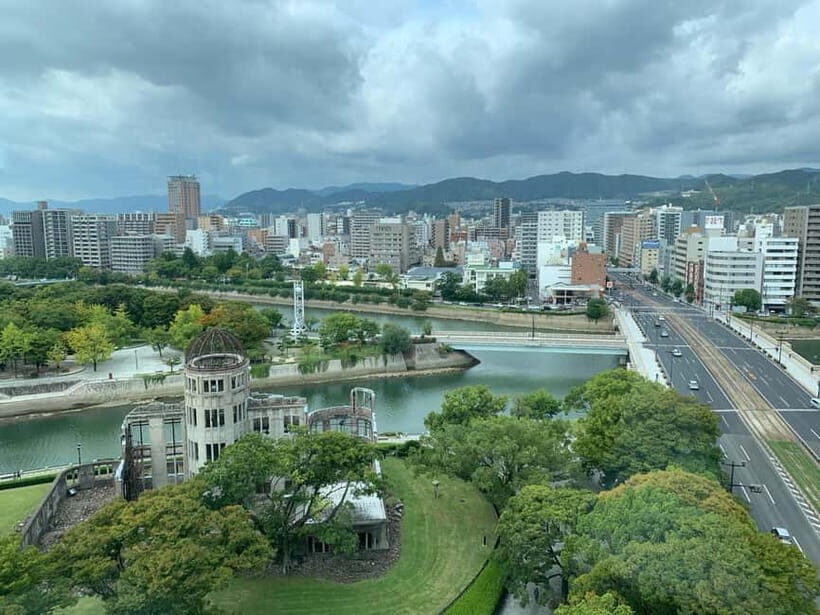
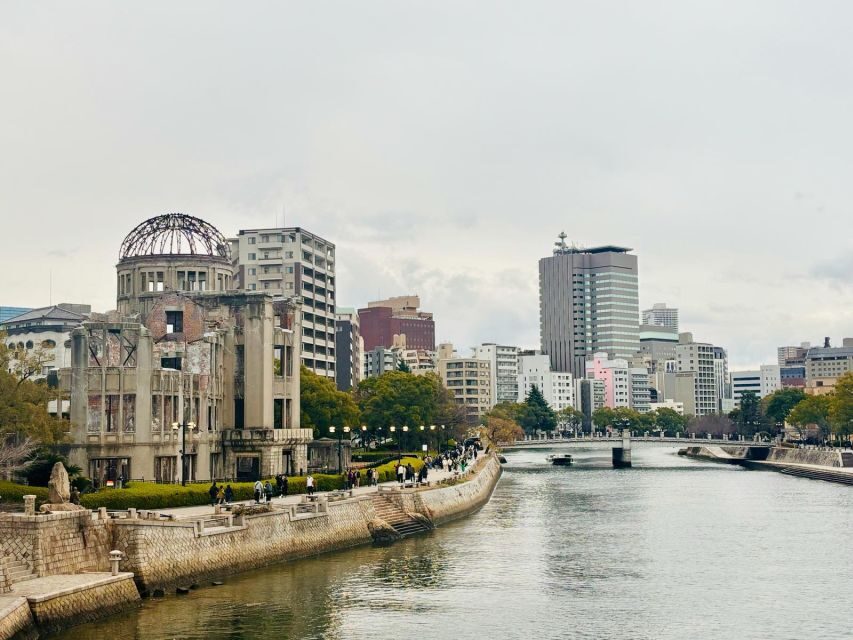
The most powerful part of the walk is the shift toward the Hypocenter and the Atomic Bomb Dome. Your guide helps you understand what the site represents and why it matters when you think about the blast’s impact.
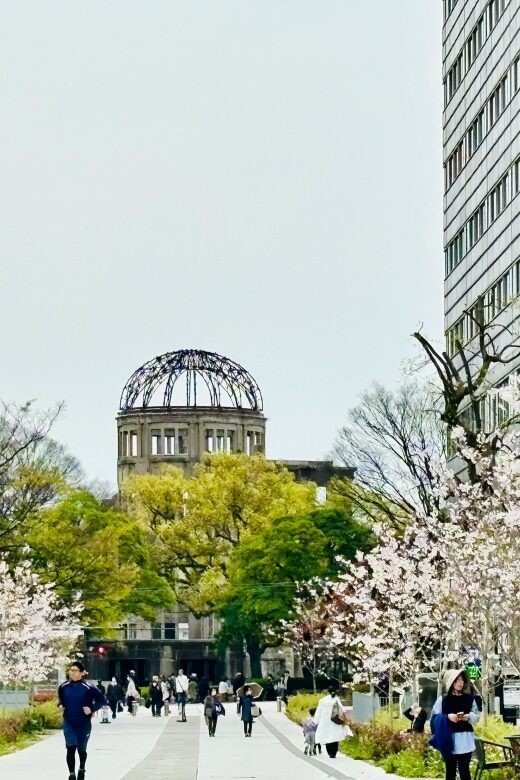
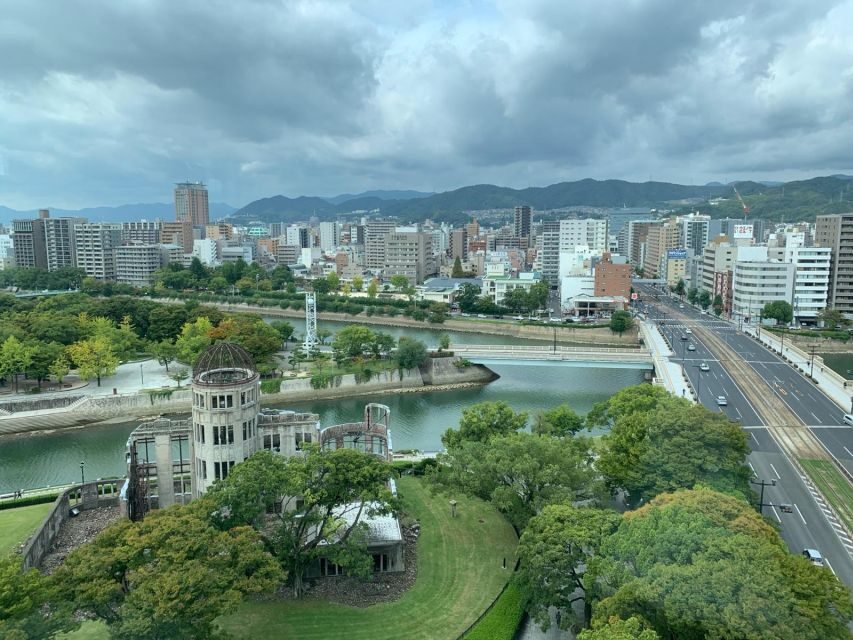
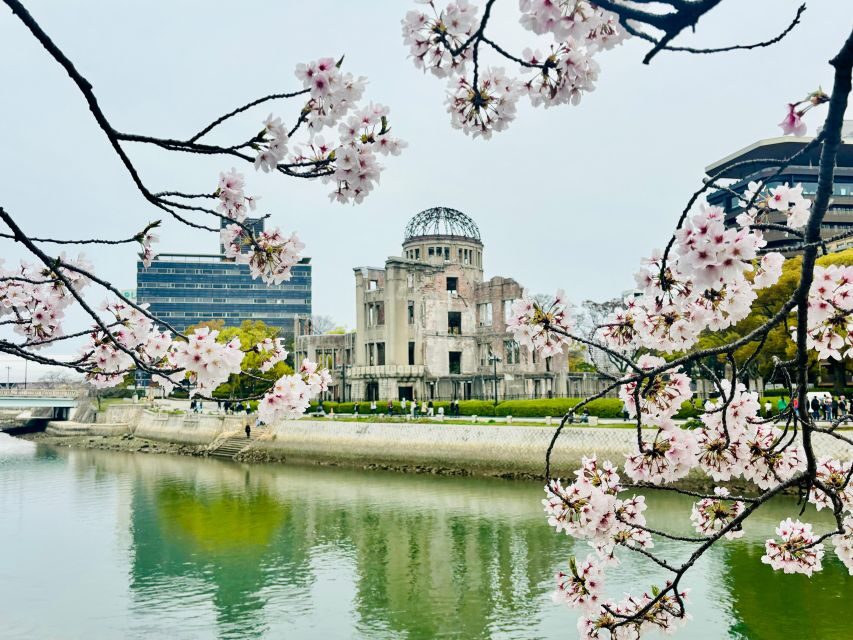
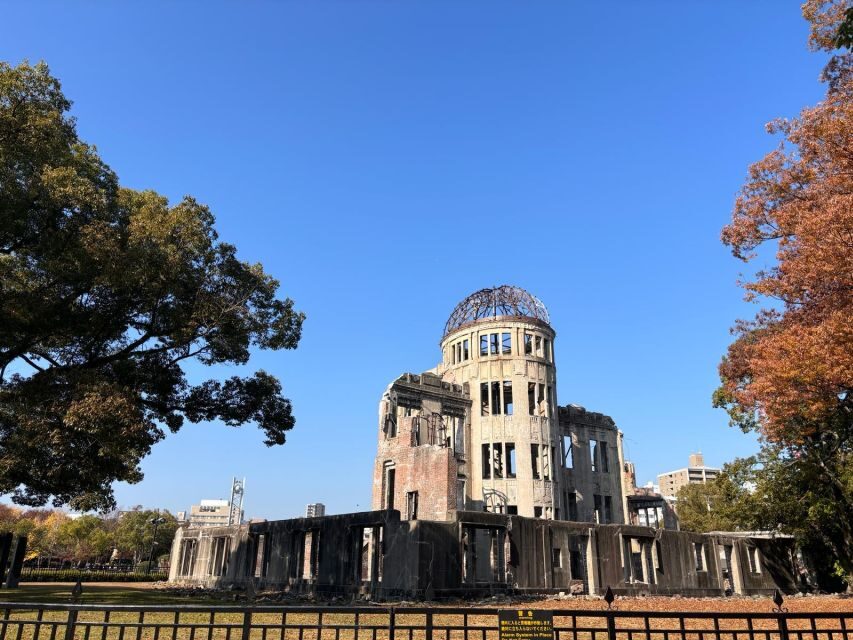
First, you’ll get photo stops and guided time around the Atomic Bomb Dome. The Dome is famously the one structure that survived, and seeing it in person makes it obvious why people treat it like an anchor point for memory. It’s not just a landmark—it’s evidence made visible.
Then comes the Hypocenter area, which is the tour’s final destination. The Hypocenter is where the story tightens from “what happened in Hiroshima” into “where it happened and why that matters.” Your guide’s explanation makes the geography feel meaningful rather than just scenic.
One thing I really appreciated is the pacing. Even with a fixed route, the tour isn’t frantic. Several visitors praised guides for not rushing and leaving space for reflection, which is exactly what you want in a place this heavy.
Price and time: is $35 a good value here?
At $35 per person for a 2-hour guided walk, the value is strong—mainly because you’re paying for interpretation, not just movement through the park. Hiroshima Peace Memorial Park can be done solo, but without guidance it’s easy to miss what certain monuments are actually communicating.
This tour also includes entry to the Hiroshima National Peace Memorial Hall, which adds tangible value beyond the walking portion. The tour is priced like a guided experience, and it behaves like one: it’s focused, structured, and designed to help you leave with a clearer understanding of August 6, 1945 and its lasting impact.
If you’re short on time in Hiroshima, this is a sensible pick. If you’re the type who likes slow museum days, you might want extra time afterward to revisit the sites you felt most connected to.
Who should book this tour (and who might want a different plan)
You’ll probably love this tour if:
- You want a guided, respectful walkthrough of Hiroshima’s peace memorial sites
- You like asking questions and getting answers in clear, human terms
- You want a tight route that covers major landmarks plus less-obvious memorial details
It’s a less ideal choice if:
- You’re hoping for a lighter “see the sights” afternoon
- You’re uncomfortable with themes of mass death and long-term suffering
- You dislike emotionally guided storytelling (this tour leans into meaning)
Should you book the Hiroshima History of Hiroshima Group Walking Tour?
Yes, I’d book it if your goal is understanding. The strongest reason is the guides: people such as Tomas, Cva, Camille, Moe, and others show up repeatedly in the feedback for being compassionate, thoughtful, and serious about doing the topic right. You get a route that avoids random wandering, explanations that connect monuments to the real lived impact of the bombing, and time to process what you’re seeing.
If you can handle a heavy subject with care, this tour is one of the most efficient ways to make your visit count.
FAQ
Where is the meeting point?
Meet your guide in front of the Gates of Peace, located next to the Italian restaurant Mario.
How long is the tour?
The tour lasts 2 hours.
What language is the tour guide?
The live tour guide speaks English.
What’s included with the ticket price?
You get a guided tour and entrance to the Hiroshima Peace Memorial Hall for Atomic Bomb Victims.
Is the tour wheelchair accessible?
Yes, the tour is wheelchair accessible.
What should I bring?
Wear comfortable shoes and bring weather-appropriate clothing.
Can I cancel if my plans change?
Yes. You can cancel up to 24 hours in advance for a full refund.