REVIEW · HIROSHIMA
Hiroshima/Guided Virtual Tour of Peace Park/PEACE PARK TOUR VR
Book on Viator →Operated by (株)たびまちゲート広島 · Bookable on Viator
A single hour can change how you see a city. This Hiroshima Peace Park guided virtual tour uses VR reenactments tied to real historical accounts, so you move through the park like a time machine. You go from streets before the blast to the shock of that day, then toward what came after.
What I really liked is the way the story stays guided and human. You’re not just watching videos—you’re talking with an English-speaking guide who helps connect the scenes, and in one review I saw a guide named Kazuko who was praised for answering questions and making everything feel real.
The main drawback to consider is fit. The tour is short and relies on a limited set of VR segments, so if you’ve already visited the Peace Memorial Museum the day before, you may feel like you’re paying mainly for the VR layer rather than brand-new information.
In This Review
- Key things to know before you go
- Entering Peace Park’s story through VR
- Meeting at the Peace Park Rest House and getting set up
- Stop 1: Rest House basement with Eizo Nomura’s story
- Stop 2: Peace Clock Tower and the Atomic Bomb Dome aftermath
- Stop 3: Aioi Bridge and what the town became
- Stop 3 note: the Atomic Bomb Dome’s special status
- Stop 4: Motoyasu Bridge and the first steps toward recovery
- Stop 5: River of Hope messages at the Rest House
- Timing, distance, and why the tour stays manageable
- VR value: what you’re paying for (and when it’s less)
- Who this VR tour suits best
- A realistic emotional note before you book
- Should you book Hiroshima’s Peace Park Tour VR?
- FAQ
- Where does the Peace Park Tour VR start?
- What time does the tour start?
- How long is the tour?
- How big is the group?
- Is the tour guided in English?
- Are VR goggles included in the price?
- Are food and drinks included?
- Are there admission fees for the stops?
- When will I get confirmation after booking?
- What is the cancellation policy?
- Is the tour suitable for most people?
Key things to know before you go
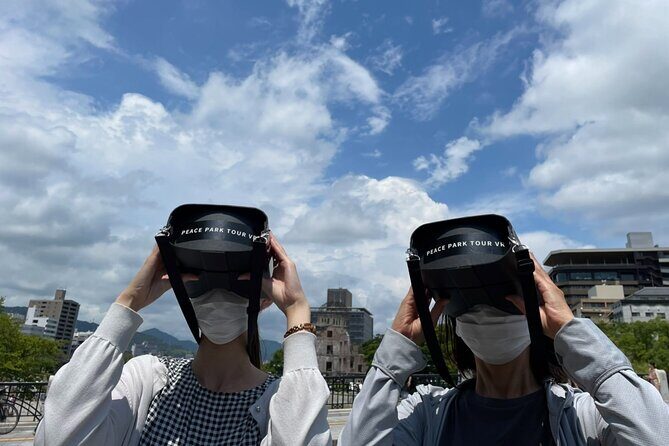
- Time-travel pacing: You cover a few key Peace Park locations without long walking.
- VR with context: The headset experience is tied to historical facts, including survivor testimony.
- Small groups: The max size is 6, which makes Q&A easier.
- Designed for reflection: You end with a chance to add a message at the River of Hope wall.
- Short and focused: Roughly 1 hour 20 minutes total, so manage expectations on depth.
Entering Peace Park’s story through VR
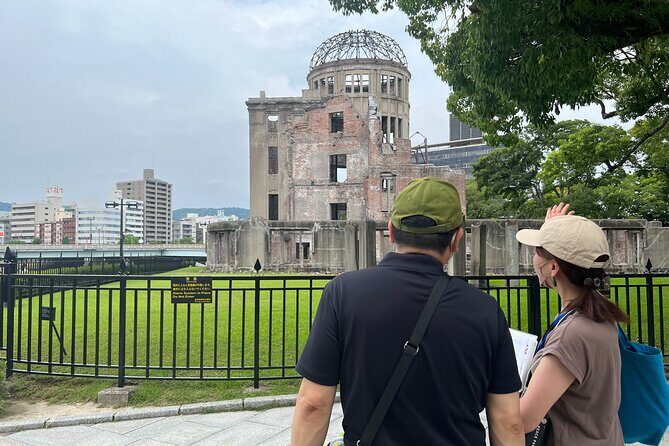
Peace Memorial Park in Hiroshima has plenty of moving parts already: the domed silhouette of the Atomic Bomb Dome, the bridges, the memorial buildings, and quiet spaces that make you pause. What this tour does is give your brain a narrative path.
Instead of treating the park as a museum you walk through, the VR reenactments help you feel the “before, during, and after” sequence. You’re guided to specific spots where the historical moments connect naturally to the geography. It’s not a generic VR show. It’s staged to match the landmarks you’re standing near, so the park doesn’t stay abstract.
The tone is also clearly thoughtful. Even in the “wow” moments of VR, the tour stays respectful of the subject. You’re not meant to race through.
You can also read our reviews of more guided tours in Hiroshima

Meeting at the Peace Park Rest House and getting set up
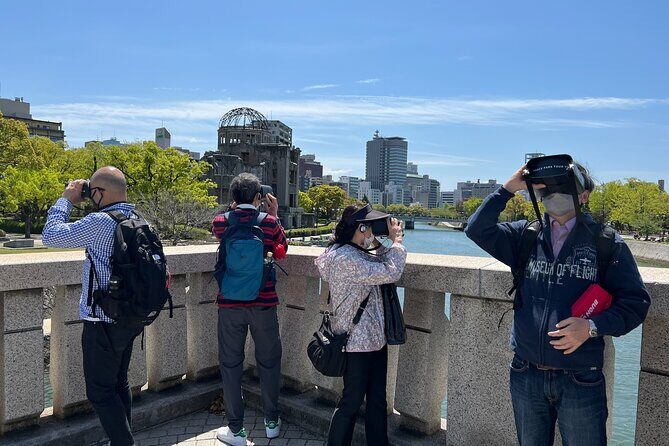
You’ll start at the Hiroshima Peace Park Rest House reception. The address listed is Hiroshima, Naka Ward, Nakajimachō, 11 Hiroshima Peace Memorial Park Rest House, and the tour starts at 10:30am.
Your guide waits at the reception, then walks you through how to use the VR goggles. This matters more than it sounds. If you’re not comfortable putting a headset on, VR can feel awkward fast. The setup time helps you get your footing before the story begins, and the tour is short enough that you want those first minutes to land.
One practical tip: plan to arrive a bit early so you’re not rushing your headspace. The experience is emotionally heavy, even when it uses technology.
Stop 1: Rest House basement with Eizo Nomura’s story
The first stop is at the Rest House of Peace Park, where you’ll go down to the basement. This is where the tour turns personal.
You relive the life of Eizo Nomura, described as the only survivor of the fuel building. That detail gives the whole experience a specific human anchor. Hiroshima’s story can become a big, distant concept if you only see it in numbers. Here, you start with one person’s survival and presence, which shapes how you interpret what comes next.
You’ll spend about 20 minutes at this stop, so it’s not a quick side vignette. You’re given enough time to absorb the VR content and then let the guide explain how it connects to the larger picture.
Stop 2: Peace Clock Tower and the Atomic Bomb Dome aftermath
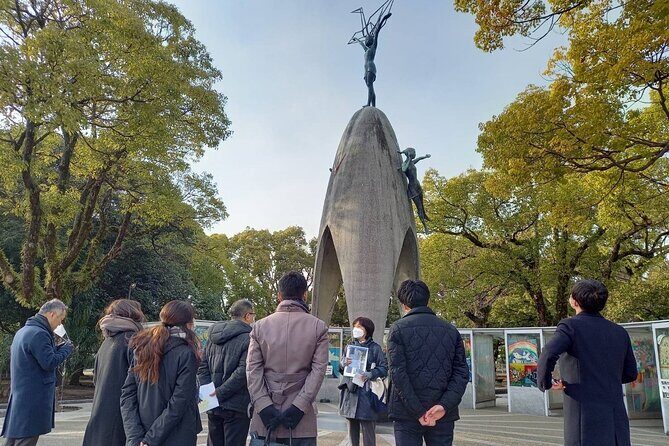
From the Rest House, you head to the Peace Clock Tower for the next VR segment. This is where the tour leans into a stark transformation.
With the headset on, you can see and feel what life looked like before and after the moment of the atomic bombing. The guide also points out how the Atomic Bomb Dome was destroyed and how it became what visitors recognize today.
Even if you already know the Dome’s reputation as a symbol of Hiroshima, the VR version helps you visualize the scale of change tied to one place. A lot of Hiroshima travelers come with the Dome as a “must photograph” item. This stop shifts it from photo-op to story.
This stop runs about 15 minutes, which is a good tempo. You get impact without feeling dragged.
Stop 3: Aioi Bridge and what the town became
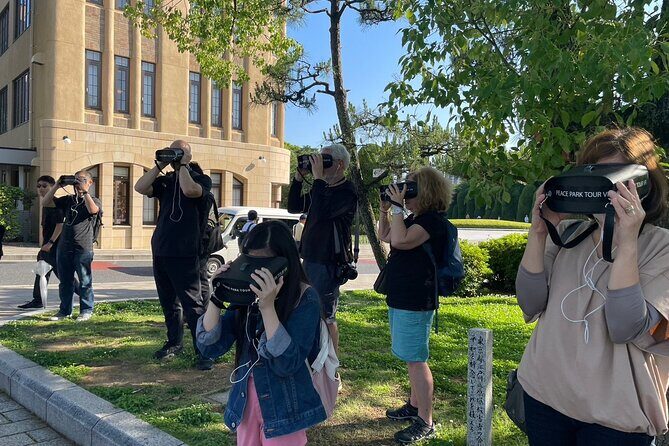
Next comes the Aioi Bridge. The VR here is framed as roughly two months after the atomic bombing.
The tour describes the townscape turning into a sea of fire, and it weaves in testimonies from A-bomb survivors. That survivor layer is important. It prevents the experience from turning into spectacle. You’re seeing a re-creation, but the story is grounded in real voices.
Bridges in Hiroshima aren’t just crossings. They’re observation points—places where you can imagine movement through the city. Aioi Bridge becomes a place to understand what the city looked like after, not just how it looked from a distance.
If you’re sensitive to emotional content, this is likely one of the hardest stops. Keep your own pace. You don’t have to “power through” a time-sensitive VR scene.

Stop 3 note: the Atomic Bomb Dome’s special status
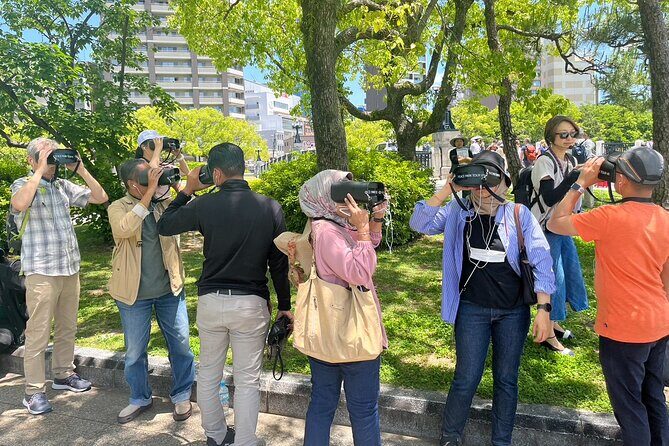
Along the way, the tour also highlights a specific fact that makes the Atomic Bomb Dome especially significant. It’s described as the only building in the world that has left visual traces of the atomic bombing, registered as a World Heritage site in 1996.
That’s the kind of detail worth holding onto, because it explains why the Dome is treated differently from other ruins or memorial structures. It’s not only a reminder of history; it’s a physical trace.
Stop 4: Motoyasu Bridge and the first steps toward recovery
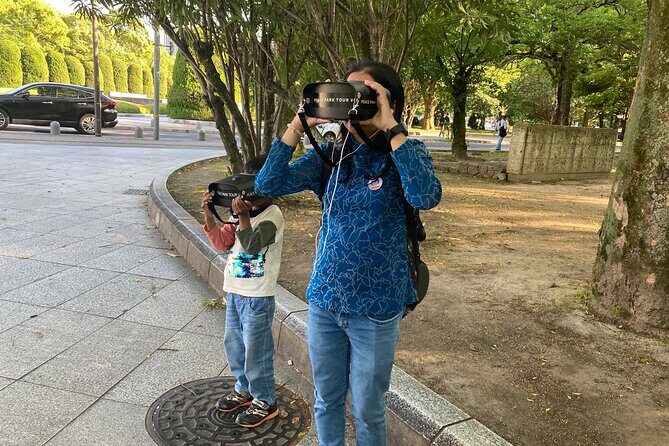
At Motoyasu Bridge, the time frame shifts again. This stop covers the period from the first year after the atomic bombing up to the present.
What I like about this shift is that it stops the story from staying stuck in tragedy. You still get the chaos and the reality of what happened, but you also move into the human reaction: people rising to their feet amid confusion and taking steps toward recovery.
The tour also includes an appeal for peace, which fits naturally with where you are in Peace Park. It’s not just “remember the past.” It’s “how do we live differently because of it?”
This stop is also about 15 minutes, which keeps momentum. You’ll want to be ready to reflect immediately after, because the emotional weight doesn’t fully drop just because the timeline moves forward.
Stop 5: River of Hope messages at the Rest House
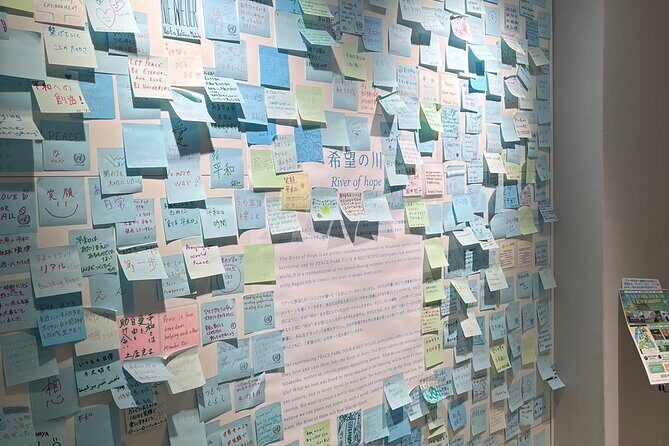
The tour returns to the Rest House of Peace Park for the final segment. Here you have a moment that feels more like a ritual than a VR scene.
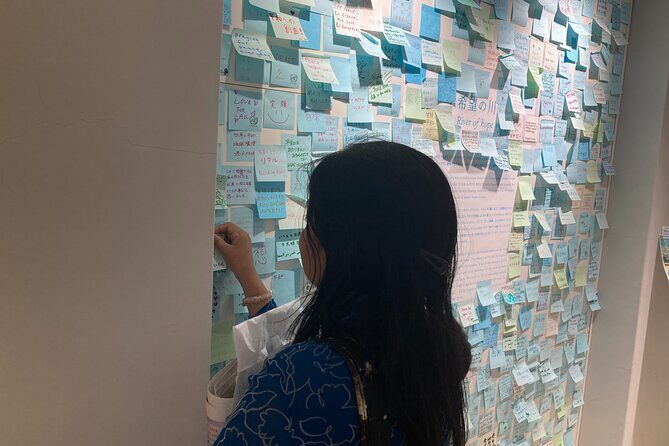
You’ll express what you feel on the tour by posting a comment on the wall of the River of Hope, and you’ll also offer condolences through the message space provided.
This is a meaningful ending because it converts emotion into action. VR can leave you teary and numb at the same time; leaving a message can bring the experience back into your hands. You’re not required to write something long. Even a short message makes the ritual real.
This stop is about 15 minutes, so think about what you want to say before you get to the wall. If you’re traveling with another person, you can also agree ahead of time whether you both will write or one person will.
Timing, distance, and why the tour stays manageable
The full experience is about 1 hour 20 minutes. The stops are short and deliberate, and you don’t have to spend your whole day walking around the park.
That matters because Hiroshima’s Peace Park area can already feel like a lot, even if you’re energetic. This VR tour gives you a guided structure so you don’t end up hopping between memorials randomly.
It’s also designed for groups of up to 6 travelers. Smaller groups usually mean less waiting and more chances to ask questions when the guide slows down to explain something. If you like to understand what you’re seeing instead of just photographing it, this format is a plus.
The tour uses a mobile ticket, and you’ll receive confirmation within 48 hours of booking, if available.
VR value: what you’re paying for (and when it’s less)
The price is $33.03 per person. That sounds like a lot until you consider what’s included. You get VR goggles rental plus an English-speaking guide, and the tour is specifically paced to key areas of Peace Park rather than being a generic VR experience elsewhere.
For value, the key question is what you want most:
- If you haven’t spent much time at Peace Memorial Park yet, the VR layer helps you connect the landmarks into one clear timeline.
- If you’ve already visited the museum the day before, you might feel you’ve seen the big facts already, and the VR becomes the main product. In that case, it can still be moving, but it may feel like a smaller leap in new information.
So I’d treat it like this: you’re buying a guided emotional and visual narrative, not a replacement for the museum.
Who this VR tour suits best
You’ll likely love this tour if you want:
- A short, guided experience with clear stops and a time-based storyline.
- A way to use VR thoughtfully instead of just using it for entertainment.
- A chance to hear survivor testimony framing while standing near the memorial geography.
It’s also a decent fit if you’re traveling with limited time. Many Hiroshima itineraries already include multiple memorial sites, and this one doesn’t demand a full half-day or a marathon route.
On the other hand, if you’re the type who only wants brand-new facts, you may need to check your expectations. Because the tour is limited in length, the biggest payoff comes from experiencing the sequence of places and viewpoints, not from collecting dozens of new exhibits.
A realistic emotional note before you book
This isn’t a light VR experience. The subject matter is heavy, and the tour is designed around real testimony and real historical events. Even with the “tech” wrapper, the content aims to be respectful and reflective.
If you tend to feel overwhelmed easily, you might still want to go, but plan extra breathing space afterward. Hiroshima rewards slow thinking, and this tour is built to make you do just that.
Also, you’ll likely want to wear comfortable clothes and plan to be still for short VR segments. The experience duration is not long, but headset time plus sitting or standing at different stations can add up.
Should you book Hiroshima’s Peace Park Tour VR?
Yes—if you want a guided, short, and emotionally focused way to understand Hiroshima’s timeline through Peace Park landmarks. The small group size, English-speaking guidance, and the way the story moves from before the blast to recovery give the experience a strong structure. Ending at the River of Hope adds a satisfying, grounded finish.
Hold off or think twice if you already did a full Peace Memorial Museum day and you’re mostly looking for new information. In that case, the value depends on whether you connect to the VR narrative style.
If you have the time, I’d book it anyway as long as you’re ready to be affected. This is the kind of tour that changes how you look at the Dome, the bridges, and the memorial spaces—long after the headset comes off.
FAQ
Where does the Peace Park Tour VR start?
The tour starts at the Hiroshima Peace Park Rest House reception. The meeting location listed is Hiroshima, Naka Ward, Nakajimachō, 11 (Hiroshima Peace Memorial Park Rest House).
What time does the tour start?
The start time listed is 10:30am.
How long is the tour?
The duration is approximately 1 hour 20 minutes.
How big is the group?
This activity has a maximum of 6 travelers.
Is the tour guided in English?
Yes. An English-speaking guide is included.
Are VR goggles included in the price?
Yes. VR goggles rental fee is included.
Are food and drinks included?
No. Food and drinks are not included.
Are there admission fees for the stops?
The stop details list admission ticket free for the VR locations included in the tour.
When will I get confirmation after booking?
Confirmation is received within 48 hours of booking, subject to availability.
What is the cancellation policy?
Free cancellation is available. You can cancel up to 24 hours in advance for a full refund. Changes less than 24 hours before the start time are not accepted.
Is the tour suitable for most people?
The listing says most travelers can participate.