REVIEW · HIROSHIMA
Miyajima: Cultural Experience in Zen Temple
Book on GetYourGuide →Operated by okeiko Japan Miyajima · Bookable on GetYourGuide
Kimono, matcha, and calligraphy in one calm hour. This Miyajima cultural workshop at Tokujuji Temple mixes a guided tea ceremony, a hands-on calligraphy lesson, and photo time in the Japanese garden. I especially like the way you get dressed in your own kimono choice, and I also enjoy how the tea ritual is explained step by step, not just performed at you. One thing to consider: you’ll need to remove your shoes to enter, and the experience isn’t recommended if mobility is limited.
If you want cultural depth without getting lost in rules, this hits the sweet spot. The workshop is designed for a small group, taught in English or Japanese, with plenty of patient help (and one instructor, Yoko, is noted for fluent English). The only potential downside is timing: it’s about 1 to 2 hours, so you’ll get a full taste of each art, but not a long, slow immersion.
In This Review
- Key highlights you’ll actually care about
- Tokujuji Temple: a quieter Miyajima stop with real practice
- Choosing and wearing your kimono (yes, you get to pick)
- Tea ceremony with matcha: Ryurei style and exact steps
- Calligraphy class: write your name in Kanji and then in Japanese alphabets
- Optional amulet making: kimono-made bags, a tied code, and Kinseki Jizou
- Japanese garden photo time: when the staff handle the angles
- Duration and value: does $90 make sense for 1 to 2 hours?
- Who should book this Miyajima temple workshop
- Quick practical tips before you go
- Should you book this cultural workshop on Miyajima?
- FAQ
- Where is the workshop held?
- How long does the experience take?
- What languages are available?
- Do I have to remove my shoes?
- What should I expect from the tea ceremony?
- Is the tea ceremony done on the floor?
- What do I learn in the calligraphy lesson?
- Can I make an amulet instead of something else?
- Who can participate, and who should skip?
Key highlights you’ll actually care about
- Kimono choice and fitting with attention to obi styling, then photo-ready time in the garden
- Matcha tea ceremony in Ryurei style, using table and chairs with strict, explained procedures
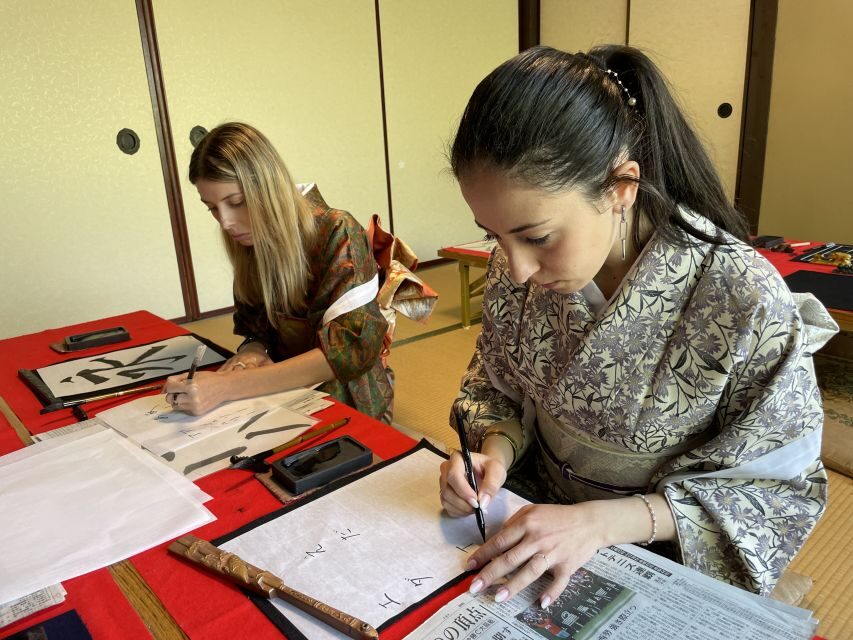
- Calligraphy practice for your name: Kanji first, then your name in Hiragana or Katakana
- Take-home souvenirs: your calligraphy gets wrapped safely for travel
- Optional amulet making with kimono-made amulet bags and a wish written on a mini rice scoop
- Photos sent to you by email or on-site via airdrop, so you can focus on the moment
Tokujuji Temple: a quieter Miyajima stop with real practice
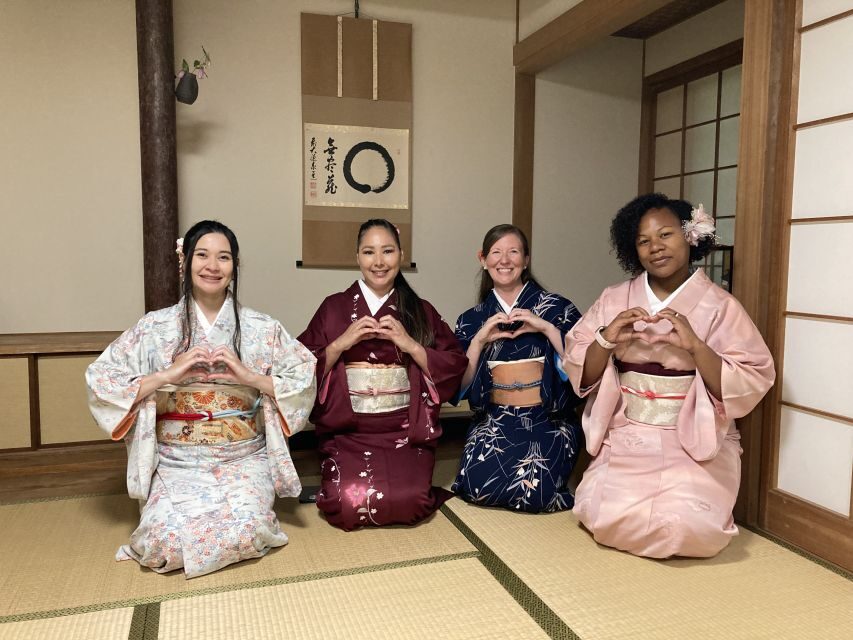
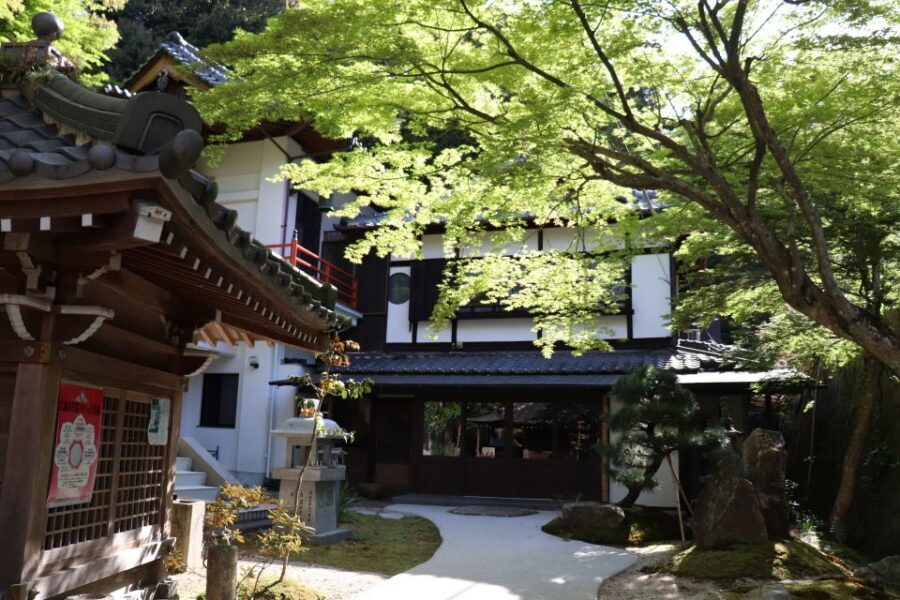
Miyajima can get packed, especially around the big sights. This experience gives you a different rhythm: you step into Tokuji Temple and slow down fast. Instead of just looking at tradition from the outside, you do parts of it yourself.
The setting matters here. You’re in a temple space where the activities feel connected, not random. The tea ceremony, calligraphy, and photo time all flow in a way that keeps the experience calm and focused.
Also, it’s built for small groups. That means you get guidance without feeling like you’re waiting your turn in a long line.
You can also read our reviews of more tours and experiences in Hiroshima.


Choosing and wearing your kimono (yes, you get to pick)
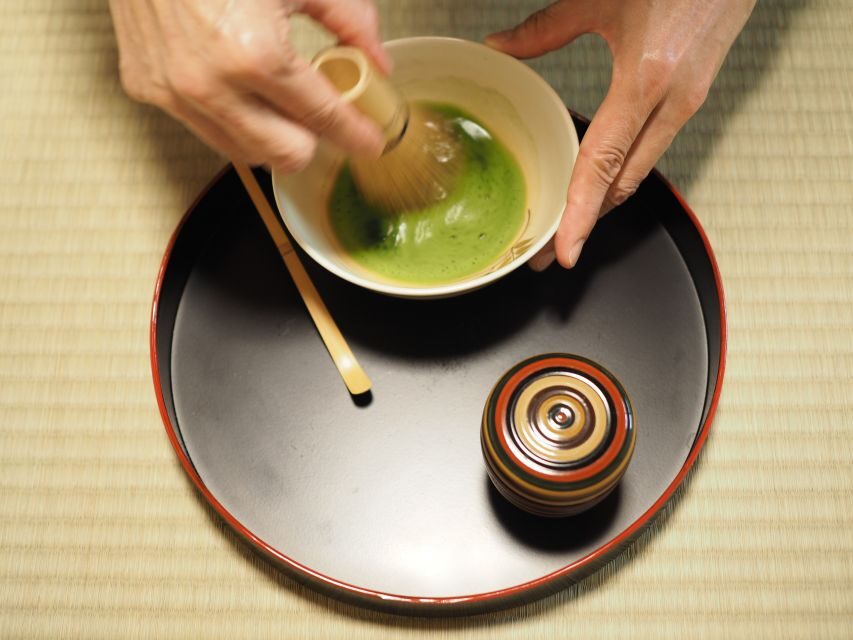
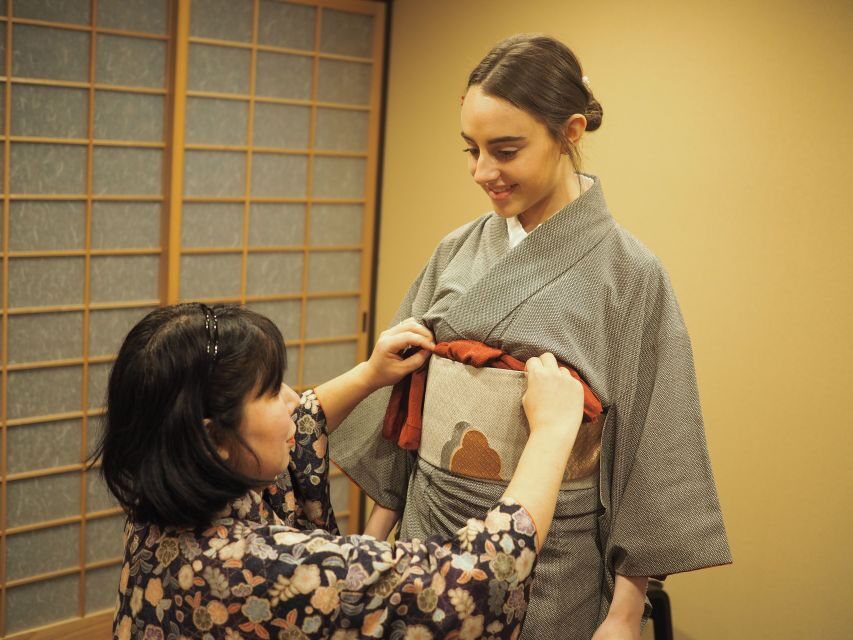
One of the biggest reasons this workshop works is the dress-up isn’t an afterthought. You choose your kimono, then get helped getting dressed. In practice, that means someone actually handles the details for you, including the obi styling that makes the whole outfit look right in photos.
A lot of the best moments are the simple ones: seeing your kimono come together, feeling how the fabric sits, and realizing your outfit is part of the ritual. Several people call out how the staff are patient while you try, adjust, and settle in.
Practical note: the activity is not a good match for limited mobility, and you must remove your shoes to enter. If you’re the type who hates shoe-off transitions, wear socks you’re comfortable walking in, and plan for a bit of back-and-forth.
Tea ceremony with matcha: Ryurei style and exact steps
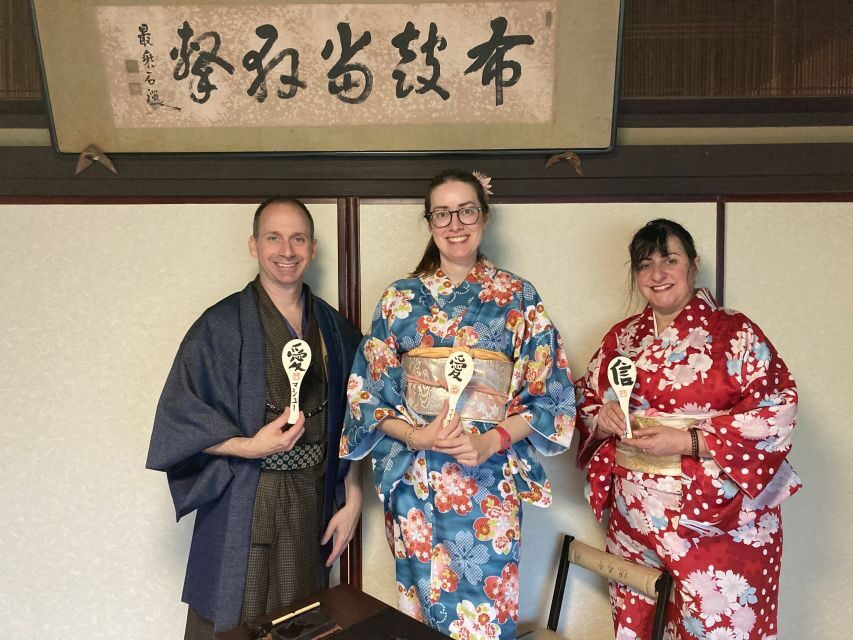
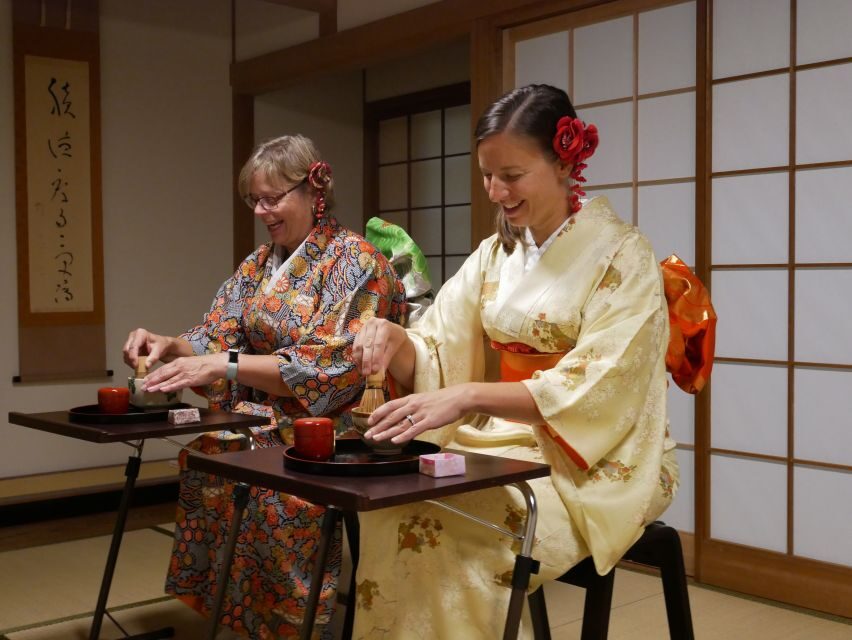
The tea portion is more structured than many people expect. You’ll follow strict procedures, starting with a greeting. Then the tea master purifies the tools, makes the tea, cleans the tools, and closes the ceremony.
What’s especially useful for you: it’s taught as a learnable sequence. You’re not just watching someone swirl matcha. You learn how to drink it the correct way and how to make it, too. The idea is that you leave knowing what each motion is for.
This workshop uses Ryurei style, which means tea on a table with chairs. That matters because it keeps the ceremony accessible and comfortable for more people. You still get the discipline and respect of the ritual, but you’re not trapped on the floor.
You also get sweets and matcha. The details provided include two types of sweets and two bowls of matcha tea. That’s a solid amount for a 1 to 2 hour experience, and it helps you settle in rather than rushing to the next activity.
If you like symbolism, you’ll notice the tea ceremony isn’t just a flavor stop. Every step has intent, from tool handling to how the tea is served and received.
Calligraphy class: write your name in Kanji and then in Japanese alphabets
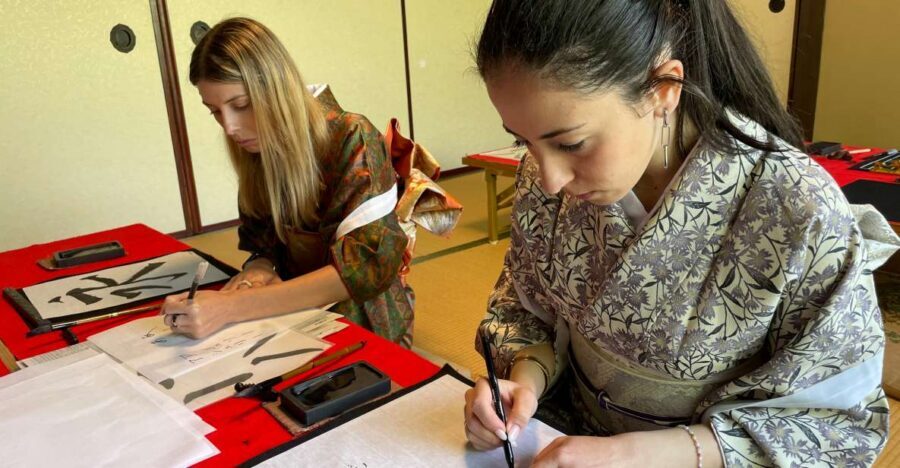
Next comes the part that turns the workshop from watch-and-photos into hands-on culture. During the calligraphy lesson, you’re taught how to draw the lines with step-by-step instructions.
You’ll have time to practice. The format supports learning more than one character set. You can practice one or more Kanji, and then you’ll work on writing your name in Japanese alphabet, either Hiragana or Katakana. Your instructor prepares a sample of your name so you can focus on correct shapes instead of guessing.
What I like about this approach is that it gives you clear targets. You’re not trying to copy a word you can’t read. You get a model, then you practice the stroke patterns until they look like they belong.
At the end, you sign your work with Japanese characters. Then you wrap your artwork safely so you can take it home. That wrap is not a small detail; it’s the difference between a nice souvenir and a smudged one during transit.
One small consideration: calligraphy takes patience. Even if your handwriting isn’t perfect, the lesson is structured so you still produce something you’ll be able to show later.
Optional amulet making: kimono-made bags, a tied code, and Kinseki Jizou
If you choose the amulet option, the workshop gets even more personal. The activity is done in the temple hall. You get to browse more than 300 amulet bags, and the bags are hand made from kimono fabric. That means you’re selecting the kind of material you want tied to your wish, not just picking any generic souvenir.
Then you choose Kumihimo, a code tied in a special way to make the wish come true. After that, you choose your wish and write or stamp it onto a mini rice scoop. Finally, you put everything together to create an original amulet.
The ritual doesn’t stop at craft time. Once your amulet is done, you greet the Buddha, Kinseki Jizou, to report that you are here to make a wish.
For you, this is a great option if you enjoy making things and you want a take-home item with meaning, not just art paper you carry. It also gives you something different from the tea-and-calligraphy combo.

Japanese garden photo time: when the staff handle the angles
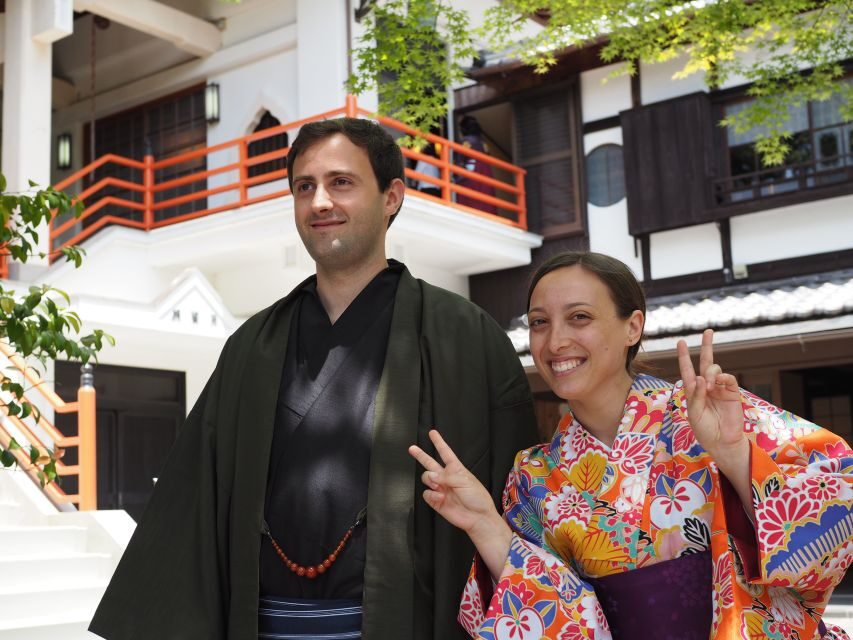
The garden photo session is part of the experience, not an optional extra. You’ll have time for pictures in the Japanese garden, after the earlier activities.
What’s genuinely helpful: the staff take pictures for you as well. Then you get the photos sent to you by email or via airdrop on site. That’s a practical win because you don’t need to worry about handing your phone around or missing the moment while hunting for a good angle.
Some photos might depend on the light and where you stand. If you care about portraits, ask where the best places are for faces and lighting, and don’t be afraid to reposition during the shoot. The staff are attentive and can suggest better shots.
One more reason this part works: your time in kimono makes you slower and more present. You’re not running around trying to capture ten quick snaps. You can actually enjoy the setting.
Duration and value: does $90 make sense for 1 to 2 hours?
The price is listed at $90 per person, with a duration of 1 to 2 hours. That can sound short, so here’s how I’d judge the value.
You’re paying for several things bundled together:
- Kimono fitting and dressing support
- A guided tea ceremony with instruction, plus sweets and matcha
- Calligraphy supplies and teaching, including your personalized practice
- Your take-home souvenir (calligraphy wrapped for travel)
- Garden photo time with staff support and photo delivery
If you add amulet making, you get more included craft time and materials tied to the ritual.
For many people, the main value is not the paper souvenir. It’s the fact that your learning is supervised. Someone corrects your strokes in calligraphy. Someone shows you what to do in the tea ceremony. Someone helps you wear the kimono correctly so it looks like it’s supposed to.
If you want a do-it-yourself lesson with real guidance, this is strong value for the time. If you’re only after photos, you might be tempted to skip it and just visit the temple on your own. But this workshop is different because you actively participate.
Who should book this Miyajima temple workshop
This experience is a great fit if you want Japanese culture that’s structured but not intimidating.
It’s especially good for:
- Couples and friends who want shared memories and something more meaningful than a standard tour stop
- Families with older kids, since children under 6 can’t participate in the activities
- Anyone who likes calm activities and learning by doing, not just looking
It’s not a good fit if:
- You have limited mobility (the activity is not recommended for that)
- You strongly dislike removing shoes before entering
- You need a fast, no-rules attraction. The tea ceremony has strict procedures and calligraphy requires focus
Quick practical tips before you go
A few things will help you enjoy the workshop more.
First, plan for the shoe-off rule. Bring footwear choices that make it easy. You’ll also want to keep your hands free when you move between activities.
Second, if you care about your calligraphy souvenir, go slow. The goal is correct strokes, not speed.
Third, for photos, give yourself permission to look a little different than usual. The kimono and obi change your posture and how you hold your body. Let the staff direct you for the best results.
Finally, bring an open mind about ritual. The tea ceremony is respectful and symbolic, and that sets the tone for the rest of the session.
Should you book this cultural workshop on Miyajima?
I’d book it if you want a real cultural experience in a short window. The kimono fitting, matcha tea ceremony with Ryurei style seating, and calligraphy lesson for your name are a smart combo. Add the garden photo session and take-home artwork, and you leave with both memories and physical souvenirs.
Skip it only if you’re dealing with mobility limitations, or if shoe removal and seated ritual timing will stress you out. Otherwise, this is the kind of activity that makes Miyajima feel less like a checklist and more like a place where you learned something.
FAQ
Where is the workshop held?
It’s held at Tokujuji Temple on Miyajima. The meeting point may vary depending on which option you book.
How long does the experience take?
The duration is listed as 1 to 2 hours. Check availability to see starting times.
What languages are available?
The lesson is offered in English or Japanese. Instructors include English and Japanese support.
Do I have to remove my shoes?
Yes. You must remove your shoes to enter.
What should I expect from the tea ceremony?
The tea ceremony follows strict procedures, including greeting, tool purification, making the tea, cleaning the tools, and closing the ceremony. It includes sweets and two bowls of matcha tea, plus instruction on drinking and making matcha.
Is the tea ceremony done on the floor?
No. The tea is described as Ryurei style, which uses a table and chairs.
What do I learn in the calligraphy lesson?
You learn how to draw lines using step-by-step instructions, practice Kanji, and then practice writing your name in Japanese alphabet (Hiragana or Katakana). You sign your work with Japanese characters and wrap it to take home.
Can I make an amulet instead of something else?
You can choose amulet making as an option. You’ll select from more than 300 kimono-made amulet bags, choose Kumihimo tied in a special way, write or stamp your wish onto a mini rice scoop, assemble the amulet, and then greet the Buddha Kinseki Jizou.
Who can participate, and who should skip?
Children under 6 years old cannot participate in the activities. The tour is also not recommended for people with mobility impairments. A small group format is available.