REVIEW · OSAKA
Osaka Highlights: 4-Hour Walking Tour with Castle
Book on Viator →Operated by Pinpoint Traveler, Inc · Bookable on Viator
Neon Osaka, guided on foot. This half-day tour strings together Osaka Castle grounds plus local neighborhoods like Shinsekai and Dotonbori, with a fluent guide keeping the walk moving and the stories clear. You choose a morning or afternoon departure, so you can pair it with your other plans.
I especially like the way you start with a big landmark, then shift into places that feel lived-in. Dotonbori gets you the famous running-man photos, but you also get side streets and neighborhood energy, not just the loud postcard version. I also love the pacing: it’s active without feeling like a sprint, and guides like Kevin and Oisin are known for adjusting the route to your group.
The main trade-off is logistics: expect a fair amount of walking, plus subway stairs, and the tour price does not include all transit or food. You should also budget some yen for getting around during the route (and wear shoes that won’t make you regret everything by Stop 4).
In This Review
- Key Things You’ll Notice on This Tour
- How a 4-Hour Walking Tour Lets Osaka Make Sense Fast
- Tempozan Ferris Wheel Start, Namba/Dotonbori Finish
- Osaka Castle Grounds: The Start That Sets the Tone
- Tsuruhashi Ichiba: Where Local Shopping Meets Food-Noise
- Abeno Harukas and the Marriott Skyline Shortcut
- Shinsekai: Retro Energy With a Worn-In Patina
- Dotonbori: Running-Man Photos Plus Side-Street Reality
- Price and Value: Why $80 Can Actually Be a Deal
- What Makes the Guide Matter (Examples You Can Expect)
- Who This Tour Suits Best (And Who Might Want Something Else)
- Should You Book This Osaka Highlights Tour With Castle?
- FAQ
- How long is the Osaka tour?
- What’s included in the price?
- Do I pay for Osaka Castle or other admissions?
- Is food included?
- Where do I meet and where does the tour end?
- Is transportation included?
Key Things You’ll Notice on This Tour
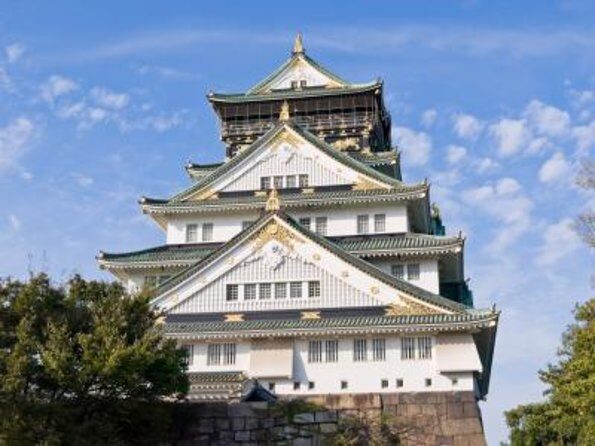
- Icon + neighborhood mix: Osaka Castle grounds to Shinsekai to Dotonbori in one efficient loop
- Dotonbori beyond the main strip: you’ll hit the running-man moment and then head into quieter backstreets
- Market time at Tsuruhashi Ichiba: local food and shopping energy in a place that feels like it runs on schedule
- Abeno views without the costly top-deck wait: you’ll aim for a strong skyline view without paying for the very top
- Private group feel: it’s just your group, which makes asking questions and taking photos easier
- Guides who adapt: several guides (Kevin, Oisin, Ferdinand, Alex, Lito, Hugo) were praised for adjusting pace and time based on crowd levels
How a 4-Hour Walking Tour Lets Osaka Make Sense Fast
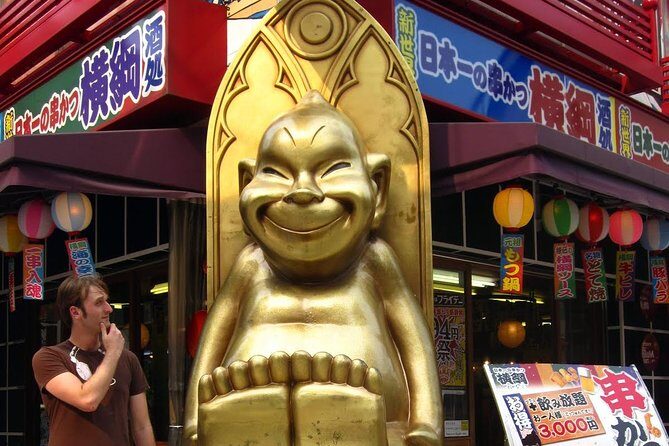
Osaka can feel like two cities at once: orderly ticket lines and sudden chaos on the next corner. This tour is built for getting your bearings fast—big recognizable sites first, then neighborhood texture that helps it all click.
You’ll cover a lot of ground for only about four hours, partly because you’re mixing walking with short subway rides. That matters because you’re not just seeing places; you’re learning how they connect. And because it’s a private tour, you’re not stuck matching someone else’s speed.
The schedule also works well early in your trip. Many people use it as a first-day anchor, then return later on their own with smarter instincts—where to wander, where to eat, and which neighborhoods suit their mood.
You can also read our reviews of more walking tours in Osaka



Tempozan Ferris Wheel Start, Namba/Dotonbori Finish
You’ll meet at Tempozan Ferris Wheel in Osaka’s Minato Ward area. That’s not the center of tourist gravity, which is good news: it means you start on the city’s edges and work your way toward the action.
The tour ends in the Namba/Dotonbori area, near Namba Station. If you want help leaving the tour cleanly, the guide can point you toward the station. That may sound small, but it saves time and reduces the “now what?” feeling when you’re done walking.
For getting there, the tour suggests a subway day pass, and I’d follow that advice. Also, keep some yen handy. One review notes needing cash for subway tickets—while cards can work in many situations, cash is a simple backup if you hit a ticket machine that doesn’t love your payment method.
Osaka Castle Grounds: The Start That Sets the Tone
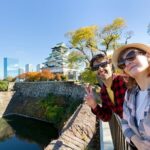
Stop one is Osaka Castle (Osaka-jo), but with an important twist: you focus on the park and the castle exterior. You don’t waste time on the interior, and the reasoning is practical—the castle grounds deliver better value than a more “museum-ish” interior experience.
You’ll spend about an hour here, which is the right amount of time for walking the grounds, getting your bearings, and letting the big silhouette do its job. Even if you’ve seen castles before, Osaka-jo has a presence that makes the later neighborhood stops feel connected to a larger story.
Admission for this stop is free for the tour participant, and that’s worth noting because it helps justify the overall value. It also keeps you from feeling nickel-and-dimed before the tour even gets into its fun part.
Tsuruhashi Ichiba: Where Local Shopping Meets Food-Noise

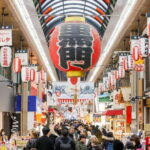
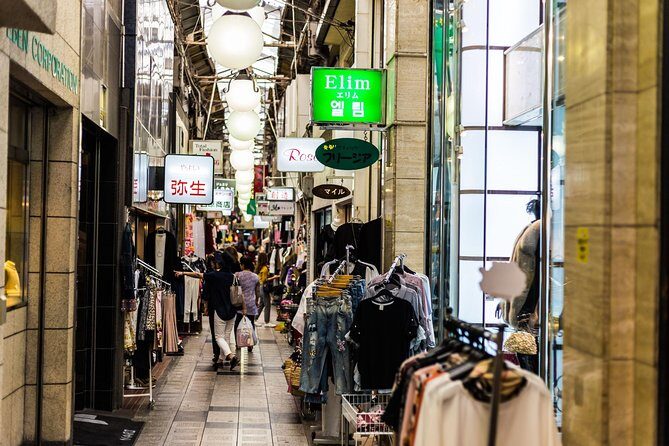
Next up is Osaka Tsuruhashi Ichiba, a market area where fashion, food, and street-life energy collide. This is the kind of stop that changes how you see a city: you stop thinking of Japan as scenery and start thinking of it as routine—people buying, eating, browsing, and chatting.
You’re only there for about 30 minutes, so it’s not “market marathon” time. Instead, it’s enough for you to taste the vibe, spot what locals actually gravitate toward, and learn what to look for if you come back later on your own.
A good benefit of having a guide here is direction. Markets look random until someone tells you what’s worth your attention. In Osaka, that guidance can turn a quick walk into a real first impression.
One caution: markets can be a lot visually, especially if you’re hungry and tempted by every smell. Pace yourself, and use the time to observe as much as to snack.
Abeno Harukas and the Marriott Skyline Shortcut
You’ll spend time at Abeno Harukas, Osaka’s high-rise hub. But the tour aims for a view that feels like the top-deck experience without paying for the most expensive option or waiting in long lines.
The approach is simple: you aim for a strong panorama using the Marriott-area view instead of going all the way to the very top. That’s a smart move if you want skyline photos but don’t want to spend your valuable minutes stuck behind ticketing and queue logistics.
You’re there for about 30 minutes, and that’s ideal. You get enough time for photos and a breather, without turning the whole afternoon into a waiting room.
Practical note: high-rise areas can involve some walking and stairs. This is where the “moderate fitness level” guidance matters. If your legs are sensitive, build in tiny rests and don’t treat every photo request as a forced sprint.


Shinsekai: Retro Energy With a Worn-In Patina

Then it’s on to Shinsekai, a historic entertainment district with a vibe that’s about as Osaka as it gets. The district dates back roughly a hundred years, and the character comes through in the mix of shiny spots and older, well-worn surfaces.
You’re there for about 30 minutes, which is a good fit. Shinsekai is one of those places where short, focused time is better than long wandering. You’ll likely notice different “layers” of the district fast—signage styles, street-level businesses, and the kind of motion that tells you where people hang out.
This stop also helps balance the emotional tone of the tour. Dotonbori later is neon-forward and louder. Shinsekai is more retro-curious, and it gives your walk a different tempo.
Dotonbori: Running-Man Photos Plus Side-Street Reality
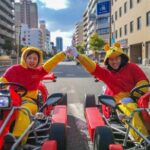
Finishing in Dotonbori makes sense because it’s the neighborhood most people picture when they think of Osaka. You get the famous running-man area for the classic photo moment, and then you go beyond it.
The tour doesn’t ignore the obvious. But it also gets you onto smaller backstreets where the energy changes—less line-to-line spectacle, more street-level “what’s happening right now.” That’s where Osaka feels like a lived city instead of a theme park.
You’ll spend around 30 minutes in Dotonbori. That’s not enough to eat your way through every stall (and food isn’t included anyway), but it’s the right amount of time to leave with a shortlist in your head. After the tour, you’ll know where to return for snacks, drinks, and a second pass when you’re ready to linger.
If you’re traveling with kids or with someone who tires easily, this stop can be a win because the guide can nudge you toward the most interesting corners quickly. Several reviews praise guides for keeping the group engaged and flexible, and that flexibility is especially helpful in Dotonbori where crowds can shift fast.
Price and Value: Why $80 Can Actually Be a Deal
At $80 per person, this tour sits in the mid-range for a private Osaka experience. The “value” part comes from what you’re getting for that price, not just the number.
Here’s what’s included:
- A private tour with a fluent English guide (or selected language guide)
- A personalized itinerary with flexibility for your interests
Here’s what you should plan for:
- Transportation during the tour, about ¥800 per person (not included)
- Optional hotel pickup/drop-off in central Osaka for ¥3,000
- Food and drinks are not included
Also, note the practical structure: multiple major stops with free admission elements (like the Castle grounds for the tour portion) plus a guide who helps you avoid wasted time. The Harukas/Marriott “view shortcut” idea is another built-in value lever. If you’ve ever paid top-deck fees and then watched the line double while you waited, you’ll understand why this matters.
One more value angle: because it’s private, you can ask questions without feeling like you’re competing for attention. Reviews repeatedly highlight guides who made time for questions and photos at key points.
If you’re a solo traveler, you can still enjoy the private-group feel. One review specifically mentioned solo travelers being welcome, which is a nice advantage if you don’t want to join a noisy big group.
What Makes the Guide Matter (Examples You Can Expect)
The best part of this tour is usually the guide, not the walking map. Multiple reviews name guides and describe the same pattern: strong explanations, smart navigation, and easy photo stops.
- Kevin: praised for history and for tailoring the tour to requests and crowd levels, and for keeping the pace comfortable
- Oisin: praised for showing places most tourists miss and for strong Osaka secrets around markets and neighborhoods
- Hugo: praised for covering points in a way that felt more informative than expected for a four-hour route
- Ferdinand: praised for passion and for balancing major sights with alley-walking in Koreatown-type areas nearby (helpful for understanding Osaka street life)
- Alex and Lito: praised for strong customization and for making the walking route feel manageable and fun
- Hugo/Oisin/Kevin/Ferdinand/Alex/Lito all show up in reviews as guides who help you see the city with context, not just checkmarks
Here’s how to make that work for you:
- Tell your guide what you care about most: food, history, nightlife, or just the “what’s this place really like?” version
- Ask for photo timing. In places like Dotonbori and Shinsekai, crowd movement changes your best angles fast
- If you’re first-timing Osaka, ask for a short list of what to repeat after the tour. You’ll get a better return on your time later
Also, wear comfortable shoes. The route mixes walking and subway stairs, so your feet and knees will do the judging.
Who This Tour Suits Best (And Who Might Want Something Else)
This tour is a great fit if you want:
- A fast introduction to Osaka neighborhoods, not just major landmarks
- A guided route that helps you avoid “wrong turn” time
- A mix of history context and street-level energy
- Flexibility, especially if you’re traveling with kids or anyone with a tighter endurance limit
It may be less ideal if you:
- Hate lots of walking and subway stairs
- Want a food-heavy experience with meals included (food and drinks are not included)
- Prefer museum-style deep dives over neighborhood wandering
If you’re the type who likes to return to places on your own after a good orientation, this tour is a strong starter. You’ll end with a sense of where to go next—and why.
Should You Book This Osaka Highlights Tour With Castle?
I’d book it if you’re looking for an efficient half-day that combines Osaka Castle grounds with real neighborhood flavor in Shinsekai and Dotonbori. The $80 price makes more sense once you factor in the private guide, the free admission elements included with stops, and the route logic that saves time—especially the Harukas viewing plan.
Skip it if you want food included, or if you know you won’t handle walking and stair-heavy subway connections comfortably. Also, if your priority is maximum museum time inside the castle itself, the tour’s approach won’t match that goal.
FAQ
How long is the Osaka tour?
The tour runs about 4 hours.
What’s included in the price?
The price includes a private tour with a fluent English guide (or selected language) and a personalized itinerary with flexibility for your interests.
Do I pay for Osaka Castle or other admissions?
Osaka Castle is listed as a stop with free admission ticket for the tour, and the other listed stops show free admission ticket as well.
Is food included?
No. Food and drinks are not included.
Where do I meet and where does the tour end?
You meet at Tempozan Ferris Wheel and the tour ends in the Namba/Dotonbori area near Namba Station.
Is transportation included?
Transportation during the tour is not included, and it’s estimated at about ¥800 per person.