REVIEW · OSAKA
Osaka Local Foodie Walking Tour in Dotonbori and Shinsekai
Book on Viator →Operated by MagicalTrip Inc. · Bookable on Viator
Osaka’s food lessons start on the street. This 3-hour Shinsekai and Dotonbori walking tour mixes classic Osaka sights like Tsutenkaku Tower and the Glico sign with real local eating moments, including kushikatsu, okonomiyaki, and takoyaki. I like that the tour keeps things small (max 7), so guides such as Aika, Yuma, Kent, and Emi can actually point out details as you walk, not just hand you a map.
One consideration: this is not a flexible diet tour, since gluten-free and vegan can’t be accommodated, and even the vegetarian option uses dashi (pork broth).
In This Review
- 6 key things I like about this Osaka local food walk
- Why Shinsekai and Dotonbori fit a food tour best
- Step into Shinsekai: Tsutenkaku, Jan-Jan Yokocho, and kushikatsu
- Shinsaibashi-suji shopping street: a fun, time-travel style lane
- Dotonbori lanes and Dōgu-ya-suji: shopping with purpose
- Hozen-ji Temple and Ukiyo-koji: when the food break becomes the story
- The Glico sign moment: Osaka’s most famous endcard
- Sennichimae Doguyasuji and okonomiyaki: the finish that feels like a celebration
- Food amounts and drink value: is $111.42 a fair deal?
- Your guide matters: Aika, Yuma, Kent, Emi, and the difference it makes
- Walking pace and timing: how to keep up comfortably
- Diet and allergy fit: when this tour works and when it doesn’t
- Weather and comfort: Osaka’s extremes are real
- Should you book this Osaka local food walk?
- FAQ
- How long is the Osaka Local Foodie Walking Tour?
- What does the tour cost?
- How many people are in the group?
- What food is included?
- Are alcoholic drinks included?
- Can the tour accommodate gluten-free or vegan diets?
- Is there a vegetarian option?
- What if I have allergies or other dietary requests?
- Where does the tour start and end?
- Is transportation included in the price?
6 key things I like about this Osaka local food walk
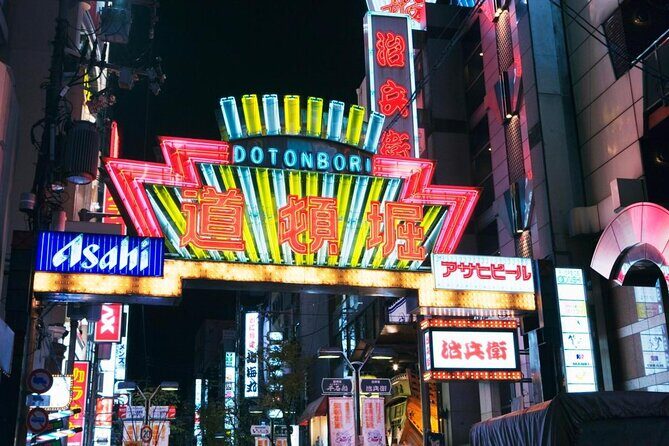
- First you snack, then you learn with a start in Shinsekai near Tsutenkaku and Jan-Jan Yokocho.
- Classic Osaka foods, portioned and paced: 6 pieces of kushikatsu, 1 okonomiyaki, and a box of takoyaki plus 3 drinks.
- Small-group attention (maximum 7) that helps you navigate busy streets and photo spots.
- Temple stop that breaks up the food run with a walk around Hozen-ji Temple and Ukiyo-koji.
- Photo-worthy Osaka icons including planned shots by the Hozen-ji area and the big Glico sign in Dotonbori.
- Good souvenir street time along Dōgu-ya-suji (including the Hōchō-ya knife shop) and Sennichimae Doguyasuji.
Why Shinsekai and Dotonbori fit a food tour best
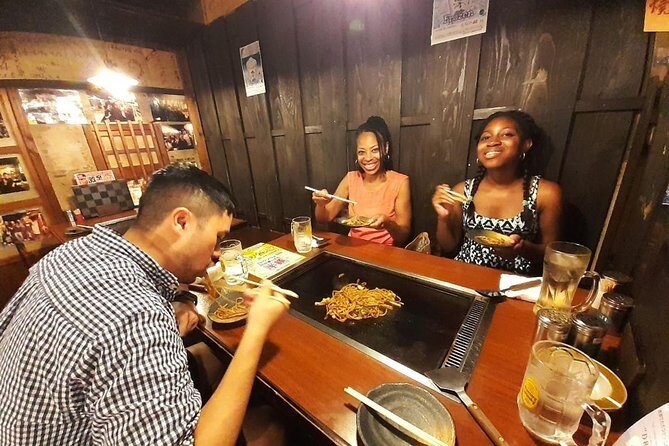
If you only have a few hours in Osaka, this pairing makes sense. Shinsekai brings that older, rowdier Osaka street-energy, while Dotonbori is where you go to see the city’s modern “eat here” identity all lit up and loud. Walking between them keeps the tour from feeling like one neighborhood repeated twice.
What makes this tour especially workable is that it’s not trying to do everything. You get a focused circuit through major landmarks plus the narrow alleys that give Osaka its personality. It’s ideal if you want your first-night setup: where to eat, where to shop for small items, and how to read the vibe of each street.
You can also read our reviews of more walking tours in Osaka
Step into Shinsekai: Tsutenkaku, Jan-Jan Yokocho, and kushikatsu
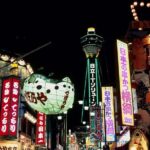
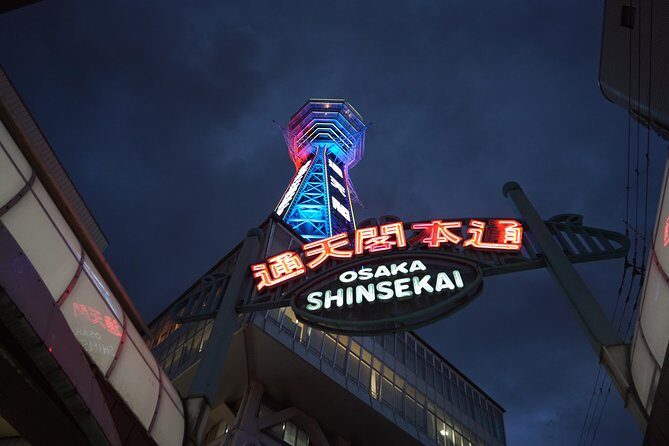
Your tour starts at FamilyMartJapan in Nishinari Ward (Sannō, 1-chōme). Then you head toward Shinsekai’s big signature: Tsutenkaku Tower. Even before you eat, Tsutenkaku sets the stage. It’s the kind of landmark you’ll recognize instantly in photos, which helps you build confidence fast when the streets get busy.
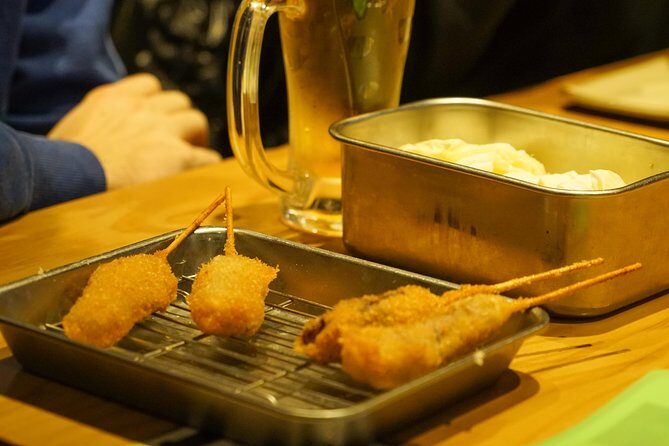
The first real “Osaka, do it this way” moment is kushikatsu at Jan-Jan Yokocho. This is deep-fried skewered food, and it’s one of Osaka’s most social snacks. Expect crunchy batter and a filling, salty bite that’s easy to share with a group. The tour includes 6 pieces of kushikatsu, which is enough to try it without feeling like you’re on a food marathon.
Practical tip: start slow with your first bite. Kushikatsu is best when you taste the texture—crunch, then heat. If you rush, you’ll miss the point and just feel stuffed.
Shinsaibashi-suji shopping street: a fun, time-travel style lane
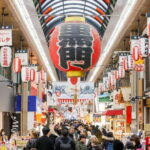
After Shinsekai’s tower vibe, you move into a shopping-street stretch that feels like a window into older Osaka. This part is described as a “museum-like” alley experience—an older-style Osaka center you can walk through rather than just read about.
You’ll also hit key icons in the area such as the Billiken statue. That matters because Billiken is one of those Osaka things you’ll see referenced all over town, and it’s easier to remember when you spot it in context rather than on a postcard.
This stop is more about setting your bearings than stuffing you with food. If you like street-level sights—signage, narrow corridors, old retail shapes—this portion delivers.
Dotonbori lanes and Dōgu-ya-suji: shopping with purpose
Dotonbori is famous, but the tour doesn’t treat it like one long parade. It includes a stop for souvenir shopping on Dōgu-ya-suji, with time near Hōchō-ya, a knife shop you’ll hear about if you’ve started researching Osaka food culture and kitchen items.
This is a smart addition because Osaka makes it easy to bring food-themed souvenirs home. Think small kitchen tools, giftable accessories, and edible gifts you can carry back without ruining your suitcase.
Practical tip: if you want knives or heavier items, check weight and carry limits before you buy. You’ll still be walking after you shop, and this area gets crowded.
Hozen-ji Temple and Ukiyo-koji: when the food break becomes the story
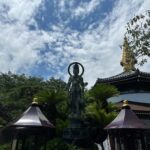
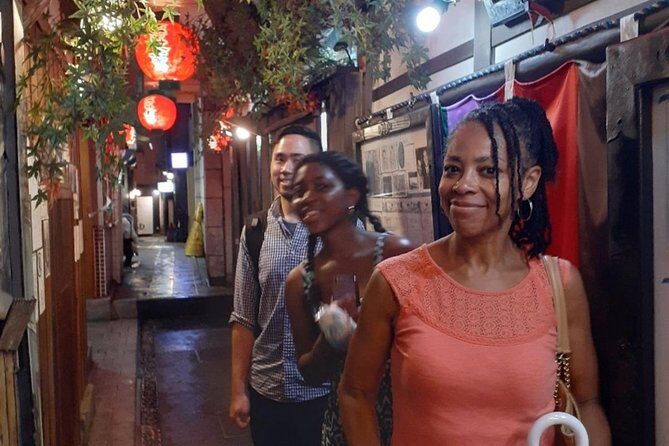
A walking tour is only half the deal unless it includes something that slows you down. Here, Hozen-ji Temple does that. You’ll walk through the Hōzen-ji Temple area and then stroll through Ukiyo-koji (Ukiyo Alley), a lane that feels more atmospheric than the main Dotonbori flow.
This is also where the “eat your way through” idea becomes more interesting. You’ll snack in the area and the tour includes your takoyaki portion as part of this stretch. The itinerary also mentions small sweets, so if you have space, it’s a good moment to add one last sweet bite.
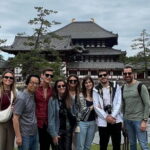
Photo tip: the temple area is a classic place to stop for pictures. Your guide will show you where to stand so your photos look like Osaka, not like a random street corner.
A few more Osaka tours and experiences worth a look

The Glico sign moment: Osaka’s most famous endcard
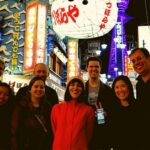
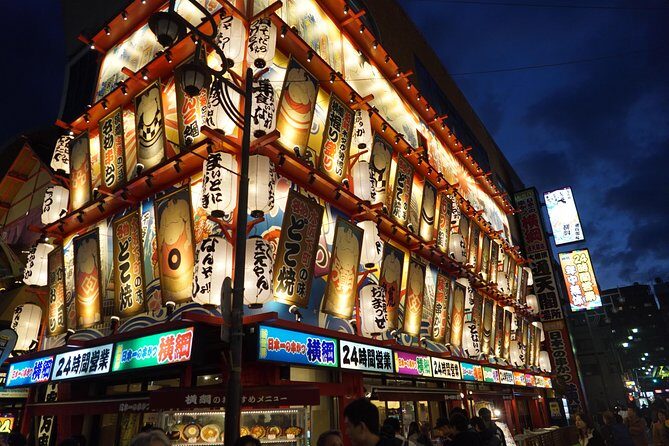
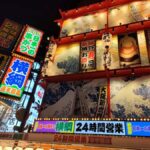
Near the tour end, you’ll do a dedicated photo stop at the Dotombori Glico sign. It’s short, but it’s worth it. This is where the whole Dotonbori experience “clicks” visually, and you’ll leave with the photo you came for.
Since this is toward the end, you’ll also be walking with better context. Earlier in Shinsekai you learned the Osaka street rhythm. Now you see the same city-energy turned up for night crowds.
If you’re sensitive to crowds, stand to the side and take quick shots. The best time for photos is usually right before the busiest flow hits your spot.
Sennichimae Doguyasuji and okonomiyaki: the finish that feels like a celebration
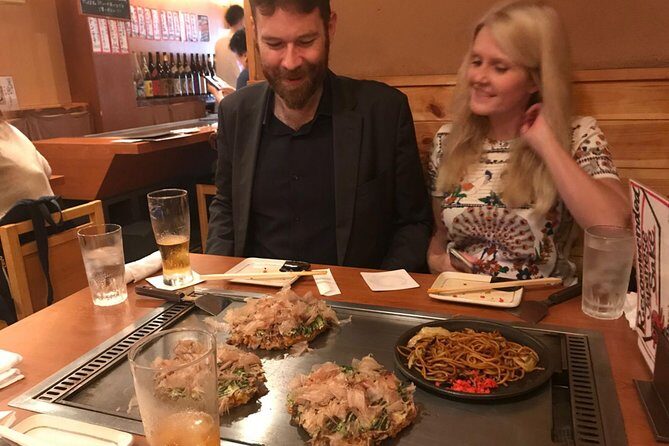
The tour’s last food payoff is Osaka-style okonomiyaki at Sennichimae Doguyasuji. Okonomiyaki is sometimes called a savory pancake, but it’s really more like a customizable griddle dish. It arrives with toppings and a thick, satisfying texture.
This portion is included as 1 piece of okonomiyaki, so you’ll be full but not overwhelmed. It’s a satisfying way to end a walking-based food tour because it’s warm, filling, and comforting after a few hours on your feet.
One extra detail I really like: guides on this kind of tour often add hands-on moments. In past experiences on similar Osaka food walks, visitors have enjoyed things like grilling or prep-style experiences. If you get a more interactive moment here, take it. It’s the easiest way to turn “eating” into a memory.
Food amounts and drink value: is $111.42 a fair deal?
For $111.42 per person (3 hours, small-group), value is all about what’s included and how much variety you get without wasting time.
Here’s what you’re guaranteed food-wise:
- 6 pieces of kushikatsu
- 1 piece of okonomiyaki
- 1 box of takoyaki
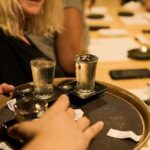
- 3 drinks (alcohol and non-alcohol are both available)
That set is actually strong for a first timer, because it covers three of Osaka’s best-known categories: skewered fried snacks, griddle comfort food, and batter-based octopus-style bites. You’re not just sampling one thing over and over.
Where the value can feel uneven is if you’re the type who always wants “one more stall” or a longer sit-down meal. Some people have wanted more stops or smaller portions at more places. This tour is built around a defined menu and a walking route, not an endless food crawl.
My practical take: if you want a structured taste of the city with iconic stops and guided context, this price can feel reasonable. If you’re chasing maximum quantity or maximum variety at the lowest cost, you might prefer a different format like a longer multi-stop market tour.
Your guide matters: Aika, Yuma, Kent, Emi, and the difference it makes
The biggest pattern in this kind of Osaka walk is simple: the guide turns the streets into a lesson. When guides such as Aika or Yuma are at their best, you get clear explanations tied directly to what you’re eating and where you are. Names that have stood out include Kent, Michiko (Mich), Justin, Emi, and Naru.
What I like about this tour’s guide approach is that it’s not only about food. People have enjoyed the history and daily-life connections, plus helpful guidance in crowded areas and photo setups. One guide even helped with practical navigation at the end of the night.
One warning for your expectations: pacing and depth can vary by guide. Some groups have described walks as quick, and a few have felt the cultural explanation didn’t connect as much to the food. That doesn’t mean the tour is bad. It just means you should treat it as a lively walking experience where the guide’s style shapes how much you get out of it.
Walking pace and timing: how to keep up comfortably
The tour is around 3 hours and covers several neighborhoods. It’s not a sit-and-lecture format. If you’re walking at night in Japan with lots of turning and short stops, you’ll want comfortable shoes and a water mindset.
Two timing realities:
- The tour starts on time, and if you arrive late, you might miss the chance to join with the group.
- Some portions can feel fast as you move between food stops and photo points.
If you’re coming from another activity in Osaka earlier in the day, plan to arrive with enough energy. You’ll want to enjoy your meals, not just survive the walking.
Diet and allergy fit: when this tour works and when it doesn’t
This is the part you should check before paying.
What’s explicitly not accommodated:
- Gluten-free
- Vegan
What’s specifically tricky:
- The vegetarian option can still involve dashi (pork broth), including for vegetarian kushikatsu.
- Allergy-free swaps are not guaranteed because food prep is in kitchens that don’t belong to the tour operator.
If you have any dietary restrictions, you should inform them at least one day in advance. Requests made on the tour day cannot be accommodated.
Also note the tour may visit places where smoking is allowed, and the operator may not be able to change venues because of that.
If you’re not dealing with gluten, vegan, or major allergies, you’ll likely find this tour straightforward. If you are, you’ll want to be cautious.
Weather and comfort: Osaka’s extremes are real
Japan’s weather can swing hard. Summer temperatures can reach up to 40°C (110°F), and winter lows can drop to -5°C (20°F). So you should dress like you’re going to be outside longer than you think.
Bring:
- a small fan or cooling towel in summer
- layers in winter
- a compact rain option if needed
Because you’re outside for most of the route, comfort matters more than it does on a museum-style tour.
Should you book this Osaka local food walk?
Book it if:
- you want a guided way to taste kushikatsu, okonomiyaki, and takoyaki
- you’re first time in Osaka and want a fast route through Shinsekai + Dotonbori
- you like street-level landmarks and photo stops (Tsutenkaku and the Glico sign)
- you prefer a small group (max 7) over large bus tours
Consider skipping or comparing if:
- you need gluten-free or vegan options
- you have serious allergies and need guaranteed substitutions
- you expect lots of tiny samples at many different stalls (this tour is defined and portioned)
- you dislike fast-paced walking between stops
My bottom line: this is a strong “night-one Osaka” experience because you leave with food you recognize, photos you came for, and a better sense of where to go next.
FAQ
How long is the Osaka Local Foodie Walking Tour?
It runs for about 3 hours.
What does the tour cost?
The price is $111.42 per person.
How many people are in the group?
The tour has a maximum of 7 travelers.
What food is included?
You get 6 pieces of kushikatsu, 1 piece of okonomiyaki, 1 box of takoyaki, plus 3 drinks.
Are alcoholic drinks included?
The 3 included drinks can be alcohol or non-alcohol.
Can the tour accommodate gluten-free or vegan diets?
No. Gluten-free and vegan cannot be accommodated on this tour.
Is there a vegetarian option?
A vegetarian option exists, but it must be selected when booking (or requested in advance). Note that dashi (pork broth) is still used in vegetarian kushikatsu.
What if I have allergies or other dietary requests?
You should inform the operator at least one day before the tour. Allergy-free guarantees and substitutions can’t be guaranteed because food is prepared in kitchens not owned by the tour.
Where does the tour start and end?
It starts at FamilyMartJapan in Osaka and ends at the Glico Sign Dotonbori.
Is transportation included in the price?
No. Transportation costs (190 JPY) are not included.