REVIEW · OSAKA
Walking Tour of Osaka’s 5 Must-See Sights, with Ramen for Lunch
Book on Viator →Operated by LOTUS DMC,JAPAN · Bookable on Viator
Osaka in one guided walk. This is a smart way to get your bearings fast, see major landmarks in a single day, and eat like a local with ramen lunch plus street-food time at Kuromon Market. What I like most is the small group (up to eight people) and the practical guide support, including photo help and local recommendations. The main thing to consider is that it’s a long walking day and key admissions (Osaka Castle and Shitennoji) aren’t included.
I also appreciate the mix of “big sight” and “everyday Osaka.” You’re not just ticking boxes—you’re moving from history at Osaka Castle and Shitennoji to retro Osaka in Shinsekai, then into the food atmosphere around Kuromon and Dotonbori. It’s the kind of day that makes your later solo exploring much easier.
Key points to know upfront
- Max 8 people keeps the pace human and the group easy to manage on crowded streets
- Ramen lunch included so you’re not hunting for food in the middle of sightseeing
- Kuromon Market street-food time adds real Osaka flavor beyond one restaurant meal
- Photo shoot assistance helps you actually get good shots at the best stops
- Plan for heavy walking with step counts reported around 15,000 to 25,000
- Two paid sights (Osaka Castle and Shitennoji) mean a bit of extra cash on the day
In This Review
- Why This Osaka 5-Sight Walk Works on Day One
- Meeting Point, Start Time, and How the Day Moves
- Osaka Castle: Views, Photo Backdrops, and a Sengoku-Era Primer
- Shitennoji: One of Japan’s Oldest Temple Experiences
- Shinsekai and Tsutenkaku: Retro Streets and Big Photo Energy
- Kuromon Market: Ramen Lunch Plus Snack Time Like a Local
- Dotonbori: The Iconic Osaka Food Downtown and Glico Sign Photos
- What You’re Paying For: The Real Value of the $58.14 Price
- Walking and Timing Reality: Shoes, Steps, and Staying Comfortable
- Photo Help That Actually Matters
- Who Should Book This Osaka Tour (and Who Might Skip It)
- Should You Book This Osaka 5-Sight Walking Tour?
- FAQ
- How long is the Osaka 5 must-see sights walking tour?
- What does the tour price include?
- Are Osaka Castle and Shitennoji admission fees included?
- How much are the entrance and transit fees not included?
- What are the tour stops?
- What is the meeting point and start time?
- Is the tour suitable for kids?
- What if it rains or the weather is poor?
Why This Osaka 5-Sight Walk Works on Day One
If Osaka is new to you, this tour helps you stop guessing and start enjoying. In about 7 hours, you cover the classic skyline views, major temples, and the most photo-friendly downtown streets—without having to map every turn yourself.
I like that the day is built for orientation. You’ll walk from the castle area out toward neighborhoods people talk about for food and street culture. That means you leave with a mental map: where the history sits, where the snacks happen, and where the bright “Osaka” energy lives.
The small-group limit (up to eight) also matters. In a big tour crowd, you lose patience—here, you’re more likely to stay with the group, ask questions, and keep moving efficiently.
Meeting Point, Start Time, and How the Day Moves
You start at FamilyMart Tanimachi-sanchome (Chuo Ward), with a 9:00 am departure. The tour ends near Hozen-ji Temple in Namba, which is very convenient if you’re continuing your own plans in the downtown food zone.
This is not a private tour and there’s no pickup service. So you’ll want to show up on time and check the meeting point carefully. One theme in the experience is that the guides are used to helping with coordination; even so, you’ll enjoy the day more if you’re already in the right spot when it begins.
The tour uses a mobile ticket, and the guide is there to lead the route, explain what you’re seeing, and help with photos. You can expect some metro segments or street-level walking depending on the route of the day, and you should be ready for a steady pace.
One more practical note: bring rain gear. The tour is weather-dependent, so if conditions are poor, you may be offered a different date or a refund.
You can also read our reviews of more walking tours in Osaka


Osaka Castle: Views, Photo Backdrops, and a Sengoku-Era Primer
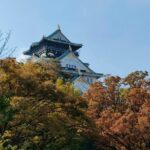
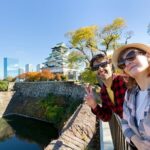
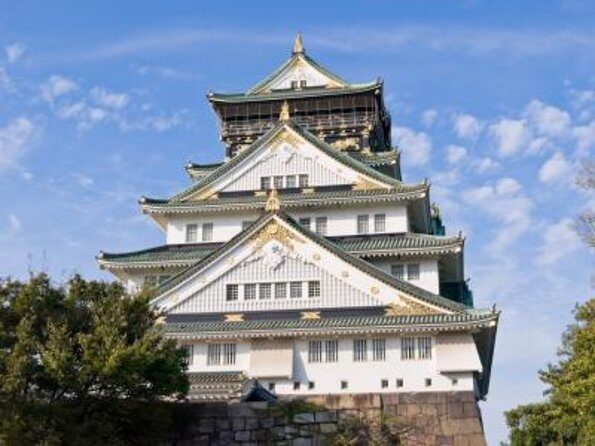
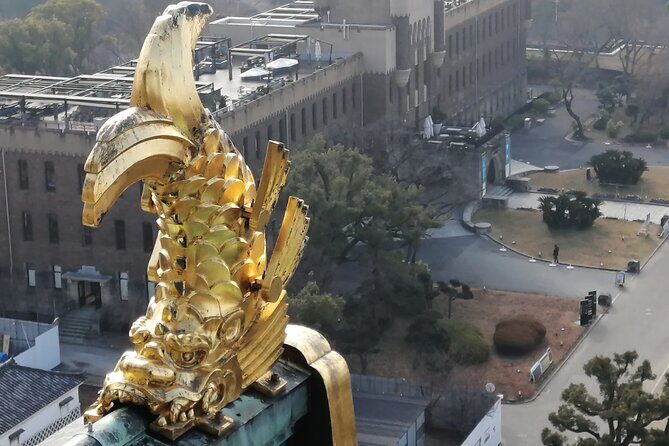
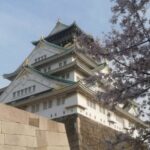
Your first major stop is Osaka Castle. Even if you don’t buy the indoor admission, the views over the city are the reason people come. The castle itself gives you that instant “I’m really in Osaka” moment, especially when you take photos with the structure behind you.
Inside, there’s an exhibition that connects Osaka Castle to the Sengoku period and the castle’s historical story. It’s the kind of context that makes the building feel more than just a pretty landmark. If you’re into Japanese history at all, this part gives you a foundation so the rest of the day makes more sense.
Time on this stop is about 2 hours 45 minutes. That’s not just a quick photo break—it’s enough to look around, reset, and get oriented before the day transitions into temples and neighborhoods.
Cost consideration: Osaka Castle entrance fee is not included. If you want the indoor exhibits, plan for the listed admission price.
Shitennoji: One of Japan’s Oldest Temple Experiences
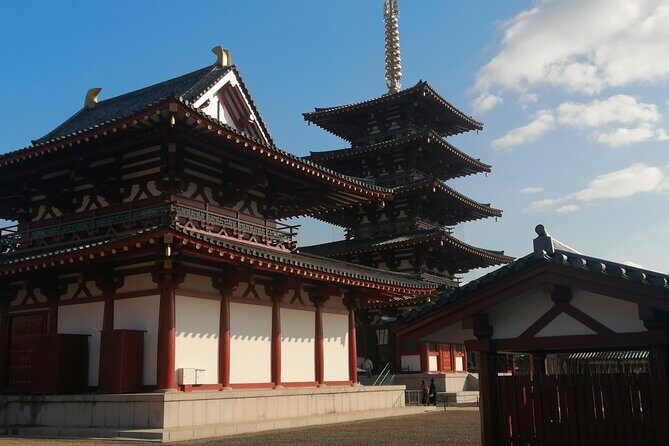
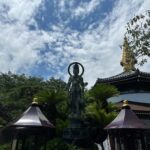
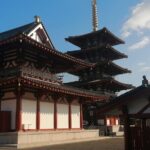
Next up is Shitennoji, described as one of the oldest Buddhist temples in Japan. This is a great contrast after the castle: where Osaka Castle gives you power-and-views, Shitennoji gives you grounded spiritual architecture and a quieter rhythm.
The stop runs about 1 hour 10 minutes, which is enough to see the key areas without feeling rushed across too many locations. The guide commentary helps you understand what you’re looking at and why this temple matters in Japan’s broader story.
Cost consideration: Shitennoji entrance fee is not included. If you choose not to enter, you can still get value from the exterior feel and the walk-through orientation, but you’ll want to budget if you’d like the full site experience.
Shinsekai and Tsutenkaku: Retro Streets and Big Photo Energy
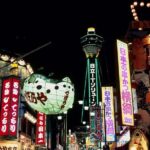
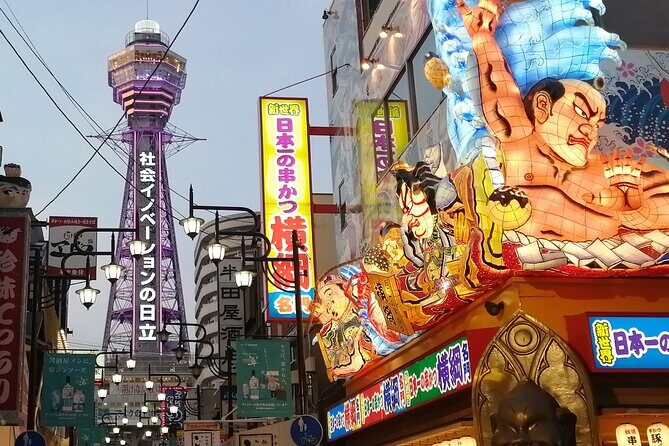
Then you hit Shinsekai, known for its retro atmosphere and the landmark Tsutenkaku Tower. This is where Osaka starts to feel less like a history museum and more like a place you’d wander for fun even after your tour ends.
The stop is about 1 hour 10 minutes. That time works well because Shinsekai is a photography zone. You’ll want a bit of breathing room to try angles, watch the street life, and get your photos without feeling like you’re being herded.
One reason this stop is so praised is the balance: you get the “why this area is famous” context, but you also get time to soak in the color and the food-energy vibe. If you’re the type who likes playful side streets, Shinsekai is a strong middle-of-the-day win.
Entrance cost is listed as free for this segment.
Kuromon Market: Ramen Lunch Plus Snack Time Like a Local
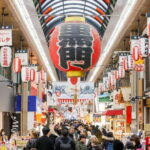
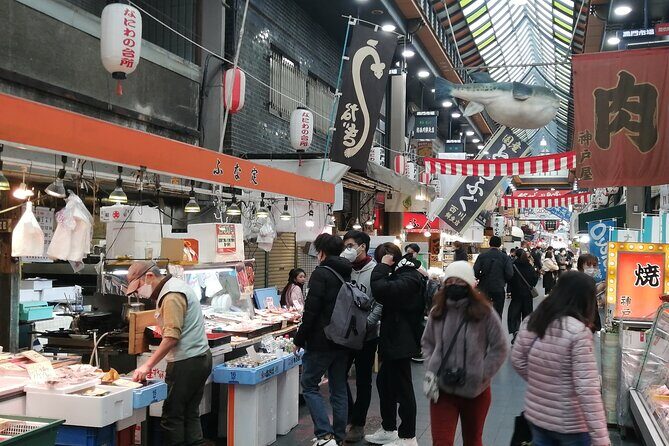
At Kuromon Market, you get a lively public market scene that has long roots—continued since the Edo period. This is where you start eating more like a city local rather than following a single meal plan.
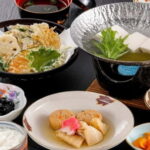
You’ll spend about 1 hour here, and it includes time to enjoy street food. This is also where your tour’s ramen lunch happens. So you’re not stuck choosing between sightseeing and lunch—you get both in one neat block.
A lot of the tour’s value is how well this stop fits into a walking itinerary. Markets can be chaotic on your own, but guided timing helps you see what’s worthwhile and get recommendations without getting overwhelmed.
Food flexibility note: one group reported that the lunch was handled for gluten-free needs. If that matters for you, I’d suggest asking ahead so the guide can plan accordingly.
Kuromon Market entry is listed as free, and it’s one of the easiest places to turn “tour time” into “I’ll come back later” plans.
A few more Osaka tours and experiences worth a look

Dotonbori: The Iconic Osaka Food Downtown and Glico Sign Photos
Your final major highlight is Dotonbori, Osaka’s most colorful downtown area and a symbol of the city’s food culture. Even if you’ve only seen it in photos, being there in real life is different—street-level energy, neon signage, and that “people come here to eat and hang out” feeling.
You spend about 45 minutes at this stop, with a specific photo target: the Glico signboard. This is one of those “everyone takes a photo here” moments, but it’s still worth doing because it anchors your Osaka experience.
This stop is free and it’s a great finale because you can roll directly into your own dinner plans after the tour ends near Hozen-ji Temple in Namba.
The only caution: if you’re easily worn out by crowds, Dotonbori can feel busy. It’s manageable if you’re comfortable with walking and you keep an eye on the guide’s timing.
What You’re Paying For: The Real Value of the $58.14 Price

The tour price is $58.14 per person, and the big inclusions are: ramen lunch, a local English-speaking guide, tour commentary and guidance, and photo shoot assistance.
That inclusion package is what makes the day feel worth it. You’re paying for route planning, context at each stop, and the “don’t worry about this part” benefits. The guide isn’t just pointing—photo help and local tips remove friction in places where you’d otherwise waste time figuring out where to stand or what to prioritize.
Now the not-so-fun part: extra costs exist. The tour does not include:
- Osaka Castle entrance (listed at ¥1,080 per person)
- Shitennoji entrance (listed at ¥400 per person)
- Public transportation pass (listed at ¥820 per person)
So think of the tour price as paying for the guide, the structure, and the included meal, while you budget separately for specific admissions and transit. For many people, that ends up still being good value because the day is packed and guided.
If you prefer an all-in-one, pay-everything approach, you’ll want to double-check what’s included before booking. But if you’re fine handling a couple admissions on your own, this format is efficient.
Walking and Timing Reality: Shoes, Steps, and Staying Comfortable
This is a walking tour, and your feet should lead the schedule. Reviews and experience notes point to step counts around 15,000 to 25,000 steps, even with metro used at times. The tour also mentions a moderate fitness level and that you should be good walkers.
So my practical advice is simple:
- Wear comfortable shoes with solid grip
- Plan for inclines and stairs in old-city areas
- Bring a small rain layer even when the forecast looks okay
One more timing consideration: some stops include time buffers, but you won’t get all-day wandering in one place. If your travel style is “see it, then spend hours,” you might find the pacing brisk at the major sites. On the other hand, if you want a strong Osaka overview in one day, the schedule is built for that.
Photo Help That Actually Matters
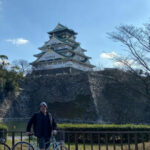
This tour includes photo shoot assistance, and it shows. People tend to remember a day like this by the pictures they got—especially at Osaka Castle and Dotonbori with landmark backdrops.
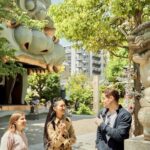
You’ll also get help navigating to good angles and positioning at certain spots, which is a huge deal when you don’t want to spend 30 minutes figuring out where the best viewpoint is. If you’re traveling with someone and want photos without awkward handoffs, this kind of support is genuinely useful.
In the groups I’m drawing from, guides like Taka (often mentioned with glasses) stood out for coordinating photos and giving strong photo-spot directions. Other guides (like Maka and Takanobu) were also noted positively for English and pacing.
Who Should Book This Osaka Tour (and Who Might Skip It)
This works best for you if:
- It’s your first full day in Osaka and you want the “big picture” fast
- You prefer a structured route over building a plan from scratch
- You want ramen lunch and market snack time without decision fatigue
- You like photo stops and local context tied to landmarks
It may not be the best fit if:
- You hate long walking days or you need very slow pacing
- You want a fully all-inclusive price with no additional admissions
- You want lots of solo time in each single attraction for extended stays
A nice bonus is that it ends in the Namba area, where you can keep eating after the tour rather than hauling yourself back across town.
Should You Book This Osaka 5-Sight Walking Tour?
If you’re trying to maximize your time and you’re okay budgeting a bit for castle and temple entry, I’d say yes, book it. The combination of five major Osaka highlights, a included ramen lunch, and a small-group guide makes the day feel efficient without feeling rushed.
If you’re the kind of traveler who likes “learn a few key things, see the places that define the city, and then wander,” this tour is a great starting move. Just go in with realistic expectations: wear good shoes, plan for many steps, and expect two extra admissions.
FAQ
How long is the Osaka 5 must-see sights walking tour?
The tour runs for about 7 hours.
What does the tour price include?
Ramen lunch, a local English-speaking guide, tour commentary and guidance, and photo shoot assistance are included.
Are Osaka Castle and Shitennoji admission fees included?
No. Osaka Castle and Shitennoji entrance fees are not included.
How much are the entrance and transit fees not included?
The listed Osaka Castle entrance fee is ¥1,080 per person, Shitennoji is ¥400 per person, and the public transportation pass is ¥820 per person.
What are the tour stops?
Osaka Castle, Shitennoji, Shinsekai, Kuromon Market, and Dotonbori.
What is the meeting point and start time?
Start is at FamilyMart Tanimachi-sanchome, Chuo Ward, with a 9:00 am start.
Is the tour suitable for kids?
Participants must be aged 12 and up.
What if it rains or the weather is poor?
You should prepare rain gear. The tour requires good weather, and if it’s canceled due to poor weather, you’ll be offered a different date or a full refund.
If you want, tell me your travel dates and whether you plan to enter Osaka Castle. I can suggest how to budget on the day and how to pace the sites so you don’t feel rushed.