REVIEW · KYOTO
Gyoza Cooking Class in Kyoto: Traditional Japanese Dumplings
Book on Viator →Operated by Japan food entertainment Ltd · Bookable on Viator
One word: delicious. This Kyoto gyoza cooking class turns dumpling-making into a hands-on evening, from dough and fillings to a proper cook on a professional machine. You also get a cultural angle, plus the option to try samurai armor for photos afterward.
I really like the fact that you’re not just assembling dumplings—you learn to make wrappers from scratch and wrap them with real technique. I also like that the experience is guided by an English-speaking instructor, with named teachers such as Hama, Maya, and Ryo showing up in past sessions.
The main consideration is practical: at $118.19 per person, this is a splurge, so you’ll want to be sure you’ll enjoy learning a skill (not only eating). Also, private transportation isn’t included, so you’ll need to get yourself to the meeting point by public transit.
In This Review
- Key things I’d prioritize before you book
- A Kyoto townhouse where gyoza starts at the dough
- How the class flows: fillings, wrappers, wrapping, then machine-cooked gyoza
- Wrapping technique: the small lessons that make dumplings actually work
- The professional baking machine: why it’s worth learning the method here
- Samurai armor and photos: the fun add-on after you cook
- Price and logistics: what $118.19 buys you (and what it doesn’t)
- Who should book this Kyoto gyoza class
- Should you book the Gyoza Cooking Class in Kyoto?
- FAQ
- How long is the Gyoza Cooking Class in Kyoto?
- What does the class cost?
- What’s included in the experience?
- How many people are in a class?
- Is the samurai armor part optional?
- Can I cancel for a full refund?
Key things I’d prioritize before you book
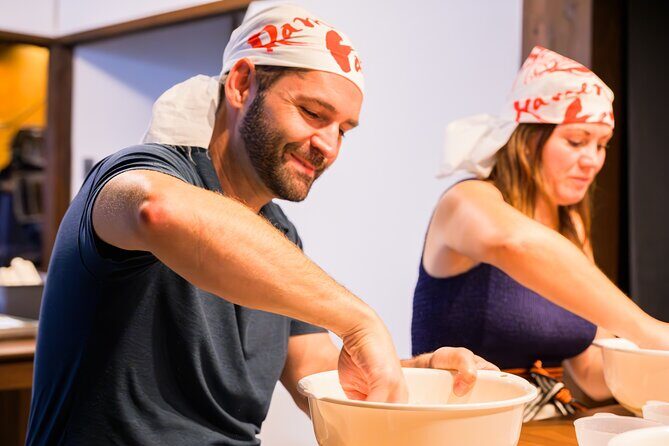
- Wrappers from scratch so you learn the fundamentals, not just the shortcut
- Professional baking machine for consistent, pan-style gyoza cooking
- English-speaking instruction with instructors like Hama, Maya, and Ryo
- Max 20 travelers so you should actually see what’s happening at your station
- Optional samurai armor photos that turn dinner prep into a memorable moment
- Apron and other keepsakes that make the class feel more than a one-off meal
A Kyoto townhouse where gyoza starts at the dough
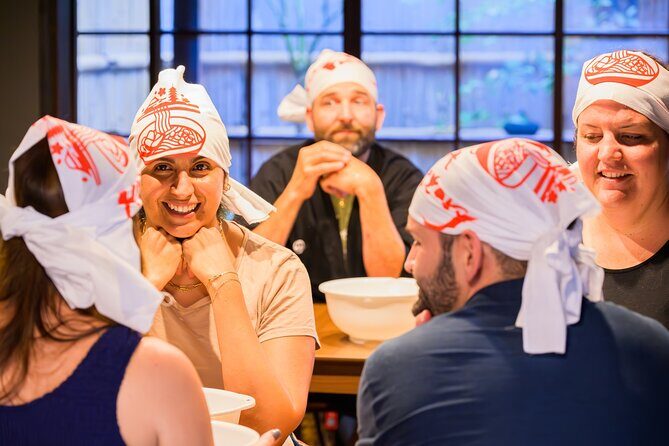
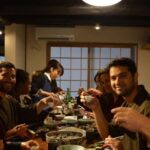
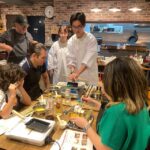
Kyoto can be busy on the street, but this class happens in a traditional townhouse setting—practical, warm, and built for cooking. Instead of watching from the sidelines, you work at your own station and move step-by-step through the dumpling process. The result is that you leave with a skill you can repeat, which is a big part of why these classes score so well.
The vibe is hands-on without being chaotic. With a maximum of 20 travelers, the instructor can keep an eye on technique and help you adjust when you’re shaping wrappers. And because the instruction is in English, you won’t have to decode the whole process on your own.
One more detail I appreciate: you’re not just being told facts. The class includes cultural context tied to gyoza’s roots and Japanese interpretation, plus some samurai-related touches. That turns the evening from food-only into something you’ll remember on the way home.
You can also read our reviews of more cooking classes in Kyoto
How the class flows: fillings, wrappers, wrapping, then machine-cooked gyoza
You’ll start by deciding on your filling. That choice matters more than it sounds. Different fillings change the feel of the dumpling—how tightly you should wrap, how thick the wrapper should be, and how confident you’ll feel as you seal the edge.
Next comes the core skill: making gyoza wrappers from scratch. This is the part that makes the class feel like real training. You learn what a wrapper should feel like and what to look for as you go. Some sessions include simple practice steps (paper practice shows up in the details), which helps you build muscle memory before you commit to the real dough.
Then you wrap. This is where technique beats speed. You’ll work toward a dumpling shape that holds together well and cooks evenly. The wrapping steps are taught clearly, and the pacing is set so you can follow along even if you’ve never made dumplings before.
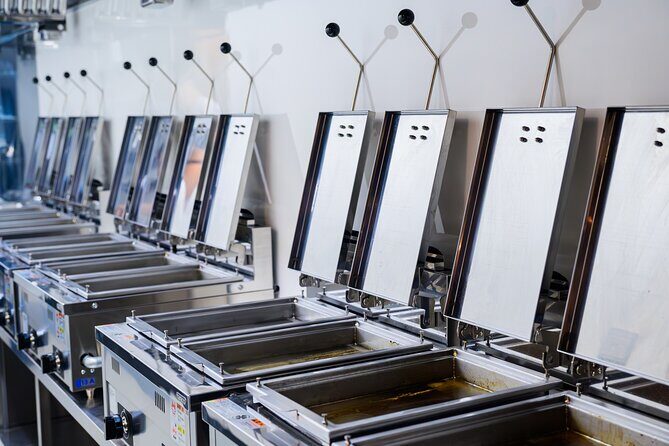
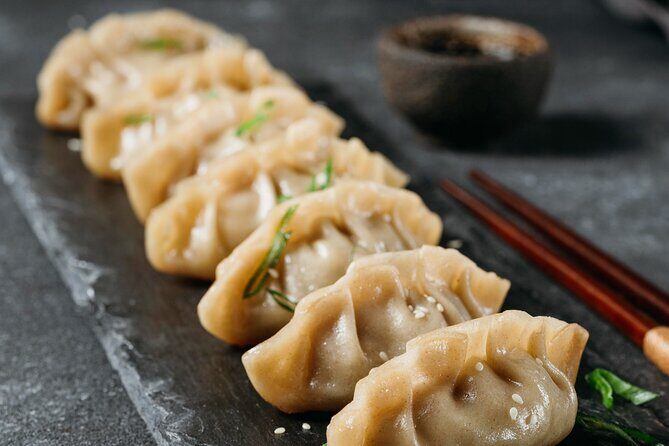
Finally, you cook your gyoza using a professional baking machine. This is a smart inclusion. A common problem at home is uneven heat and inconsistent pan results. A machine designed for this style of cooking helps you learn what properly cooked gyoza looks like and reduces the guesswork.
Wrapping technique: the small lessons that make dumplings actually work
Wrapping might sound simple—fold, seal, done—but gyoza is a little picky. The wrapper needs to be thin enough to steam and crisp in the right places, and the seal needs to be firm enough to keep the filling inside during cooking. That’s why the class spends real time on the method, not just the final look.
I’d think of it like learning to write. You’re not trying to produce a perfect dumpling in the first minute. You’re building repeatable motions: how you position the filling, how you press and fold, and how you create a seam that stays closed.
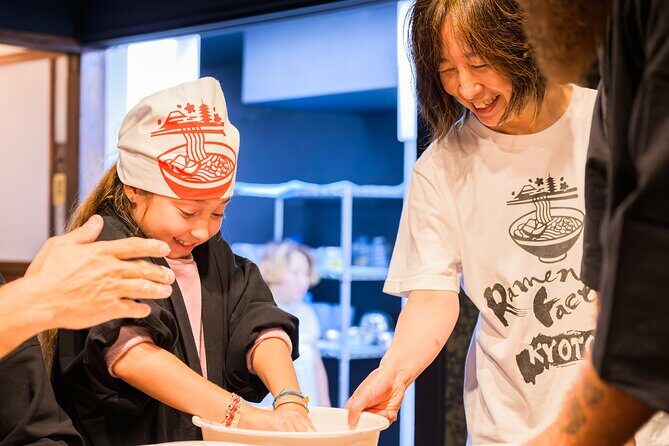
In past classes, instructors such as Hama and Maya have been praised for making those steps feel easy and doable. The teaching style seems to focus on clear, friendly guidance—enough structure that you can concentrate on your hands without getting lost in the explanation.
You’ll also get practical support from the setup itself. In sessions where people mention having a personal working station and tools provided, the message is the same: you’re not sharing a single clumsy workstation. You can see what you’re doing and adjust as you learn.
The professional baking machine: why it’s worth learning the method here
Home cooking can be frustrating with gyoza. You can get the pan too hot, or not hot enough. You can steam too long. You can crisp unevenly. The class solves a lot of that by using a professional baking machine, which standardizes the heat and cooking flow.
What that means for you is confidence. Instead of leaving with a maybe-okay first batch, you’re more likely to end up with dumplings that show you what success looks like. That matters because it helps you repeat the process later without reinventing the whole method.
It also makes the class more efficient. With the machine doing part of the heavy lifting, you can spend your time on the skills that are actually transferable: dough feel, wrapper thickness, filling amounts, and sealing technique.
If you’re traveling with kids or teens, this part can be a big win. Dumpling shaping is hands-on, but cooking is where attention can drift. A machine helps keep results consistent, so the whole group feels like they’re producing something real.
Samurai armor and photos: the fun add-on after you cook
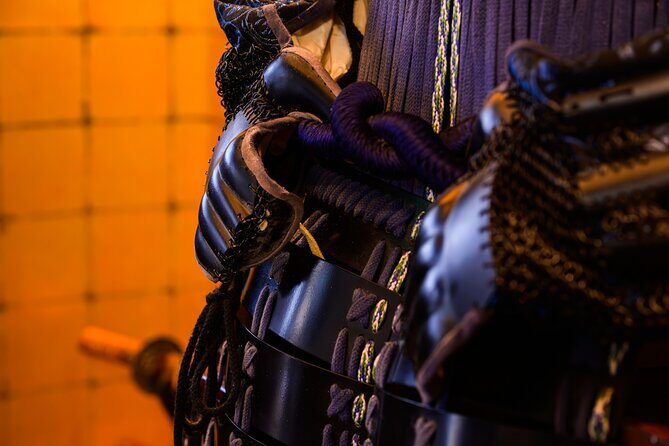
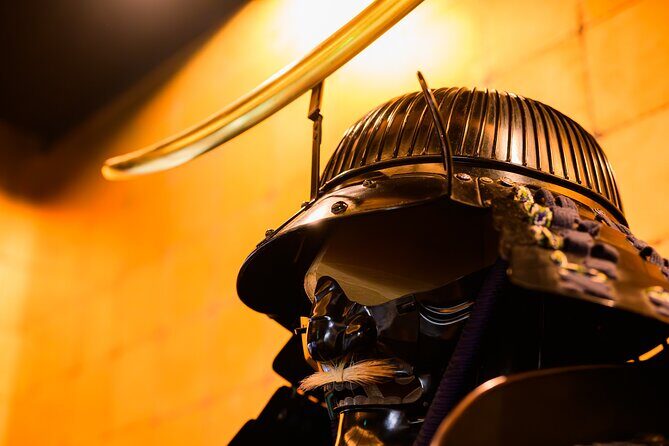
This class includes an optional photo moment: you can dress up in samurai armor after the cooking steps. It’s not presented as the main event, which is good. You’re here for gyoza, not a costume show—but the armor turns a food lesson into a story you can share.
Think of it as a two-for-one memory maker. You end the evening with freshly cooked dumplings you made and also a photo that feels distinctively Kyoto. People mention taking home keepsakes like an apron and, in at least one case, a headband along with the apron—small details that make the experience feel more tangible.
If you don’t want the costume, you can skip it. The important part is that the armor is optional and comes after you’ve already learned the cooking method. That keeps the evening focused.
A few more Kyoto tours and experiences worth a look
Price and logistics: what $118.19 buys you (and what it doesn’t)
At $118.19 per person, this is not a budget activity. But it’s easier to judge value when you break down what’s included.
You get:
- an English-speaking instructor
- cooking tools provided
- teaching that covers wrappers from scratch and wrapping technique
- cooking on a professional baking machine
- a cultural component (gyoza origins/style plus samurai history elements)
- optional samurai armor photos
- and, based on past experiences, take-home items like an apron (sometimes more)
What you don’t get is transportation. Private transportation isn’t included, so factor in your time getting to the meeting point on your own. The start location is 230-1 Kamimyōkakujichō, Nakagyo Ward, Kyoto, 604-0025, and it’s near public transportation.
So my rule of thumb is simple: book this when you want both a meal and a skill. If you mainly want a quick snack, you’ll feel the price more. If you want to learn dumpling-making, the cost starts to make sense, because the machine and instruction help you end with results you can recreate.
Also, consider timing. The duration is listed as about 1 hour 30 minutes (approx.). Some people have mentioned the evening running closer to two hours. Either way, it’s a manageable block for an evening in Kyoto.
Who should book this Kyoto gyoza class
This works best if you like structured, hands-on lessons where you can see your progress. You’ll enjoy it if you:
- want to bring home a cooking skill you can teach friends and family
- enjoy practical classes more than museum-style sightseeing
- travel in a group that includes kids or teens who like doing things with their hands
- appreciate cultural context, even if it’s not a full lecture
The class also seems to handle different confidence levels well. People describe the steps as simple and easy to understand, and instructors like Hama and Maya are praised for being fun while keeping the process clear.
One more plus: group size. With a maximum of 20 travelers, it doesn’t feel like you’re in a huge line watching one person cook. You can focus on your station and your own dumplings.
If your session ends up smaller, you might get even more personal attention. In at least one past case, a guest reported being the only attendee for a specific time slot and getting a more private experience. That’s not something you can count on, but the format supports it.
Should you book the Gyoza Cooking Class in Kyoto?
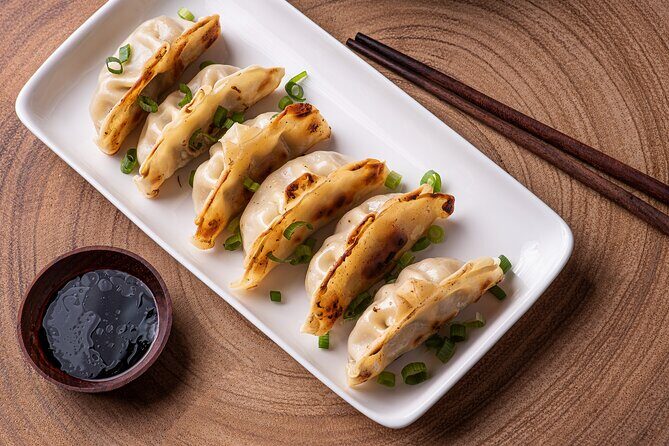
Book it if you want a Kyoto experience that’s practical, not performative. This is one of those activities where you leave with food you made and a method you can repeat, plus an optional samurai photo moment that’s easy to love.
Skip it if you dislike cooking classes or you’re shopping for the cheapest way to eat local food. The price is real, and you’ll only feel good about it if you’re genuinely interested in wrapping technique and learning how gyoza is put together.
If you’re on the fence, here’s the quick decision test: do you want to take home a skill along with a few great photos? If the answer is yes, this Kyoto gyoza class is a smart, memorable bet.
FAQ
How long is the Gyoza Cooking Class in Kyoto?
The class runs for about 1 hour 30 minutes (approx.).
What does the class cost?
It costs $118.19 per person.
What’s included in the experience?
You’ll have an English-speaking instructor and cooking tools provided. The class also includes making gyoza from scratch and cooking them on a professional baking machine. Optional samurai armor dressing and photos come after the cooking.
How many people are in a class?
The experience has a maximum of 20 travelers.
Is the samurai armor part optional?
Yes. Samurai armor dressing is optional and is offered for photos after the class.
Can I cancel for a full refund?
Yes. Free cancellation is available up to 24 hours in advance for a full refund. If you cancel less than 24 hours before the start time, the amount paid is not refunded.