REVIEW · TOKYO
Tokyo: Daikoku JDM Car Meet & Night Car Culture Tour
Book on GetYourGuide →Operated by MisiuJDMX · Bookable on GetYourGuide
Tokyo gets loud in the right way at night. This Daikoku JDM car-meet tour is built around the places you’ve seen in movies and games, but with a real insider feel and a calm, respectful vibe. I especially like that the night views (including the Rainbow Bridge area) make the whole ride feel like part sightseeing, part street-scene culture.
Two things I really like: the safety-first driving and the chance to spend real time at Daikoku when the lot is open. The main drawback to know up front is that car lineups are never guaranteed, since meet spots can be impromptu and Daikoku Parking Area may close without notice.
In This Review
- Key highlights you should care about
- Daikoku Parking Area: the night show you came for
- Price and logistics: what $98 buys you in Tokyo
- The night drive: Rainbow Bridge views and Tokyo’s expressway energy
- One tip before you go
- APIT Autobacs Shinonome: the shopping stop car fans actually enjoy
- Tatsumi 1st PA and other scene stops that can vary
- Skyline passing points: Skytree, Tokyo Tower, and those perfect night photos
- What kinds of cars you might see (and why you can’t demand certainty)
- Ride comfort: vans, sedans, and how group size affects your seat
- The safety and etiquette side: no racing, no chaos, just the scene
- Who should book this Daikoku JDM night tour
- Should you book the Daikoku JDM car meet tour?
- FAQ
- How long is the Tokyo Daikoku JDM car meet and night car culture tour?
- How much does the tour cost?
- Where does the tour meet, and is it the same place for everyone?
- What stops are included on the tour?
- Are the cars at Daikoku Parking Area guaranteed?
- Is food or drinks included?
- What languages do the guides speak?
Key highlights you should care about
- Daikoku Parking Area as the main event, with about an hour on-site when open
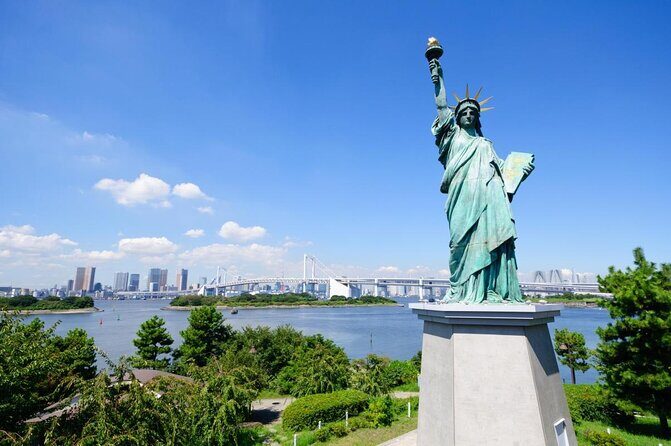
- Night routes with major Tokyo views, including the Rainbow Bridge area
- APIT Autobacs Shinonome for tuning parts, merch, and JDM shopping (about 25 minutes)
- Small group size (up to 10), plus well-maintained vehicles chosen for comfort
- Guides with real car-industry experience, including hosts like Michael, Karim, Mori, Jason, and Julian in recent runs
Daikoku Parking Area: the night show you came for
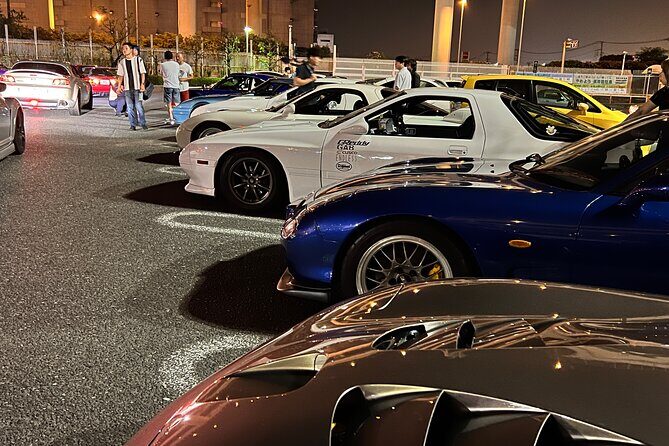
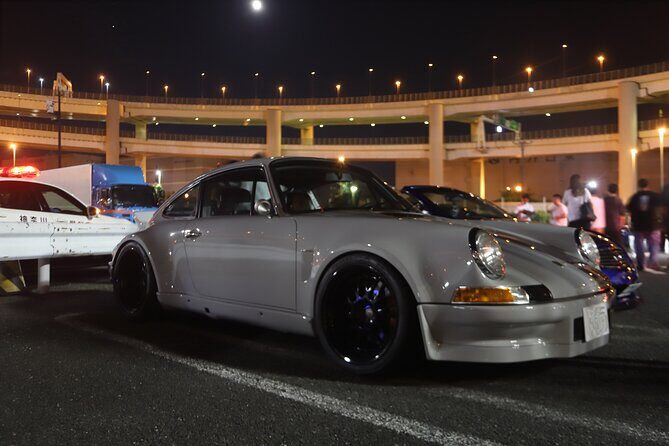
Daikoku PA is the reason this tour exists. For decades, it has pulled in Japanese and international car fans, and it’s famous for the mix of modified JDM builds you won’t see in everyday traffic. On this tour, you’re not just driving past. You’re actually stopping to look, take photos, and absorb the scene.
This is also where the tour earns its “JDM culture” label. The atmosphere is part car show, part community hangout. And the experience stays on the right side of the line: you’re not there to do illegal drifting, race, or cause chaos. Expect people talking about fitment, engines, wheels, and the little details that make a car personal.
Now the practical bit: Daikoku Parking Area is a public rest stop and can close without notice. If it’s closed, the host adjusts the route to still give you a strong night, but it’s smart to book with the understanding that the plan can shift.
You can also read our reviews of more evening experiences in Tokyo

Price and logistics: what $98 buys you in Tokyo
At $98 per person for 4 hours, this is priced more like a ticketed experience than a casual sightseeing add-on. You get small-group transport, guide time, and access to the key car-focused stops, which matters because you’re going from scattered spots across Tokyo—not just one attraction.
What’s included is the stuff that usually costs extra or takes planning:
- Tokyo view stops and guided route flow
- All fees and taxes
- Access to famous meet locations
- A passionate host who can explain what you’re seeing
What’s not included is also clear: food, drinks, and souvenirs. Also, there’s no hotel pickup or drop-off, so you’ll want to factor in getting yourself to the meeting point(s). For most people, this is still good value because you’re paying to make the night easy and safe while hitting the locations car fans care about.
The other value angle is group size. Limited to 10 participants means less waiting around and a better chance to actually look around at stops like Daikoku and APIT instead of constantly being herded.
The night drive: Rainbow Bridge views and Tokyo’s expressway energy
If you only care about the meets, you could still enjoy the driving part. But the best part of the route is that the tour is planned around night atmosphere, not daylight checklisting.
On the way, you pass through high-energy Tokyo zones and iconic photo backdrops. The itinerary includes scenic passing points like Roppongi Hills and the Tokyo skyline views tied to the Rainbow Bridge area. The host also aims to keep you on the roads at the right time so you can see Tokyo lit up instead of sleepy.
This is also where the tour feels different from a generic “car photo tour.” Your guide talks as you go—what the roads are like, why certain places matter to the scene, and how Tokyo’s car culture fits into daily life. Guides you might get include Michael, Karim, Mori, Jason, and Julian based on recent guided nights, and multiple reviews highlight how much context they add during the drive.
One tip before you go
Dress for the weather and keep your phone battery ready. You’ll want quick photo breaks at the view points, and it’s easier if you’re not fishing for chargers mid-night.
APIT Autobacs Shinonome: the shopping stop car fans actually enjoy
APIT Autobacs Shinonome is one of the big names for car lovers in Japan, and on this tour it’s treated like a real stop, not a quick look. You’ll get about 25 minutes to shop and browse.
Why this stop matters: Daikoku shows you the culture in the parking lot. APIT shows you the culture in parts and merchandise. You can browse tuning items, memorabilia, and see Japanese automotive retail at full volume—because it really is a paradise for people who love cars.
Practical note: the tour rules say no food, drinks, or alcohol in the vehicle. Shopping time is separate, but it’s still smart to plan how you’ll handle water or snacks outside the tour stops since meals aren’t included.
Also, be ready for impulse buys. Reviews mention spending time and money inside Autobacs, which makes sense: it’s hard to walk through a place like that with a car brain turned off.




Tatsumi 1st PA and other scene stops that can vary
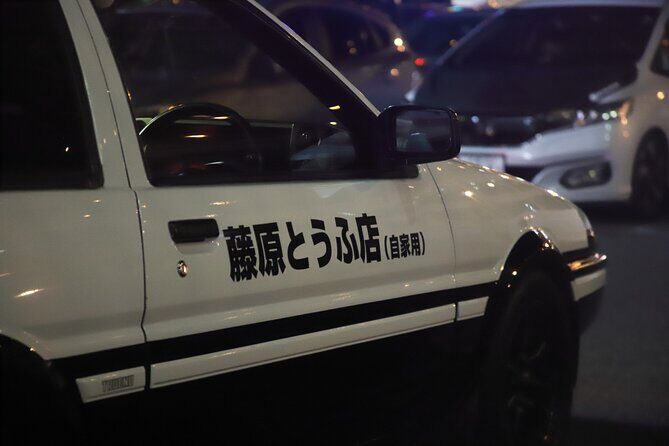
After Autobacs, you’ll hit a smaller meet-type stop: Tatsumi 1st PA for about 15 minutes. It’s shorter, but it keeps the momentum going and gives you another chance to see cars and talk with fellow enthusiasts.
Beyond the fixed stops, the itinerary can swap in other experiences depending on the day and conditions. The tour may include a selection of locations such as Tatsumi, Umihotaru, Autobacs, or Gaienmae. The key thing to know is that these are chosen based on what’s realistically working that night, not a rigid checklist.
Another important reality check: stops along the way are tied to public parking areas and meet spots, so you won’t know exactly what cars show up. That’s part of the excitement, but it also means you should set expectations correctly. You’re not guaranteed a specific car model—only access to the scene.
Skyline passing points: Skytree, Tokyo Tower, and those perfect night photos
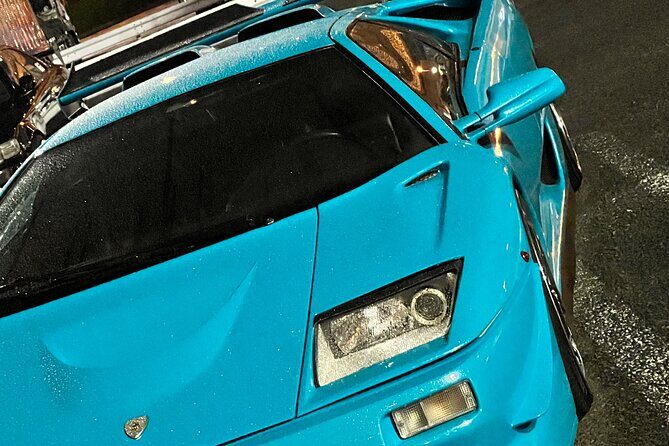
The tour is full of “pass-by” moments that still feel worth it because they’re placed strategically. You’ll pass major landmarks like Tokyo Skytree and Tokyo Tower areas, plus other city viewpoints along the drive.
Even if you’re not obsessed with photography, these passes do two useful things:
1) They help you understand Tokyo’s scale from inside the scene
2) They give you breathers between meet stops
Rainbow Bridge and Tokyo Tower are the big lights you’ll associate with the city at night. Reviews also praise the sweeping views from the Rainbow Bridge area, and that lines up with why this experience is best at night.
If you’re the type who likes a “route with reasons,” this part will click. You’re not stuck in one neighborhood; you’re watching Tokyo shift as the tour moves.
What kinds of cars you might see (and why you can’t demand certainty)
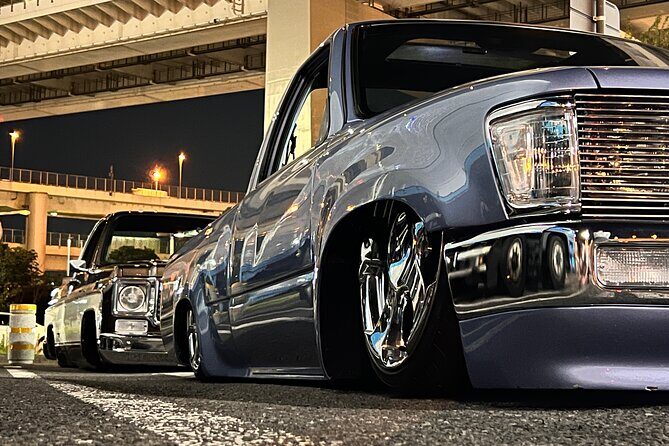
This is the part car fans always want to know: what exact cars will show up at Daikoku? The honest answer is that you can’t count on specific models. The tour itself is clear that the lineup depends on what’s happening at the time.
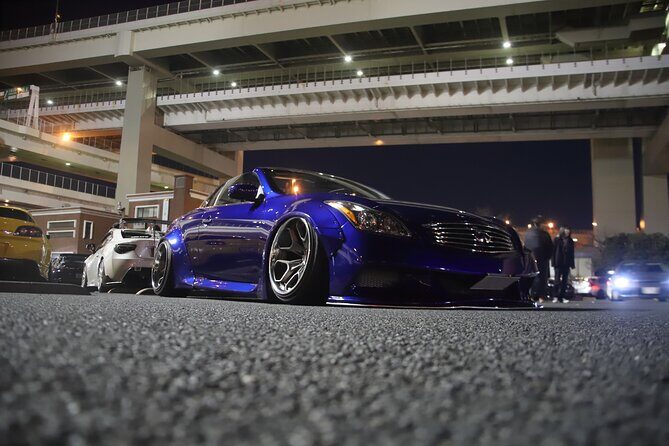
That said, the excitement is real. Reviews mention the kind of cars people dream about seeing in one place: multiple generations of Nissan GT-R, Ferraris, Lamborghinis, and even an LFA showing up right before leaving. There are also stories about classic Skylines and an RX-7 ride experience tied to certain guides and vehicles.
The tour also notes that you might see a mix of JDM, European, and luxury cars across the cars you encounter and the vehicles you ride in. It’s not just “one brand night.”
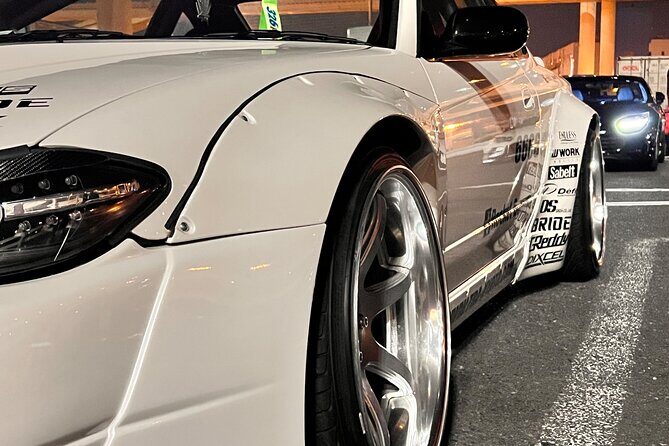
And that’s actually a good thing for most people. Even if you’re a one-model person, the scene at Daikoku often lets you appreciate the craft across different types of builds: stance, body kits, wheel fitment, and the overall “taste” of the owner.
Ride comfort: vans, sedans, and how group size affects your seat
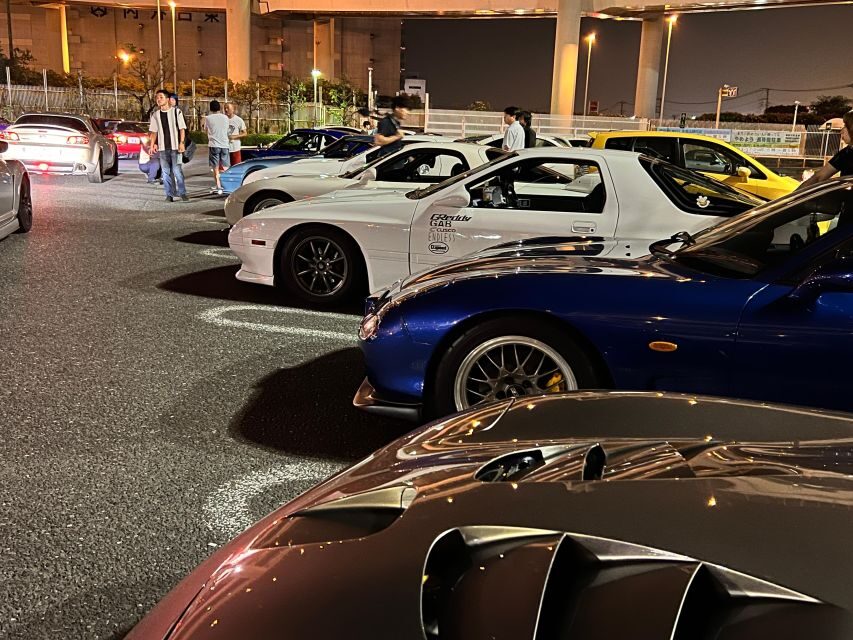
You’ll ride in a well-maintained vehicle selected for comfort and style. Options range from spacious vans to performance-style sedans or other cars depending on availability and group size.
Two practical points that matter:
- If you choose the van option, your group may split between two vans based on party size and remaining seats.
- Vehicle type and seating comfort can vary. One review mentions the back seat being smaller in a specific car setup, which is worth remembering if you’re tall or you hate awkward leg angles.
What stays consistent is the “no nonsense” rule set: smoking is not allowed in the vehicle, and alcohol and food/drinks are also not allowed in the vehicle. That helps keep the ride calm and safe, especially at night.
The safety and etiquette side: no racing, no chaos, just the scene
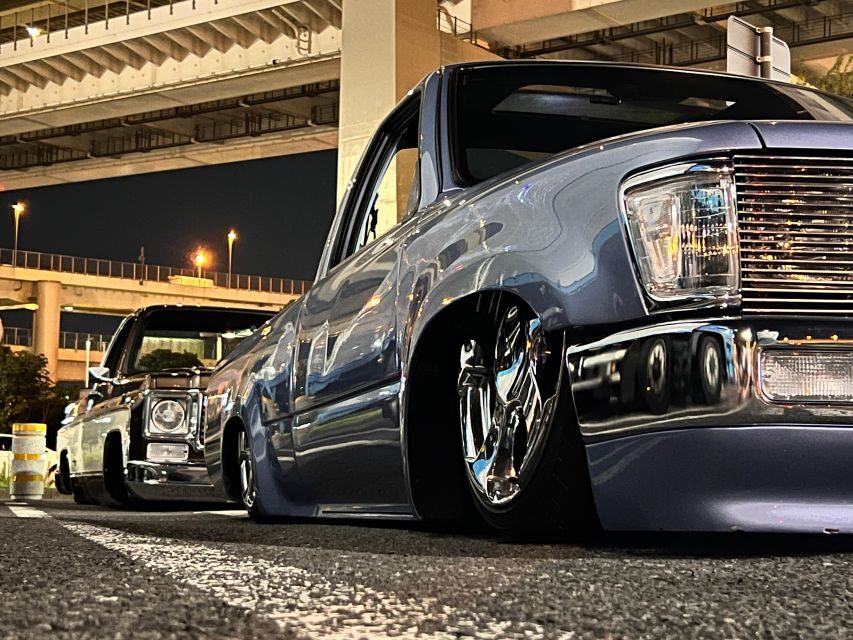
This tour is designed around the vibe behind Tokyo Drift and similar pop-culture references, but it’s explicit: you’re not doing illegal drifting, street racing, reckless driving, or loud rev battles. Driving is done responsibly and in full respect of local laws.
In practice, that means your time feels like a night out with rules, not a stunt. Multiple reviews specifically highlight that the guide driving felt safe, and that’s the line you want to keep intact when you’re watching a culture that people sometimes misunderstand.
It also helps explain the tone people praise in guides like Michael, Karim, Mori, Jason, and Julian: they keep the night structured while still letting you explore freely at stops.
Who should book this Daikoku JDM night tour
This is a great fit if:
- You love Japanese cars and want to see Daikoku PA in person
- You want the “Tokyo at night” experience with a guide who can explain what you’re seeing
- You like small-group tours where you can actually look around at each stop
- You enjoy the mix of cars plus the skyline drive
It’s probably not your best choice if:
- You need wheelchair accessibility (the tour isn’t suitable for wheelchair users)
- You’re traveling with very young kids (not suitable for children under 5)
- You expect a guaranteed car lineup or a guaranteed specific brand showing up
For families, there’s a note about booster seats. If a child is 5–7 years old and needs a booster seat, you’ll want to contact the provider before the tour date.
Should you book the Daikoku JDM car meet tour?
I’d book it if you want an easy, structured, safe way to experience Tokyo’s car-meet culture at night. The price makes sense when you factor in guide time, transport, and the fact that you’re hitting high-impact spots like Daikoku PA and APIT Autobacs without doing route planning yourself.
I’d think twice if your trip timing is tight and you can’t handle plan shifts. Daikoku can close without notice, and car lineups can vary because the scene is public and impromptu. The tour is designed to adapt, but you should still book with flexible expectations.
If you’re the kind of person who smiles when you hear tires on asphalt and you can’t resist looking at a perfect wheel setup, this tour is made for you.
FAQ
How long is the Tokyo Daikoku JDM car meet and night car culture tour?
The tour lasts about 4 hours.
How much does the tour cost?
The price listed is $98 per person.
Where does the tour meet, and is it the same place for everyone?
The meeting point may vary depending on the option booked. One listed option is 2-chōme-29-8 Dōgenzaka, 東叡堂ビル, and another option is Roppongi Hills.
What stops are included on the tour?
Daikoku Parking Area is included. Other stops can include APIT Autobacs Shinonome (visit time about 25 minutes) and Tatsumi 1st PA (about 15 minutes), plus several scenic pass-by viewpoints such as Rainbow Bridge and Tokyo Tower.
Are the cars at Daikoku Parking Area guaranteed?
No. The tour explains there is no guarantee as to the type and number of cars you will see because the meet spots are impromptu.
Is food or drinks included?
No. Food and drinks are not included, and food and drinks are not allowed in the vehicle.
What languages do the guides speak?
English is the default. Guides may also speak Japanese, Polish, Italian, and German when available.