REVIEW · TOKYO
Tokyo’s Imperial Palace & Nihonbashi Tour
Book on Viator →Operated by True Japan Tour · Bookable on Viator
Tokyo history meets modern shopping in one neat loop. This tour pairs the Imperial Palace East Gardens with Nihonbashi’s long-running craft stores, so you get both big-city Tokyo energy and quietly maintained palace grounds. I especially like the built-in variety: ginkgo-lined palace approaches and then specialty stops for dashi, nori, knives, and washi.
The other big win for me is the way you’re guided through details you’d miss on your own. A guide-interpreter helps you navigate language barriers, and you even get tastes, not just look-and-photos. One consideration: the day is heavy on walking between stops, so heat, rain, and high winds can change how comfortable it feels.
Key points at a glance
- Imperial Palace focus on the East Gardens: free-entry grounds with an Edo Castle connection
- Nihonbashi craft stops: old businesses tied to food and traditional making
- Tastings included: dashi soup stock sample plus a Japanese sake set
- Washi session at Ozu Washi: learn paper types and make a sheet (with possible limitations)
- Small-ish group size: up to 28 people, plus a licensed guide-interpreter
In This Review
- Imperial Palace East Gardens: what you actually see and why it’s worth your time
- Nihonbashi: the old highway crossroads that still feels like a working neighborhood
- Dashi at Ninben, nori at Yamamoto Nori, and how those tastes connect to Japanese cooking
- Knife shopping at Kiya Nihombashi: how a craft store works as cultural education
- Washi at Ozu Washi: a hands-on paper lesson (and the one detail you should clarify)
- Toyama’s antenna shop finish: a relaxed ending that ties the day together
- Price and timing: whether $101.72 makes sense for you
- Walking, weather, and how to not lose your day to Tokyo’s extremes
- Who should book this Tokyo tour (and who should skip it)
- Should you book the Imperial Palace & Nihonbashi Tour?
- FAQ
- How long is the Tokyo’s Imperial Palace & Nihonbashi Tour?
- Where does the tour start and where does it end?
- What’s included in the tour price?
- Do I need tickets for the Imperial Palace East Gardens?
- Is there food or drink during the tour?
- What happens if the weather is bad?
Imperial Palace East Gardens: what you actually see and why it’s worth your time
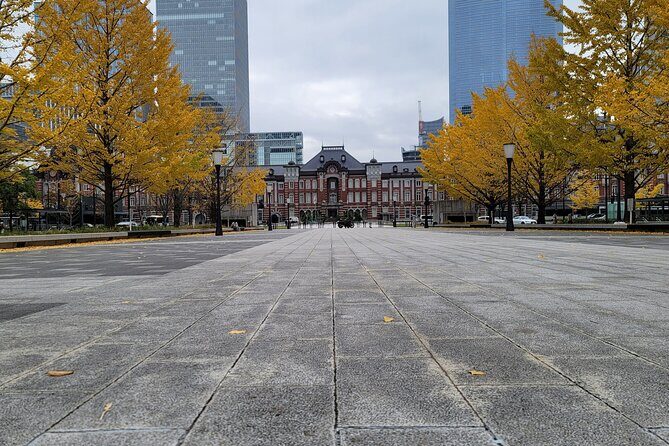
The tour starts near Tokyo Station, then moves you toward the Imperial Palace area along a ginkgo-lined avenue. That first walk matters. It sets the tone: you’re not sprinting to a single photo spot. You’re transitioning from Tokyo’s street noise into a calmer, landscaped world where every direction feels curated.
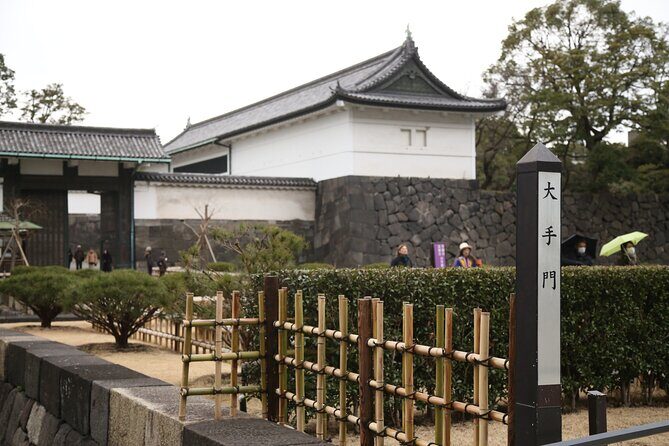
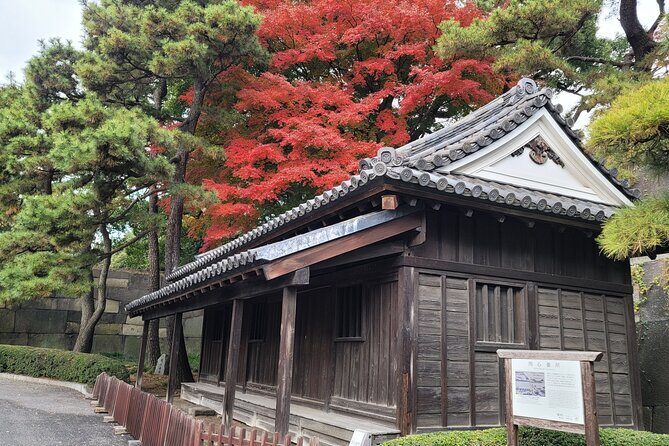
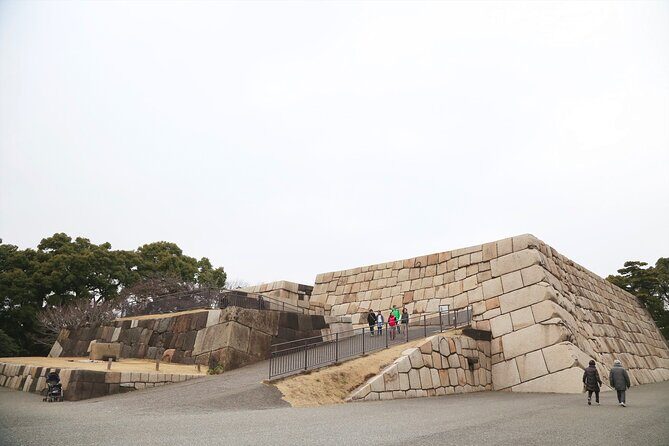
The main event here is the East Gardens and the Edo Castle ruins. You’ll go through Otemon Gate, which is described as the former main entrance to Edo Castle, the power center of the Tokugawa shoguns. Even if you’ve visited other palace gardens, this framing is helpful. It turns the grounds into something more than pretty trees by explaining what used to be there and why it mattered.
Expect a lot of seasonal texture: the grounds are dotted with cherry and pine trees, and the layout is designed for strolling. You should also know the practical reality: this tour experience centers on the public gardens and viewpoints in that area. If you’re expecting a tour of private palace interiors, you may be disappointed. Plan around the gardens portion and treat it as its own highlight.
Tip from the street: wear shoes you can walk in for a while. The palace grounds feel open, but they’re designed for people to move slowly, not for quick photo stops.
Nihonbashi: the old highway crossroads that still feels like a working neighborhood
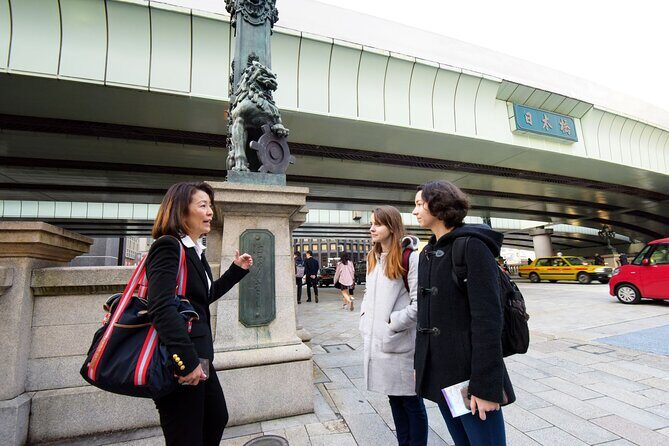
After the palace segment, you’ll take a short trip to Nihonbashi, a key commercial district with historical importance as the start of Japan’s national highway network dating back to the early 1600s. This is one of those Tokyo areas where “old” isn’t a theme. It’s the backdrop.
What I like about putting Nihonbashi right after the gardens stop is the contrast. The palace gives you space and order. Nihonbashi gives you density, storefronts, and the kind of everyday shopping that locals treat as normal. This is where the tour becomes more than sightseeing.
You’ll also get a guided walkthrough of what makes the Nihonbashi shop circuit different from typical tourist shopping streets. Many of these places are long-running businesses, some dating back centuries. The point isn’t to buy souvenirs. It’s to understand how Japan’s food and craft culture depends on specialized materials and repeat customers.
Practical note: the tour ends in the Nihonbashi area (near Nihombashi Station and Mitsukoshimae Station). That’s good if you want to keep going on your own afterward, especially for shopping or a later meal.
You can also read our reviews of more tours and experiences in Tokyo.



Dashi at Ninben, nori at Yamamoto Nori, and how those tastes connect to Japanese cooking
Food tastings are included, and they’re not random. The tour stops you at a dashi (soup stock) shop, where you’ll sample dashi and learn what it is. Dashi is a cornerstone ingredient in Japanese cooking, showing up from hotpot to noodle soups. Once someone explains that base-stock role, you start noticing dashi in restaurant meals later on. It gives your Tokyo dining a layer of understanding.
From there, you’ll visit Yamamoto Noriten Honten, a nori seaweed producer in business since 1849. In the store, you can see different kinds of nori, and you’ll watch staff roast it. That roasting step is more than theatre. It helps you grasp why seaweed flavor can change with handling and preparation. Even if you’re not an ingredient nerd, it’s a memorable sensory lesson.
The tour also includes a Japanese sake set, finished at a Toyama prefecture antenna shop. Toyama is a coastal prefecture on the Sea of Japan, and the shop is a focused place to see what comes out of that region. You’ll sample sake as part of the tour’s final stretch.
Reality check: the sake portion is a set, not a full bar crawl. Think of it as a guided introduction, not a replacement for dinner plans.
Knife shopping at Kiya Nihombashi: how a craft store works as cultural education
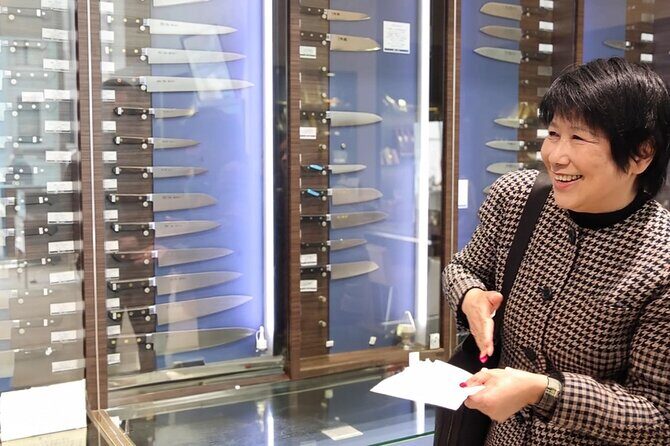
Next up is Kiya Nihombashi Main Branch, a traditional Japanese knife store founded in 1792. This is one of the stops that can surprise you. It’s easy to assume a knife store is just a place to buy knives. But a good guide helps you see it as a craft ecosystem.
In the store, you’ll see hundreds of utensil options, including traditional Japanese knives and also more modern European styles. That mix helps you understand that Japanese craftsmanship can be global-facing, not locked behind tradition-only walls.
There’s also something quietly practical here. If you’ve never looked closely at how Japanese knives are made or presented, you’ll come away with better context for what you see in cooking shows and kitchen stores back home.
Watch your budget: these shops can tempt you fast. Decide before you go whether you’re browsing only or seriously considering a purchase, because once you get hands-on with the variety, it’s hard to stay neutral.
Washi at Ozu Washi: a hands-on paper lesson (and the one detail you should clarify)

The washi stop is the lengthiest: about an hour at Ozu Washi. Here you’ll learn about different types of Japanese paper and stationery. You’ll also make a sheet of washi during the experience.
That said, it’s worth knowing a nuance. The information about washi making is sometimes handled with extra scheduling or availability depending on the day. You might find the actual hands-on option requires a reservation or may be limited by capacity. If you care strongly about making your own sheet, ask your guide early in the tour whether the making portion is confirmed for your group.
Even if you end up watching more than making, the washi session is still valuable. It’s a rare chance to see how material choices shape outcomes in Japanese culture, from paper texture to everyday stationery uses.
Tip: keep your receipt or any instructions the guide gives you. If you’re planning to mail items home or wrap something carefully, you’ll want details while you still have the shop context fresh.
Toyama’s antenna shop finish: a relaxed ending that ties the day together

The tour wraps with a visit to the Toyama Prefecture Antenna Shop. This stop is included and described as a chance to see items from Toyama, a coastal prefecture on the Sea of Japan. Since it’s the end of the tour, it also functions as a soft landing after a long walk and multiple specialty stores.
The day’s food theme also becomes clearer. You start with dashi (cooking base), move into nori (key ingredient), then end with sake tasting tied to a specific region. It feels like a guided course in Japanese food culture rather than a random chain of shops.






Price and timing: whether $101.72 makes sense for you
At about $101.72 per person and roughly 4 hours long, this tour is positioned as a half-day value with guided storytelling and included tastings. The key value piece isn’t just the sights. It’s the combination of:
- East Gardens entrance included
- dashi sampling included
- a sake set included
- a guide-interpreter to translate and connect dots across multiple specialty stores
If you were doing this on your own, you could absolutely hop between these neighborhoods. But you’d likely spend extra time figuring out what matters in each shop and you’d miss the explanations that turn materials into meaning. The tour compresses that learning into one guided block, with a clear end point in Nihonbashi.
The format is also flexible: you can choose a morning or afternoon slot. Booking tends to happen ahead of time (about 47 days on average), so if you have a tight schedule, I’d plan earlier rather than later.
Small group detail: the tour is capped at 28 travelers. That’s not tiny, but it usually helps with pacing and getting answers when you ask questions.
Walking, weather, and how to not lose your day to Tokyo’s extremes
This experience requires good weather. That’s not a minor fine print note. Palace gardens + open-air district walking can get uncomfortable fast if it’s windy or rainy. If conditions are poor, the tour may be rescheduled or you can request a full refund.
Even in good weather, expect substantial walking. The grounds involve strolling through wide outdoor spaces, and the Nihonbashi portion adds more time on your feet. Some days can feel like a workout, especially if you’re wearing brand-new shoes or you’re the type who stops often for photos.
My practical packing list:
- comfortable walking shoes
- a compact umbrella or rain layer
- a light layer for cool mornings near Tokyo Station and the palace area
- a small bag you can keep close when you’re browsing knives and paper goods
Also, note that facilities could shift if something is temporarily closed. If one shop isn’t operating that day, your guide will guide you to alternatives. This doesn’t necessarily make the day worse, but it means your exact “wish list” might not line up perfectly with the written plan.
Who should book this Tokyo tour (and who should skip it)
This tour is a strong match if you want a guided half-day that feels practical, not themed. You’ll enjoy it most if you like:
- walking through Imperial Palace East Gardens with context
- learning about ingredient culture through dashi, nori, and sake
- seeing how traditional materials like washi and specialty tools like knives are made and sold
- using a guide-interpreter to handle language barriers while shopping and tasting
You might want to skip or at least adjust expectations if:
- you hate walking and want a mostly seated itinerary
- you’re expecting a tour of the Imperial Palace private buildings rather than garden-focused access
- you’re the type who wants free time at every stop, with no timed group pace
Should you book the Imperial Palace & Nihonbashi Tour?
I think it’s a good booking for most first-timers who want a smart Tokyo sampler in a short window. The pairing is the reason: calm palace grounds in the morning or afternoon, then shop stops that teach you what Japanese cooking and craft depend on. With the included dashi sample and sake set, you’re not just looking at history. You’re tasting and learning.
Book it if you can handle walking and you’re traveling when weather looks decent. If you’re sensitive to rain or heat, plan your slot carefully and be ready with the right gear. Also, set expectations that the Imperial Palace component is about the East Gardens.
FAQ
How long is the Tokyo’s Imperial Palace & Nihonbashi Tour?
It’s about 4 hours.
Where does the tour start and where does it end?
It starts at Tokyo Station (1 Chome-9 Marunouchi, Chiyoda City) and ends in the Nihonbashi area (near Nihombashi Station and Mitsukoshimae Station).
What’s included in the tour price?
Entrance into the East Gardens of the Imperial Palace is included, plus a dashi soup stock sample and a Japanese sake set. The tour also includes a nationally accredited tour guide-interpreter.
Do I need tickets for the Imperial Palace East Gardens?
No. Entrance into the East Gardens is included.
Is there food or drink during the tour?
Yes. You’ll sample dashi soup stock and you’ll receive a Japanese sake set. Other food and beverages are not included.
What happens if the weather is bad?
The experience requires good weather. If it’s canceled due to poor weather, you’ll be offered a different date or a full refund.