REVIEW · KYOTO
Kyoto: Fushimi Inari Shrine and Tofukuji Temple E-Bike Tour
Book on GetYourGuide →Operated by Pedal Adventure Kyoto · Bookable on GetYourGuide
Four hours by e-bike beats Kyoto crowds. This guided ride strings together Gion customs, the famous Fushimi Inari Shrine, and a calmer temple stop, with a route that mixes big-name sights and quieter back streets.
I especially love the way the guide brings context to what you’re seeing—Geisha culture in Gion and clear Shinto vs. Buddhist explanations around the shrine and temple stops. I also like the practical setup: helmets, insurance, a quick bike orientation for Japan-style riding, and frequent stops so you’re not just grinding through Kyoto on your own.
One possible drawback: it’s not a laid-back “mostly walking” tour. You’ll do a mix of cycling and some walking, and it’s not a good fit if you need mobility accommodations, are traveling with very young kids (it’s not suitable under 12), or prefer long, slow time in only one place.
In This Review
- Key things to know before you pedal
- Starting Point: Pedal Adventure Kyoto and the Higashiyama-Sanjo warm-up
- Gion by e-bike: Geisha culture and Kyoto customs on the move
- Kyoto suburbs and everyday life: seeing the city beyond the postcard
- Fushimi Inari Shrine: Shinto basics before you walk the gates
- Tofukuji Temple Zen garden: a calm break before the ride back
- The e-bike effect: how the bikes handle Kyoto’s steeper parts
- Pace and group size: up to 8 riders, with time to ask questions
- Who this tour suits best (and who should skip it)
- Price and value: $83 for a full guided half-day
- Practical tips: what to wear, bring, and expect
- Should you book this Kyoto Fushimi Inari and Tofukuji e-bike tour?
- FAQ
- Where does the tour start?
- How long is the Kyoto Fushimi Inari and Tofukuji E-Bike Tour?
- What’s included in the price?
- Is lunch included?
- Is the tour offered in English?
- Do I need to bring my own helmet or bike?
- Is the tour suitable for kids or people with mobility issues?
Key things to know before you pedal
- Small group (up to 8) means you get more attention from the guide and can ask questions without shouting over a crowd.
- Maki as the guide is a standout: lots of storytelling plus practical guidance, and she’ll help with photos along the way.
- Fushimi Inari + Shinto basics aren’t just a photo stop—you learn what the shrine is about before you wander.
- Tofukuji Temple Zen garden is where the pace cools down, with time to sit and reset.
- E-bikes make the route doable for a range of riders, including steeper bits that might be harder on a regular bike.
- Included snack, water, and entrance fees help this feel like a complete half-day plan instead of a pile of add-ons.
Starting Point: Pedal Adventure Kyoto and the Higashiyama-Sanjo warm-up
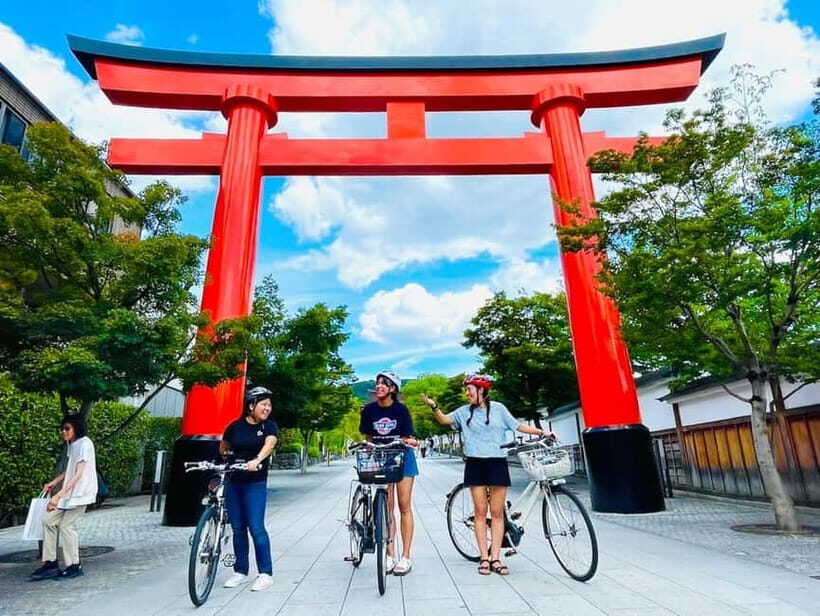
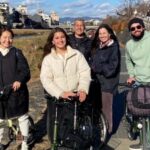
Your tour starts at Pedal Adventure Kyoto. The morning (or afternoon) is built around a simple rhythm: meet, get geared up, then get comfortable on the e-bike before you hit busier streets.
Right away, you’ll get an orientation for riding in Japan. That matters more than it sounds, because bike rules and street flow can feel different when you’re used to home. You also wear a helmet (provided), and you’ll be riding with insurance included—so you’re not thinking about the “what if” part while you’re trying to enjoy the ride.
A practical tip: wear comfortable clothes and shoes that won’t complain after walking a bit at temples. Even on an e-bike tour, you’ll do some getting on/off and short stretches on foot.
You can also read our reviews of more cycling tours in Kyoto


Gion by e-bike: Geisha culture and Kyoto customs on the move
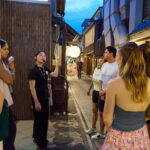
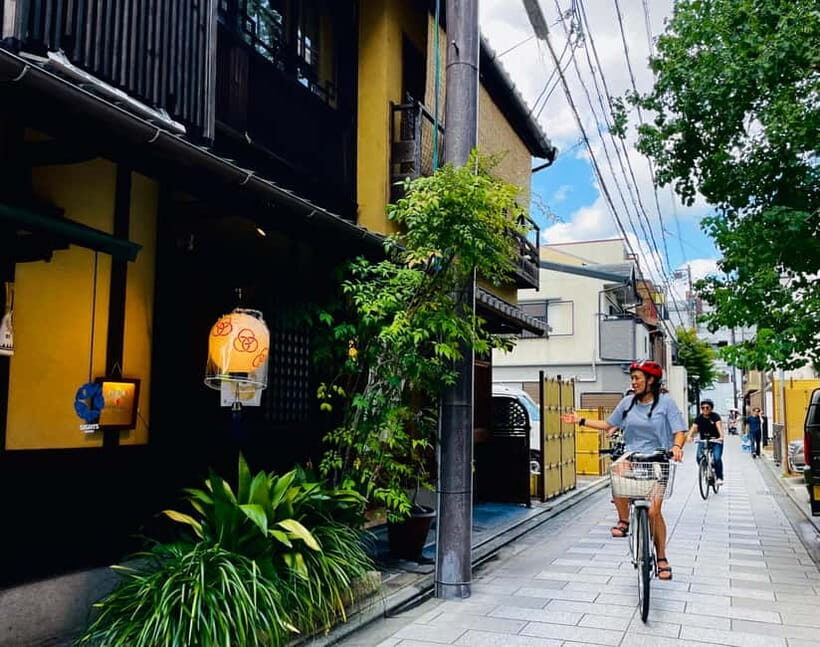
One of the best parts of this tour is the ride through Gion. Instead of treating Gion like a set you pass through, the guide uses the route as a living lesson on Kyoto customs—especially around Geisha culture.
You’ll learn what to notice: how people move through the area, what locals care about, and why certain behaviors matter. The guide’s explanations are built into the ride, with frequent stops so you can absorb the story instead of just collecting pictures.
I like that the tone stays human. You’re not stuck in a lecture. You’re cycling at a pace where you can look around, then ask questions when something catches your eye.
If you’re worried about safety on busy roads: multiple guests mention that the guide leads you through heavy areas when needed, but you’re also routed through quieter side streets. That mix keeps the tour from feeling like you’re trapped in traffic.
Kyoto suburbs and everyday life: seeing the city beyond the postcard
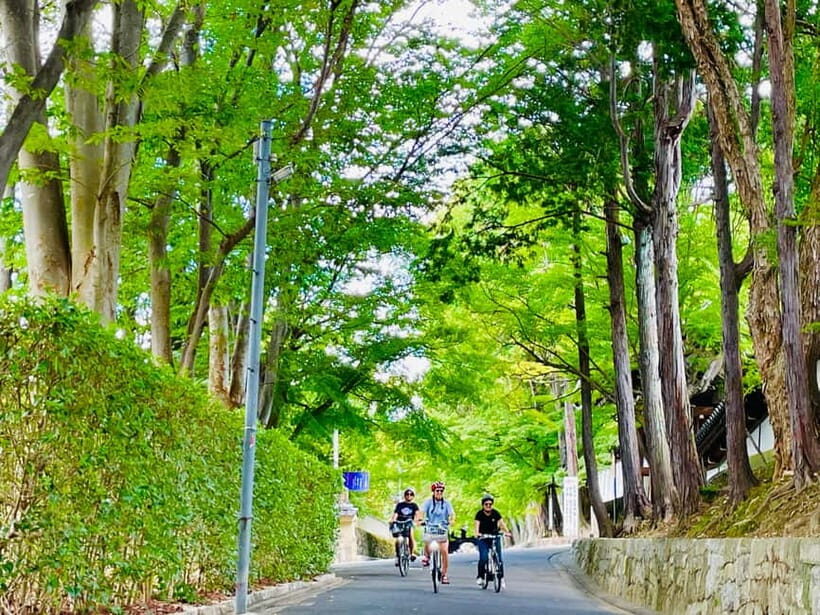
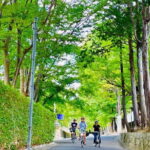
After the Gion portion, you shift into Kyoto suburb areas—real streets where life looks less staged. This is where the e-bike helps, because you can cover more ground without turning the day into a nonstop slog.
What you’re really doing here is learning how Kyoto neighborhoods feel between major sights. The guide points out details that are easy to miss when you’re only hunting for famous landmarks—small rhythms, residential streets, and the general “how people actually live” side of the city.
This section tends to be a favorite for people who don’t want a day packed with only top-tier attractions. You still get the icons, but you also get context for why Kyoto looks the way it does.
Fushimi Inari Shrine: Shinto basics before you walk the gates
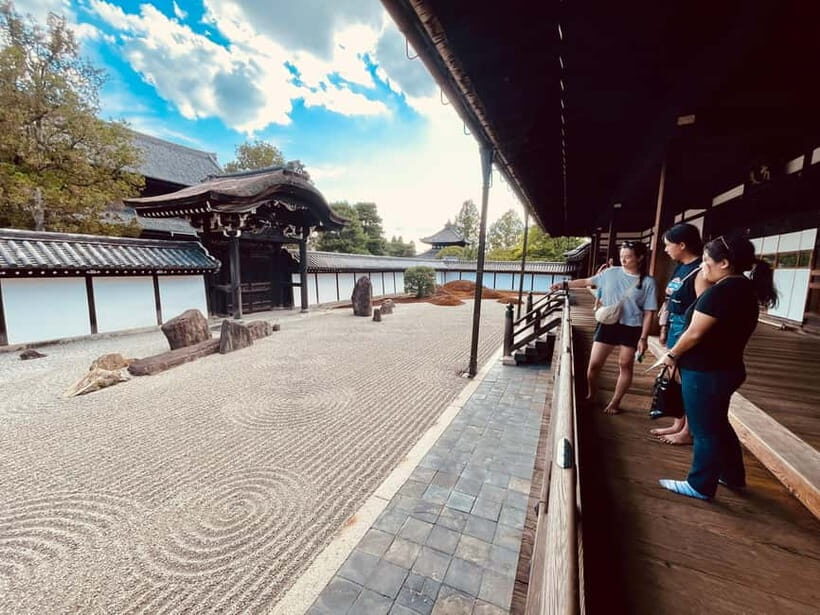
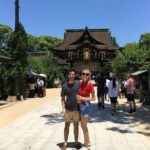
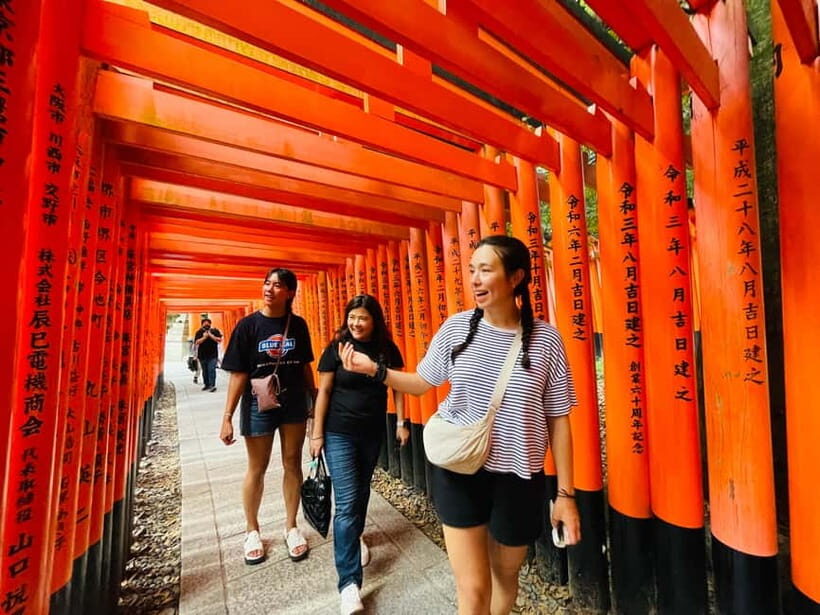
Then comes the headliner: Fushimi Inari Shrine. Your guide explains the history and culture of Fushimi Inari and connects it to Shintoism before you start wandering through the shrine grounds.
That pre-walk context is one of the biggest value-adds here. Inari isn’t just something you stroll through—it has meaning, symbolism, and tradition tied to how Shinto is practiced. When you understand that, the experience changes from sightseeing to reading the place.
There’s also a practical reason the order works. You’re already warmed up from cycling, and you arrive with a clearer idea of what you’re looking for. You’ll spend enough time to enjoy the atmosphere and learn without rushing to the next stop.
From the tour design and feedback, the guide also keeps things interactive—answering questions and adjusting to the group’s interests. If you want more explanation on shrine customs or what certain things signify, this is where you’ll get it.
Tofukuji Temple Zen garden: a calm break before the ride back
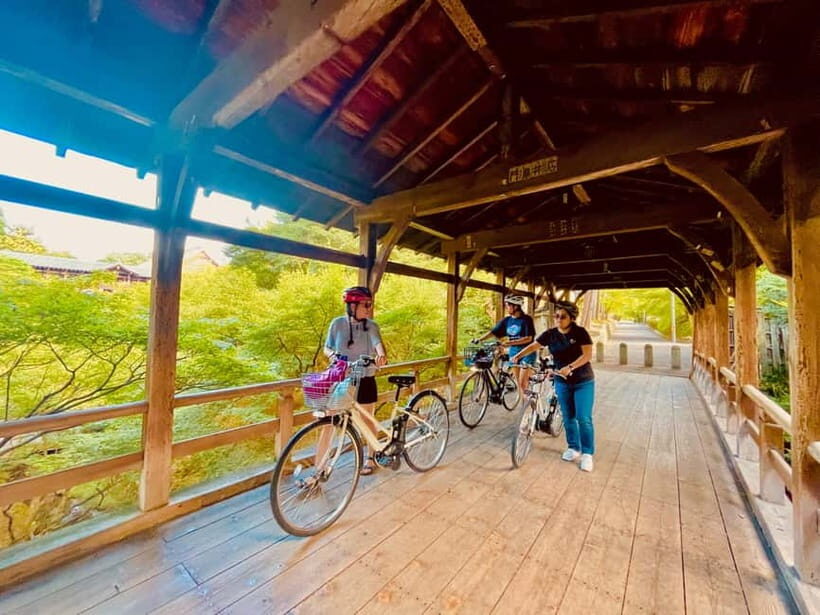
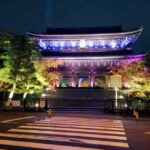
Right after Fushimi Inari, you head toward Tofukuji Temple. This is the calmer, slower chapter of the tour.
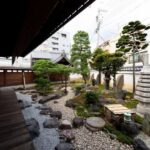
At Tofukuji, you relax in the Zen garden. Multiple guests specifically mention the chance to slow down and take in the meditative ambience. It’s a nice contrast after shrine walking, and it helps the whole day feel balanced—education plus a mental breather.
You’ll also hear more about the differences between religions in Japan—especially the relationship between Buddhism and what you learned around the Shinto shrine visit. That comparison sticks in your head because it’s taught as you move between places, not as a separate museum-style lesson.
By the time you’re done here, you’re ready for the final riding stretch back.
A few more Kyoto tours and experiences worth a look

The e-bike effect: how the bikes handle Kyoto’s steeper parts
Kyoto can be sneaky with elevation. Even if you’re not constantly climbing, some sections can feel harder than expected—especially if you’re doing lots of sightseeing walking on other days.
That’s where the e-bike earns its keep. Reviews repeatedly point out that the electric assist makes steep parts easier and keeps the ride comfortable, even for riders who aren’t trying to train for a cycling trip.
The bikes are also described as clean and well maintained. Helmets and an insurance setup reduce worry, and the guide’s traffic choices matter: you’re not just given a bike and told to figure it out.
One more nice detail: there are breaks built in, plus an included snack and water bottle. Even with e-bike help, taking pauses keeps the day fun instead of exhausting.
Pace and group size: up to 8 riders, with time to ask questions
This is a small group tour, limited to 8 participants. That’s not a trivia detail—it changes the whole experience.
With fewer people, the guide can stop more often, explain more clearly, and respond to questions without one person dominating the conversation. Guests also mention frequent stops and an easy-to-follow flow, which matters when you’re cycling in a new city.
The tour lasts about 4 hours, so it works well as a “high-impact half day.” If you’re the type who gets temple-fatigue after hours of walking, the length and pacing are a relief. It’s long enough to feel like you learned something real, but short enough to leave energy for dinner plans afterward.
Who this tour suits best (and who should skip it)
This tour is a strong match if you want:
- A practical way to see Kyoto without stacking too many long walks
- A guide who explains the culture behind the sites (not just where to stand for photos)
- E-bike help to make steeper sections easier
- A schedule that mixes major landmarks with calmer, less crowded streets
It’s not suitable for children under 12, pregnant women, or people with mobility impairments. If you’re unsure, think about how you’d handle a day with both cycling and some walking at temple stops.
If you’re traveling as a family, the tour seems to work well with teens who enjoy asking questions—several reviews mention teenagers having a great time.
Price and value: $83 for a full guided half-day
At $83 per person for 4 hours, the value comes from what’s included, not just the sites.
You get:
- A live local tour guide in English
- Electric bicycle rental
- Helmet
- Insurance
- Snack and a water bottle
- Entrance fees for two places
When you price this out in your head, the guided component is doing heavy lifting. Without a guide, you’d need to handle route planning, bike logistics, and figuring out what to look for at Fushimi Inari and Tofukuji. Paying for the guide is how you get meaning, timing, and context in one shot.
The tour also gives you built-in “stop time,” not just a route. You’re not constantly moving to keep up with a herd. That’s part of why guests call it a highlight.
If you’re already planning a full day of Kyoto walking, this works as a smart companion: switch to two wheels, learn the stories, then enjoy the rest of the trip at your own rhythm.
Practical tips: what to wear, bring, and expect
The essentials are simple:
- Comfortable shoes
- Comfortable clothes for cycling
- Sunscreen for sunny days
- Camera if you want scenic shots
You’ll have a mix of walking and cycling. That means you should dress for both—sturdy footwear matters more than stylish outfits.
Also note the rules: no smoking and no alcoholic drinks in the vehicle. Keep it straightforward and you’ll fit right into the tour flow.
If you’re sensitive to sound, keep in mind that this is a guided group ride with stops. When everyone clusters, you can miss small pieces if you’re not close to the front. The fix is easy: ask your questions during the stops, when the guide pauses anyway.
Should you book this Kyoto Fushimi Inari and Tofukuji e-bike tour?
If you want Kyoto in a format that feels efficient but still thoughtful, I’d book it. This tour hits major must-sees—Fushimi Inari Shrine and Tofukuji Temple—while also giving you Gion culture context and neighborhood streets that you won’t naturally wander into on a tight schedule.
Book it especially if:
- You’re curious about Shinto and Buddhist connections and want clear explanations
- You want a guide-led day with photo help and a strong storytelling style (Maki is repeatedly praised for it)
- You’d rather ride than spend the afternoon in long lines and long walks
Skip it if:
- You need a fully seated or mostly walking experience
- You can’t comfortably cycle and walk short distances
- Your group includes riders outside the stated suitability limits
FAQ
Where does the tour start?
The meeting point is Pedal Adventure Kyoto.
How long is the Kyoto Fushimi Inari and Tofukuji E-Bike Tour?
The duration is 4 hours.
What’s included in the price?
It includes a live local tour guide, electric bicycle rental, helmet, insurance, a snack, a water bottle, and entrance fees for 2 places.
Is lunch included?
No. Lunch is not included.
Is the tour offered in English?
Yes, the live tour guide speaks English.
Do I need to bring my own helmet or bike?
No. The electric bicycle rental and helmet are included.
Is the tour suitable for kids or people with mobility issues?
It’s not suitable for children under 12, pregnant women, or people with mobility impairments.