REVIEW · KYOTO
Kyoto Samurai Experience
Book on Viator →Operated by Kyoto Samurai Experience · Bookable on Viator
A Kyoto samurai house class beats textbook photos. You’ll get kimono try-on, Bushido talk, and hands-on sword practice, all wrapped with a calming Zen meditation session. My favorite parts are the chance to handle a real training sword and the way the staff turns samurai culture into something you can feel in your body, not just read about. One thing to consider: this is an active session, so you’ll want comfortable shoes and a moderate fitness level.
You also have a practical scheduling perk: you can choose a morning or afternoon departure, based on your Kyoto rhythm. The small group setup (max 14) keeps things personal, but it also means you should arrive on time so your session starts smoothly.
In This Review
- Key Things That Make This Samurai Class Worth Your Time
- Finding Waraku111 and Getting Oriented Fast
- Practical tip
- What Happens After You Put On the Kimono
- Why this part is valuable
- Bushido Talk: The Philosophy Before the Sword
- What to listen for
- Hands-On Swordsmanship Basics (with a Training Sword)
- What you’ll notice fast
- Zen Meditation Session: The Calm Part That Actually Sticks
- Morning vs. Afternoon: Choosing the Right Time for Your Day
- Small Group Size: Why Max 14 Matters
- The Location: Worth It Even If It Feels Out of the Way
- Price and Value: Is $119.38 a Smart Use of Your Kyoto Time?
- Who Should Book This Samurai Experience (and Who Might Pass)
- What to Wear and Bring for a Smooth Session
- Quick packing logic
- Final Verdict: Should You Book Kyoto Samurai Experience?
- FAQ
- How long is the Kyoto Samurai Experience?
- Is there more than one departure time?
- What activities are included in the session?
- Is it a small group?
- Where do I meet, and where does it end?
- What should I wear?
- Is there a physical fitness requirement?
- Can children or minors join?
- What is the cancellation policy?
Key Things That Make This Samurai Class Worth Your Time
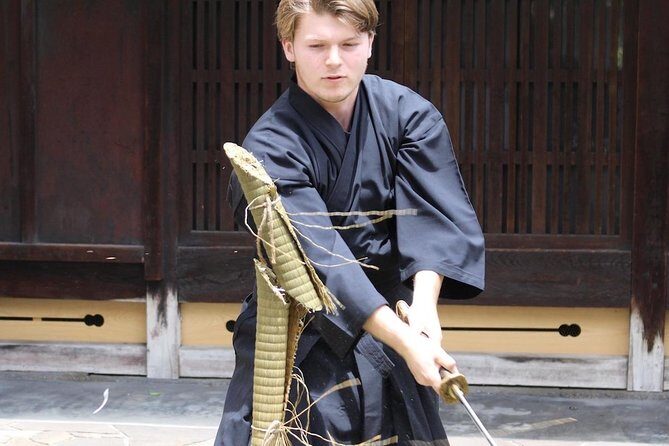
- Historic setting (samurai house): The setting does half the storytelling before you even pick up a sword.
- Hands-on sword basics: You train with a martial arts training sword, not just watch a performance.
- Bushido + Zen together: Philosophy first, calm down after; your brain and body get a full reset.
- Kimono try-on: Dressing the part helps you understand why samurai aesthetics mattered.
- Small group pacing: With a max of 14, you’re less likely to feel like a number.
Finding Waraku111 and Getting Oriented Fast
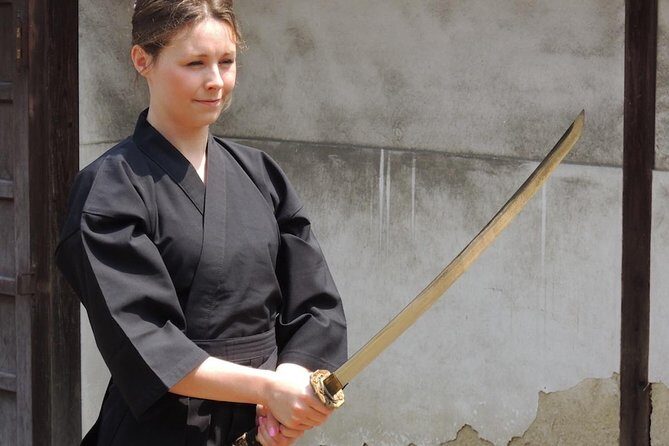
This experience starts at Kyoto Samurai Experience / Waraku111, in Nakagyo Ward (Inabachō, 604-8803). You’ll meet your guide and group right at the departure point, and the activity ends back there. That sounds simple, but it matters in Kyoto. Lots of cultural activities scatter you across neighborhoods and time slots. Here, you can show up, get settled quickly, and know where to return.
Also, the meeting point is near public transportation. If you’re planning a day that includes nearby temples or shopping streets, this helps you avoid a transport headache.
You can also read our reviews of more tours and experiences in Kyoto.



Practical tip
Give yourself a little buffer. Sessions run like classes, not museum drop-ins. Even if you’re close, Kyoto sidewalks can slow you down—especially if you’re weaving through crowds.
What Happens After You Put On the Kimono
The session isn’t just about sword swings. It starts with traditional dress—an outfit change into a kimono-style look that fits the samurai house setting. That early moment is more useful than it sounds. Clothing changes posture and movement, and it makes the rest of the class feel grounded in the culture you came for.
Once you’re dressed, the guide runs the structure of the session and sets expectations. You’re not dropped into the deep end. You’ll get explained, then you’ll do. That pacing shows up in the reviews too: people highlight how staff welcome you, explain how the class works, and keep the experience organized.
Why this part is valuable
Even if you only wear it for a short time, it shifts your mindset from tourist mode to participant mode. In a sword class, that matters. Your stance, your timing, and your focus all improve when you feel like you’re stepping into a role.
Bushido Talk: The Philosophy Before the Sword
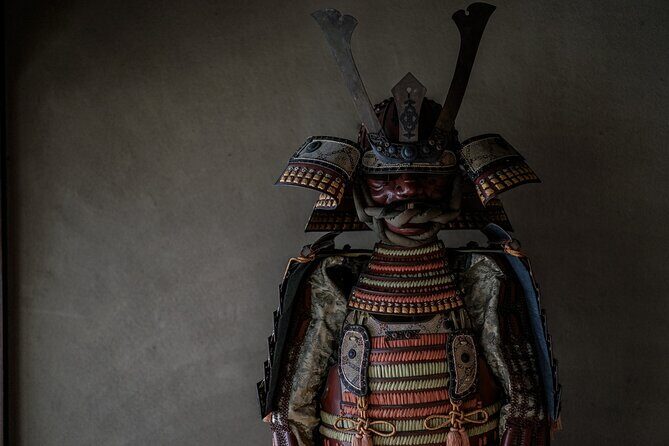
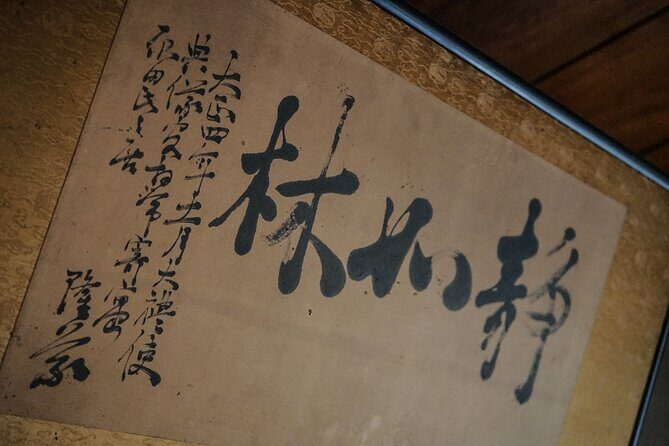
Next comes the culture piece: Bushido, the Way of the Warrior. You’ll hear what samurai life was about, including the philosophies tied to discipline, conduct, and how warriors approached training and self-control. You also learn about Zen meditation and why it fits the samurai worldview.
This isn’t presented like a lecture you’ll forget in ten minutes. The key is sequence. Philosophy first helps you understand why the physical movements are more than tricks. After you hear the ideas, you can connect them to what you’re practicing with the sword.





What to listen for
Pay attention to the tone of the instruction. In real martial arts, the point isn’t just speed or power. It’s form, intention, and restraint. If your mind is calm, your movements usually become cleaner without you forcing it.
Hands-On Swordsmanship Basics (with a Training Sword)
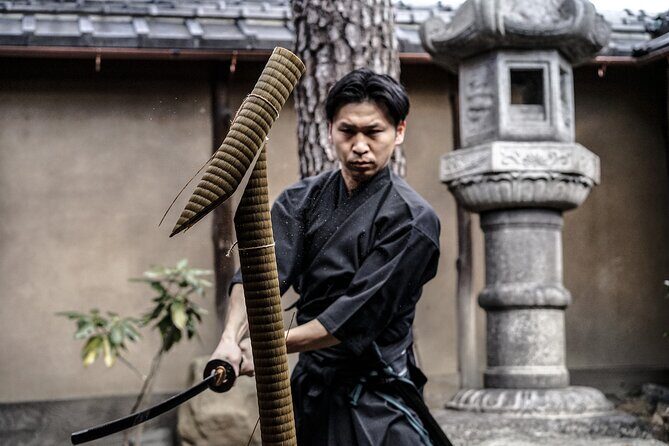
Here’s the core of the experience: swordsmanship basics under an expert sword instructor’s guidance. You handle a martial arts training sword—so you get the real feel of a weapon without turning it into a dangerous stunt.
You’ll practice technique step-by-step. Expect a guided approach to stance and basic handling. And because it’s small group size, you’re more likely to get adjustments instead of just moving through a script.
What you’ll notice fast
A katana is not like a prop sword you’ve held in movies. It has weight and balance. The motion is also about control rather than wild swings. Even if you’ve never done martial arts before, the training focus helps you start correctly.
Reviews frequently mention that instructors are patient and give clear direction. That combination—expert instruction plus supportive pacing—is what makes this feel like actual training rather than just a photo opportunity.
Zen Meditation Session: The Calm Part That Actually Sticks
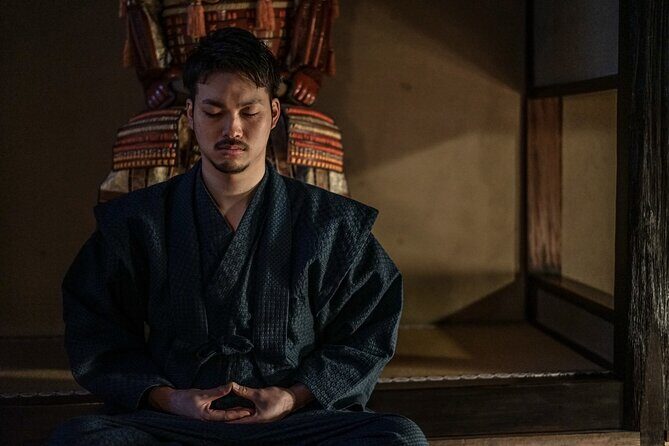
After the physical work, you get Zen meditation. This is one of those parts that can feel optional in many tour packages. Here, it feels like a deliberate reset.
Your body is warmed up from practice. Your mind has been focused on cues and form. The meditation portion helps you slow down and absorb what you just learned—especially the Bushido angle, where self-control and awareness are central.
A practical bonus: meditation also helps on travel days. After you sweat a little and focus hard, a quiet moment can make the rest of your Kyoto afternoon or evening feel easier.
Morning vs. Afternoon: Choosing the Right Time for Your Day
You can choose either a morning or afternoon session. That flexibility is great in Kyoto, where your schedule might revolve around temple crowds, meal timing, or weather.
- Morning option: Often feels best if you want to start with something cultural and active before the city heats up or crowds build.
- Afternoon option: Works well if you prefer a slower start and want this as a midday or late-day highlight.
One seasonal reality: Kyoto can be cold or hot. Reviews mention staff handling cold days with warmers and hot tea during an outdoor portion, and hot days with water, wet cloths, and electrolyte candies while people watch their turn. Translation: expect you’ll be taking some waiting breaks, so you’ll want to dress for the weather.
Small Group Size: Why Max 14 Matters
This tour caps at 14 travelers. That’s the difference between feeling like a class and feeling like a spectator line.
With fewer people, instructors can check your form more easily. It also improves the flow: you can try techniques without huge delays, and you can ask questions without waiting your turn for an hour.
And it changes the vibe. People describe the sessions as welcoming and not rushed, with a thoughtful pace. That lines up with what you should want from a hands-on activity: time to learn the basics properly.
The Location: Worth It Even If It Feels Out of the Way
Kyoto Samurai Experience / Waraku111 isn’t described as a spot you stumble across by accident. One review notes the location is not ideal and feels out of the way, but that it was still worth the travel.
Here’s how I’d think about it: if you’re already doing a Kyoto day built around central areas, you may have to plan a bit. But that trade can be worth it because the venue itself is part of the value—this isn’t just training in a studio.
If you hate commuting between sights, it might feel like a detour. If you’re happy to take one focused outing and make the rest of your day flexible, it’s a good use of time.
Price and Value: Is $119.38 a Smart Use of Your Kyoto Time?
At $119.38 per person for about 1 hour 45 minutes, this isn’t the cheapest activity in Kyoto. But it’s also not trying to be. The value comes from three things you rarely get together:
- Real cultural setting: A preserved samurai house adds atmosphere that you can’t replicate with a generic studio class.
- Hands-on instruction: You’re practicing sword basics with guidance, not just watching.
- Multiple layers of practice: Kimono try-on, Bushido context, sword work, and Zen meditation give you a complete experience in one block of time.
If you’re comparing it to other Kyoto “see and take pictures” tours, this holds up better because your body is part of the learning. You also leave with better context than a quick museum stop gives.
If you’re price-sensitive, the best strategy is simple: go in with clear expectations. This is a structured class. It’s not a theatrical show, and it’s not a long guided tour of multiple sites. For the people who want active learning and cultural immersion in a short window, the price often feels justified.
Who Should Book This Samurai Experience (and Who Might Pass)
This is a great fit if you:
- Want a hands-on activity in Kyoto, not just sightseeing
- Like the idea of combining Bushido + Zen with physical practice
- Travel with family or friends who enjoy doing something together (reviews highlight father-and-son bonding and family-friendly enjoyment)
- Prefer small groups and clearer guidance
Consider skipping or choosing a different style of experience if you:
- Don’t enjoy athletic activities or have difficulty with moderate physical movement
- Want a passive, sit-and-watch experience
- Are hoping for a long, guided walk through multiple samurai sites (this is focused on the house and the class)
What to Wear and Bring for a Smooth Session
You should wear comfortable clothes and appropriate footwear for an athletic activity. This matters because you’ll practice sword basics and likely move through stances that feel awkward in stiff or slippery shoes.
If it’s cold, dress for outdoor waiting. If it’s hot, bring breathable layers. Staff have been mentioned as providing comfort items like warmers and hot tea on cold days, or water and wet cloths on hot days, but you still shouldn’t rely on that alone.
Quick packing logic
- Wear closed-toe shoes you can move in
- Avoid heavy outer layers that block arm movement
- Bring a light layer if you get chilly easily during outdoor breaks
Final Verdict: Should You Book Kyoto Samurai Experience?
Book it if you want a short, memorable Kyoto outing where you actually do something: kimono try-on, Bushido context, sword basics, and Zen meditation in a small-group class inside a real samurai house.
Skip it if you’re looking for a purely scenic or museum-style experience. This is training-focused, so you’ll get the most satisfaction when you show up ready to participate.
If your Kyoto calendar has room for one high-impact activity, this is the kind of class that makes your trip feel personal instead of just crowded with photos.
FAQ
How long is the Kyoto Samurai Experience?
It lasts about 1 hour 45 minutes.
Is there more than one departure time?
Yes. You can choose either a morning or afternoon session.
What activities are included in the session?
The session includes kimono try-on, swordsmanship basics with a training sword, instruction on Bushido philosophies, and a Zen meditation session.
Is it a small group?
Yes. The tour/activity has a maximum of 14 travelers.
Where do I meet, and where does it end?
You meet at Kyoto Samurai Experience / Waraku111 in Nakagyo Ward, Kyoto, and the activity ends back at the meeting point.
What should I wear?
Wear comfortable clothes and appropriate footwear for an athletic activity.
Is there a physical fitness requirement?
Yes. Travelers should have a moderate physical fitness level.
Can children or minors join?
Minors must be accompanied by an adult.
What is the cancellation policy?
Free cancellation is available up to 24 hours in advance for a full refund. If you cancel less than 24 hours before the scheduled start, the amount paid will not be refunded.