REVIEW · KYOTO
Kyoto: 45-Minute Tea Ceremony Lesson Experience
Book on GetYourGuide →Operated by Tea Ceremony Koto · Bookable on GetYourGuide
Matcha turns a busy Kyoto day quiet. This 45-minute lesson at Tea Ceremony Koto brings you onto tatami for a real, rule-based tea ceremony led by a licensed Urasenke tea master.
What I like most is the hands-on part: you don’t just watch matcha get made. You learn the steps and the manners that go with them, with explanations that connect the ritual to flavor and spirit.
I also love the way the class is structured like Japanese beginners’ training. The host demonstrates ceremonial preparation first, then you make tea yourself, followed by traditional sweets you can actually enjoy as part of the experience—not as an afterthought.
One possible drawback: the whole thing is only 45 minutes, so the flow can feel a little fast, especially once you’re back on your feet and heading out.
In This Review
- Key Things That Make This Tea Ceremony Lesson Worth Your Time
- Kyoto Matcha Done the Serious Way (Without Making It Pretentious)
- Finding Tea Ceremony Koto Near Kinkakuji: Easy, but Show Up on Time
- The 45-Minute Flow on Tatami: Watch, Learn, Then Do It Yourself
- Matcha Masterclass: Two Teas, One Rule System, and Real Etiquette
- Traditional Sweets: The Small Break That Actually Makes the Tea Taste Better
- Photos, Kimono Add-On, and Nishijin Textiles: How to Make It a Keepsake
- Private vs Public vs Candlelight: Picking the Right Vibe
- Public Ceremony Option
- Private Ceremony Option
- Candle Light Ceremony Option
- Price and Value: Why $22 Can Feel Like a Steal
- Who This Tea Ceremony Lesson Is Perfect For
- FAQ
- FAQ
- How long is the Kyoto tea ceremony lesson?
- How much does it cost?
- What’s included in the experience?
- Is a kimono included?
- If I add kimono rental, when should I arrive?
- What should I bring or wear?
- Where do I meet the host?
- Is video recording allowed?
- Is the teacher English-speaking?
- Can I sit in a chair if I can’t sit on the floor?
- What are my ceremony options?
- Should You Book This Kyoto Tea Ceremony Lesson?
Key Things That Make This Tea Ceremony Lesson Worth Your Time
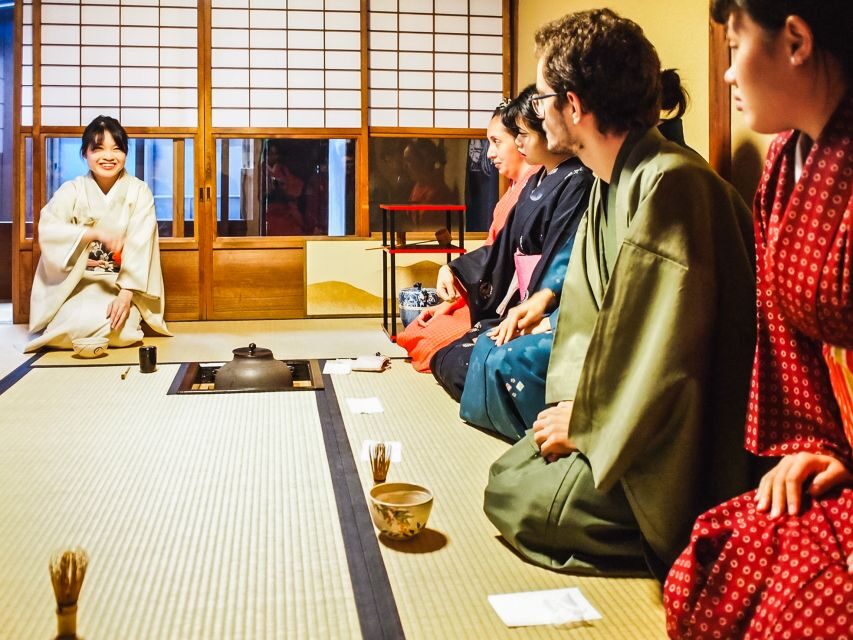
- Licensed Urasenke teacher: you’re learning from a mainstream Kyoto tradition, not a simplified performance
- Two different matcha flavors plus learning how each method changes taste
- You make the tea on the tatami, not just watch from the sidelines
- Sweets included to round out the tea tasting
- Optional kimono add-on with photo time and Nishijin textile examples nearby
- Candlelight session available for an after-sunset, old-Kyoto vibe
Kyoto Matcha Done the Serious Way (Without Making It Pretentious)
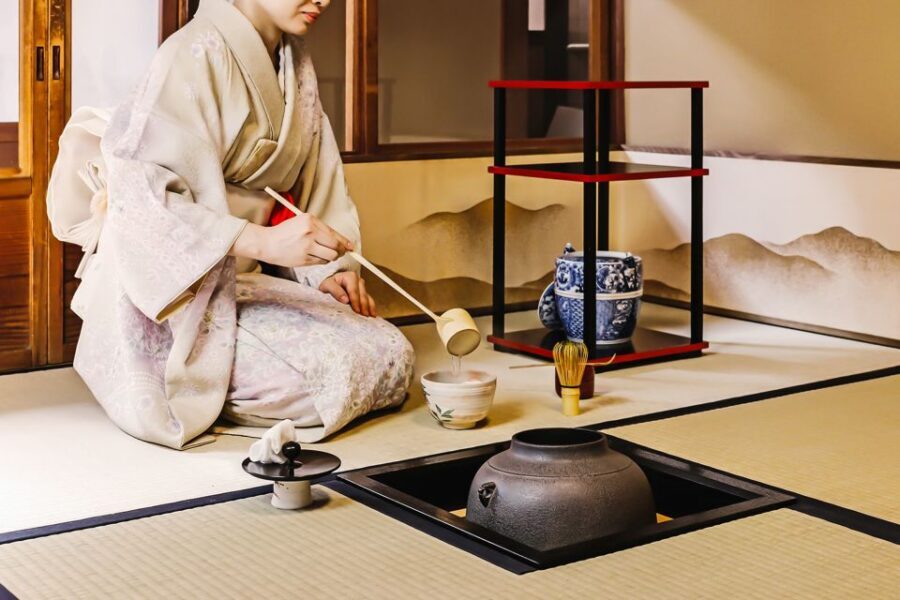
Kyoto has a way of making you slow down, even when your schedule is packed. This tea ceremony lesson leans into that. From the moment you sit on the tatami, it’s clear this isn’t about entertainment. It’s about learning how the ceremony works, why the gestures matter, and how the tea changes when you do things the right way.
The biggest value here is that you get a full ritual lesson for a short time. The experience is described as the full version of the thin tea ceremony rather than a shortened, tourist-only version. That matters because tea ceremony etiquette isn’t just cute choreography. It’s the difference between tasting a cup and simply drinking something green and bitter.
And yes, matcha can be a deal-breaker for some people—if you only know the supermarket powder that tastes harsh. One recent participant even said matcha wasn’t usually their thing, yet they liked this one because the quality and technique made it smoother. In other words, the lesson sets you up to taste matcha the way it’s meant to taste.
A few more Kyoto tours and experiences worth a look

Finding Tea Ceremony Koto Near Kinkakuji: Easy, but Show Up on Time
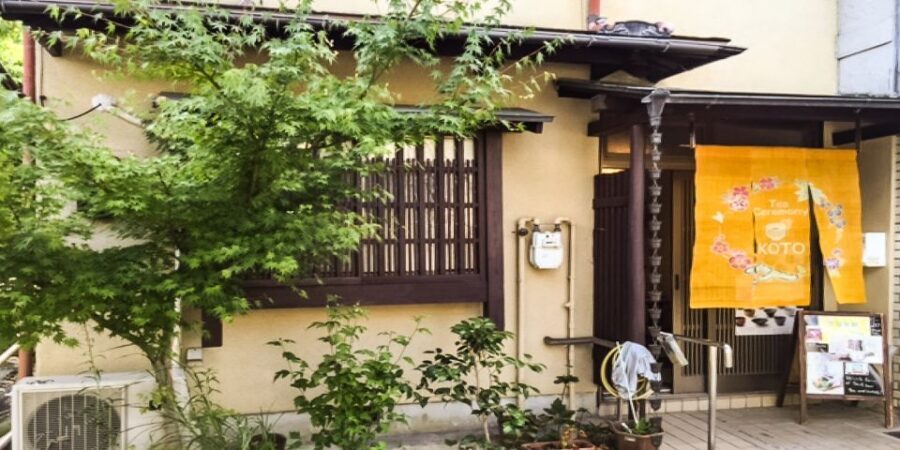
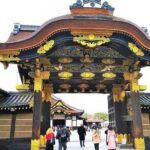
Logistics are straightforward, which is a lifesaver in Kyoto. The meeting point is right by the gate area for Kinkakuji-temple. You enter from the sliding door with the orange curtain on the building. If you’re visiting the Kinkakuji area by bicycle, keep an eye out for bicycle parking near the location.
From transit:
- You’re about a 1-minute walk from the Kinkakuji-Michi city bus stop
- About 10–15 minutes by Kyoto city bus 204 or 205 from Kitaoji subway station
- About 10–15 minutes by bus 204 or 205 from JR Enmachi
Why this matters: tea ceremonies start when they start. Even small delays can throw off the timing, because you’ll be guided step-by-step. The good news is that the hosts have a track record of making it work if you’re late by a bit—you don’t want to rely on that, but it’s reassuring.
One more practical note: there’s no dress code, so you can come in regular clothes. If you’re planning to add kimono rental, though, treat that like a separate appointment.
The 45-Minute Flow on Tatami: Watch, Learn, Then Do It Yourself
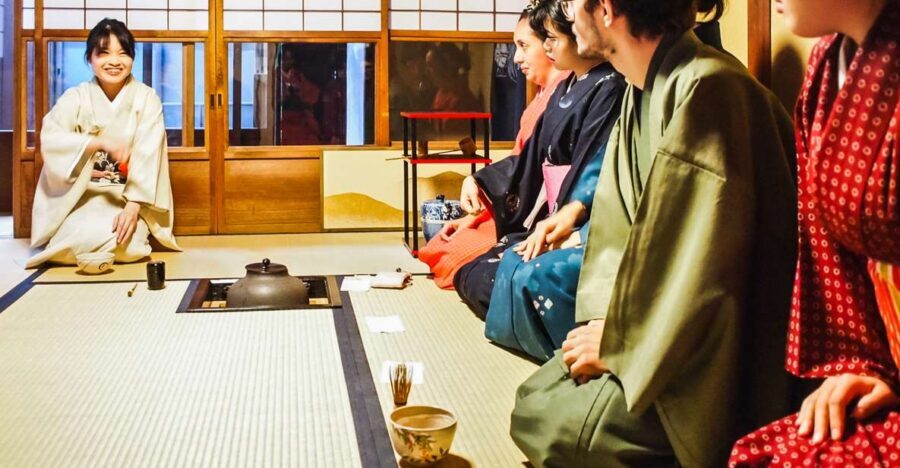
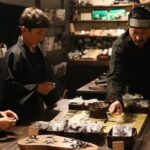
You’ll begin by being seated on the tatami floor mat. Expect a calm, formal setup. The host meets you and guides the class in a structured way, starting with ceremonial preparation of matcha (powdered green tea).
In the first stage, you watch the tea master carry out the preparation steps. This is where you start to understand why tea ceremony is so exact. The movements are consistent for a reason: they affect how matcha gets mixed and served, and that affects flavor.
Then you switch roles. You’ll have a chance to make tea yourself, while the host explains:
- the history and spirit role of the tea ceremony
- how each tea-making method affects its taste
- what you’re doing and why it matters
This isn’t just “stir and drink.” You learn the correct approach so the ceremony stays respectful and the tea comes out right.
Matcha Masterclass: Two Teas, One Rule System, and Real Etiquette
Here’s what I’d call the heart of the experience: you’re not learning random trivia about green tea. You’re learning the ceremony’s rule system, then applying it.
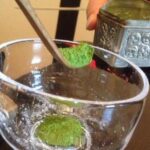
You’ll taste two flavors of Japanese green tea as part of the included experience. The exact flavor profiles aren’t listed, but the important part is that you get more than one cup. That gives you a chance to notice differences and connect them back to how the tea is prepared.
Participants also specifically praised the clarity of the explanations and the care taken with the steps. If you get a host like Joseph, you can expect easy-to-follow English support and a friendly, helpful pace. (Hosts aren’t always the same person, but the class style is consistently guided.)
Also, the tea ceremony rules include manners—how you handle the cup, how you respond during the ritual, and how you keep your attention on what’s happening. It’s quiet, respectful, and a bit different from other “do this activity, take a photo, move on” experiences.
Quick humor you should take seriously: if you think you’ll be fine sitting on the floor, you might want to test that assumption before you commit. If you might have difficulty, tell the supplier and you can get chairs instead.
Traditional Sweets: The Small Break That Actually Makes the Tea Taste Better
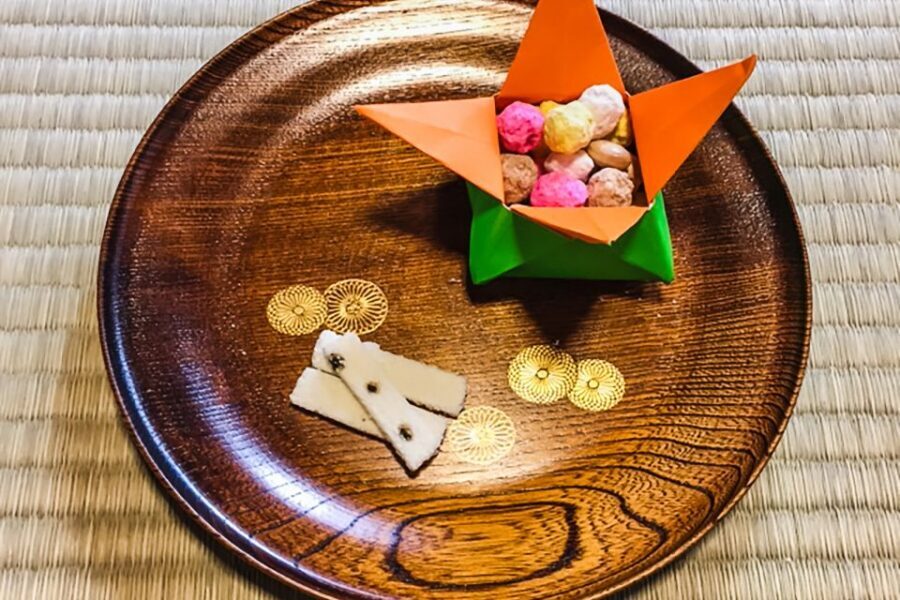
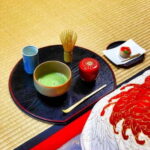
You don’t just drink matcha and call it done. You’ll savor traditional Japanese sweets after the tea-making portion.
This is one of those details that sounds minor until you experience it. Sweets are part of the balance—sweetness and texture help you appreciate the tea without steamrolling your taste buds. It also gives your body a moment to settle after doing something physical and careful with your hands.
Some participants mentioned the sweets were really tasty, which makes sense. They’re chosen to complement the tea, not distract from it. If you’re usually not sure what to do with Japanese snacks, this part gives you a clear place in the ritual to enjoy them.

Photos, Kimono Add-On, and Nishijin Textiles: How to Make It a Keepsake
When the ceremony finishes, you’ll have time for photos and a chance to see examples of kimonos and woven textiles made in the Nishijin district of Kyoto.
If you want the full “Kyoto memory” effect, you can add kimono rental. It’s optional, and it’s not included in the base price. If you book the kimono add-on, plan to arrive 20 minutes early. It’s not “show up when you feel like it.” Kimono dressing needs time, and the provider notes that it’s difficult to add at the last second.
What makes the kimono add-on feel worth it: it’s not treated like a quick costume change. One participant described that the host guided them and helped them wear it correctly, and another said the photo time and the overall experience felt high quality.
Also note: video recording isn’t allowed. Photos are part of the experience, but keeping your phone used for photos only makes it smoother for everyone.
Private vs Public vs Candlelight: Picking the Right Vibe
Tea Ceremony Koto offers three session styles, and choosing matters because the atmosphere is different.
Public Ceremony Option
This is a small group format. It’s sociable in the sense that you learn alongside other people, like Japanese beginners do. If you want cultural conversation in a calm setting, this is a good fit.
Private Ceremony Option
This is just for your group. You get close attention from the tea master and the chance to move at your own pace. If you’re a couple, a family, or someone who gets distracted easily in group settings, private mode helps you stay focused.
Candle Light Ceremony Option
This one happens by traditional candlelight. It recreates a peaceful ambiance of old Kyoto after sunset. If you want an atmospheric, quieter evening experience and you’re already planning to be in the Kinkakuji area at night, this is the session that feels most special.
One practical point: after your ceremony, calling a taxi isn’t easy because taxi companies won’t connect immediately. There’s a large taxi stand in front, and it usually opens around 5:30 PM. For late sessions, that timing matters.
Price and Value: Why $22 Can Feel Like a Steal
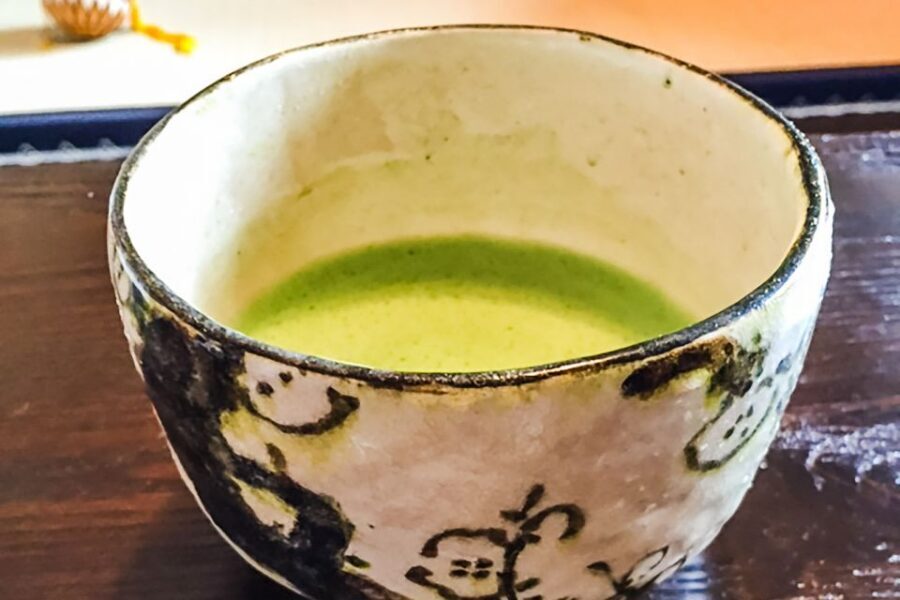
At $22 per person for 45 minutes, this is priced on the budget-friendly side for a tea ceremony experience led by a tea master. You’re getting several things together:
- learning from a licensed Urasenke teacher
- hands-on matcha making
- two flavors of Japanese green tea
- traditional sweets included
- photo time plus kimono and Nishijin textile examples (kimono is extra)
The value isn’t only the price. It’s the structure. You leave with knowledge you can reuse at home: the basic approach to matcha preparation, the manners, and what to pay attention to when tasting.
Is it a long, multi-course cultural evening? No. It’s focused and time-boxed. If you want a slow, lingering tea lounge night, you may crave more time than 45 minutes provides. But for most people, it’s a smart “best of Kyoto tradition in a short window” choice—especially when you’re also trying to fit in Kinkakuji and other sights.
Who This Tea Ceremony Lesson Is Perfect For
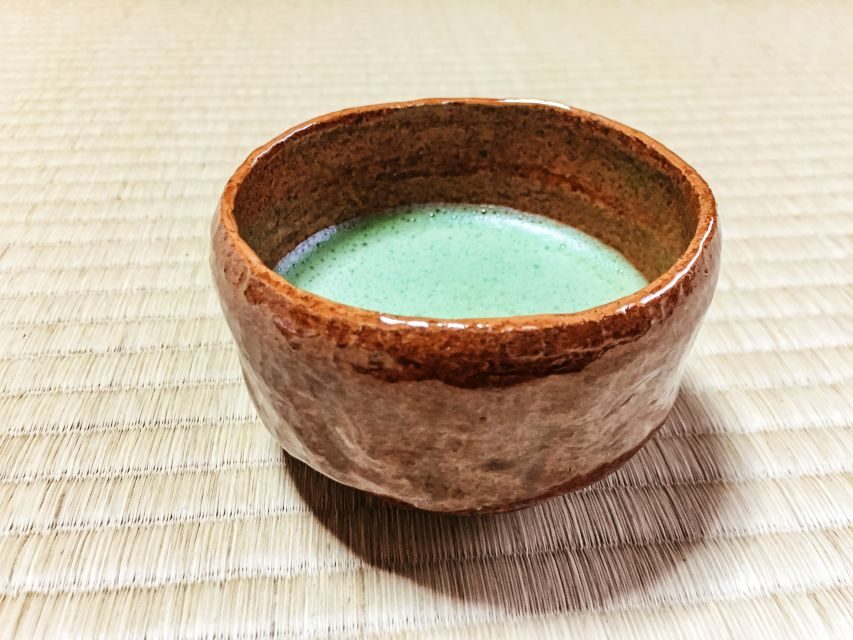
You’ll probably love this if:
- you want authentic Kyoto cultural practice, not a performance
- you care about doing things correctly (manners and steps)
- you like hands-on activities where you can compare the tea you make to the tea you taste
- you’d enjoy a calm, respectful atmosphere
You might not love it if:
- you need lots of social chaos or loud entertainment
- you expect a long experience with time to wander around the tea room and ask endless questions
If you have a bad knee for kneeling, don’t panic. You can request chairs if you might have difficulty sitting on the floor.
FAQ
FAQ
How long is the Kyoto tea ceremony lesson?
It lasts 45 minutes.
How much does it cost?
The price is $22 per person.
What’s included in the experience?
You get two flavors of Japanese green tea and traditional Japanese sweets.
Is a kimono included?
No. Kimono can be selected as an add-on during booking.
If I add kimono rental, when should I arrive?
You need to arrive 20 minutes early.
What should I bring or wear?
There is no dress code for the activity.
Where do I meet the host?
Enter from the sliding door with the orange curtain at the building near the gate of Kinkakuji-temple.
Is video recording allowed?
No, video recording is not allowed.
Is the teacher English-speaking?
Yes. The instructor offers English and Japanese.
Can I sit in a chair if I can’t sit on the floor?
If you might have difficulty sitting on the floor, inform the supplier and chairs can be provided.
What are my ceremony options?
You can choose private, public (small group), or candlelight ceremony options.
Should You Book This Kyoto Tea Ceremony Lesson?
If your goal is to experience Kyoto tea culture the real way—rules, manners, and actually making the tea—then yes, book it. The $22 price works because the session is tightly organized: you watch, you practice, you taste two matcha styles, and you leave with something you understand, not just photos.
Pick private if you want quiet and focus. Pick candlelight if you want the most atmospheric session after sunset near Kinkakuji. And if you’re adding kimono, plan your timing carefully and get there early so you’re not rushing your dressing.