REVIEW · NAGANO
1-Day Tour from Matsumoto: Walk the Nakasendo Trail
Book on Viator →Operated by Snow Monkey Resorts Tours (Machinovate Japan Ltd.) · Bookable on Viator
A walk on the Nakasendo feels like time travel. You’ll cover the old road between Tsumago-juku and Magome-juku with an English-speaking guide, plus a cultural start that helps you understand who used this route and why.
I like that you don’t just pass through historic areas—you get to hear the story as you go, and you even get chances to enter older buildings that match what the guide is explaining.
One consideration: this is a long day (about 9 hours total) and you’ll need moderate fitness, including some stairs and a full stretch of walking.
In This Review
- Quick hits for this Matsumoto Nakasendo walk
- Tsumago-juku Post Town Start: From the Post Office to Old-Life Details
- Entering the Nakasendo: Why the 8km “Halfway” Stretch Matters
- Magome-juku Arrival: Steep Streets, Big Views, and Shopping Time
- The Guide Makes It Click: English Storytelling + Hiking Energy
- Transportation and the 8-Hour-55-Minute Reality Check
- Price and Value: What You’re Really Paying For
- What to Bring for a Comfortable Nakasendo Day
- Who This Tour Suits Best (and Who Might Want a Different Plan)
- Should You Book This Matsumoto Nakasendo Trail Tour?
- FAQ
- How long is the tour?
- Where does the walk start?
- How far do you hike on the Nakasendo Trail?
- How much time do you spend in Magome-juku?
- Is lunch included?
- Is transportation included?
- Do you need moderate physical fitness?
- Is the guide English speaking?
- What’s the group size limit?
- What if the weather is bad?
Quick hits for this Matsumoto Nakasendo walk
- Tsumago-juku orientation first: A guided start at the post town that explains the old Tokyo (Edo) to Kyoto road connection.
- 8km of real trail time: You’ll hike about 8km between post towns, not a short stroll.
- Waterfalls, hamlets, and nature checks: Along the way you’ll pass roaring waterfalls and quiet hamlets, with chances to spot wildlife and wildflowers.
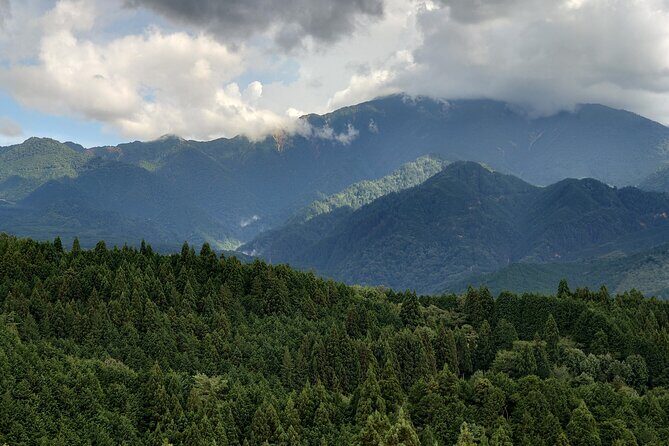
- Magome-juku’s steep feel: Expect a very vertical village on a steep hill, plus far views and time for shopping.
- Small group pace: Max 20 people, with transport handled by the tour so you can focus on the walking.
Tsumago-juku Post Town Start: From the Post Office to Old-Life Details
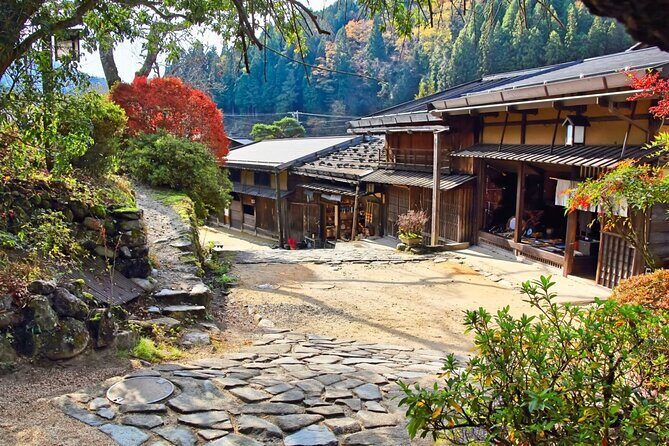
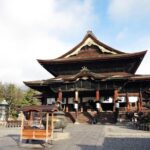
Your day really begins when you step off the bus at Tsumago-juku Post Town, specifically at the Tsumago Post Office area. This is where the guide sets context: back when this road connected Tokyo (then called Edo) and Kyoto, post towns like this were key stepping stones for travelers.
What I like here is that it’s not just photo time. The guide walks you through what kinds of people used the route, where they were headed, and what daily life looked like for travelers and locals. If you enjoy history that has legs—history you can walk alongside—that framing makes everything else feel more meaningful.
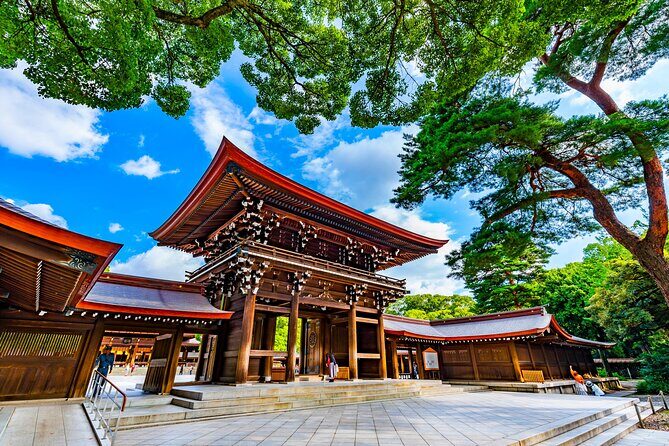
You also get chances to enter older buildings, including an old inn and a horse-stable. Those are the kinds of spaces that help you picture how the road actually supported movement of people and goods. Even if you’re not a museum person, you’ll probably find these stops click with what the guide is saying.
A practical note: this first stop lasts about an hour. It’s enough time to get oriented without dragging, but you’ll want to be ready to walk from the start with comfortable shoes.
You can also read our reviews of more walking tours in Nagano

Entering the Nakasendo: Why the 8km “Halfway” Stretch Matters
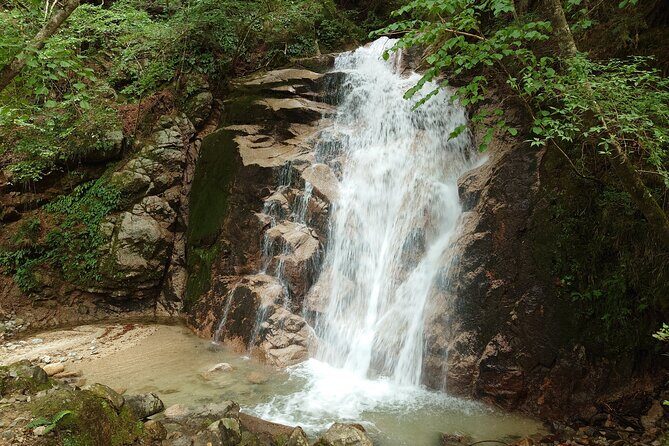
After Tsumago-juku, you start the Nakasendo Trail trek. The distance is about 8km total, and this is the heart of the experience. The guide leads you along the route that was once one of Japan’s main travel avenues, so the walk feels purposeful rather than random wandering.
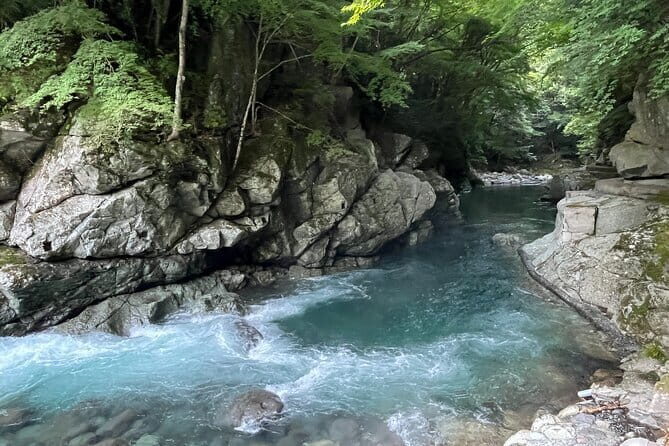
I like that you get “trail flavor” during the hike: roaring waterfalls, quiet hamlets, and stretches where you can keep your eyes open for wildlife and wildflowers. This is the part where the day changes from post-town streets into an outdoor corridor where the pace feels more human and less sightseeing-bus-like.
You’ll be out there for about 3 hours at the halfway point stop area. That timing matters because it usually gives you time to slow down, regroup, and actually experience the outdoors instead of racing to the next photo.
If you’re the type who enjoys a steady rhythm, this segment works well. The guide keeps the story going, but you still get to do the thing you came for: walking a real old-road trail.
The one reality check: 8km with Japanese-style terrain and some stairs means you’ll want legs that can handle a long effort. Bring good grip shoes and don’t plan on doing much extra sightseeing the same evening.
Magome-juku Arrival: Steep Streets, Big Views, and Shopping Time
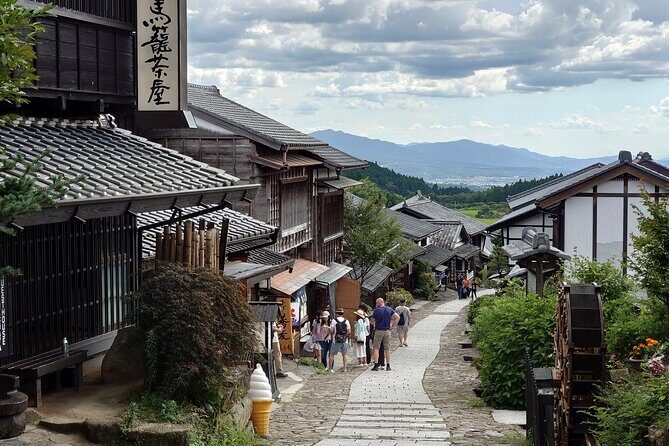
Once you finish the trek, you arrive at Magome-juku, the other post town on the Nakasendo. Compared with Tsumago-juku, Magome-juku feels more vertical and steep, because it’s set up on a steep hill. You’ll also get far-off views of fields and mountains as you descend through the town area.
This is a great stop if you like contrast. The trail portion gives you nature and old-road atmosphere, and then Magome-juku gives you the “town living” side again. You’ll get about 30 minutes here, including time for shopping.
That shopping window is short, so I’d treat it like a browse-and-pick moment. If you’re thinking of gifts, snacks, or small souvenirs, having a plan helps. It’s also one of those times when you’ll probably want to look around for that steep-street feel from a few angles, not just one quick look.
One small drawback of the short visit: if you fall in love with a shop or want a longer explore, you may feel slightly rushed. That said, the tight timing helps keep the whole day manageable and avoids turning the experience into a sprint.
The Guide Makes It Click: English Storytelling + Hiking Energy
This tour includes an English-speaking guide, and that matters more than people expect. Without a guide, you can certainly walk the route, but you’d miss the “why this mattered” parts—who traveled, where they went, and how places like post towns supported journeys.
One detail I found especially encouraging from past experience reports: the guide can bring real hiking credibility. Kevin is specifically mentioned as someone who knows the history and is an avid hiker in Japan. That kind of experience tends to show in pacing and how smoothly the group moves.
So when you see waterfalls, quiet hamlets, and those steep streets in Magome-juku, you’re not just checking boxes. You’re connecting what you see to what the guide has explained about travel life on this route.
This also explains why the tour works even if you’re not an all-day-history fan. You still get outdoors time, but the guide gives it a clear story thread.
Transportation and the 8-Hour-55-Minute Reality Check
The total duration is listed at about 8 hours 55 minutes, and travel time is included. The tour uses a dedicated vehicle for transport to and from all locations, which is a big value point if you don’t want to wrestle with getting to trail start points and back.
Pickup is offered, which helps a lot if you’re staying in the Matsumoto area and don’t want to time public transit. The tour also uses a mobile ticket, which is convenient for people who hate paper tickets.
A small-group cap helps, too: maximum 20 travelers. That usually keeps the walking experience from turning into an endless line, and it makes it easier for the guide to manage the group pace, especially with steps and uneven terrain.
The only thing to plan around is that you’re committing to nearly a full day. If you’re also trying to fit in dinner reservations, another tour, or a train ride that requires zero buffer, you’ll want to keep your schedule realistic.
A few more Nagano tours and experiences worth a look


Price and Value: What You’re Really Paying For
At $211.37 per person, this isn’t a “cheap and cheerful” outing. But it’s also not overpriced for what you’re getting, especially if you treat this as a guided, transport-included day rather than a self-guided hike.
Here’s what the price covers:
- A dedicated tour vehicle for transportation to and from locations
- An English-speaking guide for cultural explanations and on-route leadership
- Structured time at Tsumago-juku, the Nakasendo walking segment, and Magome-juku
Also important: the tour lists admission tickets for the main stops as free. That means your money is mainly paying for logistics and the guide, not for museum entry fees.
What isn’t included:
- Lunch. You’ll need to plan for that yourself, either by eating before you start, packing something, or finding food options near the areas you pass through.
If you were doing this on your own, you’d still need transport, route planning, and ideally some way to understand what you’re seeing. This tour packages those pieces together, which can be worth a lot when you have limited time in the region.
What to Bring for a Comfortable Nakasendo Day
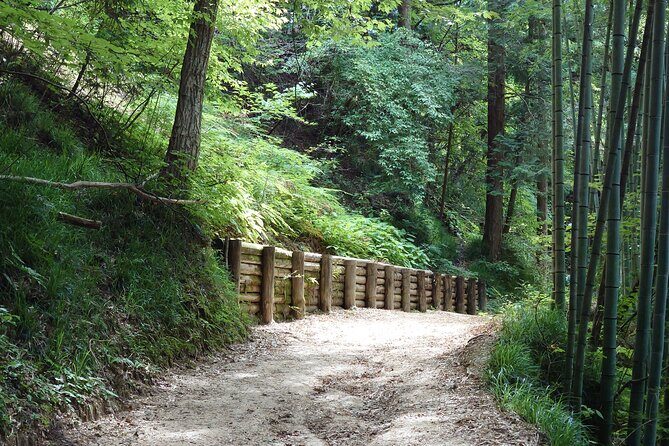
The tour recommends moderate physical fitness. Reviews also point out stairs, so I’d treat the day like a hike plus a walk through steep old-town terrain.
I’d pack smart for comfort:
- Walking shoes with grip (some stairs and uneven surfaces are expected)
- A light layer system for changing weather since you’ll be outside for hours
- A small snack or drink plan, since lunch isn’t included
- Sunscreen or a cap if the day is clear, especially during exposed trail segments
One more big factor: the experience depends on good weather. If it’s canceled due to poor weather, you’ll either be offered another date or a full refund. That’s a big reason to have flexible plans around the day you choose.
Who This Tour Suits Best (and Who Might Want a Different Plan)
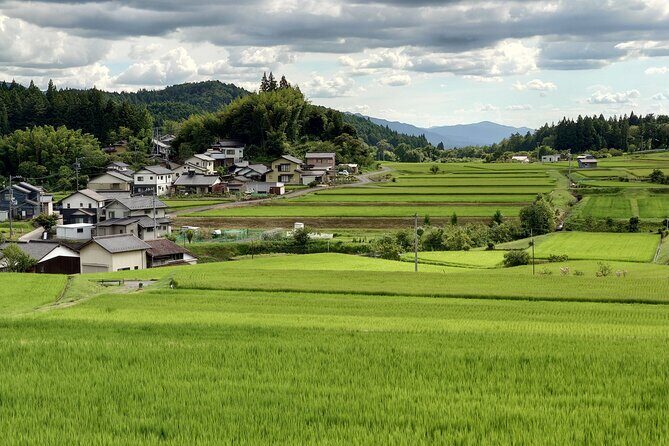
This is a great fit if you want the Nakasendo experience with structure. If you’re in Matsumoto and you’d rather have the transport handled, a guide to connect the scenery to travel life, and a clear route with timing, this works well.
You’ll probably enjoy it most if you:
- Like walking more than sitting in a van
- Want cultural context while you’re outside
- Can handle a full day and around 8km of hiking
- Prefer small-group pacing instead of large crowds
It may be less ideal if you’re looking for something short and easy, or if a steep day with stairs would be stressful. Also, if you hate hiking-style terrain, the Magome steep streets could feel like a lot.
Should You Book This Matsumoto Nakasendo Trail Tour?
I think you should book it if you want an efficient, guided way to experience two classic post towns and the old-road hike between them. Paying for the vehicle, English guide, and the organized timing can make the day feel smooth, even though you’re still getting real trail time.
Choose this tour when you’re excited by the combination: post-town culture + a long walk + nature breaks like waterfalls and quiet hamlets. And if you want to do the route without planning transport or trying to read the story alone, the guide component is the big reason this feels worth it.
Skip it if your day can’t handle moderate walking, or if you absolutely need lunch included and a slower pace. In that case, a different format—or a more flexible self-guided approach—might fit better.
FAQ
How long is the tour?
The total duration is about 8 hours 55 minutes, including travel time.
Where does the walk start?
The experience starts in Tsumago-juku at the Tsumago Post Office area.
How far do you hike on the Nakasendo Trail?
You’ll trek about 8km between Tsumago-juku and Magome-juku.
How much time do you spend in Magome-juku?
You’ll have about 30 minutes in Magome-juku, including time for shopping.
Is lunch included?
No. Lunch is not included.
Is transportation included?
Yes. The tour includes transport to and from all locations in a dedicated tour vehicle, and pickup is offered.
Do you need moderate physical fitness?
Yes. The tour is intended for travelers with moderate physical fitness. You should expect stairs.
Is the guide English speaking?
Yes. An English-speaking guide is included.
What’s the group size limit?
The tour has a maximum of 20 travelers.
What if the weather is bad?
The experience requires good weather. If it’s canceled due to poor weather, you’ll be offered a different date or a full refund.