REVIEW · NAGANO
(Spring Only) 1-Day Snow Walls of Tateyama-Kurobe Alpine Route Tour
Book on Viator →Operated by Snow Monkey Resorts Tours (Machinovate Japan Ltd.) · Bookable on Viator
If you like scenery with zero patience for the ordinary, this one works. The Tateyama–Kurobe Alpine Route gives you Snow Walls in spring and a real sense of how mountains run your day, not the other way around. I especially like the small-group feel and the way the trip handles transportation leg by leg, plus the guide adds context as you go. One thing to plan for: it can be crowded at the Snow Walls, so you’ll want the right shoes and a calm mindset.
I also like that the route is built for a full day, with enough time on the mountain sections to actually see things and not just rush past photos. And yes, the big moment is the Snow Walls corridor, but you also get a major engineering stop that most day trips skip: Kurobe Dam. If the weather turns or routes close, the tour can be cancelled for a full refund, so keep your schedule flexible.
Finally, the day is designed around a practical rhythm: early departure from Nagano Station, rail to Ogisawa Station, then mountain transport up and down with your guide. Reviews highlight guides by name—like Endo, Keiran, Marie, and Peter—so you can expect more than basic pointing and timekeeping.
In This Review
- Key Things I’d Put on Your Must-Know List
- Why the Tateyama-Kurobe Alpine Route Is a Spring-Only Bucket List
- Getting There From Nagano: The Rail Part That Saves Your Energy
- The Uphill Flow: Switching Mountain Transport to Reach the Snow Corridor
- Kurobe Dam: The Engineering Stop That Makes the Day Feel Real
- Snow Walls in Real Life: Crowds, Timing, and How to Enjoy Them
- Timing and Group Size: What 10 Hours Really Means for You
- What’s Included, What Isn’t, and the Value of Paying for It
- What to Pack: Cold-Weather Basics You’ll Be Happy You Brought
- Should You Book This Snow Walls Day Trip?
- FAQ
- What time does the tour start in Nagano?
- How long is the tour?
- Does the price include the round-trip train ticket?
- Is lunch included?
- Do I need a Shinkansen to get to Nagano?
- Is there an English-speaking guide?
- What should I wear for the snow and cold?
- What happens if weather causes closures?
- How big is the group?
- What if I need to cancel?
Key Things I’d Put on Your Must-Know List
- Snow Walls are spring-only: plan your visit for the season when the corridor is open
- Kurobe Dam is a real stop: you’ll take in a huge engineering landmark, not just views
- One-day logistics, handled: you get rail between Nagano and Ogisawa, plus guided mountain segments
- Small group feel: the experience runs with a tight maximum per group, even if the overall cap is higher
- Cold-weather and glare prep matters: snow walking and sunlight reflection are part of the deal
Why the Tateyama-Kurobe Alpine Route Is a Spring-Only Bucket List
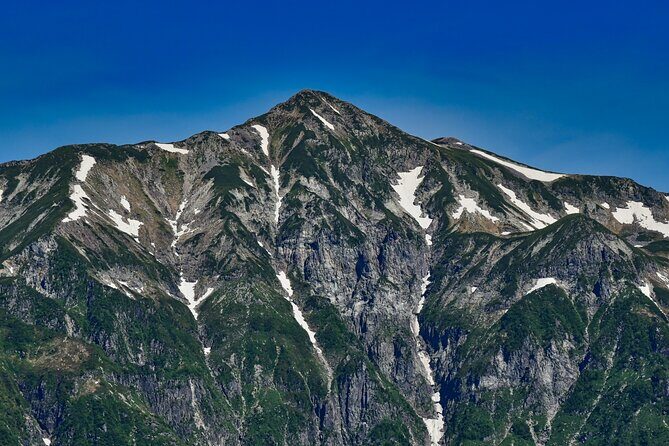
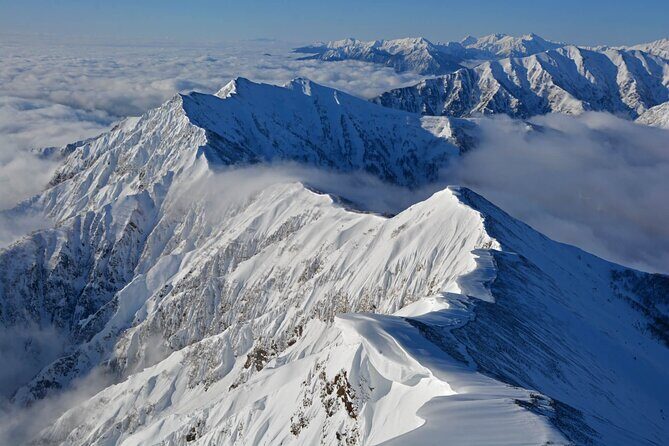
The Tateyama–Kurobe Alpine Route is one of Japan’s most famous mountain “seasonal machines.” In winter it’s a different world; in late spring it turns into a walkable, ride-between-views experience where the Snow Walls become the headline.
What makes this day trip so special is the mix of expectations. You’re not just riding to one viewpoint. You’ll spend the day moving through a chain of mountain transport and stop points, then return the same way—so the day feels like a route, not a check-the-box outing.
And the Snow Walls aren’t just pretty. They’re a reminder of scale. You’re surrounded by winter’s leftover power, and you feel it the moment you step into the corridor. The views above the walls are the payoff: wide, dramatic, and very hard to recreate with a phone screenshot.
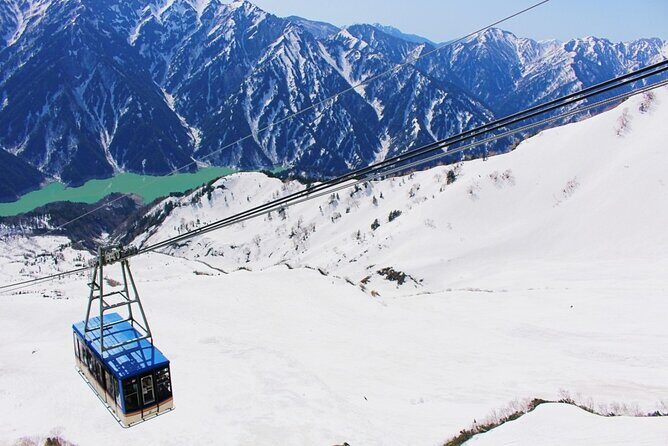
The practical part: this is also not the place for flimsy footwear or shorts-and-sneakers optimism. The tour notes temperatures can go below 0°C, and you’ll walk through snow and cold.
A few more Nagano tours and experiences worth a look



Getting There From Nagano: The Rail Part That Saves Your Energy
You start at Nagano Station (meeting point listed at Kurita, Nagano), with a departure time of 8:15am. The good news is the tour includes the round-trip rail ticket from Nagano to Ogisawa Station, which handles one of the hardest parts of DIY planning.
Once you’re on track, the rest of the day becomes more manageable: the guide keeps the schedule moving and you don’t have to decode train connections while trying to stay warm. This matters because the Alpine Route depends on timing and transport wait periods.
Also, you’ll be using a mobile ticket. If your phone battery is fragile, bring a charger or a backup plan. Cold days punish low battery fast.
The Uphill Flow: Switching Mountain Transport to Reach the Snow Corridor
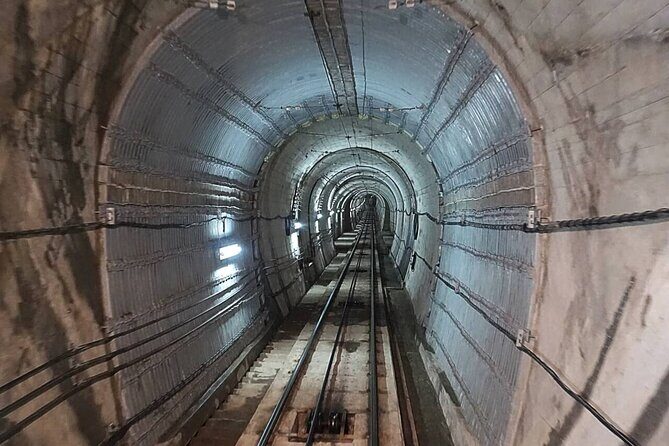
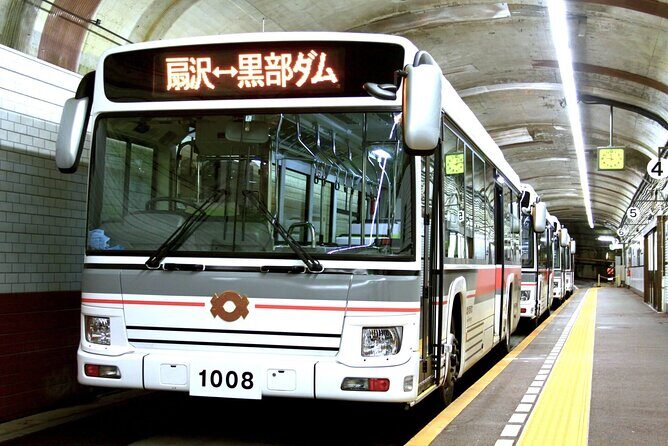
The heart of the experience is the “Roof of Japan” vibe—reached by a series of different mountain transports, available only in spring and early summer. The exact vehicles can vary by operational timing, but the pattern is consistent: you move in segments, pause for key moments, then ride or transfer again.
That structure is one of the best values in a guided day trip. It reduces stress. Instead of researching which leg is running, you follow the guide’s instructions and hop onto the next connection when it’s time.
You’ll also notice how the day is paced around two things:
- time needed for rides and transfers
- time needed to walk and take in views
One of the most praised parts is that the rides and walking times feel adequate, not skimpy. That’s a big deal here, because waiting times can build on mountain routes. Having a guide helps you use the time you do have—like moving to better spots for views without losing your group.
Kurobe Dam: The Engineering Stop That Makes the Day Feel Real
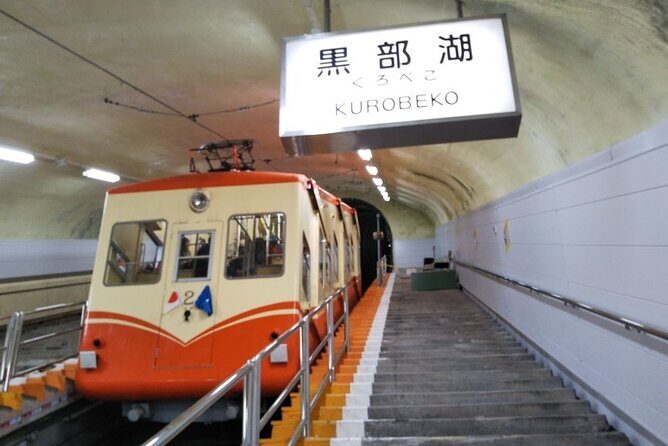
Yes, you’re here for the Snow Walls. But the day has a strong second peak: Kurobe Dam, described as an immense engineering feat and a source of national pride.
Why I like this stop so much: it balances the emotional pull of scenery with something you can respect on a different level. Snow walls are awe-through-nature. The dam is awe-through-human effort.
Even if you’re not an engineering person, the scale lands. Standing near something this big makes you understand why this region’s access and construction matters. It’s not just a roadside photo moment; it adds meaning to why people build infrastructure in hard places.
Plus, it breaks up the day. You get a visual and mental change of pace between mountain corridor time and dam time, which helps you stay energized for the return.
Snow Walls in Real Life: Crowds, Timing, and How to Enjoy Them
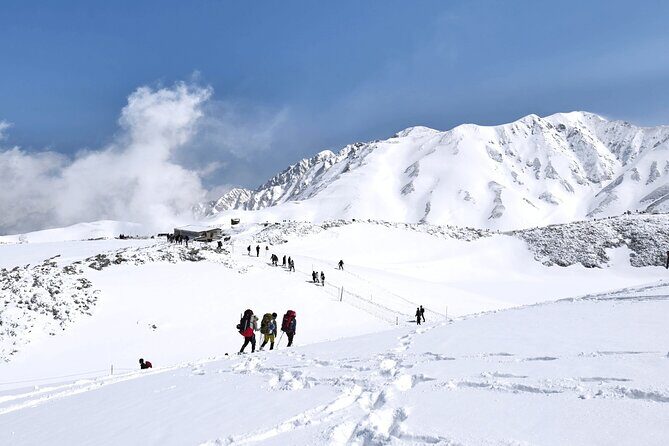
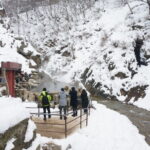
Tateyama’s Snow Walls can be busy. That’s not a complaint—it’s just reality. The best strategy is to accept that the corridor is popular and shift your focus from fighting crowds to making smart choices.
Here are practical ways to improve your experience based on what the tour emphasizes and what guides tend to do well:
- Arrive ready with warm layers. You’re outside in snow and cold, and you’ll spend time waiting between transport legs.
- Use sunglasses. The tour specifically calls out glare from snow plus sun. If you’ve ever wondered why your eyes feel tired in snowy places, this is why.
- Wear proper shoes for walking through snow. The tour strongly suggests suitable footwear, and snowboots or good walking boots if you plan to step onto snowfields.
One review insight that fits the vibe: guides often point you toward where to head for the best viewing angles. If your guide offers those tips, take them early. With crowds, the first good decision usually beats the second one.
Also, if weather is clear, the view can feel extra dramatic. One review notes sunny conditions and recommends coming early in the season to see the walls at their highest. If you have schedule flexibility, earlier spring timing can pay off.
A few more Nagano tours and experiences worth a look

Timing and Group Size: What 10 Hours Really Means for You
This tour runs about 10 hours. You start at 8:15am, and the day returns back to the meeting point. They also note the end time can vary, and you should expect the tour to finish no later than 19:00.
Why that matters: the Alpine Route is weather- and traffic-dependent. The schedule is adjusted according to transport conditions and the pace of the group. In other words, you’re not controlling the mountain. You’re working with it.
The group is kept small—maximum 15 passengers in the small-group format, which helps the experience feel personal. There’s also an overall maximum of 40 travelers for the activity, so you’ll likely still feel organized rather than chaotic.
If you prefer day trips where someone checks in with you, handles transitions, and keeps the pace realistic, this is the right style.
What’s Included, What Isn’t, and the Value of Paying for It
At $254.36 per person, this day trip isn’t a bargain in the “cheap ticket” sense. But it’s also not just a bus ride. You’re paying for the parts that are most painful to DIY:
Included:
- Transportation to and from listed destinations
- An English-speaking guide
- Tateyama–Kurobe Alpine Route return ticket to/from Ogisawa
Not included:
- Lunch and snacks/drinks
- Shinkansen tickets to and from Nagano (if you’re coming from elsewhere)
- Accommodation
Here’s how I’d think about value: if you’re going to Nagano anyway, the included Nagano-to-Ogisawa rail ticket plus guided transfers can be worth it because it removes several layers of planning. And the guide isn’t optional flavor—reviews repeatedly highlight organized timing and useful spotting advice.
The one value debate is food. The tour does not include lunch, and you’ll buy food at different mountain stations with restaurants at the summit area. One review even suggests lunch should be included. I agree it would be convenient, but the upside is you can choose what you actually want from the options available that day.
If you eat light, or you don’t mind buying lunch up there, this is manageable. If you hate surprise meals mid-day, plan ahead with snacks.
What to Pack: Cold-Weather Basics You’ll Be Happy You Brought
The tour is upfront: wear suitable shoes for walking in snow and cold, with temperatures possible below 0°C. It also recommends sunglasses for glare.
My packing checklist for a day like this is simple:
- Warm layers you can move in (you’ll be outside, and you’ll likely warm up during transport)
- Boots or strong walking shoes built for snow
- Sunglasses plus something to protect your face from wind
- A plan to keep your phone alive for the mobile ticket
If you tend to get cold easily, bring an extra layer even on mild-looking mornings. Mountain weather changes faster than your intuition.
Also, keep expectations realistic. This is an outdoor route with walking and waits. You don’t need athletic gear, but you do need comfort and grip.
Should You Book This Snow Walls Day Trip?
Book it if you want the Snow Walls of Tateyama plus Kurobe Dam in one guided day, without turning your vacation into a spreadsheet. It’s especially good if you like structure: start time, rail ticket included, guide handling transfers, and a small-group feel.
Skip it if you’re the type who can’t handle cold or if you hate the idea of crowds in a narrow corridor. Also think twice if you rely on included meals—this one expects you to buy lunch along the route.
One final reason to feel confident: the tour is consistently rated high for organization, guide knowledge, and enough time at each stage to actually enjoy the ride and the walking. In a day trip where delays can happen, that kind of planning quality matters.
If your spring dates match the Snow Walls season, this is one of the most satisfying “big Japan mountain moment” days you can take.
FAQ
What time does the tour start in Nagano?
The meeting/start time is 8:15am at Nagano Station Kurita, Nagano.
How long is the tour?
The duration is listed as about 10 hours.
Does the price include the round-trip train ticket?
Yes. The tour includes a return ticket between Nagano Station and Ogisawa Station.
Is lunch included?
No. Lunch and other snacks or drinks are not included, and you can purchase food at mountain stations with restaurants during the day.
Do I need a Shinkansen to get to Nagano?
If you’re coming from outside Nagano, you’ll need your own Shinkansen tickets to and from Nagano. The tour does not include them.
Is there an English-speaking guide?
Yes. The tour includes an English-speaking guide who accompanies you on the journey.
What should I wear for the snow and cold?
Wear suitable shoes for walking through snow and cold conditions. The tour notes temperatures can be below 0°C, and it recommends sunglasses for snow glare and snowboots or good walking boots if you plan to walk on snowfields.
What happens if weather causes closures?
If there are extreme weather conditions and routes to the snow corridor close, the tour may be cancelled with a full refund.
How big is the group?
The experience is described as a small group with maximum 15 passengers, and the activity has a maximum of 40 travelers.
What if I need to cancel?
The policy is free cancellation up to 24 hours in advance for a full refund. Canceling less than 24 hours before the start time is not refundable.