REVIEW · NAGANO
Nagano: 1-Day Snow Monkey & Cherry Blossom Tour in Spring
Book on GetYourGuide →Operated by Machinovate Japan Ltd. · Bookable on GetYourGuide
A long bus ride, then monkeys. This 1-day spring tour from Nagano Station to Jigokudani Monkey Park and northern Nagano’s hanami spots is a very Japanese mix of wild animals and cherry blossoms, and it’s structured to keep you moving without rushing. I love the chance to watch Japanese macaques in their real habitat at close (respectful) range, and I also love the way the cherry blossom stops are chosen based on what’s blooming when you go. The main drawback to plan for is that you’ll do a good chunk of walking, including a trail that can feel much longer than you expect.
What makes this tour especially appealing in spring is the timing. In April, Jigokudani often has newborn babies in the troop (20 to 30 is typical), and those first-steps moments are pure spring joy. Northern Nagano’s cherry blossoms usually come later than Tokyo or Kyoto, so you’re not just repeating the famous big-city circuit. You’re seeing another side of Japan’s seasonal rhythm.
In This Review
- Key Highlights at a Glance
- From Nagano Station to Jigokudani: How the Day Gets Going
- Jigokudani Monkey Park: Spring Macaques and What You’ll Actually See
- Hot spring expectations, explained
- Newborns in April: why the spring timing matters
- A quick reality check about monkey arrivals
- The Walk to the Park: Plan for “It Feels Longer Than It Looks”
- Lunch in Nagano: A Real Break, Not a Wait-in-Line Stop
- Cherry Blossoms in Northern Nagano: Hanami Spots Built for the Date
- If Blossoms Aren’t Ready: Zenko-ji Temple and Sake Tasting
- Bus Transfers, Group Size, and the Guide Experience
- Timing That Actually Works: Getting Back by 6:30 PM
- Price and Value: Is $135 for a 9-Hour Day Trip Worth It?
- Who Should Book This Snow Monkey and Hanami Tour
- Should You Book It or Skip It?
- FAQ
- Where is the meeting point for the tour?
- How long is the tour, and when does it finish?
- Is lunch included, and are vegetarian options available?
- What happens if the cherry blossoms are not in bloom?
- Are bullet train tickets included in the price?
- What should I wear or bring for the monkey park?
Key Highlights at a Glance
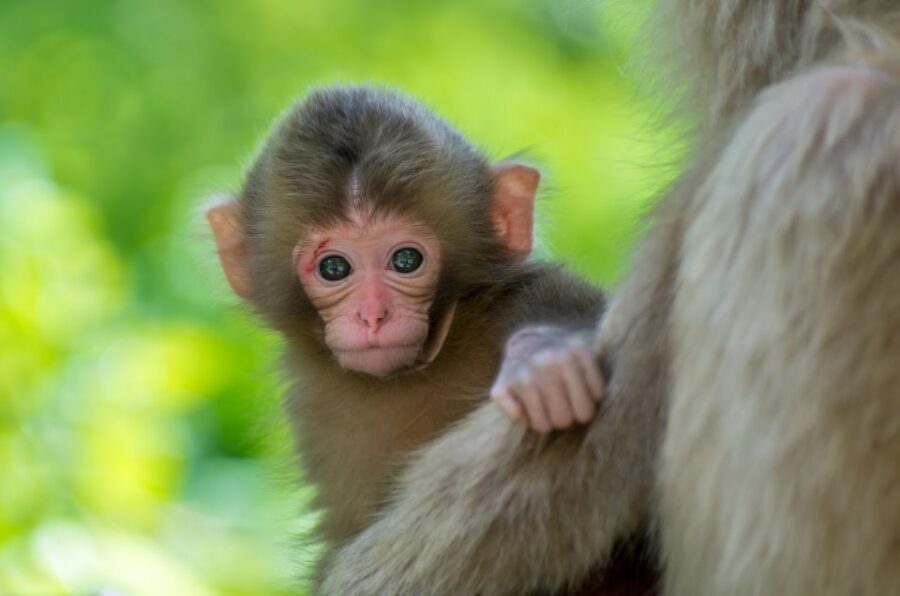
- Close-up macaque viewing at Jigokudani with an expert local guide to help you spot behavior
- April troop moments, often including newborn babies clambering around in spring
- Hanami in northern Nagano, with stops picked to match the bloom stage on your date
- Lunch included, including vegetarian options if you tell them ahead of time
- A well-run day for mixed groups, with English commentary and steady timing even with big buses
From Nagano Station to Jigokudani: How the Day Gets Going
The day starts at JR Nagano Station, in front of the Information Board directly opposite the shinkansen gates. That location matters because it’s easy to orient yourself fast. If you’ve never used the station before, this meeting point choice is a practical win.
From there, you’ll head out by bus/coach for about 80 minutes. During that ride, you’ll usually get English commentary from the guide. Even when the bus is full, the goal is clear: get you to Jigokudani before the middle-of-day rush and give you enough time to enjoy the park without sprinting.
The pace is one of the tour’s strengths. You’re not doing a long, slow rail journey that steals your day; instead, you spend your time on the two things you booked for—macaques and cherry blossoms.
A few more Nagano tours and experiences worth a look


Jigokudani Monkey Park: Spring Macaques and What You’ll Actually See
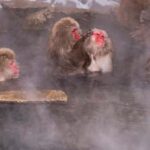
Jigokudani Monkey Park is the centerpiece. You’ll spend about 2 hours and change here, with a guided component plus walking and wildlife viewing. The big promise is simple: see the famed Japanese snow monkeys in a real, rugged mountainous setting. And yes, you can get close enough for photos—just remember there’s always a respectful distance. You’re there to observe wild animals, not to interact with them.
Hot spring expectations, explained
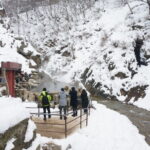
In winter, it’s common to see monkeys using the hot spring areas. In spring, you might still catch that behavior, but it’s not guaranteed. The tour info also notes that monkeys may play in the water from spring through autumn, yet again, nothing is certain.
So what should you hope for in April? More than hot springs, focus on troop movement, climbing, and social behavior. That’s where the best moments usually happen regardless of whether the hot spring angle is active that day.
Newborns in April: why the spring timing matters
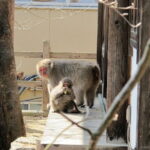
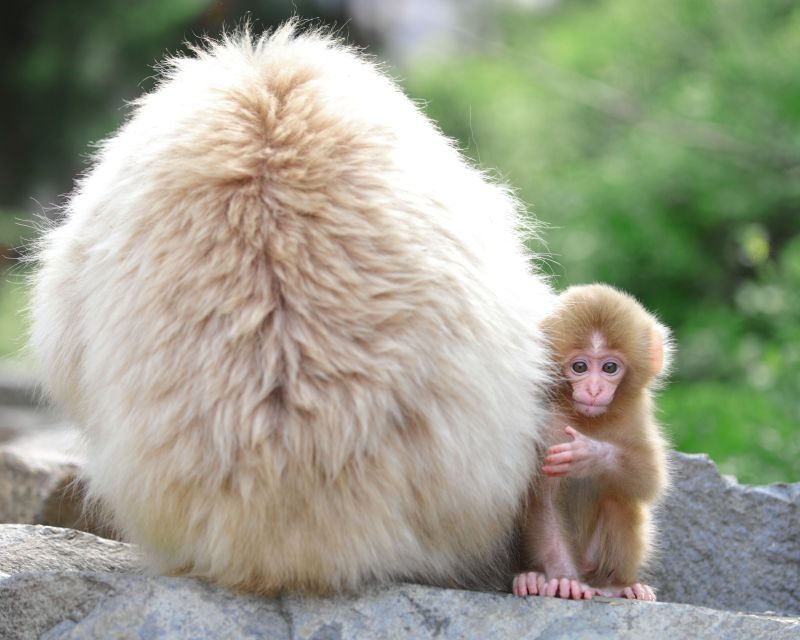
Here’s a detail that turns a standard animal encounter into something special: in April, Jigokudani often sees newborn babies. The info provided says you can expect 20 to 30 births in spring as part of the overall season. That’s why guides emphasize spring observation. You’re not just seeing big monkeys; you may also get to watch tiny ones testing the ground and climbing as they learn the troop rhythm.
A quick reality check about monkey arrivals
The tour also warns there are a few days each year when monkeys might not come down into the park area. That’s a reminder that this is wildlife viewing, not an indoor attraction. If the troop seems distant, your guide can still help you read the terrain and behavior to maximize what you can see.
A few more Nagano tours and experiences worth a look


The Walk to the Park: Plan for “It Feels Longer Than It Looks”
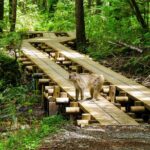
One thing you’ll want to prepare for is the walking trail. In one day, you’re likely to cover enough ground that it can surprise you.
A review described the distance to Monkey Park as about 1.6 km, but it felt much longer—like 10 km once you’re actually on the path. That doesn’t mean the trail is dangerous or impossible. It means the terrain and pace add up. Wear suitable walking shoes and dress for cool mountainous air.
Also pay attention to the time you’re given. The tour is scheduled so you can enjoy the park and then still get to lunch and the cherry blossom viewing window. That’s why being prompt when the group is moving is worth it. If you get stuck photographing, it can ripple through the day—your guide will try to keep you on track, but you’ll still feel the effect.
Lunch in Nagano: A Real Break, Not a Wait-in-Line Stop
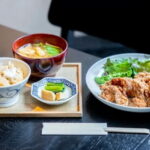
Between the monkey park and the cherry blossom portion, you’ll stop at a local restaurant for lunch. You’ll have about an hour here, which is long enough to eat without feeling hurried.
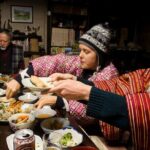
The lunch is included, and vegetarian options are available if you tell the operator in advance. I like this setup because it removes one of the usual stress points on day trips: finding something quick and decent near transport while traveling with time pressure. An included meal also makes the day feel more complete, not like a string of scenic interruptions.
One practical tip: since you’ll likely walk, eat at a comfortable pace. You don’t want to feel heavy during the next bus transfer and sightseeing block. And if you’re sensitive to cold, a hot meal helps you reset before hanami viewing.
Cherry Blossoms in Northern Nagano: Hanami Spots Built for the Date
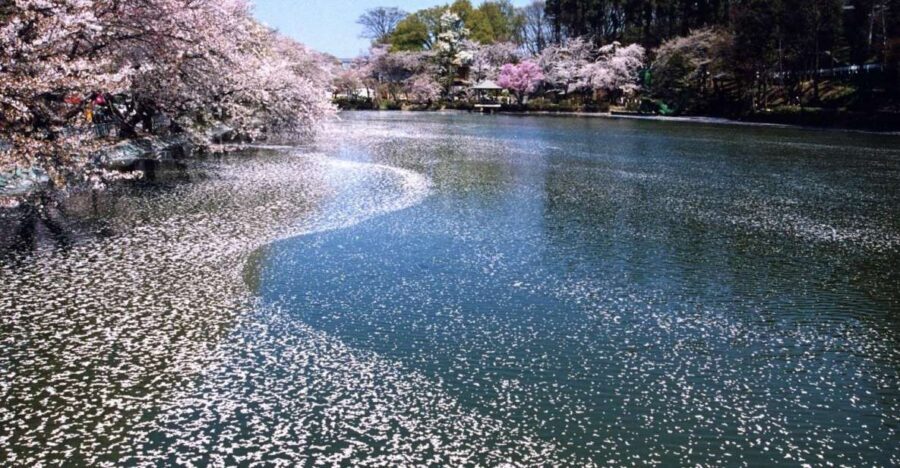
After lunch, you head out again by bus/coach for roughly 1.5 hours. This is the transition between animal-time and flower-time. The tour then includes a viewpoint stop with guided sightseeing lasting about 2 hours.
What makes this part more than just sightseeing is the approach to bloom timing. The tour info says hanami locations are selected based on the degree of bloom on your tour date. That means you’re not just driving to one fixed spot and hoping for the best.
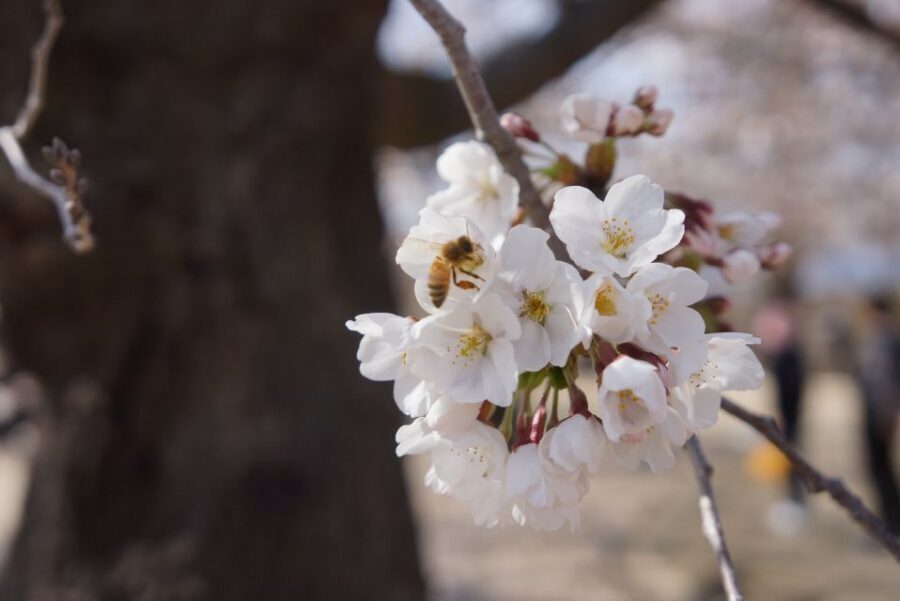
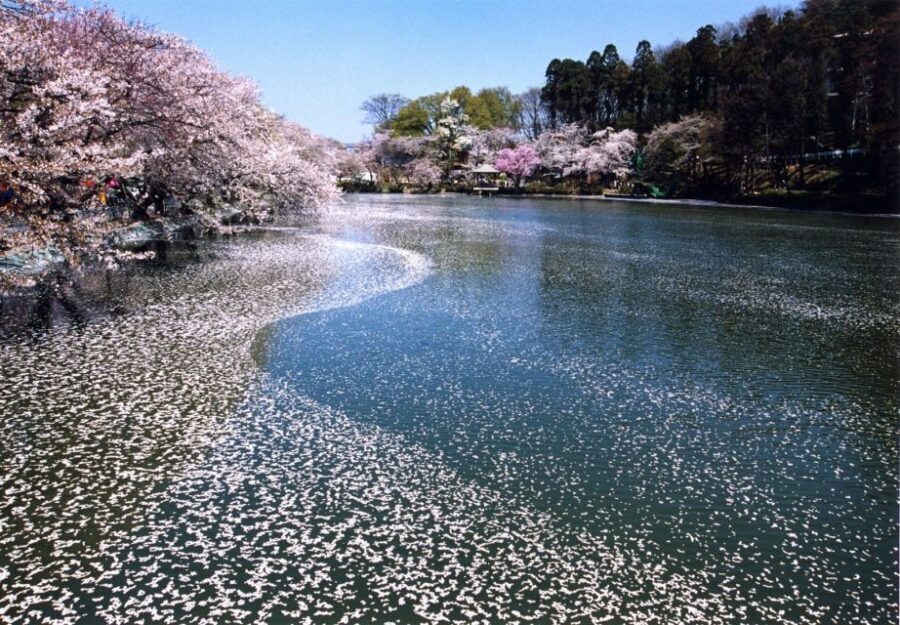
Northern Nagano’s cherry blossom season generally arrives later than in Tokyo or Kyoto, with normal bloom around mid-April. The tour is built for that reality. If you’ve already seen classic blossoms in a big city, you’ll still enjoy this because it often feels calmer and less predictable—more like local spring.
The tour also notes that across the selected areas there are more than 500 to 1,000 sakura trees, with each spot featuring different types. In plain terms: you should expect variety, not just one photo angle.
And yes, hanami matters here. It’s not just the flowers; it’s the ritual of spring watching. This is one of those days where the tradition is the product.
If Blossoms Aren’t Ready: Zenko-ji Temple and Sake Tasting
Spring doesn’t always cooperate. The tour info explains that if cherry blossoms are not in bloom, you won’t lose your afternoon. Instead, you’ll swap in an alternative visit to Zenko-ji Temple with sake tasting.
That alternative is valuable because it gives you a meaningful cultural stop rather than a generic replacement. Zenko-ji is a major temple in Nagano, and combining it with sake tasting ties the day back to local life, not just weather-dependent scenery.
You’ll be notified about this change 3 days in advance, which gives you time to adjust your expectations and plan what you wear. It also helps if you’re traveling with a strict schedule, since you know early enough to re-check what else you might want to do that day.
Bus Transfers, Group Size, and the Guide Experience
This tour is designed to run smoothly even when the group is large. One review mentioned the guide managing a group of around 40 people, which tells you something about how organized the operation is.
Guides show up as a big part of the experience. I saw several English-speaking guides credited for keeping things moving and answering questions. Names that came up include Dai, Kevin, Eniko, Kunihiko Endo, and Teddy. You can treat that as a positive sign: the operator clearly rotates guides who can handle both logistics and storytelling.
A small practical note from a review: on one bus, the speaker may have been a bit hard to hear. If you rely on every bit of commentary, bring earplugs or be ready to lean in during key moments. Most of the time, though, the park and scenery do the heavy lifting.
Timing That Actually Works: Getting Back by 6:30 PM
The total duration is about 9 hours, and the tour is scheduled to conclude at JR Nagano Station by 6:30 PM. That end time matters. It means you can still do dinner, get to your hotel, and avoid the feeling that the whole day disappeared into transit.
The itinerary’s rhythm also makes sense:
- Morning travel to Jigokudani
- Park time with viewing and walking
- Lunch reset
- Afternoon sightseeing with bloom-dependent choices
- Return to the station
If you’re trying to pack a lot into a trip to Nagano, this structure is the key. You get two major spring experiences in one day without losing an entire night’s schedule to travel.
Price and Value: Is $135 for a 9-Hour Day Trip Worth It?
At $135 per person, you’re paying for a bundle: transport between stops, the Snow Monkey Park entrance, a guided experience in English, and lunch. The bullet train tickets are not included, so you’ll still need to handle any Shinkansen travel between cities on your own.
Is it good value? For many people, yes—because day-trip planning in Japan can get expensive and annoying fast:
- Entrance fees for famous parks add up.
- Taxis in rural mountain areas can be brutal.
- A guided day reduces the risk of missing the right viewing windows.
You’re also buying time and confidence. Instead of figuring out how to chain buses and trains while wearing out your legs, the tour takes care of the route and keeps the day on a predictable schedule.
The one “cost” you should factor in is effort on foot. You’ll want good shoes and realistic energy for the monkey park walk. If you’re the type who hates walking trails, you might feel the physical side of the price.
Who Should Book This Snow Monkey and Hanami Tour
This is a great fit if you:
- Want one spring day that mixes animals and Japanese seasonal culture
- Prefer guided logistics to DIY planning
- Are traveling with people who want a “must-see” but not something that requires hardcore hiking
- Plan to be in Nagano in April, when northern blossoms and macaque spring activity are most likely to align
It’s also a smart booking choice if you’re not thrilled by big-city blossom crowds. Northern Nagano brings a later, calmer seasonal moment. And you get that second anchor experience with Jigokudani.
If you’re extremely motion-sensitive or have limited walking tolerance, the day’s trail component may be hard. The tour info explicitly recommends comfortable walking shoes, and a review described the hike time feeling longer than expected.
Should You Book It or Skip It?
I’d book this tour if you want a single-day spring hit of Jigokudani monkeys plus hanami, with lunch and English guidance built in. It’s especially appealing in April when newborn troop moments and later-bloom northern blossoms line up with the tour’s design.
I’d pause before booking if you hate walking on trails or you need long stretches of free time. This day is structured, not a slow wander. It’s also wildlife viewing, so the monkeys’ exact behavior can vary, including occasional days when they might not come down to the park area.
If your priority is getting the most Japanese spring day possible out of Nagano with minimal planning stress, this one checks the boxes.
FAQ
Where is the meeting point for the tour?
You meet at Nagano JR Station, in front of the Information Board directly opposite the shinkansen (bullet train) gates.
How long is the tour, and when does it finish?
The tour lasts about 9 hours and is scheduled to conclude at JR Nagano Station by 6:30 PM.
Is lunch included, and are vegetarian options available?
Yes, lunch is included, and vegetarian options are available if you let the operator know in advance.
What happens if the cherry blossoms are not in bloom?
If the blossoms are not in bloom, the afternoon visit is replaced with Zenko-ji Temple plus sake tasting. You’ll be notified of the change 3 days in advance.
Are bullet train tickets included in the price?
No. Bullet train tickets are not included.
What should I wear or bring for the monkey park?
Wear suitable shoes for the walking trail and plan for comfortable footwear, since there is walking involved at Jigokudani.