REVIEW · TOKYO
Tokyo Private Tour: Temples, Culture & Modern City Highlights
Book on Viator →Operated by Renaud · Bookable on Viator
Tokyo in one day, without the guesswork. A private walking tour with a multilingual local expert (20+ years in Japan) is a smart way to see major sights without playing map Tetris. I like how the plan blends temples, food streets, and modern city energy, and still stays flexible to match your pace and interests.
The big consideration is the format: this is mostly walking plus public transit, not a sit-and-ride sightseeing bus. If you’re not into 20K-25K steps, or you dislike train connections, you’ll want to plan comfy shoes and a calmer day. Also, meals and transport aren’t included, and some shops can be cash-only.
In This Review
- Key things to love about this Tokyo private tour
- Asakusa and Sensō-ji: start where Tokyo feels historical
- The Sumida River pause: a calm break that resets your feet
- Ueno area street-life: Ameyoko market eats and bargain browsing
- Shinobazu Pond: water, birds, and a quieter Tokyo beat
- Optional pivot: Akihabara for otaku culture or Imperial East Gardens for calm history
- Kappabashi and Harajuku: knives, kitchenware, and youth-fashion chaos
- Kappabashi Street (Kappabashi Dogugai) for Japan-made kitchen gear
- Takeshita Street in Harajuku for trend-watching
- Meiji Jingu: Shinto shrine calm inside Tokyo’s noise
- Shibuya’s Scramble and modern Tokyo shopping energy
- Shinjuku at night energy: Godzilla, 3D cat, and Golden Gai
- Price and value: why this can be a good deal at $99.08
- Who should book this Tokyo private tour, and who might skip it
- Should you book this Tokyo Private Tour?
- FAQ
- How long is the Tokyo Private Tour?
- Is this tour private or shared?
- What’s included in the price?
- What isn’t included?
- Do I need to buy tickets for the attractions?
- Is pickup included, and where?
- Which areas does the tour cover?
- Are there options for different interests?
- Do I need to pay with cash?
- Can I cancel for a full refund?
Key things to love about this Tokyo private tour
- Multilingual guide (English, French, or Japanese) with years of real local experience
- Hotel pickup in central Tokyo to start the day with less friction
- A customizable route using popular districts like Asakusa, Ueno, Harajuku, Shibuya, and Shinjuku, plus optional swaps
- Photo support with help finding good spots, not just quick snapshots
- Street-life stops built around markets and everyday scenes, not only big-name monuments
Asakusa and Sensō-ji: start where Tokyo feels historical
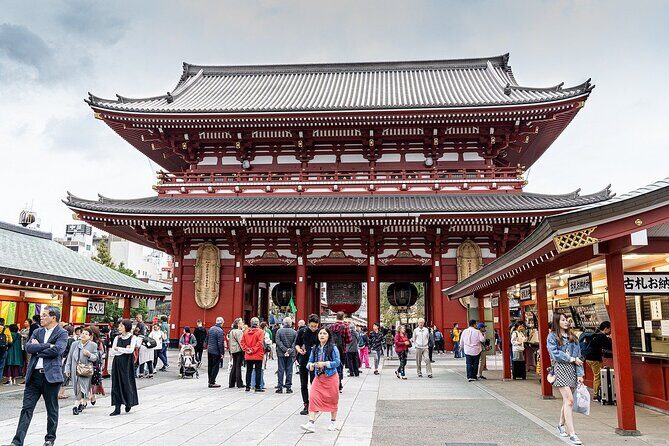
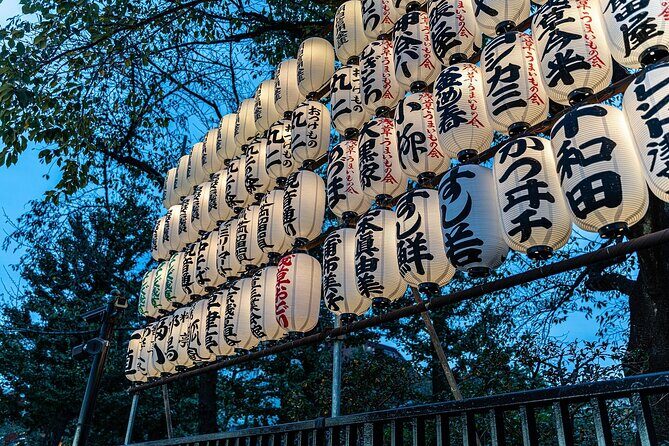
Your day kicks off in Asakusa at Sensō-ji Temple, a classic Tokyo anchor. You get a focused visit (about 45 minutes), which matters because you’re not rushed through the most famous views. You’ll also walk the Nakamise shopping street area, where the old-school atmosphere and busy pedestrian energy make this feel like a real neighborhood, not a staged attraction.
Two practical wins here. First, starting early helps you experience the area with less crowd pressure. Second, a local guide helps you know where to pause for views and where the main flow of people tends to push you faster than you want to go. If you’re the kind of traveler who likes to slow down for photos and small purchases, this first stop is set up for that.
You can also read our reviews of more city tours in Tokyo

The Sumida River pause: a calm break that resets your feet
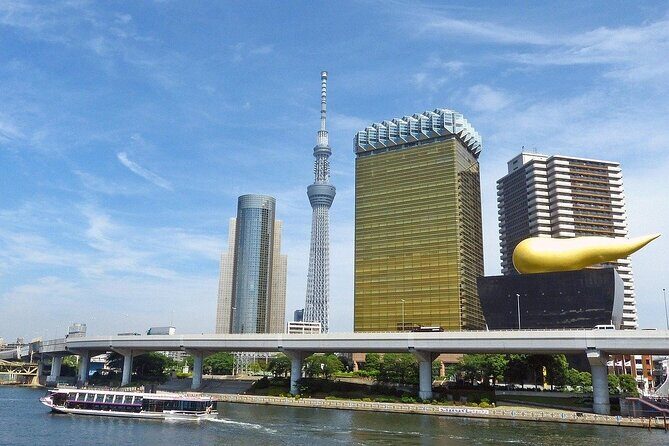
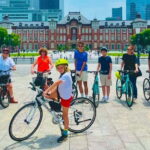
After temple energy, you switch to the Sumida River for a short, refreshing stroll (about 15 minutes). This is a useful “breather” stop in a day that includes lots of walking. The river paths and bridges give you open views and a different angle on Tokyo—especially with the Tokyo Skytree viewpoint mentioned in the route description.
I like this segment because it’s not about one landmark only. It’s about changing the mood. If your day feels packed, this is the kind of quick reset that keeps you from burning out by the time you reach the neon districts.
Ueno area street-life: Ameyoko market eats and bargain browsing
Next up is Ameyoko Shopping Street, an open-air market along the railway tracks between Ueno and Okachimachi. Your time here is around 30 minutes, and the route is built for sensory Tokyo: street food, local shops, spices, seafood, snacks, and bargain clothing.
This stop is great for travelers who want food without planning a whole separate food quest. It’s also helpful if you like small shopping wins—snacks, souvenirs, or quick browsing—because the market format makes it easy to dip in and out.
One caution: markets move fast, and you might get tempted by lots of choices. If you have dietary needs or picky taste, you’ll want to ask your guide for specific safe options early rather than later when you’re already committed to a line or a menu.
Shinobazu Pond: water, birds, and a quieter Tokyo beat
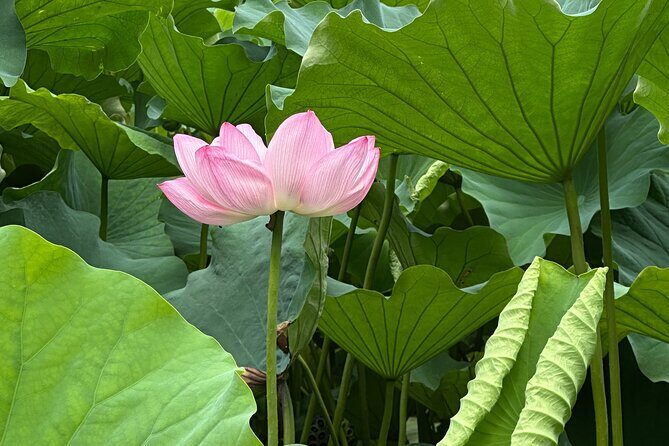
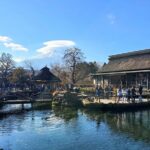
Right after the market energy, the route includes Shinobazu Pond (about 30 minutes). This is a peaceful contrast: the pond area is known for lotus, koi fish, turtles, and migratory birds throughout the year.
Even if you’re not an “animal person,” this is a good stop because it gives you shade, space to breathe, and a calmer pace. It also helps break up the day so the next big neighborhoods don’t feel like a sprint.
Optional pivot: Akihabara for otaku culture or Imperial East Gardens for calm history
Midday is where the tour turns into a choose-your-own-day experience. You have options depending on what you want more of:
- Akihabara (Electric Town) for anime and gaming culture: anime shops, retro game stores, multi-level arcades, and major electronics retailers.
- Imperial Palace East Gardens (Edo Castle Ruin area) for a quieter historical walk: including the Ninomaru Garden and historic samurai guardhouses.
I like having this fork because it prevents the day from turning into a checklist. If you’re a first-time visitor who wants “classic Tokyo,” you can keep leaning temple-and-garden. If you’re into pop culture or shopping, Akihabara gives you a totally different Tokyo flavor without needing a separate trip.
You can also read our reviews of more private tours in Tokyo

Kappabashi and Harajuku: knives, kitchenware, and youth-fashion chaos
From there, you have another useful optional-to-automatic decision.
Kappabashi Street (Kappabashi Dogugai) for Japan-made kitchen gear
If you choose it, Kappabashi Street is a kitchenware-focused district between Asakusa and Ueno. It’s known for Japanese knives, tableware, chopsticks, cookware, and the iconic plastic food display vibe.
Even if you don’t plan to buy knives, this is a fun stop because Japanese kitchen design is its own kind of culture. It’s also a good place to shop for practical souvenirs that don’t feel random.
Takeshita Street in Harajuku for trend-watching
Then you head to Takeshita Street (about 45 minutes). This is Harajuku youth culture in motion: colorful fashion boutiques, kawaii shops, creative snacks, and serious pop culture energy. The street is narrow, so expect a tight, lively walk where you’ll need to keep moving (or intentionally pause when you find something worth slowing down for).
This is where the tour’s private format helps you. Instead of getting dragged along by a group pace, you can spend extra time where you actually care. If you hate crowds, you’ll still see the atmosphere—but you can plan how you’ll move through it (short stops, fewer stops, more photo pauses).
Meiji Jingu: Shinto shrine calm inside Tokyo’s noise
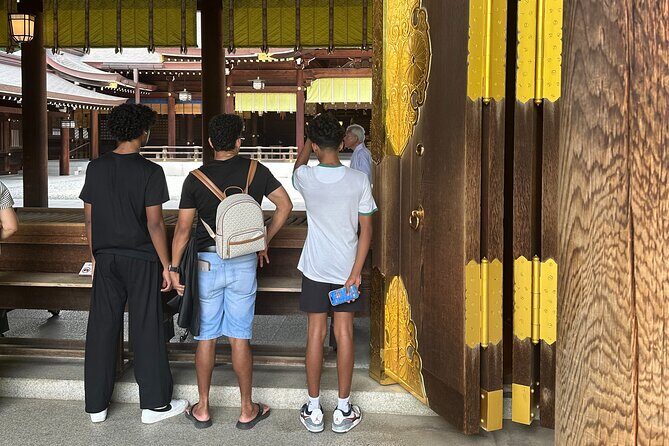
Next comes Meiji Jingu Shrine (about 45 minutes). The route description emphasizes the forest setting, big wooden torii gates, and a quiet escape from the city.
This stop works because it resets your senses. After shopping streets and modern districts, the shrine area gives you a different kind of Tokyo: shaded paths, slower footsteps, and the feeling that you’re stepping into a calmer pocket of the city.
Practical tip: this is also a strong photo moment if your guide helps you pick where to stop. The tour includes photo assistance, and that matters more here than at a neon street corner, because lighting and foot traffic can change quickly.
Shibuya’s Scramble and modern Tokyo shopping energy
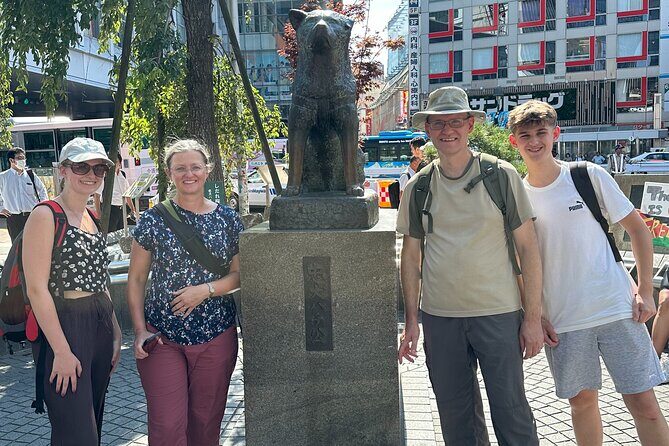
In the afternoon, the itinerary hits Shibuya (about 1 hour). The big draw is Shibuya Scramble Crossing, described as the busiest crossing in the world, plus neon lights and modern shopping malls.
This is the “movie Tokyo” district, but you’ll get more than postcard photos if your guide is helping you understand how to move through it. Several past groups specifically highlighted getting help navigating Tokyo’s transit system, which is half the battle in Shibuya. When you know which direction to flow and when to stop, the chaos stops feeling like a trap.
If you’re traveling with kids, this is also a good time to see energy without requiring a museum ticket or a long sit-down.
Shinjuku at night energy: Godzilla, 3D cat, and Golden Gai
The day ends in Shinjuku (about 1 hour). The route calls out three standout elements:
- the Godzilla Head
- a giant 3D cat billboard
- Golden Gai, described as a maze of tiny bars
This is where Tokyo feels playful and adult at the same time. You get a modern nightlife district vibe, but you also have the option to slow down and explore Golden Gai’s tight lanes without turning it into a rushed bar-hop.
If you’re the type who likes photography, Shinjuku gives you dramatic visuals after sunset. If you’re just there for a taste, the tour length still makes it achievable without blowing your whole evening.
Price and value: why this can be a good deal at $99.08
At $99.08 per person, this tour is positioned as a private experience, with hotel pickup in central Tokyo, guide time, and a flexible route. The math usually works best when you value (a) not figuring out transit alone, (b) having someone point out what matters, and (c) saving time by grouping major districts into one day.
But keep expectations grounded:
- Meals aren’t included. You’ll likely want to budget for lunch and snacks separately.
- Public transportation isn’t included, even though the route is designed around walking and using transit.
- Most attractions listed are free, which helps keep the day’s costs predictable.
Also pay attention to the note about transport cards: Suica or Pasmo is recommended. Having one can reduce friction when you switch trains during a day like this. And yes, some shops are cash-only, so bring a bit of yen even if you plan to pay for most things by card.
Who should book this Tokyo private tour, and who might skip it
This is a strong fit if you:
- want a first-time Tokyo overview without hopping around solo
- like mixing temples, markets, and modern neighborhoods in one day
- want your itinerary adjusted based on your interests (Akihabara vs Imperial East Gardens, Kappabashi vs straight onward)
- care about practical guidance, like how to handle Japan transit and how to order or move around without stress (a point repeatedly praised in guide feedback)
You might skip or choose a shorter/less walking plan if you:
- get sore knees or you hate long days on your feet
- dislike train connections and prefer car-based sightseeing
- don’t want to manage separate budgets for food and transit
Should you book this Tokyo Private Tour?
If you’re planning a tight schedule and want a smart mix of Asakusa to Shinjuku, this tour is an efficient way to get oriented fast. I especially like that the day includes both quiet breaks (Sumida River, Shinobazu Pond, Meiji Jingu) and major modern moments (Shibuya and Shinjuku), so your energy stays balanced.
Book it if you want a guide who can handle the flow of districts and help you photograph, snack, and move with less guesswork. Skip it only if you know you can’t handle heavy walking or you strongly prefer a vehicle-based sightseeing day.
FAQ
How long is the Tokyo Private Tour?
It runs for about 4 to 7 hours, depending on how you pace the stops and any optional segments.
Is this tour private or shared?
It’s a private experience. Only your group participates.
What’s included in the price?
You get a local guide (English/French/Japanese), hotel pickup in central Tokyo, a flexible customizable itinerary, help with photos and photo spots, cultural explanations, and entrance to free attractions.
What isn’t included?
Meals and drinks aren’t included, and public transportation isn’t included.
Do I need to buy tickets for the attractions?
The listed attractions are free, so entrance tickets are not required for the included stops.
Is pickup included, and where?
Hotel pickup is offered in central Tokyo. Pickup outside central Tokyo or from the airport costs ¥10,000 per booking.
Which areas does the tour cover?
The route can include Asakusa (Sensō-ji), Ueno area (Ameyoko and Shinobazu Pond), optional Akihabara and Imperial East Gardens, plus Harajuku (Takeshita Street), Meiji Jingu, Shibuya, and Shinjuku.
Are there options for different interests?
Yes. You can choose optional stops like Akihabara, the Imperial Palace East Gardens, and Kappabashi Street depending on what you want to prioritize.
Do I need to pay with cash?
Some shops may be cash-only, so it’s smart to carry yen even if you plan to use card often.
Can I cancel for a full refund?
Yes. You can cancel up to 24 hours in advance for a full refund. If you cancel less than 24 hours before the start time, the amount paid is not refunded.