REVIEW · KAMAKURA
Kamakura Walking Tour – The City of Shogun
Book on Viator →Operated by Localized Walking & Food Tours · Bookable on Viator
Kamakura rewards a good guide. This 3.5-hour walking tour strings together the key Shinto shrine and famous Buddha temple stops, with real context about how the city’s power and beliefs shaped daily life. I like that the route is small-group (10 people max) and guided at a pace that keeps things relaxed, and I like that you get a mobile ticket plus photo stops and viewpoint hints. One thing to consider: you’ll still pay for some site entry and local transport (a total of 1,200 yen).
You start in the heart of Komachi and end near Hase Station, so it’s easy to keep going after the tour. Guides such as Miyu, Midori, and Maki are repeatedly praised for clear explanations, good timing, and sharing ideas for what to do with the rest of your day. If you’re coming at peak crowds, go in with comfy shoes and an open mind for a bit of walking between stops.
In This Review
- Key highlights you’ll feel during the walk
- Why Kamakura Feels Different When You Walk It
- Start at Komachi: What the Morning Looks Like
- Tsurugaoka Hachimangu Shrine: Shinto Power in Human Scale
- Komachi Street Break: Where the City Feels Like a City
- Kotoku-in and the Great Buddha: Big Enough to Change Your Photos
- Hasedera Temple: Gardens and a Towering Wooden Kannon
- Getting Around With Enoden: Short Movement, Big View
- Price and Value: What $35 Actually Buys You
- Tour Style and Group Size: Why Small Matters Here
- What You’ll Learn From the Best Guides
- Weather and Comfort: Plan for Reality
- Who Should Book This Tour
- Should You Book This Kamakura Walking Tour?
- FAQ
- How long is the Kamakura Walking Tour – The City of Shogun?
- Where does the tour start and end?
- What time does the tour start?
- What is included in the price, and what isn’t?
- Which stops are included?
- How big is the group?
- What happens if the weather is bad?
Key highlights you’ll feel during the walk
- Shogun-era storytelling at Tsurugaoka Hachimangu: why Minamoto no Yoritomo’s legacy still matters here
- Komachi Street on foot: a quick chance to reset, snack, and watch the city move
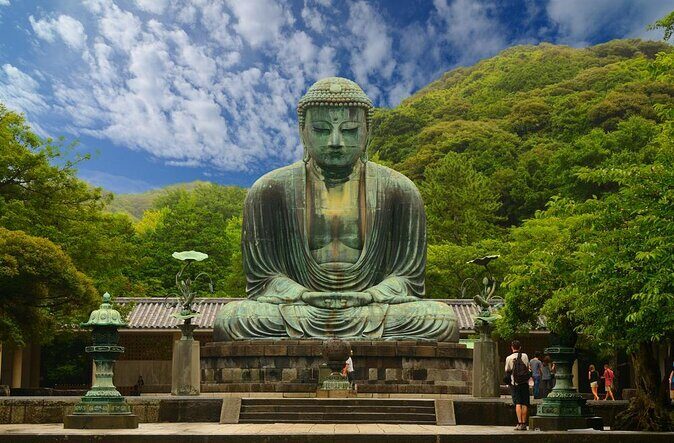
- Kotoku-in’s Great Buddha scale: you’ll see why the statue’s size is the point
- Hasedera’s quiet contrast: gardens and a major wooden Kannon statue experience
- 10 people max with a friendly guide: easier questions and less rushing than larger tours
Why Kamakura Feels Different When You Walk It
Kamakura is one of those places where the buildings are important, but the meaning is what sticks. A walking tour helps because you’re moving through neighborhoods and sightlines that connect the dots. Instead of treating temples and shrines like checkboxes, you start to understand why people built them where they did—and how religion, politics, and local culture overlap.
This tour is built for that. You get time at the biggest anchors—Tsurugaoka Hachimangu, Kotoku-in, and Hasedera—plus a stop on Komachi Street that keeps the day from becoming all stone steps and incense.
The practical win is that you’re done in about 3 hours 30 minutes, so you still have daylight to wander on your own afterward.
You can also read our reviews of more walking tours in Kamakura
Start at Komachi: What the Morning Looks Like
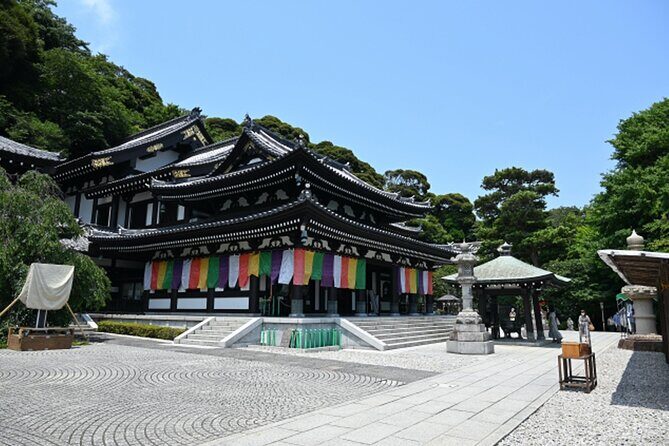
The meeting point is the Kamakura City Tourist Information Center at 1-chōme-1-1 Komachi. The tour begins at 10:00 am, and it ends at Hase Station (2-chōme-14 Hase). That end point matters. You’re not stuck going back the way you came; you can flow into the Hase area right after the last temple segment.
You’ll also have a mobile ticket, which makes last-minute day-of logistics easier. And since the tour is described as near public transportation, you shouldn’t have to fight your way through complicated transfers just to begin.
One more small detail I appreciate: guides are praised for giving extra suggestions after the tour. That’s useful because Kamakura is full of smaller temples and seaside walks. When you know what to look for next, you get more out of the time you have.
Tsurugaoka Hachimangu Shrine: Shinto Power in Human Scale
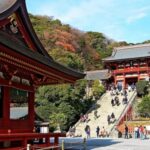
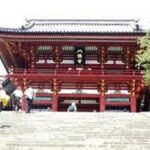
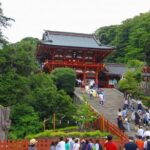
Your first major stop is Tsurugaoka Hachimangu Shrine, about 30 minutes. Admission is free, which is a nice early win.
This shrine is tied to the 12th century and the legacy of Minamoto no Yoritomo. Your guide doesn’t just name-drop dates. The value here is learning what the shrine represents in the Shinto world of Kamakura—especially how Hachiman (the Shinto god of war) fits into the city’s shogun-era identity.
What to expect on-site: you’ll have time to take in the overall shrine layout rather than rushing through gates and halls. A good guide also helps you understand what you’re seeing as you move, which makes the place feel more like a living tradition than a museum set.
If you’re sensitive to crowds, arrive with patience. This is one of the headline attractions, so expect people. The tour format helps because you’re not alone trying to decode where to go next.
Komachi Street Break: Where the City Feels Like a City
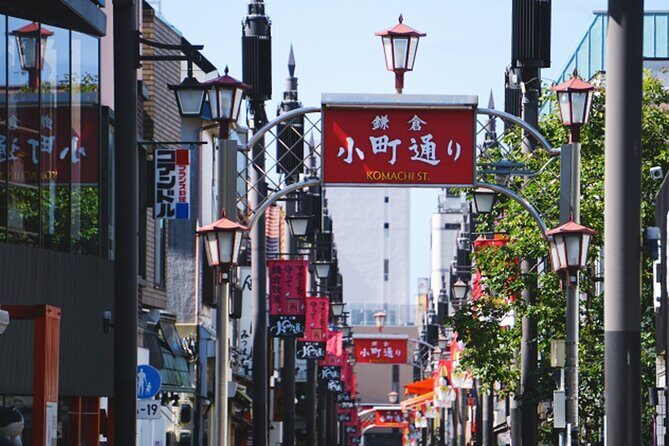
Next is a shorter walk on Komachi Street, about 20 minutes. Admission is free.
This is the pause that keeps the day from feeling too temple-heavy. Komachi is where you feel Kamakura as a lived-in shopping-and-eating corridor, not just a historical backdrop. Even if you don’t buy much, you’ll appreciate the rhythm: locals moving through, visitors looking around, and small food shops doing steady business.
This stop also works as a practical reset. If you’re planning to eat later, it’s easier to decide when you’ve already tasted the vibe of the area.
Kotoku-in and the Great Buddha: Big Enough to Change Your Photos
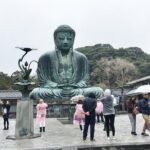
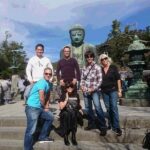
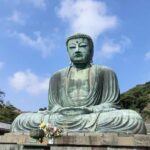
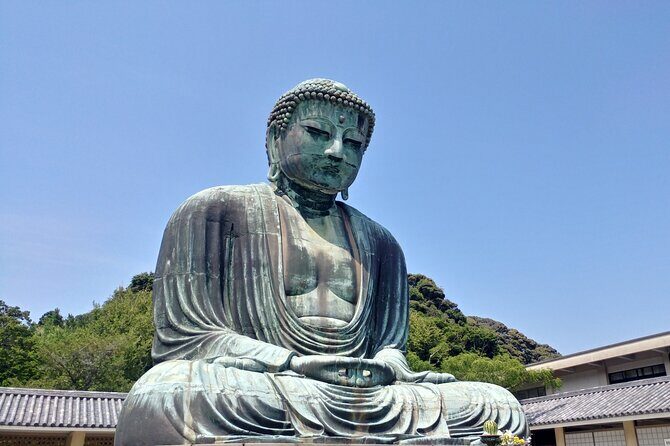
The most famous single image in Kamakura is hard to avoid: the Kamakura Great Buddha (Kotoku-in). Your time here is about 30 minutes, and admission is not included in the base tour price.
Why this stop is worth a guide: the statue’s impact isn’t only size. It’s the feeling of presence. About 13.35 meters (44 feet) tall, the Buddha is meant to be seen as a landmark you approach and react to. Without context, you might focus only on the obvious angles. With a guide, you learn what to notice as you look—so your photos come out better and your visit feels more intentional.
A realistic note: you’ll likely be walking and standing for photos. Wear comfortable footwear and bring your phone camera battery power if you’re shooting a lot.
You can also read our reviews of more city tours in Kamakura

Hasedera Temple: Gardens and a Towering Wooden Kannon
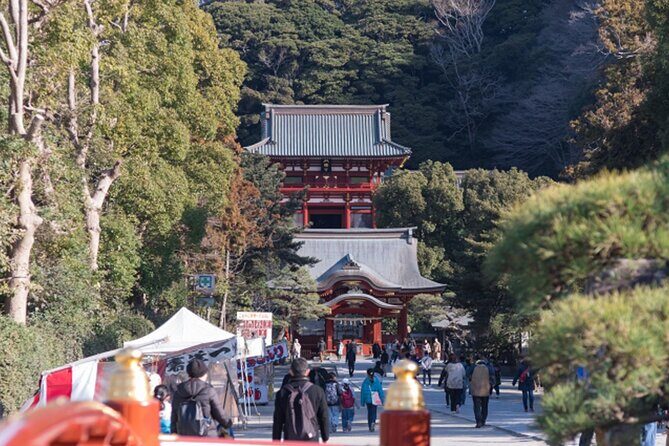
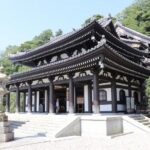
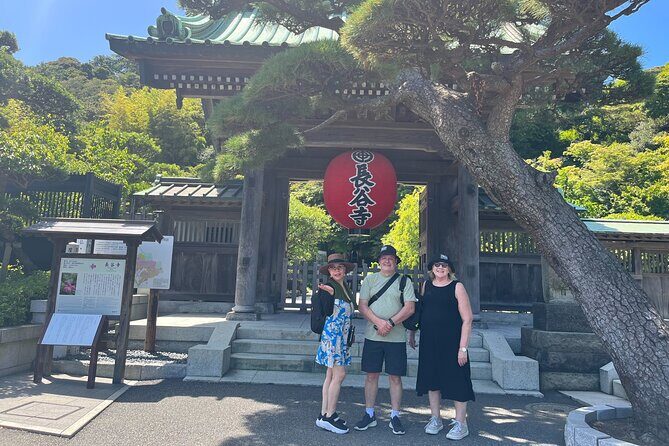
Your final major cultural anchor is Hasedera (Hase Kannon Temple), about 40 minutes. Admission is not included.
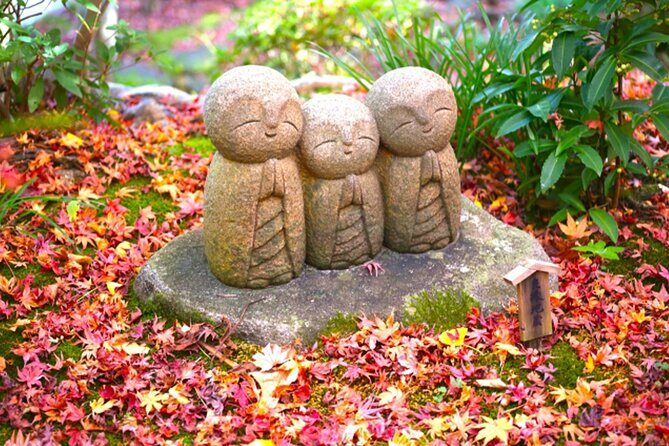
This is the part of the tour that often feels like a reward. Hasedera is described as having a serene atmosphere, beautiful gardens, and a towering wooden statue associated with Kannon. That combination is why it plays well after the Great Buddha stop: you move from open-air Buddha scale to a more contemplative, garden-temple environment.
What makes it valuable with a guide is timing and interpretation. Guides often point out small things you might miss when you’re on your own—like which areas give you the best sense of the space, or how to pace yourself so the garden doesn’t become a sprint.
Also, since the tour ends at Hase Station, it’s convenient. You finish where you can continue exploring, instead of being stranded in the middle of nowhere.
Getting Around With Enoden: Short Movement, Big View
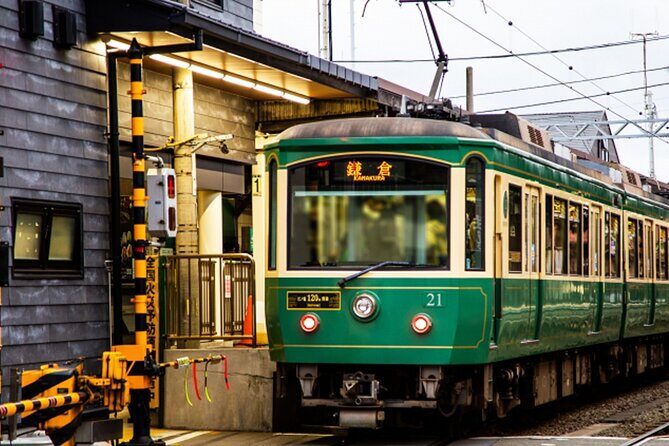
One review specifically mentions riding the Enoden train as part of the experience. That fits the way Kamakura is laid out: using short local hops can keep the day from becoming only long walks and waiting.
Here’s how I’d think about it: train segments break up the legs, reduce fatigue, and help you see the city in a way you won’t get by foot alone. If your timing works out, that’s a big quality-of-life upgrade.
Practical tip: if you plan to ride the Enoden, keep small belongings easy to reach and wear shoes you can slip into easily for stairs and station navigation.
Price and Value: What $35 Actually Buys You
The tour costs $35.00 per person for about 3 hours 30 minutes. The tour guide fee is included. You’re also told to budget 1,200 yen total for transportation & admission fees (not included in the base price).
So is it good value? For me, the key is that you’re paying for three things that are hard to DIY efficiently:
- Guided timing at major sites like Tsurugaoka Hachimangu and the Great Buddha
- Context you can’t easily pick up from signage, especially about shogun-era connections
- A small group (maximum 10 travelers), which makes questions realistic and pacing kinder
If you were doing this on your own, you’d still need to map out where to go, how to sequence the temples, and how to spend enough time without losing the thread. This tour gives you structure so you can enjoy the sights instead of managing logistics.
Tour Style and Group Size: Why Small Matters Here
This is a maximum of 10 travelers tour, and that’s not just a comfort feature. In a place like Kamakura—where you’re moving through religious sites and photo-heavy areas—small group size changes the experience.
You get:
- Less waiting around while someone figures out directions
- More chances to ask questions mid-walk
- A smoother pace that works for different ages
Family-friendly signals show up in the feedback too. One family specifically mentions that kids enjoyed every part. That doesn’t mean it’s a kid-only tour, but it suggests the pacing and explanations can be accessible.
What You’ll Learn From the Best Guides
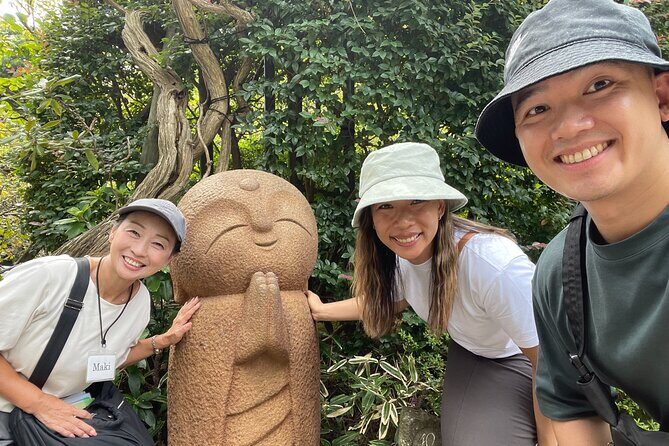
A repeated theme is the guides’ communication style. Miyu, Midori, and Maki are all praised for being pleasant, engaging, and able to explain both Shinto and Buddhist concepts clearly.
The learning isn’t only about temples as historical objects. You’ll also pick up how practices continue through daily life—how traditions connect past to present. That’s the difference between reading about Japan and understanding how people carry meaning in the way they visit shrines, move through ritual space, and respect sacred sites.
Also, guides are praised for offering extra ideas for after the tour. That’s underrated value in a compact day. It helps you turn the afternoon into something specific, not just wandering with no plan.
Weather and Comfort: Plan for Reality
This experience requires good weather. If conditions are poor, you’ll be offered a different date or a full refund. That’s not a small detail in Kamakura, where outdoor walking is part of the point.
You should also assume you’ll do a fair amount of walking and standing at temples. Bring:
- comfortable shoes
- a light layer (temples can feel cool compared to sunny streets)
- water, especially if you’re extending your day after the tour
And if you’re traveling with a service animal, it’s allowed.
Who Should Book This Tour
This is a strong fit if:
- You want the main Kamakura sites without planning a full route
- You like a guide who can connect religion, politics, and local culture
- You want time to leave the tour and keep exploring afterward
It may be less ideal if:
- You prefer total independence and don’t want a schedule
- You’re hoping for a long, slow, deep study day. This is more “smart overview plus meaning” than a multi-day immersion.
In my mind, it’s best for first-timers to Kamakura and for repeat visitors who want a fresh lens on the same landmarks.
Should You Book This Kamakura Walking Tour?
If you’re aiming for a smooth way to see Tsurugaoka Hachimangu, the Great Buddha at Kotoku-in, and Hasedera in one go, this is a good bet. The pricing is reasonable for a guided, small-group route, and the guide quality shows up again and again in the feedback, including recommendations for what to do with the rest of your day.
I’d say book it if you want structure, context, and a calmer experience than figuring everything out solo. I’d skip it if you’re the type who prefers to wander without interpretation or you already know Kamakura so well that you don’t need a guide to connect the dots.
FAQ
How long is the Kamakura Walking Tour – The City of Shogun?
The tour lasts about 3 hours 30 minutes.
Where does the tour start and end?
You meet at the Kamakura City Tourist Information Center at 1-chōme-1-1 Komachi, Kamakura, Kanagawa 248-0006. The tour ends at Hase Station in 2 Chome-14 Hase, Kamakura, Kanagawa 248-0016.
What time does the tour start?
The start time is 10:00 am.
What is included in the price, and what isn’t?
The tour guide fee is included. Transportation and admission fees are not included, with a total of 1,200 yen.
Which stops are included?
The tour includes Tsurugaoka Hachimangu Shrine, Komachi Street, Kotoku-in (Kamakura Great Buddha), and Hasedera Temple.
How big is the group?
The tour has a maximum of 10 travelers.
What happens if the weather is bad?
The experience requires good weather. If it’s canceled due to poor weather, you’ll be offered a different date or a full refund.