REVIEW · KAMAKURA
Kamakura 4hr Private Trip with Government-Licensed Guide
Book on Viator →Operated by Japan Guide Agency · Bookable on Viator
Kamakura rewards slow walking. This private 4-hour trip is built around a licensed local English guide, so you spend your time on the Great Buddha and the Hasedera viewpoint (not wrestling transit), with the freedom to choose 2–3 stops that match your mood. The big drawback: it’s a walk-first day, and temple/attraction entry fees and transit costs aren’t included, so your final bill will be a bit higher than the tour price.
What makes this experience feel smart is the mix of set pieces and options. You can pair classic shrine energy at Tsurugaoka Hachimangu with quieter Zen gardens, or tack on a short detour toward Enoshima for ocean air, then let your guide smooth out train timing. From the reviews, guides like Shinji, An, and Hiro are praised for flexibility when schedules get thrown off and for giving you enough context to enjoy what you’re seeing, not just where to go.
In This Review
- Key Things I’d Watch For
- Why Kamakura Beats a Typical Tokyo-Style Day Trip
- Price and Logistics: What $108.99 Really Covers
- Where the Day Starts: Kamakura Station Meeting Point
- The Heart of It: Choosing Your 2–3 Stops
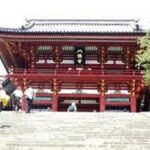
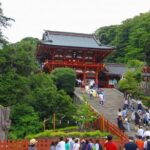
- Tsurugaoka Hachimangu Shrine: Start With Power and Position
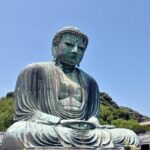
- Kotoku-in Great Buddha: The 11.4-Meter Moment
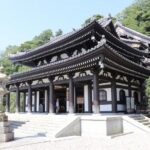
- Hasedera Temple’s Viewpoint: Why People Actually Remember It
- Hokoku-ji Bamboo Grove: When Zen Goes Green
- Kamakura’s Five Great Zen Temples: A Smart Way to Choose Focus
- Engaku-ji and Kencho-ji
- The Other Greats and Branch Temples
- Meigetsuin’s Hydrangeas and Zeniarai Coin Washing
- Enoshima Island: A Short Ocean Add-On
- How Four Hours Actually Feels: Timing, Crowd Control, and Pace
- What to Wear and Bring (So the Walking Feels Easy)
- Who This Tour Is For (And Who Might Prefer Something Else)
- Should You Book This Kamakura Private Trip?
Key Things I’d Watch For
- 2–3 sites chosen by you: You don’t have to “do everything” to get a great day.
- Licensed English guide: Useful for directions, meaning behind temples, and keeping the day on track.
- A lot of walking, by design: Comfortable shoes matter more than anything you pack.
- Entry fees not included for many stops: Budget extra for the attractions you pick.
- Kamakura’s variety in one half-day: Shrines, Zen temples, bamboo, hydrangeas, and even ocean-side Enoshima.
- Guide flexibility is a theme in reviews: People highlight patience, humor, and adapting when trains or plans change.
Why Kamakura Beats a Typical Tokyo-Style Day Trip
Kamakura has a different rhythm. You’re not just sightseeing icons; you’re moving through a former political and religious hub where shrines and temples sit close to everyday streets.
That matters because this tour is designed as a walking plan with public transportation between areas, so you feel the geography: hills to the north and temples up slope, then the coast stretching south. If you like the idea of seeing Japan that feels lived-in (not only packaged), Kamakura fits the bill.
And the guide changes the whole experience. With a licensed local, you’re less likely to waste time figuring out the best entrances, how to approach crowded spots, or which stop will actually match your interests once you’re standing there.
You can also read our reviews of more guided tours in Kamakura
Price and Logistics: What $108.99 Really Covers
At $108.99 per person for about 4 hours, what you’re paying for is not transport in a van and not pre-paid tickets. You’re paying for a private, licensed, English-speaking guide plus a customizable route built from the top Kamakura highlights.
In practice, that’s good value if you want help choosing priorities and want a plan that runs on time. It’s also useful if you’re traveling with kids, older family members, or anyone who’d rather not navigate trains and transfers after a long ride from Tokyo.
The trade-off is simple: transportation fees, entrance tickets, and lunch are not included. Many of the temple stops list admission as not included, so check your mental budget. You might pay more than the tour price on top, especially if you pick paid sites like the Great Buddha at Kotoku-in.
Where the Day Starts: Kamakura Station Meeting Point
You meet your guide in the Kamakura Station area. The tour description emphasizes an easy start, and several reviews mention guides meeting people quickly despite train delays.
This matters because Kamakura is easiest when you get your bearings fast. A guide meeting you at the start helps you avoid that first-station chaos, where you think you’re headed toward the right temple… until you’re not.
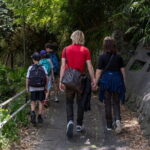
One thing I’d take seriously: the tour is described as a walking tour, with pickup on foot within the designated area. That’s not a problem if you plan for it, but it means you should treat this as a comfortable strolling day, not a sit-and-see checklist.
The Heart of It: Choosing Your 2–3 Stops
This experience lets you customize. That’s the real win. Instead of a cookie-cutter loop, you choose which sights actually matter to you: the iconic Buddha, a major temple view, a Zen garden moment, or a coastal bonus.
Here’s how I’d think about your choices.
- If you want one unforgettable photo-stop, Kotoku-in’s Great Buddha is the headline.
- If you want sweeping views and an iconic statue, Hasedera is the heavy hitter.
- If you love atmosphere, choose a Zen temple cluster: bamboo at Hokoku-ji or garden-temple time at the “five great Zen temples” of Kamakura.
- If you want a change of pace, add Enoshima Island for ocean proximity, especially on a clear day.
Your guide helps you make the route work with walking time and public transportation connections, which is especially helpful when Kamakura is busy.
Tsurugaoka Hachimangu Shrine: Start With Power and Position
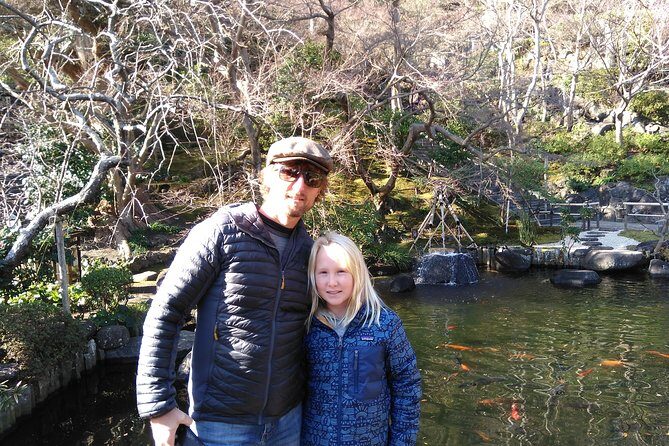
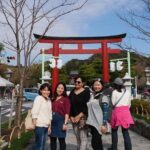
Tsurugaoka Hachimangu Shrine is a strong opening stop. It’s dedicated to Hachiman, patron god of the Minamoto family and samurai in general, which gives the shrine a political and historical weight even before you start noticing details.
The stop is short, around 10 minutes in the plan, and admission is listed as free for this location. In a half-day trip, that’s a smart use of time: quick entry into Kamakura’s big spiritual story.
There’s also a practical strategy advantage. During New Year’s early days, the main street (Wakamiya-oji) becomes pedestrian-only and crowds can surge at the shrine. One guide response specifically noted that visiting the shrine at the beginning helped avoid long waits during that period. If you’re visiting around a holiday season, ask your guide how they plan to time the stops.
You can also read our reviews of more private tours in Kamakura
Kotoku-in Great Buddha: The 11.4-Meter Moment
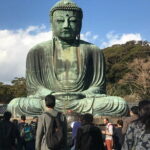
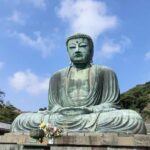
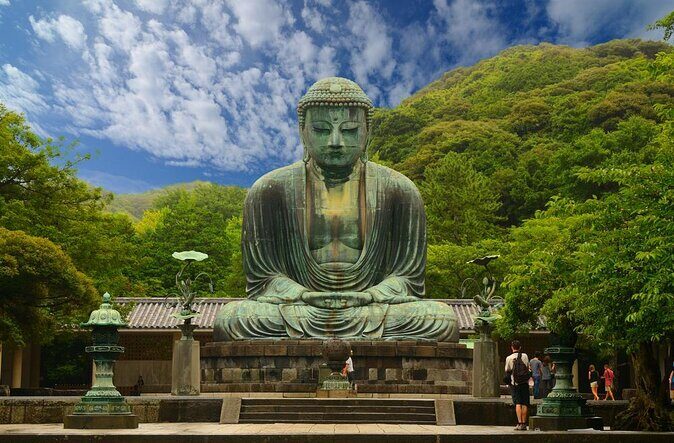
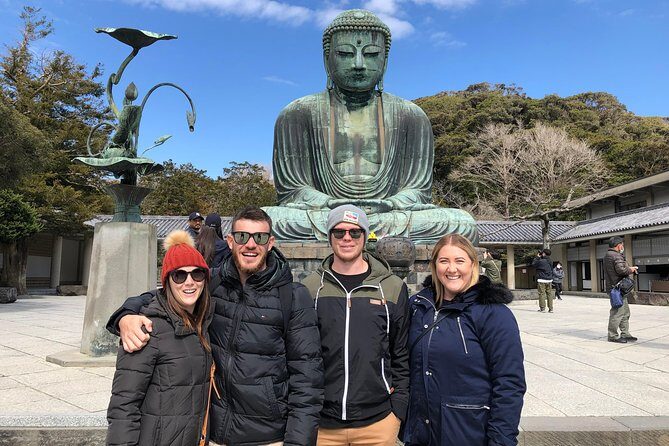
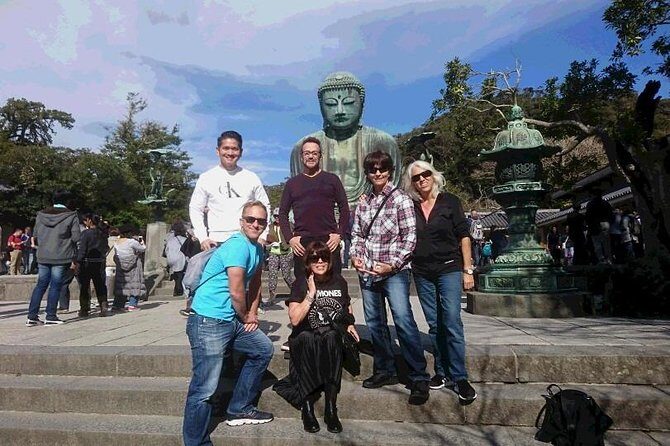
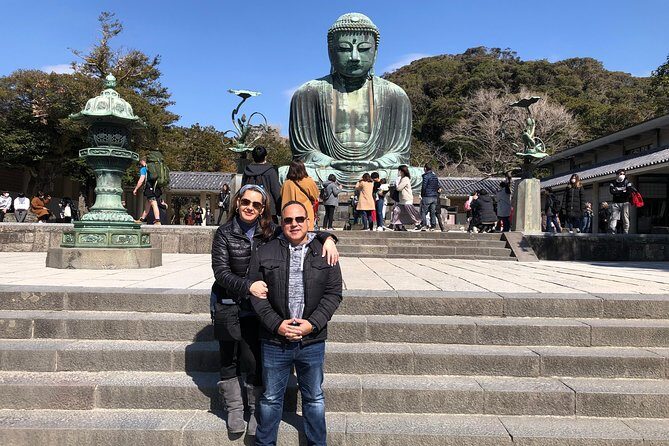
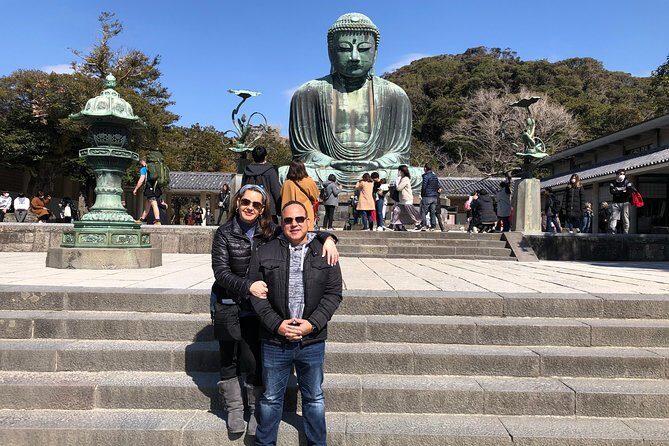
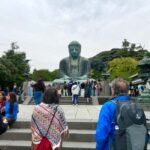
The Great Buddha of Kamakura sits at Kotoku-in Temple. It’s a bronze statue of Amida Buddha, about 11.4 meters tall, and it’s one of those sights where the scale hits immediately once you’re in front of it.
In the planned stop format, it’s a quick visit (around 10 minutes), and admission is listed as not included. That means you’ll pay at the site if you choose it.
Is it worth it? For most first-timers, yes. This is the stop that anchors your trip in a way that’s hard to replicate elsewhere in Japan, especially if your day is only four hours.
Hasedera Temple’s Viewpoint: Why People Actually Remember It
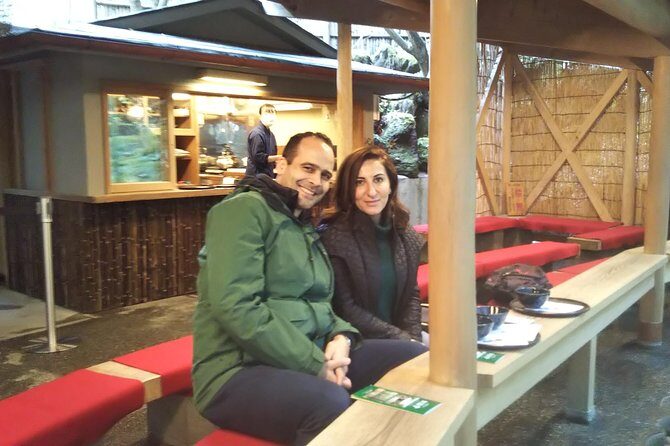
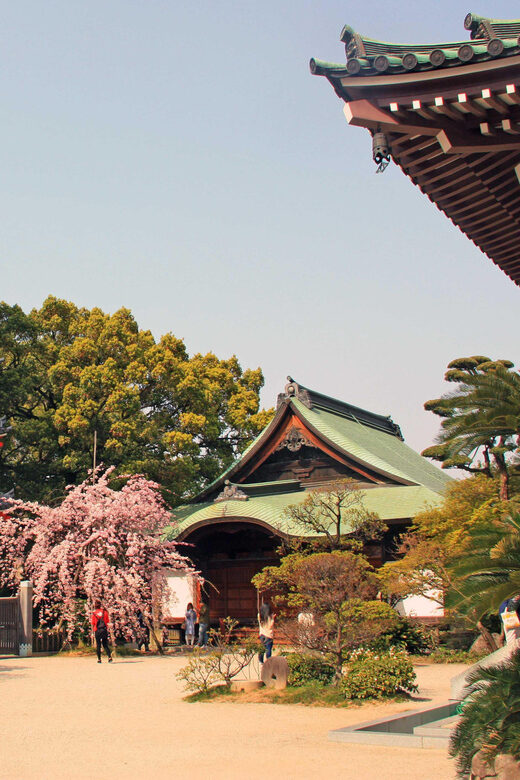
If you want the payoff viewpoint, choose Hasedera (長谷寺). It’s tied to the Jodo sect and is famous for an eleven-headed statue of Kannon (the goddess of mercy). The plan describes a 9.18-meter tall, gilded wooden statue, which is the kind of detail you don’t want to miss.
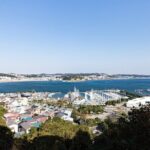
The stop is listed around 5 minutes, but the real value is what the guide helps you notice while you’re there. Hasedera is described as the highest-point temple experience in your route, and that matters because you get a perspective of Kamakura that feels different from street level.
Admission is listed as not included here, so budget for the ticket if this is one of your chosen priorities.
Hokoku-ji Bamboo Grove: When Zen Goes Green
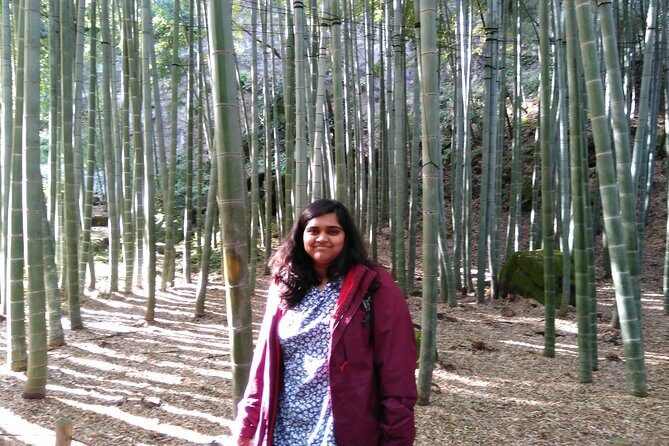
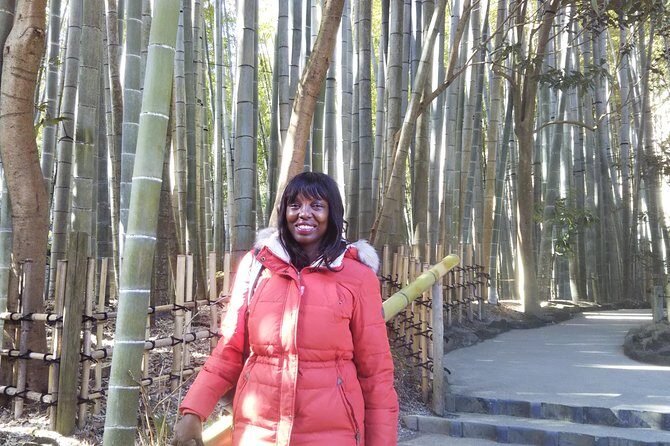
Hokoku-ji Temple is for the senses. Behind the main hall is a small bamboo grove with over 2,000 dark green bamboo stalks, and the plan notes narrow pathways where the bamboo thickens around you.
This is one of the stops that works well even if you’re not a hardcore temple person. Why? You don’t need to know every school or founder to appreciate the texture of the place. Still, with a guide, you’ll likely get context about why certain gardens and groves are treated as spiritual spaces.
Admission is also listed as not included, and it’s a longer-ish stop in the plan (around 15 minutes). If you’re choosing only two or three, Hokoku-ji is a great “break” between big-ticket monuments and the heavier Zen temples.
Kamakura’s Five Great Zen Temples: A Smart Way to Choose Focus
The tour’s options include many of Kamakura’s top Zen temples. The plan explicitly points to a set of “five great Zen temples,” plus branch temples that expand the story.
Here’s a practical way to use that information.
Engaku-ji and Kencho-ji
Engaku-ji is described as one of the leading Zen temples in Eastern Japan and the number two of Kamakura’s five great Zen temples. It was founded by Hojo Tokimune in 1282.
Kencho-ji is number one, the oldest Zen temple in Kamakura, founded by Hojo Tokiyori in 1253.
If you want a clean “Zen education” arc in a short day, choosing one of these larger anchor temples often makes the route feel coherent. Your guide can connect the dots so you don’t end up with random temples on a map.
The Other Greats and Branch Temples
The plan also lists:
- Jufukuji Temple (number three), tied to Minamoto Yoritomo’s wife ordering its establishment.
- Jomyo-ji Temple (ranked fifth), founded by the influential Ashikaga family.
- Kencho-ji school branch sites like Jochiji, Tokeiji, and others, which help you see how temples connect rather than stand alone.
- Zuisen-ji Temple, in the far east of Kamakura in a narrow valley, described as a branch of Engaku-ji.
- Jochiji (number four), a branch temple of Engaku-ji.
Also on the broader menu: Ankokuronji (Nichiren sect) founded around 1253 when Nichiren first came to Kamakura, plus other Nichiren-sect options in the southeast hills.
The drawback with this many choices is that it’s easy to overpick. Since this tour is built for 2–3 stops, use the “five great” info to avoid spreading yourself too thin. Pick one or two Zen temples and let the day breathe.
Meigetsuin’s Hydrangeas and Zeniarai Coin Washing
Two of the most memorable “character stops” are Meigetsuin (Hydrangea Temple) and Zeniarai Benten Shrine.
Meigetsuin (明月院) is a Rinzai Zen temple founded in 1160, also known as Ajisaidera because hydrangeas bloom abundantly on the grounds. In a half-day window, it’s a great choice if you visit during a season when hydrangeas are at their best—or if you just want that pretty contrast to older stone and wood.
Zeniarai Benten Shrine is western Kamakura and famous for “coin washing” (銭洗 means exactly that). It’s described as a popular stop where people wash money at the shrine’s spring. The plan notes a belief tied to the act, which gives the whole place a playful ritual feeling—very different from the solemn scale of the Great Buddha.
Both are listed with admission as not included for Meigetsuin and free for Zeniarai Benten, and each is a short stop in the plan (about 15 minutes). These are perfect if you want something more human and less formal.
Enoshima Island: A Short Ocean Add-On
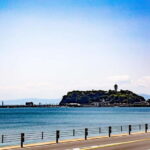
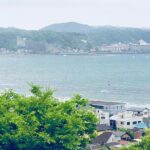
If your chosen stops include the west side, your route can also connect to Enoshima Island (江の島). It’s described as a short train ride west of Kamakura and is connected to the mainland by bridge.
This stop is listed as free and about 15 minutes in the plan. That time isn’t for a long beach day, but it’s enough for salt-air relief and a change in scenery.
If you like variety, this is the best “break” option: temples and shrines up on hills, then ocean-side views before you head back.
How Four Hours Actually Feels: Timing, Crowd Control, and Pace
In a perfect world, your 4 hours flow like: one major shrine/historic site, one “wow” temple, then one atmosphere stop. That’s what the customization supports.
A big advantage of having a guide is crowd management. Even without promising any magic trick, the route sequencing helps. One guide response highlighted how starting with Tsurugaoka Hachimangu early during New Year’s days avoided long waits there. That’s not a guarantee you can count on anytime, but it shows the guides are thinking about real-life foot traffic.
Also, the reviews repeatedly mention guides being flexible when plans shifted. For example, one review praised Shinji for being accommodating for a very last-minute booking and for patience during a delayed start. Another thanked Hiro for working with what the family wanted, including prioritizing a beach look and Enoshima.
That adaptability is valuable because Kamakura can throw you a curveball: weather changes, train delays, or simply the reality that crowds look bigger once you arrive.
What to Wear and Bring (So the Walking Feels Easy)
Since this is a walking tour with public transportation between areas, I’d treat it like a mini-hike day even if it’s not labeled that way.
- Wear comfortable shoes you’ve already broken in.
- Bring a light layer in case the weather shifts, especially since the tour depends on walking.
- Carry water so you’re not spending your energy hunting a store mid-route.
- If you’re visiting during seasonal crowds, keep your phone charged and use the guide to confirm direction before you head into another street full of signs.
This is one of those days where comfort improves everything, from photos to temple viewing.
Who This Tour Is For (And Who Might Prefer Something Else)
This is a strong fit if you:
- want 2–3 must-sees instead of a long, exhausting sprint through every temple
- care about context and want answers while you walk (not only after you read a plaque)
- need help with train navigation and timing from the start of the day
It’s also a great choice for families. In reviews, guides were praised for patience with children, including a guide who helped a son practice Japanese and another guide who was considerate when a family member needed extra time.
If you’d rather self-navigate and you’re already confident with Japanese transit, you could save money by going on your own. But if you want a private half-day plan that reduces stress and increases meaning, this format is made for that.
Should You Book This Kamakura Private Trip?
Book it if you want a practical, guided half-day that hits the big Kamakura highlights without turning your trip into a marathon. The best value is the pairing of licensed guide time plus customizable 2–3 stops, especially if you’re trying to decide between the Great Buddha, Hasedera’s viewpoint, and the Zen temple vibe.
Skip or rethink if you dislike walking, or if you’re counting every yen from the start. Since entrance fees, transit costs, and lunch aren’t included, you’ll want to plan for extra spending on top of the $108.99 tour price.
My bottom-line take: if you pick the right 2–3 stops for your interests and you show up ready to walk, this tour style gives you a very efficient, very Japan-feeling Kamakura day.