REVIEW · TOKYO
Inside Tokyo’s Kitchen: Tsukiji Market, Food & Culture Tour
Book on Viator →Operated by Intrepid Urban Adventures - Japan · Bookable on Viator
Tsukiji is fun even before you eat. This small-group Tsukiji Outer Market tour mixes real food sampling with quick culture stops, so you’re not just aimlessly hunting snacks. I like the limit of six people (you get attention, not crowd-physics), and I like that the tastings include both savory bites and cute wagashi sweets. One thing to plan for: the food is great, but it’s still samples, and some tastings may happen at nearby spots rather than every roll being made right where you’re standing.
You’ll start with a short shrine visit near Kabukiza, then walk through tight market lanes with translation help, stopping for freshly made sushi and Japanese snack-style surprises. You’ll finish at Namiyoke Inari Shrine, where the atmosphere slows down just enough to make the market feel even more interesting.
In This Review
- Why This Tsukiji Tour Works for First-Timers
- Kabukiza Area Warm-Up: Kabuki Inari Shrine and Theater Energy
- Tsukiji Outer Market Lanes: Sushi, Snacks, and Wagashi You Can Actually Taste
- How the Guide Makes the Market Feel Manageable
- Shrines at Both Ends: Namiyoke Inari Shrine and the Calm Finish
- Food Details and Expectations: What You Will and Won’t Get
- Price and Value: Why $83.35 Can Be a Deal in Tokyo
- Who This Tour Suits Best (and When to Skip It)
- Tips to Make Your Morning Smooth
- Should You Book This Tsukiji Outer Market Tour?
- FAQ
- How long is the Tsukiji Market, Food & Culture tour?
- What’s the group size limit?
- Where do I meet the guide, and when does it start?
- What stops are included during the tour?
- Is the tour vegetarian or vegan friendly?
- Are drinks and extra food included in the price?
Why This Tsukiji Tour Works for First-Timers
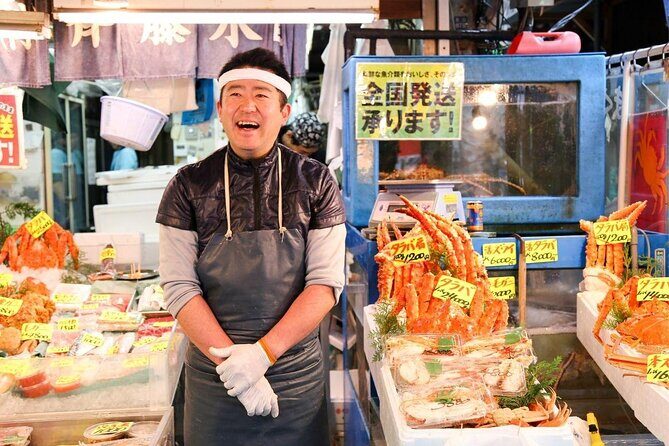
- Small group size (max 6) keeps the pace human and helps you ask questions while you’re eating.
- Shrine stops add context for Tokyo food culture, not just a checklist of places.
- Tastings are the point: fresh sushi, snack bites, and wagashi sweets, not a long lecture with one token bite.
- Translation support reduces stress when you’re trying to order or understand what you’re looking at.
- Closed-toe shoe advice matters since the inner market area can be wet.
- You get insider “what to eat” guidance so you’re less likely to miss the best parts in a maze of stalls.
Kabukiza Area Warm-Up: Kabuki Inari Shrine and Theater Energy
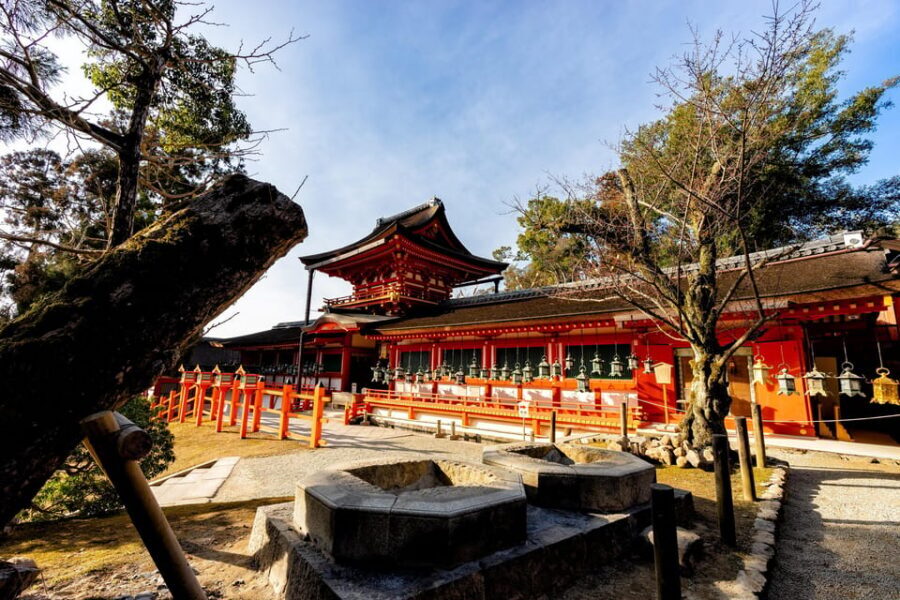
The tour starts at Kabuki Inari Shrine near Kabukiza, meeting in front of the shrine. It’s a smart warm-up because it puts you in the right Tokyo mindset fast: drama, performance, and tradition all side-by-side.
This first stop is only about 10 minutes and it’s free, so you’re not losing time you could be spending tasting. But it still pays off. You’ll learn how kabuki is Japan’s dramatic blend of dance and storytelling, and you’ll get a chance to admire the theater architecture up close before the market noise takes over.
What I like: this opener helps you understand why food in Tokyo isn’t just fuel. It’s part of a culture that values craft and presentation, and that theme shows up again in the sushi and sweets later.
Quick practical note: since you’re meeting near a major theater area, arrive a little early so you’re not playing catch-up with a tight start time.
You can also read our reviews of more food & drink experiences in Tokyo

Tsukiji Outer Market Lanes: Sushi, Snacks, and Wagashi You Can Actually Taste
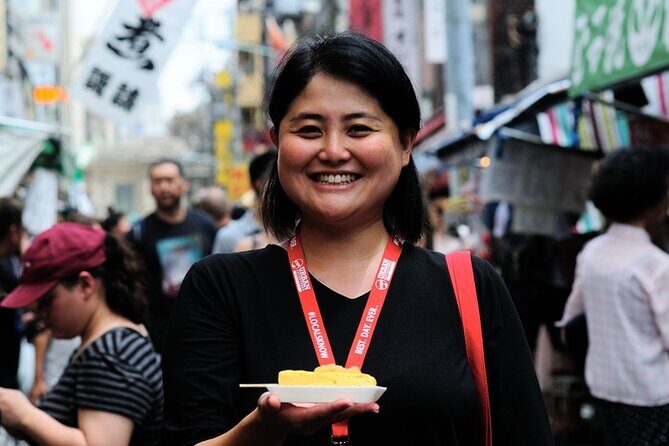
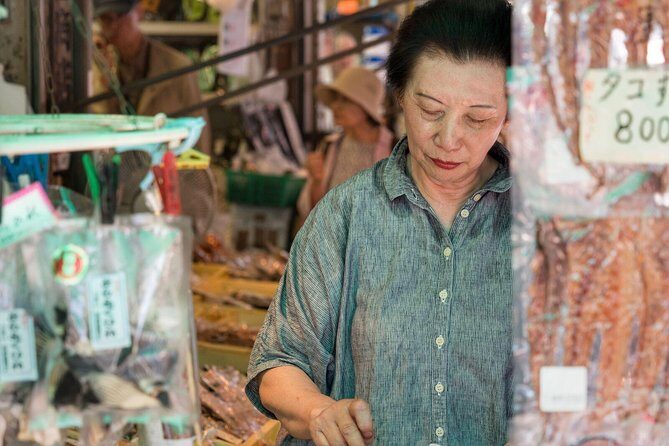
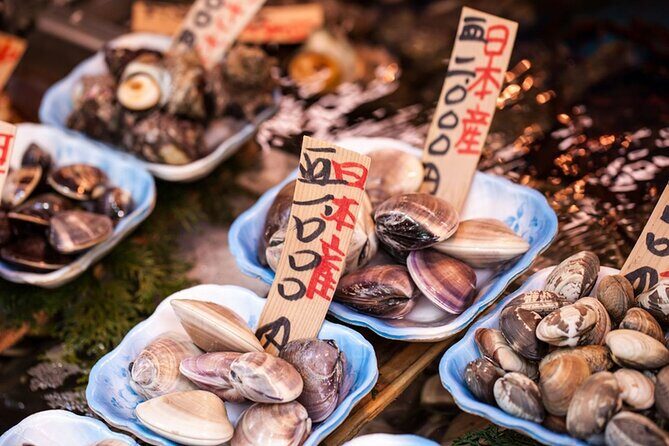
The heart of the tour is the walk through Tsukiji Outer Market. You’ll spend about two hours moving through narrow alleys packed with seafood, vegetables, and snack stalls. The pace is set by your guide, which is a big deal here. In a market this busy, it’s easy to get overwhelmed and miss the stalls that are best for quick sampling.
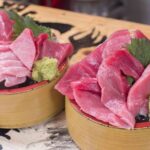
You’ll taste fresh sushi plus Japanese snacks and kawaii style wagashi sweets. That mix matters because it shows the range of what Tsukiji is famous for: not only seafood, but also the “snack culture” that Tokyo does so well. Expect your bites to be small enough to try several things, but substantial enough that you’ll actually feel what makes each one different.
A few details stand out from how guides tend to run this part:
- Some guides focus heavily on seafood selection and how cuts and flavors relate to sushi styles.
- Others bring fun sensory pieces. One group experience included a guide who picked up real wasabi and brought a tool so you could grind it yourself, then taste it with sushi. That kind of hands-on moment turns a snack stop into a skill lesson.
- There are also reports of extra entertainment around the meal, like dancers showing up in the setting. That’s not something you should count on every time, but it hints at how seriously the tour tries to make the food stop memorable.
Potential drawback to factor in: while the market environment is the star, not every single bite will necessarily be eaten inside the exact stall where you first saw it. Some meals or tastings may happen at nearby places that are more practical for sampling. If you want the full “only-in-the-market” experience, go in knowing your guide is trying to keep everything moving and enjoyable.
How the Guide Makes the Market Feel Manageable
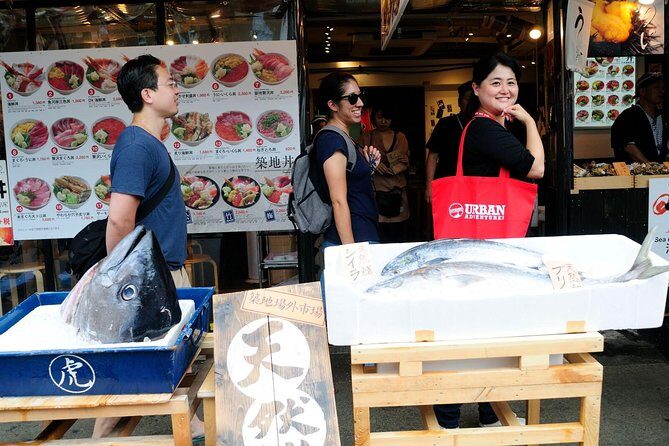
This tour is built around getting you around Tsukiji without the usual first-timer headaches. The guide helps you understand what you’re seeing and translates as needed, which means you’re not stuck doing restaurant-math with a language barrier.
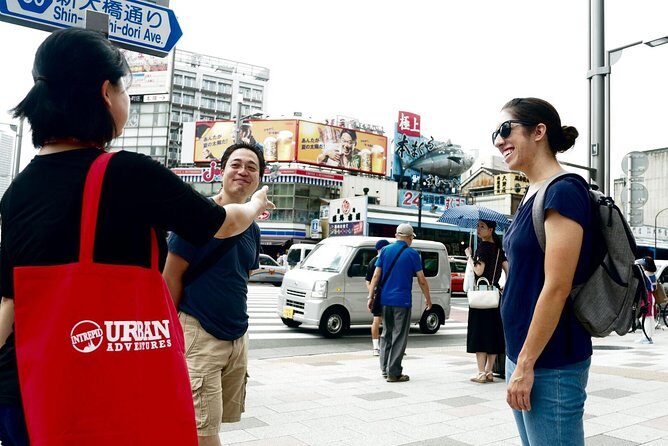
The small group size is the secret sauce. With up to six people, your guide can slow down for questions, show you why one item looks better than another, and adjust based on what you’re curious about. You don’t have to fight for a view of the case or hope someone else asks the question you had.
From past experiences led by guides such as Mihari, Yuri, Shino, Aya, and Koz, there’s a clear pattern: they tend to balance facts with food. You’ll usually walk away with both practical knowledge (what to look for, what to try) and simple cultural context (why certain ingredients and styles matter in Japanese cuisine).
Shrines at Both Ends: Namiyoke Inari Shrine and the Calm Finish
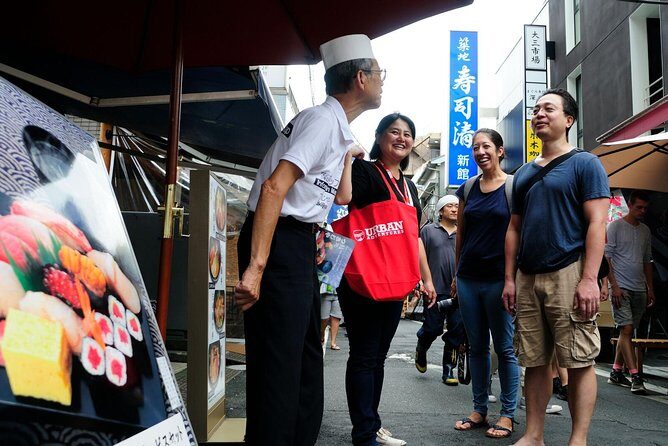
The tour ends at Namiyoke Inari Shrine. It’s a quick stop (around 10 minutes), but it changes the tone. Markets push your senses hard; shrines let them reset.
You’ll get a tranquil break before the final short walk (about 10 minutes) to the nearest station area. Since Tsukiji Station is the usual access point here, the finish is designed to keep you from feeling stranded once the food portion is done.
Why this matters for value: the shrine stops aren’t just decoration. They give you a sense of how Tokyo ties everyday life to ritual spaces. That makes the food feel less like a tourist product and more like part of a working culture.
Food Details and Expectations: What You Will and Won’t Get
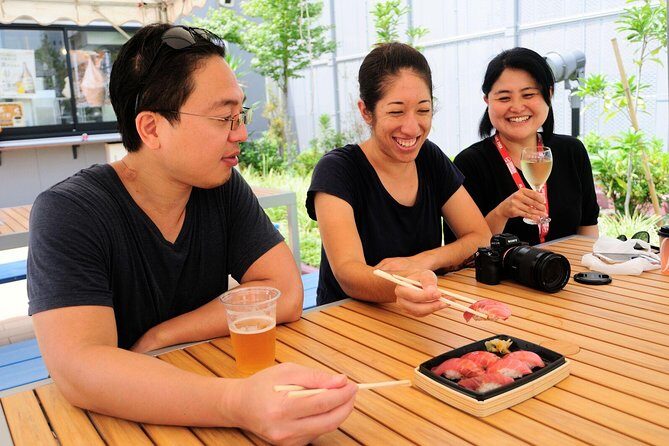
This is a sampling tour. That’s a plus if you want variety without overcommitting, but it’s not the same thing as a full sit-down meal.
Included tastes focus on:
- Freshly made sushi
- Local snacks
- Wagashi sweets
- Plus a couple of culture-related stops that keep your route from turning into a random walk
What’s not included:
- Drinks or additional food beyond the planned tastings
- Tips/gratuities for your guide
There’s also a note on dietary needs: vegetarian and vegan options are available, but the food selection is limited. So if you’re vegan and hoping for a lot of menu-style choices, plan to be flexible and accept that seafood-heavy areas can limit what can be swapped in.
Shoes tip: wear closed-toe shoes. Some market-floor sections can be wet, and sneakers are a smart call.
A few more Tokyo tours and experiences worth a look



Price and Value: Why $83.35 Can Be a Deal in Tokyo
At $83.35 per person for about three hours, this isn’t the cheapest thing on the Tsukiji list. But in Tokyo, the math usually comes down to time saved, guidance quality, and how much you actually eat.
Here’s what you’re paying for, in practical terms:
- A guide to translate and interpret what you’re looking at
- A tight route that avoids wasting time in the sections that don’t suit first-timers
- A small group so you get personal attention while tasting
- Multiple stops that create a full sensory experience, not just one meal
If you tried to do Tsukiji on your own, you’d spend extra time figuring out where to go, what to order, and how to make tastings add up. You might save money, but you’d probably spend that savings in confusion.
So I see this as a value play if you want the payoff (food plus context) and you don’t want to burn your morning spinning your wheels.
Who This Tour Suits Best (and When to Skip It)
This tour is ideal if you like:
- trying a range of Japanese snacks and sweets
- seafood culture and sushi craft
- walking with a plan instead of wandering in crowds
- quick cultural stops that make the food meaningful
You might skip it if:
- you’re expecting an all-you-can-eat feast
- you mainly want to watch tuna slicing or see the entire production side of the market
- you need lots of fully vegan menu-style choices (the tour notes selection can be limited)
For families, it’s also described as child-friendly, and kids under 6 can join for free, which can help the cost make sense for multigenerational groups.
Tips to Make Your Morning Smooth
A few small habits make this kind of market tour way more enjoyable:
- Arrive early. One experience included a problem finding the meet-up spot because the group started while people were still getting oriented. Don’t gamble with time.
- Bring comfortable, grippy closed-toe shoes. Wet floors happen.
- Go hungry for samples, not a huge meal. You’ll likely leave full enough, but drinks and extra food aren’t included.
- Ask what you’re tasting. If your guide offers translation and explanations, take advantage while you’re there. That’s where the “culture behind the food” part clicks.
- If you’re vegetarian or vegan, tell the guide clearly. Since options exist but are limited, clarity helps everyone.
Should You Book This Tsukiji Outer Market Tour?
Yes, if you want a first-timer-friendly way to experience Tsukiji that doesn’t turn into stress. The combination of small-group attention, meaningful tastings (including sushi and wagashi), and shrine stops makes this tour feel like more than just “eat here, then move on.”
I’d book it if your goal is to leave Tokyo with better food instincts, not just a photo gallery of stalls. If you’re ultra-focused on specific market-only visual viewing, you may want a different style of tour. But for most people looking for a morning that’s organized, tasty, and culturally grounded, this one is a strong pick.
FAQ
How long is the Tsukiji Market, Food & Culture tour?
The tour runs about 3 hours.
What’s the group size limit?
The tour is limited to a maximum of 6 travelers.
Where do I meet the guide, and when does it start?
Meet at Kabuki Inari Shrine at 4 Chome-12 Ginza, Chuo City, Tokyo, and the start time is 8:00 am.
What stops are included during the tour?
You visit Kabuki Inari Shrine, walk through Tsukiji Outer Market for about two hours, and end at Namiyoke Inari Shrine near Tsukiji Station.
Is the tour vegetarian or vegan friendly?
Vegetarian and vegan options are available, but the food selection is limited.
Are drinks and extra food included in the price?
Drinks and additional food are not included, and tips/gratuities for your guide are not included.