REVIEW · TOKYO
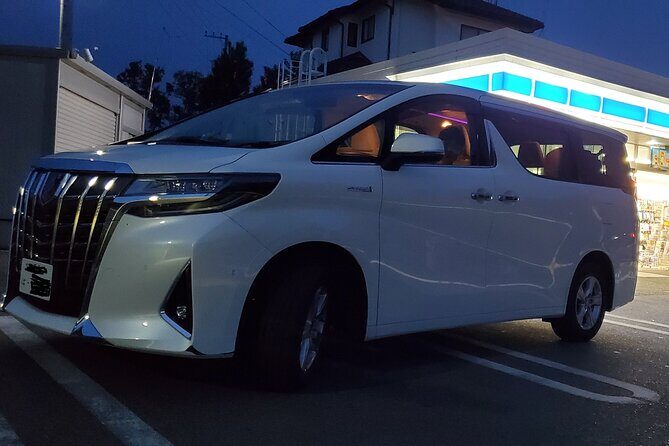
Luxury van Ride to famous car meet up spot Daikoku
Book on Viator →Operated by Team Open Tours · Bookable on Viator
Daikoku dreams start on Tokyo’s expressways. This small-group outing uses a luxury van to whisk you through elevated highways, then turns the trip into an event itself with Rainbow Bridge and Odaiba stopovers before you reach the famous Daikoku Parking Area car meet.
What I like most is how the driving part feels organized and low-stress. You get personal attention in a group of up to 6 travelers, and the route is built around the big visual payoff of Tokyo at night instead of a back-and-forth maze of transfers.
The main thing to consider is time at the meet. You’re scheduled for roughly 1.5 hours, but on busier or slower days (or if traffic timing shifts) you may end up with closer to an hour of walking—still fun, but not enough if you want to study every single car up close.
In This Review
- Key Highlights You’ll Actually Care About
- Entering the Tokyo Highway Problem (and Solving It for You)
- Starting in Shinjuku: Easy Meet Point, Short-Schedule Reality
- From City Streets to Elevated Highways: Your First Real Wow
- Rainbow Bridge at Night: The Skyline Stop That Feels Like a Movie Scene
- Odaiba Break and the Futuristic Fuji Building Moment
- Daikoku Parking Area: How to Enjoy 1.5 Hours Without Rushing
- The Driver Factor: Comfort, Answers, and Jeremy’s Style
- Price and Value: Why $72.67 Can Make Sense
- Weather and Day-of-Week Reality: The Car Lot Is a Living Thing
- Getting Ready: Small Tips That Improve Your Night
- Who This Tour Fits Best (and Who Might Skip It)
- Should You Book It?
- FAQ
- How long is the Luxury Van Ride to Daikoku?
- Where does the tour start and end?
- How many people are in the group?
- Is admission to Daikoku Parking Area included?
- Do I get a ticket on my phone?
- Is it canceled if the weather is bad?
- Is free cancellation available?
Key Highlights You’ll Actually Care About
- Small-group ride (max 6) for easier questions and smoother coordination
- Rainbow Bridge + Odaiba en route, so you get Tokyo skyline views even before the cars
- Daikoku Parking Area entry is free, which keeps the day’s costs sane
- Car variety can be wild, from modded JDMs to serious supercars, and it changes by day/weather
- Jeremy and the team focus on comfort and guidance, including transit and car-culture talk during the drive
- Mobile ticket so you’re not stuck hunting for paper in a busy meeting point
Entering the Tokyo Highway Problem (and Solving It for You)
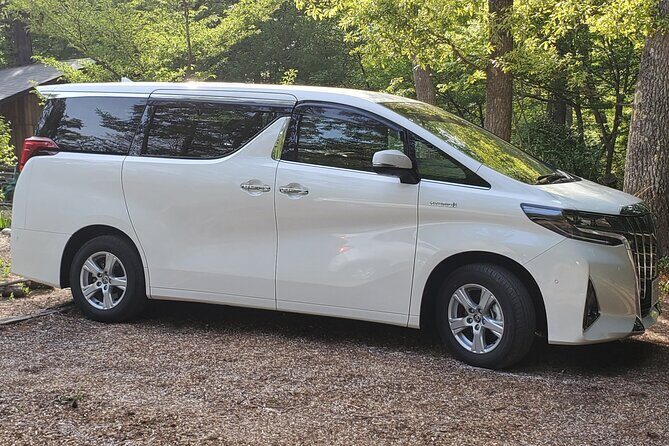
Tokyo is amazing, but getting to Daikoku isn’t the usual sightseeing routine. The whole point of this tour is that it acts like a reliable “transport bridge” to a place where taxis and other normal options can be limited. Instead of spending your evening fighting schedules, you ride there in a comfortable vehicle and use the time watching the city change from dense towers to glowing bayside views.
This matters because Daikoku isn’t just a quick photo stop. The appeal is the cars, sure—but the experience is also the moment you arrive, roll into the parking area atmosphere, and get a real feel for Tokyo’s car culture in motion (people talking, cars filtering in, engines and exhaust notes doing their thing).
You’re paying $72.67 per person for a reason: it’s not just a transfer. It’s a guided night drive experience that also includes time at the meet, and the meet entry is free—so a chunk of the value is baked in.
A few more Tokyo tours and experiences worth a look

Starting in Shinjuku: Easy Meet Point, Short-Schedule Reality
The tour meets at 5-8 Funamachi, Shinjuku City and ends back at that same meeting point. That “return to base” setup is a big deal in Tokyo nights, where getting back can be slower than you expect once the rail timetable gets picky.
Also, this is built as a small-group activity (maximum 6 travelers). That usually means fewer delays at the start, and more flexibility if someone is running late or has a quick question about where to stand or what to look for on the route.
One more practical note: the pickup spot is near public transportation, so even if you’re using the subway a lot, you shouldn’t feel trapped. The tour uses a mobile ticket, which cuts down on last-minute stress—no paper tickets to misplace after a busy day.
From City Streets to Elevated Highways: Your First Real Wow
Once you’re in the van, the drive becomes part of the show. The itinerary is designed around elevated highways, weaving through Tokyo’s tall geometry—bridges, skyscrapers, and monorail lines passing in layers. If you’ve only seen Tokyo from street level, this is your first taste of how the city looks from higher speed angles.
This is also where the small-group format helps. You’re not listening to a canned spiel with 20 other people turning it into background noise. The driver/guides can answer questions as you go, including how the highways are maintained and general transit know-how during the ride.
If you’re traveling with kids or teens, this part is usually the win. It’s exciting without being complicated. You’re moving, you’re seeing real Tokyo infrastructure, and you’re not spending your evening hunched over a phone trying to figure out buses that may not be practical.
Rainbow Bridge at Night: The Skyline Stop That Feels Like a Movie Scene
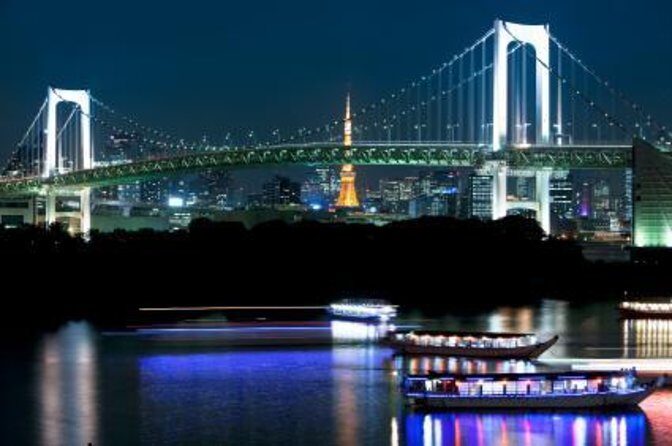
This is the signature “Tokyo sightseeing bonus” part of the tour. You’ll drive over the Rainbow Bridge, and the planned viewing is the night skyline—bright tower clusters, bay reflections, and that wide-open feeling you rarely get just walking around.
The tour treats this as a real stop in the flow of the evening. You’re not rushing through it like a quick checkbox. The bridge view is the kind of moment that makes you understand why Tokyo feels futuristic even when you’re not trying. It’s not only pretty; it’s also a reminder of how the city is connected.
Potential downside: if you’re the type who only cares about cars, this stop can feel like “time away from Daikoku.” But I’d frame it as momentum. By the time you arrive at the meet, you’ll already be in that Tokyo-night mindset, and the shift from skyline drama to parking-area car chaos feels smooth.
Odaiba Break and the Futuristic Fuji Building Moment
After Rainbow Bridge, the tour includes a break on the artificial island of Odaiba. You’ll see the futuristic Fuji building and get a bit of breathing room before heading to Daikoku Parking Area.
This stop is useful even if you’re not into Odaiba specifically. It’s a timing buffer. In a car meet, the schedule can’t always be “perfect clockwork” because car show patterns vary. A planned break helps you reset—water, quick bathroom stop, grab a snack nearby if you want—so you don’t arrive at Daikoku feeling drained.
A word of advice: treat this as your last chance to get set up for walking. Even with plenty of time on paper, Daikoku isn’t a sit-and-watch venue. You’ll naturally want to move between sections and check out cars from different angles.





Daikoku Parking Area: How to Enjoy 1.5 Hours Without Rushing
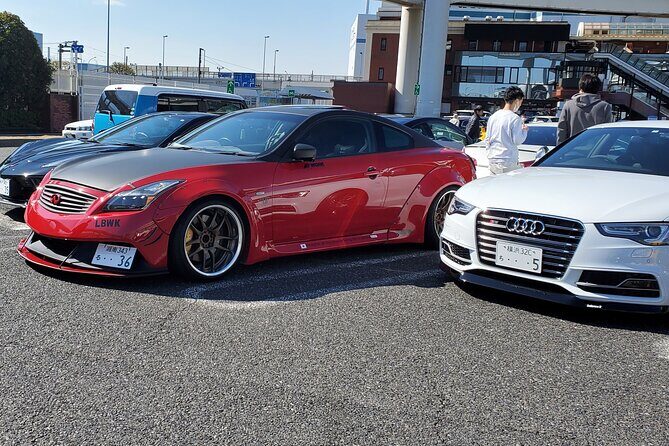
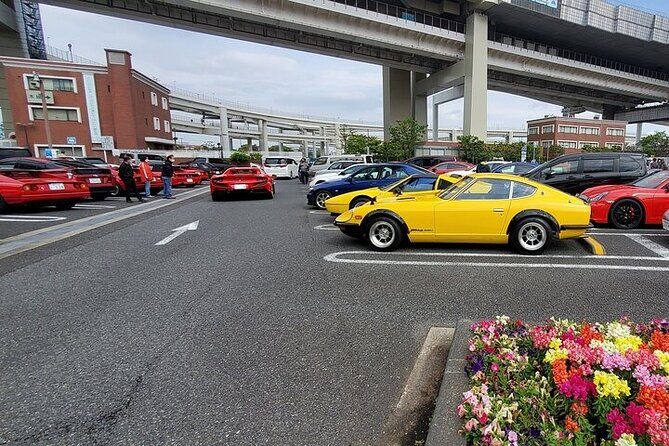
Daikoku Parking Area is the reason you’re here. Admission is listed as free, and the scheduled time at the meet is about 1 hour 30 minutes. That’s enough to see a lot, but it’s still short enough that you’ll want a simple strategy.
Here’s a smart approach:
- Start with wide overviews first: scan for the cars that match your wishlist (supercars, JDM favorites, collectible imports).
- Then do a second pass for the cars that caught your eye.
- Save time to watch cars rolling in or out, since that’s often when you catch surprises.
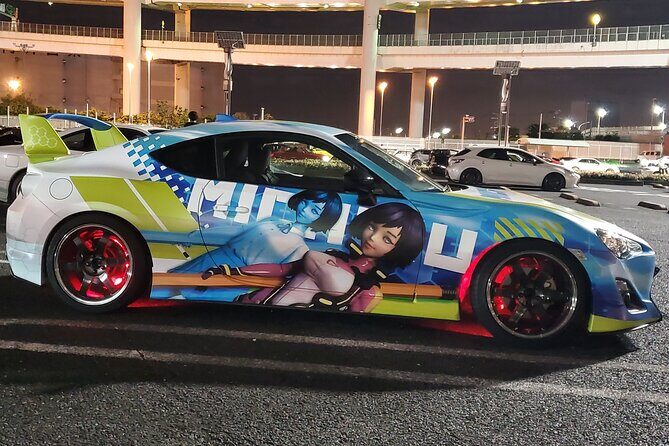
Car lineups can be intense. On some days, you can see a big spread of supercars and imports, including the kinds of models car fans talk about for years—people have mentioned everything from Nissan GT-Rs to Silvia-type favorites and even classic American muscle showing up at times. Other days are lighter, especially with weather.
That leads to the biggest practical point: Daikoku turnout can swing a lot by day and conditions. If it’s rainy, you might get fewer cars. If the day is clear, the lot can feel like it’s bursting. This is why the tour is designed around flexibility in the overall schedule, but you should still know what you’re buying: access to the meet, not a guaranteed number of cars.
Also, it helps to know the tour is basically transportation to the meet. You’ll have time to explore on your own, which is great if you don’t want someone steering you away from the cars you care about.
The Driver Factor: Comfort, Answers, and Jeremy’s Style
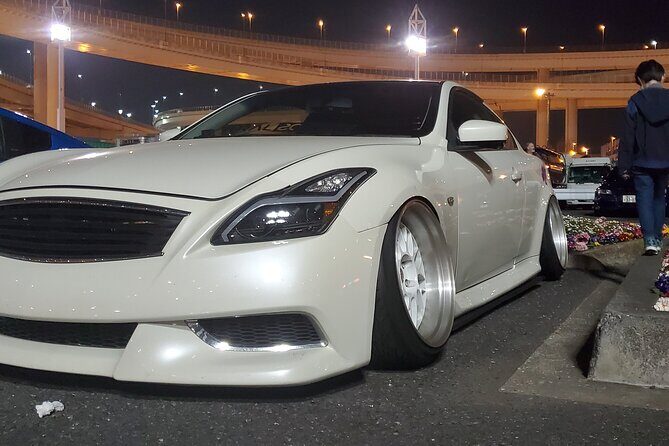
The human part is what separates this from a basic transfer. The driver is part of the experience, especially during the highway run and pre-meet build-up.
Many people highlight Jeremy specifically for being easy to talk to and for answering questions about cars and Tokyo driving/transit realities. That kind of back-and-forth matters because you’re sitting in a vehicle for a while. When the driver can actually explain what you’re seeing—why this route, what you’re passing, how driving works at speed—it stops being “time in a car” and turns into a guided conversation.
There’s also a pattern of extra effort showing up in small ways. For example, people have reported situations like upgrades to a different car model or using a tuned Toyota instead of the standard van depending on availability. Even when it’s just the van, the service tone comes across as personal rather than transactional.
If you’re traveling with family, this is a good fit. The vibe is friendly and supportive, and it’s set up to be safe and sensible rather than chaotic.
Price and Value: Why $72.67 Can Make Sense
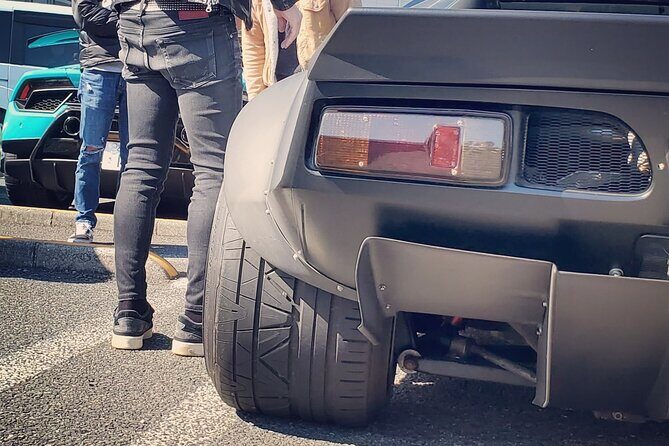
At first glance, you might think, Why not just take a train and walk? The issue is Daikoku logistics. The tour is built around a ride that can reach the meet area when normal options get complicated. You’re also buying time at the car event plus the high-value skyline routing.
Here’s the value math that matters:
- Free admission to the parking area is included.
- You’re not paying for taxis repeatedly.
- You get a bonus sightseeing component (Rainbow Bridge + Odaiba).
- Small-group comfort reduces stress, which is its own form of value.
It won’t beat the price of doing it entirely DIY if you’re comfortable handling everything. But if you want a smooth evening where you’re not second-guessing routes, this price can feel fair—especially compared with other options that can hike transfer-only costs.
One honest caution: some people felt the meet time was short on their specific day. That doesn’t mean the tour is “bad,” but it does mean you should go in with the right expectation. You’re there to sample the car scene, not to spend a whole afternoon studying every panel gap.
Weather and Day-of-Week Reality: The Car Lot Is a Living Thing
The tour is openly dependent on good weather. If conditions are poor, you may be offered another date or a refund. That’s not just fine print. It’s also the reason Daikoku’s car lineup can feel wildly different from day to day.
Think of it this way: Daikoku is a social magnet. When people show up, the atmosphere builds fast. When it’s miserable, fewer show up, and the parking area can feel underpopulated.
So the practical question for you is: what are you optimizing for?
- If you want the highest odds of a strong lineup, aim for clearer conditions and busier general meet times (many people talk about Sunday mornings as a great slot, for example).
- If you just want a fun car culture evening and you’re flexible about the exact number of cars, this tour still delivers—because you’re guaranteed the ride experience and the chance to see what arrives that day.
Getting Ready: Small Tips That Improve Your Night
This is a simple outing, but a few choices will make it better.
Wear shoes you can move in. Even with 1 hour 30 minutes, you’ll naturally walk laps. The parking area atmosphere encourages wandering, checking the front ends, then moving to the rear sections, then comparing mods.
Bring patience for Tokyo timing. Elevated routes can move smoothly, but it’s still Tokyo. That’s why having a planned pickup and return matters.
If you’re the type who loves photos, use the timeline wisely:
- Take a few skyline shots early (before Daikoku),
- Then focus your camera attention on the cars once you’re there.
You can’t capture everything, so don’t try. Pick your favorites and shoot clean angles.
Finally, if you’re also exploring the area around Daikoku, you might find that the meet location is reachable on foot from nearby subway lines (some people mention easy walks from Akebonobashi or Yotsuya-sanchome). That’s not the tour’s responsibility, but it’s good backup knowledge if you end up early or want to extend your evening.
Who This Tour Fits Best (and Who Might Skip It)
This is for car fans who want an easy, comfortable way to reach Daikoku without navigating Tokyo transit at night. It’s also for families who want a safe, structured activity with a cool payoff.
It’s a good fit if you:
- want the Daikoku car meet experience plus major Tokyo night views,
- like small-group settings,
- enjoy asking questions during the ride.
It might be less ideal if you:
- only care about maximizing time at the parking lot and dislike itinerary stops,
- are extremely price-sensitive and plan to DIY everything,
- need a guaranteed number of cars.
That last one is key. Daikoku is weather and day dependent. Your experience is the ride and the access; the lineup is the bonus that varies.
Should You Book It?
I’d book this if you want the simplest path to Daikoku with a proper Tokyo night drive package. The combination of small-group comfort, Rainbow Bridge + Odaiba skyline time, and free entry makes the value feel grounded.
I’d think twice if your top priority is slow, detailed car study for hours. This is a ride-to-meet experience, not a full-day car museum session. If your schedule is tight or you’re hoping for a specific car lineup, keep expectations flexible.
If you’re deciding last-minute, remember the tour is designed for good weather. With that in mind, pick the date you think will be best, and you’ll give the car scene the best chance to show up strong.
FAQ
How long is the Luxury Van Ride to Daikoku?
The trip is listed as about 2 to 3 hours total, with time at Daikoku Parking Area of around 1 hour 30 minutes.
Where does the tour start and end?
It starts at 5-8 Funamachi, Shinjuku City, Tokyo 160-0006, Japan and ends back at the same meeting point.
How many people are in the group?
The tour has a maximum of 6 travelers, which keeps the ride more personal and easier to manage.
Is admission to Daikoku Parking Area included?
Yes. Admission is listed as free for the Daikoku Parking Area stop.
Do I get a ticket on my phone?
Yes. The tour uses a mobile ticket.
Is it canceled if the weather is bad?
Yes. The experience requires good weather. If it’s canceled due to poor weather, you’ll be offered a different date or a full refund.
Is free cancellation available?
Yes. You can cancel for a full refund up to 24 hours in advance of the experience start time.