REVIEW · NARA
Nara Early Morning Tour (Kyoto or Osaka Departure Available)
Book on Viator →Operated by GuideMe Japan · Bookable on Viator
Nara is crowded by midday, so this tour starts early. The big win is simple: you see major temples and the deer at Nara Park before the bulk of the tour buses arrive. It’s a half-day walk through Japan’s ancient capital sites with time to ask questions, grab photos, and take it all in at a calmer speed.
I especially like the small group size (max 12). That setup makes it easier to keep together and actually talk with your guide, and you’ll notice it when you hear guides like Nana, Momoka, Haruka, and Futaba keep explanations clear and patient. I also like the focus on the essentials: Kofuku-ji, Kasuga Grand Shrine, Nara Park, then Todaiji’s Great Buddha.
The main drawback to plan around is the walking. You’ll cover about 10,000 steps, and the tour isn’t recommended for guests over 75 or for kids under 6. Also, Todaiji admission is extra (¥800 per person), so check that before you arrive with a shoestring budget.
In This Review
- Key things that make this tour worth it
- Why Nara at dawn feels different (and easier)
- Small-group tour, max 12: why it matters in real life
- Getting started: where the tour meets and how long it takes
- Stop 1: Kofuku-ji Temple and its five-storied pagoda
- Stop 2: Kasuga Grand Shrine lanterns at the right hour
- Stop 3: Nara Park deer time (yes, they really respond)
- Stop 4: Todaiji Temple and the Great Buddha (where the extra cost hits)
- The walking game: 10,000 steps, but paced well
- Price and value: what you pay for, what you still need
- Kyoto or Osaka pickup: planning your morning route
- What you’ll notice about the guides (and why it affects your day)
- Who should book this Nara early-morning tour
- Should you book it? My practical take
- FAQ
- Where does the tour start and end?
- How long is the Nara Early Morning Tour?
- Is the group small?
- Is there an option for pickup from Kyoto or Osaka?
- What entrance fees should I expect?
- What’s included in the price?
- Are food and drinks included?
- How much walking is involved?
- Who can join, and who should avoid it?
Key things that make this tour worth it
- Early-morning timing to dodge the biggest crowds at Nara Park and the temples
- Max 12 people, which usually means a calmer pace and more personal attention
- Free admissions for Kofuku-ji and Kasuga Grand Shrine (Todaiji costs extra)
- English-speaking guides who answer questions and help with on-the-ground tips
- Nara Park deer time, including that classic deer-feeding moment
- Mobile ticket plus optional pickup from Kyoto Station for a smoother start
Why Nara at dawn feels different (and easier)
If you’ve ever tried to enjoy Nara Park mid-morning, you know the feeling: people everywhere, slow movement, and your photos look like a crowd study. This tour cuts that problem off at the knees by going early. You’ll get that crisp, quieter park atmosphere while the paths are still breathable, and the temples feel more like places of worship than a moving line.
There’s also a practical upside. The early start means you spend your energy seeing and learning instead of weaving through peak congestion. It’s one of those “you’ll thank yourself later” choices, especially if you’re doing other Kansai sights like Kyoto temples the same trip.
You can also read our reviews of more tours and experiences in Nara.
Small-group tour, max 12: why it matters in real life
On paper, 12 people doesn’t sound huge. In practice, it changes everything. With a smaller group, your guide can adjust the pace if someone has questions, if a family needs a moment, or if you want an extra minute for photos. People on these tours consistently call out the pacing as not rushed and genuinely interactive—exactly what you want for a half-day.
You’ll also notice the group stays together better. Nara Park and the temple grounds can spread people out, and it’s easy to lose time when you’re sightseeing solo. Here, the guide helps you keep track of what matters and where to stand for the best views.
Guides like Nana, Momoka, Haruka, Futaba, Ginko, Koh, and Shin come through in the feedback for being friendly, patient with questions, and helpful with making the route make sense. That combination matters because Nara is full of details—lanterns, pagodas, temple halls—and a good guide turns those details from random sights into something you actually remember.
Getting started: where the tour meets and how long it takes
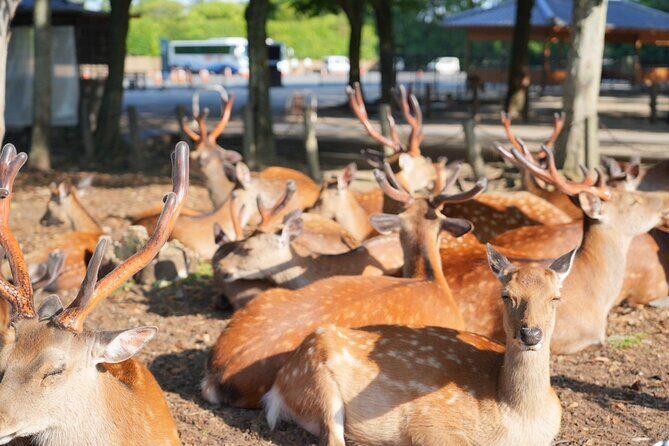
The tour starts and ends at Nara Park. That’s helpful because it keeps you anchored in one area and reduces the chance of a “where do we go next?” moment.
Plan for about 4 hours 30 minutes and roughly 10,000 steps. It’s not a sit-and-watch experience. It’s walking through temple neighborhoods and the park, with stops designed for learning and photos. If you’re the kind of traveler who likes to wander, this schedule is actually comfortable—just be ready for shoes that don’t hate you.
You can also choose an optional pickup at Kyoto Station. If you’re starting from Kyoto or Osaka, there’s transportation to Nara included only when you select that option.
Stop 1: Kofuku-ji Temple and its five-storied pagoda
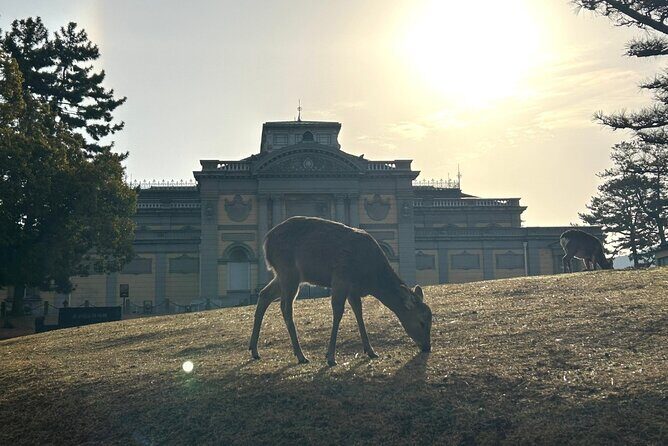
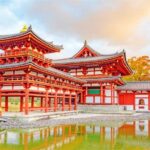
Kofuku-ji is one of the anchor temples in Nara, and it’s easy to see why it’s the first stop. The site goes back to when Nara became the capital (in 710). You’ll focus on the temple’s famous structure: the five-storied pagoda, often described as Japan’s second tallest wooden pagoda, just seven meters shorter than the tallest.
Why this stop is a great opener: it sets the stage. Before you hit the shrine lanterns and the deer chaos, you get a sense of the era and the architectural scale you’re walking through. Your guide can connect what you’re seeing to the bigger story of Nara, and it makes later stops feel less like separate attractions.
Admission is free for Kofuku-ji on this tour, which is a nice budget bonus early on.
Stop 2: Kasuga Grand Shrine lanterns at the right hour
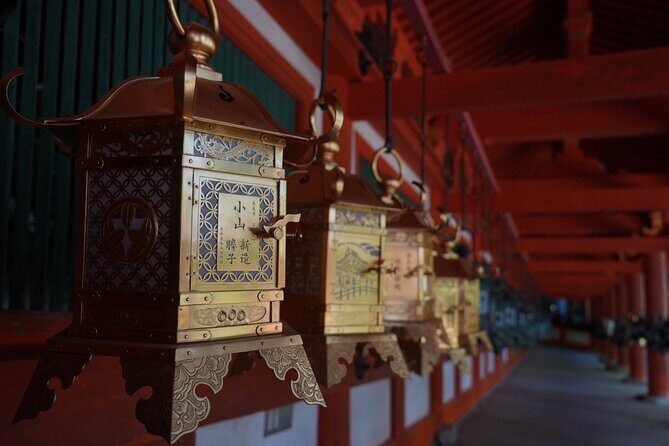
Kasuga Grand Shrine is famous for its lanterns. In plain terms, you’re walking through a forest of glowing history—about 3,000 stone and bronze lanterns, donated over time by worshippers. The lanterns aren’t just decoration; they’re tied to long-term devotion and tradition at the shrine.
You’ll have about 1 hour here, which is enough time to slow down and notice details. This is one of those stops where photography helps, but listening helps more. A guide can explain what you’re looking at so it doesn’t become a blur of lights and stone.
Admission is also free on this tour. It’s a good place to take a breather before the park walk.

Stop 3: Nara Park deer time (yes, they really respond)
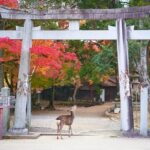
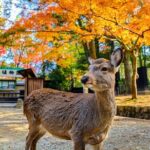
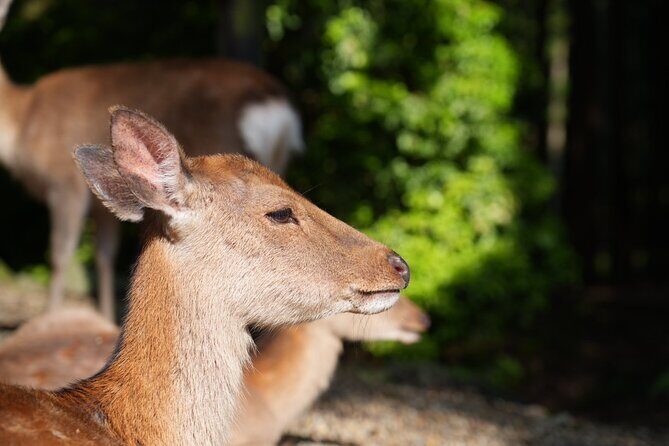
Then comes Nara Park, the part most people picture first—and that’s not a coincidence. You’re in deer country, with thousands of wild deer roaming where you walk. Your guide also explains why they’re sacred. The deer are connected to Kasuga Shrine’s tradition; one of the four gods is said to have ridden a deer to Nara, which is why deer are treated with reverence.
Here’s the thing: deer can be cute and bold at the same time. One of the most memorable bits from the feedback is that the deer can respond in a very human-like way to snacks, even appearing to bow when offered food. That moment is pure Nara theater.
Practical tip: keep your hands low and your snacks secured. You’re visiting wildlife. Don’t chase the deer for photos. Just be calm and let them come to you.
This stop is about 30 minutes, which is enough time to enjoy the spectacle without turning it into a long waiting game.
Stop 4: Todaiji Temple and the Great Buddha (where the extra cost hits)
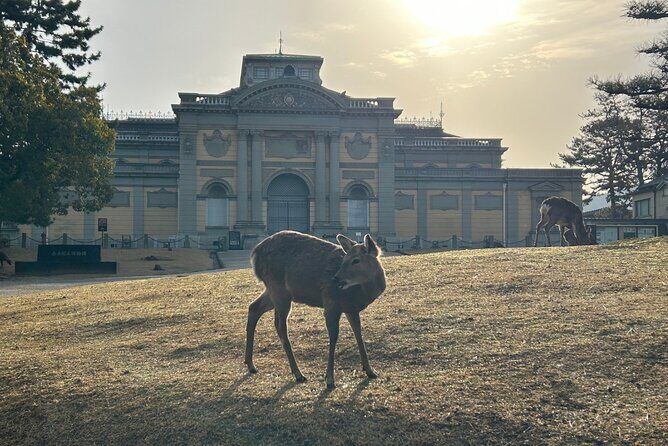
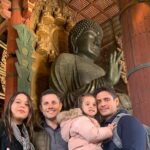
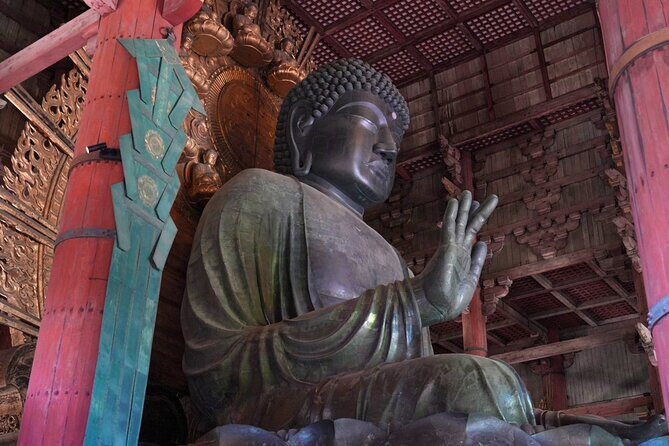
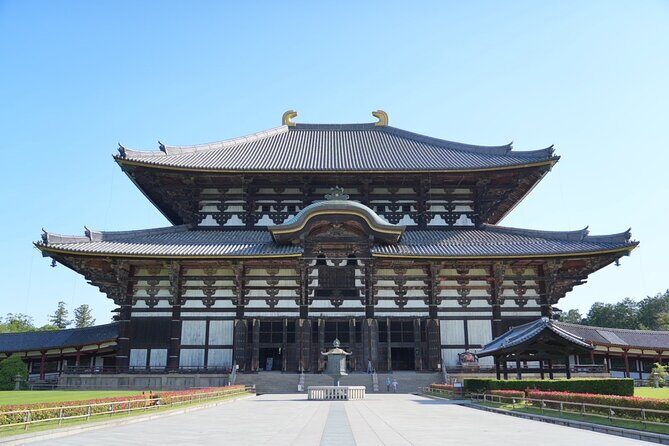
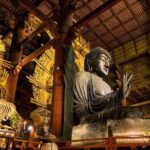
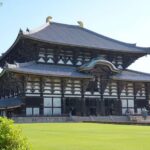
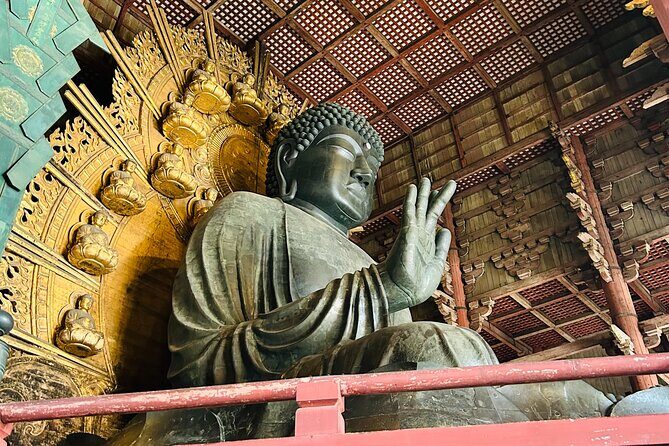
If Kofuku-ji and Kasuga set the stage, Todaiji is the final, heavyweight act. You’ll spend about 1 hour at Todai-ji Temple, known for its Great Buddha Statue. Your guide can also point out that the main hall used to be the world’s largest wooden building until fairly recently, which helps you understand why the scale feels so intense in person.
This is the stop where the tour has a clear cost add-on: Todaiji admission is not included and costs ¥800 per person. So budget for it ahead of time, especially if you’re comparing this tour price with other Nara options.
Even if you’ve seen photos before, the Great Buddha hits differently in person. The size is part of the story, and the guide’s framing makes it easier to appreciate rather than just stare at something big.
The walking game: 10,000 steps, but paced well
A tour can promise an easy pace and still feel like a sprint. This one is designed to be walkable. The feedback consistently flags that guides keep it relaxed, with room for photos and questions. The early morning schedule helps too—you tend to move faster when the paths are less packed.
Still, don’t ignore the reality check: you’ll walk around 10,000 steps. If your legs are already tired from Kyoto days, plan light the day before. Bring water, and wear comfortable shoes you’ve broken in already.
If you’re traveling with kids, this walking length can work for some families, but it’s not a stroller tour. Also remember the age rule: kids under 6 can’t join.
Price and value: what you pay for, what you still need
The price is $61.02 per person, and for a tour with an English-speaking guide plus transit to Nara (when you pick the option), it can be good value—especially compared with the hassle of coordinating your own timing.
Here’s the value breakdown that matters:
- What’s included: English-speaking guide, and transportation fee from Kyoto/Osaka to Nara if you select that option
- What’s not included: food and drinks, your return transport back to Kyoto/Osaka, and Todaiji admission (¥800)
Food is on you, so you’ll want to think about timing. You’ll likely finish before lunch crowds fully ramp up, which is a bonus. You’ll also appreciate that your guide may share practical restaurant suggestions and help with where to go next.
Also note the tour offers group discounts and uses a mobile ticket. Those small conveniences reduce friction when you’re trying to move quickly in Japan.
Kyoto or Osaka pickup: planning your morning route
If you’re departing from Kyoto or Osaka, this tour can fit cleanly into your schedule. The big decision is whether you want the optional pickup at Kyoto Station and whether you select the transit option to include transportation fee from Kyoto/Osaka to Nara.
Why this matters: Nara is close to Kyoto and Osaka, but it still takes time to coordinate your train and match the right arrival window for an early start. Pickup helps remove one layer of stress. If you’re already confident with trains and don’t mind figuring it out, you can still go on your own—but the convenience is part of the appeal.
One more thing: the tour ends back at Nara Park, and return transportation is on your own. So plan your next train after the tour finishes rather than assuming the tour operator handles your ride back.
What you’ll notice about the guides (and why it affects your day)
The highest praised part across the feedback is the guide experience. People mention guides as friendly and supportive, with explanations that make the temples click. You’ll also see a theme of guides being patient—especially when there are kids, lots of questions, or travelers who want photo time without feeling rushed.
Examples that come up: Nana and Momoka for strong history explanations and friendly guidance, Haruka for a pace that feels unhurried, Futaba for keeping communication smooth and making the experience interactive, and Ginko or Koh for taking time to answer questions. Even guides like Kevin and Shin are praised for keeping the group comfortable and the walk manageable.
This is what you should expect from a good Nara morning guide:
- Step-by-step guidance so you don’t feel lost
- Time to ask questions without being shut down
- Local tips that help beyond the temple gates
Who should book this Nara early-morning tour
This tour is a great fit if you want:
- To see the major sights without fighting the midday crowd
- A guided route that helps you understand what you’re looking at
- A small group experience (max 12)
- A walking plan that’s active but not frantic
It’s less ideal if:
- You don’t handle walking well (expect about 10,000 steps)
- You’re traveling with a child under 6
- You’re over 75 and the tour warning applies to you
- You’re hoping for a low-cost day with no extra entrance fees (Todaiji costs ¥800)
Should you book it? My practical take
Yes—if your main goal is to experience Nara before it gets loud, and you want a guide to connect the dots between pagodas, lanterns, deer, and the Great Buddha, this tour is a smart use of time. The early start is the centerpiece value, and the small-group size turns it from a crowded checklist into a real morning out.
Before you book, do two simple things:
1) Budget for Todaiji’s ¥800 admission
2) Make sure you can handle 10,000 steps comfortably
If you match those points, you’ll likely come away with more than photos—you’ll come away with a clearer sense of why Nara matters, and why starting early is such a win.
FAQ
Where does the tour start and end?
It starts at Nara Park, Nara Park, Japan and ends at Nara Park as well.
How long is the Nara Early Morning Tour?
The tour runs about 4 hours 30 minutes.
Is the group small?
Yes. The tour has a maximum of 12 travelers.
Is there an option for pickup from Kyoto or Osaka?
There’s an option to include pickup at Kyoto Station. Transportation fee from Kyoto/Osaka to Nara is included only if you select that option.
What entrance fees should I expect?
Kofuku-ji Temple and Kasuga Grand Shrine are free on this tour. Todaiji Temple admission is not included and costs ¥800 per person.
What’s included in the price?
You get an English-speaking guide. If you select the transportation option, your fee includes transport from Kyoto/Osaka to Nara.
Are food and drinks included?
No. Food and drinks are not included, so you’ll need to plan your own meals.
How much walking is involved?
The tour involves walking about 10,000 steps.
Who can join, and who should avoid it?
It’s listed as not recommended for guests over 75, and children under age 6 cannot join.