REVIEW · NARA
E-Bike Nara Highlights – Todaiji, Knives, Deer, Shrine
Book on GetYourGuide →Operated by Japan Tour Adventure · Bookable on GetYourGuide
Deer, temples, and a little speed on an e-bike. This Nara highlights route strings together big-name sights with calmer stretches, so you get variety without spending your whole day walking.
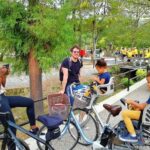
I especially love the E-bike setup for covering more ground than a normal stroll, and the Kasuga Taisha lantern experience, which turns a shrine visit into something visual and memorable. Guides I’ve heard about from this tour, like Chris and Remi, are also the kind who keep the history understandable and the ride moving.
One consideration: if you want a super slow, stop-everywhere stroll, this ride can feel pace-forward, since you’re on two wheels for most of the afternoon.
In This Review
- Key highlights at a glance
- Nara’s best highlights, powered by an E-bike
- Meeting point near Kintetsu Nara: easy start, fewer headaches
- What’s included for your $90: value beyond the bike rental
- Nara Park deer time: doing it right, without turning it into chaos
- The Nandaimon Gate and Todaiji: big doors, big meaning
- Mt. Wakakusa: a scenic change of tempo
- Kikuichimonjushirokanenaga honten: the Japanese knife and cutlery stop
- Kasuga Taisha: the thousand lantern effect
- Back through Nara Park: tying the day together
- E-bike riding tips so you stay comfortable
- Guide quality: names I’ve seen associated with this tour
- Price vs. what you get: is $90 a good deal?
- Who this tour fits best (and who should reconsider)
- Should you book this Nara E-bike highlights tour?
- FAQ
- Where do I meet the guide?
- What language are the tours?
- How long is the tour?
- What sights are included?
- Is the deer feeding included?
- Do I pay for temple entry fees?
- What about the E-bike and helmet?
- What snack is included?
- Is bicycle insurance included?
- What should I bring, and what’s not allowed?
Key highlights at a glance

- E-bike route that compresses a whole Nara Park day into about 3.5 hours
- Todaiji access plus smart time for photos and wandering at the Nandaimon Gate and temple grounds
- Deer-feeding know-how so you can do the Nara thing without awkwardness
- Knife and cutlery introduction paired with a real shopping/market stop
- Kasuga Taisha thousand-lantern atmosphere as a major visual payoff
- Easy start near Kintetsu Nara Station at the bike base by Building LIFE 21
Nara’s best highlights, powered by an E-bike

Nara has a way of making you choose: either you walk and see less, or you speed up and risk missing the small moments. This tour splits the difference with an E-bike format, letting you hit the major icons while still having actual time at stops.
The route focuses on the Nara Park area, where deer roam, temples rise, and the scenery changes as you ride. You’re not just commuting between famous places. You’re getting the “walkable-feeling” of the area, with wheels doing the hard work.
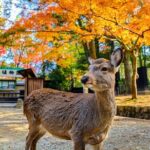
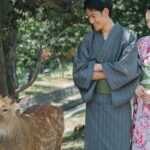
And yes, you get to feed the deer in a way that fits local expectations. That alone turns a sightseeing outing into a real Nara experience.
You can also read our reviews of more cycling tours in Nara

Meeting point near Kintetsu Nara: easy start, fewer headaches
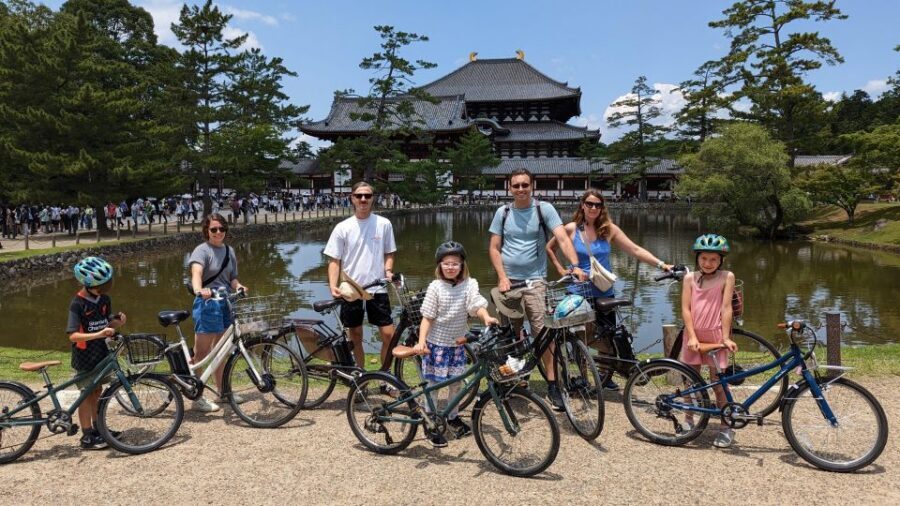
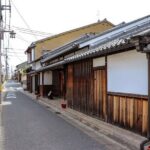
You meet your guide just a few minutes from Kintetsu Nara Station (not JR), in front of the Building LIFE 21 at the bike base. The street address is listed as 16-1 Takamaichichō, so you can plug that into a map app if you’re unsure.
Show up 15 minutes early. On a tour that moves fast enough to cover multiple major sites, being late can turn into a domino effect for everyone.
If you requested one, you can get a helmet based on availability. I’d plan on comfortable clothes and shoes because you’ll be walking inside temple areas and shrine grounds, not only riding.
What’s included for your $90: value beyond the bike rental
For about $90 per person and a 210-minute duration, the value comes from what’s baked in. You’re not paying only for a vehicle.
Included items you should care about:
- E-bike rental (the main “time saver”)
- Todaiji entrance fees
- Deer cookies for feeding in Nara Park
- An introduction to Japanese cutlery, plus a structured explanation of how it fits Japan’s traditions
- One Japanese snack, Kanoko, per guest
- Shopping assistance at the knife/souvenir stop if you want help picking something
Not included, so plan ahead:
- Extra deer cookies, extra food and drinks
- Tips for the guide (not required, but appreciated)
- Bicycle insurance
- Anything you might assume is covered but isn’t
One practical takeaway: this price makes sense if you want a guided day that mixes riding, entrances, and cultural stops. If you’re the type who only wants to wander freely, you may be better off building a self-guided Nara itinerary.
Nara Park deer time: doing it right, without turning it into chaos
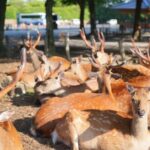
The tour starts with a ride through Nara Park, with wildlife viewing time built in. Then the itinerary repeatedly returns to the park area, which is smart because it gives you chances to see deer at different moments instead of gambling on one crowded scene.
Feeding deer is the obvious draw, but the real value is etiquette. You’ll learn the Nara way to handle deer cookies, so you’re not just waving snacks around and hoping for the best. It keeps things calmer and more respectful for the animals and for other visitors.
If you want the photo without the hassle, this is where you’ll get it. Deer are unpredictable. But the tour timings and guidance help you catch that magical “standing close but not panicking” moment.
The Nandaimon Gate and Todaiji: big doors, big meaning

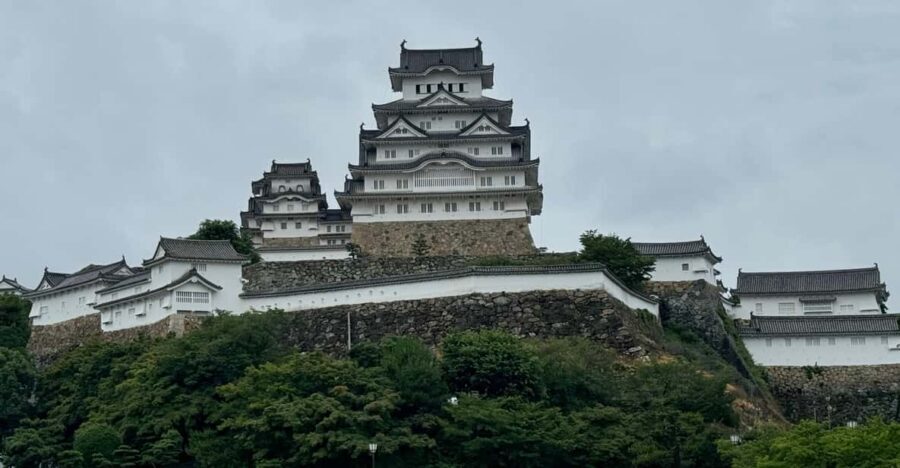
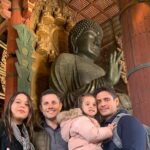
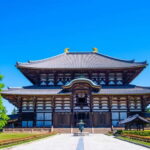
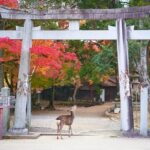
Next up is the Nandaimon Gate of Tōdaiji, where you get a photo stop and guided visit, plus a bit of free time. Even if you’ve seen temple photos before, standing near a massive gate changes the scale. It makes the place feel real, not just impressive on your screen.
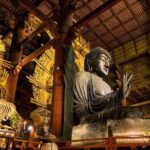
After that, you move to Tōdai-ji for a guided introduction, free time, and shopping assistance. The total structure gives you both:
- enough guided context to understand what you’re looking at, and
- enough unscheduled time to slow down, take photos, and browse.
Shopping is part of the flow here. That matters because people often treat Nara as temples only. This tour lets you treat it like a living area with craft traditions you can actually take home.
A small caution: you’ll walk. Not all the time is on the bike. If your legs are tired from prior days, bring that up at the start so the guide can help with pace.
A few more Nara tours and experiences worth a look
Mt. Wakakusa: a scenic change of tempo
Then there’s Mt. Wakakusa. You get a photo stop and some scenic riding time, with wildlife viewing. This is a nice change from temple-heavy moments because it shifts your focus to open views and the feeling of the park’s edges.
Even if you don’t plan on hiking up anywhere, this stop helps break up the day. It’s also a good spot for a breath of air and a reset if the deer and temples have you in full tourist mode.
Kikuichimonjushirokanenaga honten: the Japanese knife and cutlery stop
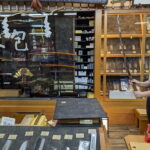
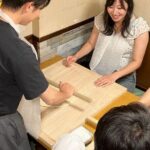
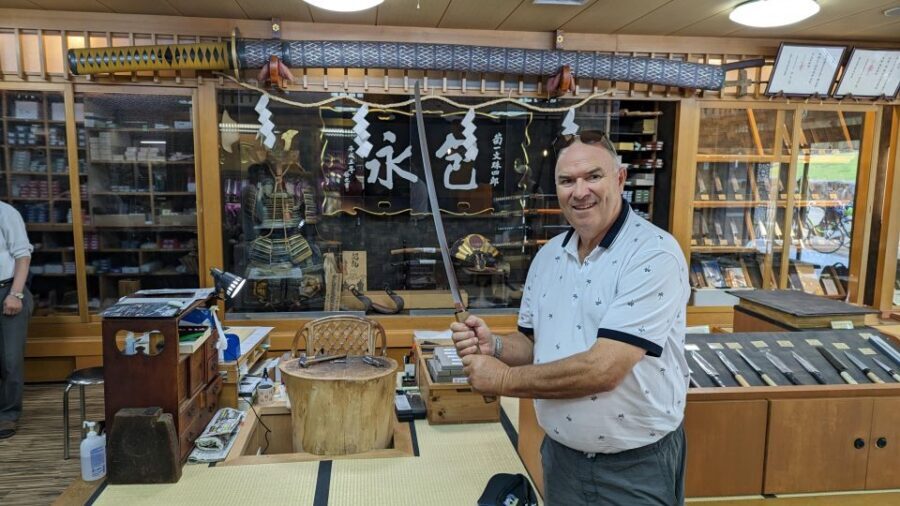
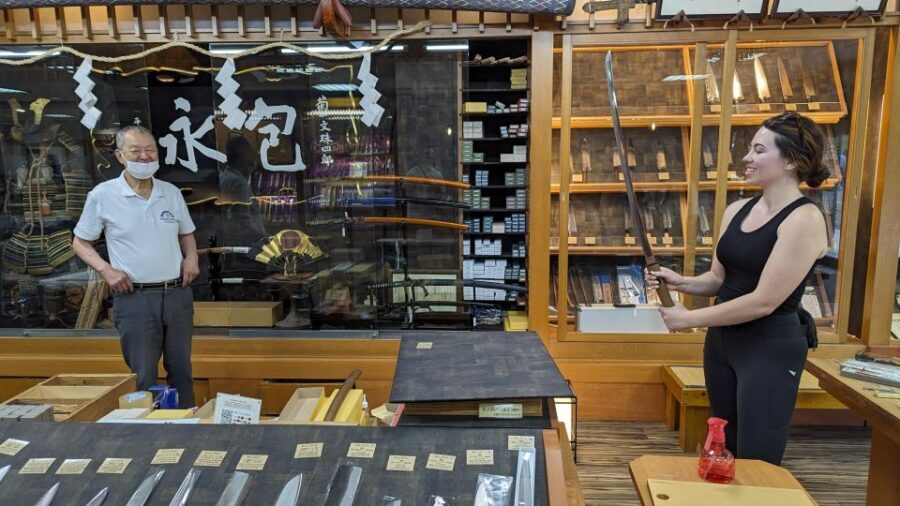
One of the most unique parts of this tour is the stop at Kikuichimonjushirokanenaga honten, where you’ll get a break plus a visit to a knife and cutlery area.
You’re not just shown knives. You get an introduction to Japanese cutlery and its history, which helps you understand why these items are treated with care and pride in Japan. It’s easier to appreciate a blade when you know what the craftsmanship is for.
You’ll also have time for shopping and can grab a Kanoko snack, which gives you a short pause between the bigger shrine/temple moments.
One thing to know: the shopping part is supported. There’s shopping assistance if you need help choosing a knife or souvenir. That’s great if you’re curious. If you’re not into shopping at all, you can still use the time to watch how the shop works and enjoy the cultural context, but you should expect it to be part of the rhythm.
Kasuga Taisha: the thousand lantern effect
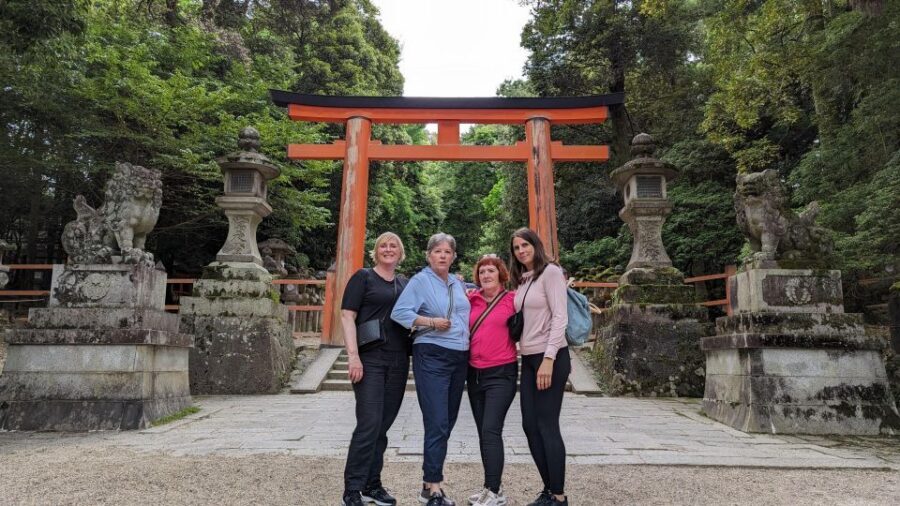
After all the deer and doors, Kasuga-taisha hits like a visual payoff. You get photo time, guided context, and a walk through the shrine grounds.
The headline feature here is the thousand lanterns. That’s not just a line on a brochure. It creates an atmosphere that feels different from the broad daylight temple scenes. The lanterns give you a sense of scale and tradition that’s hard to replicate elsewhere.
This stop also tends to be a good place to ask questions because the guide can connect what you’re seeing to broader ideas about Shinto/Buddhist life in Japan, and how everyday places and sacred spaces overlap.
Back through Nara Park: tying the day together
You ride through Nara Park again after Kasuga-taisha, with scenic passing time and wildlife viewing. There’s also an Ukimido photo stop and walk, which gives you a quieter moment and a chance to enjoy views without rushing.
By the time you loop back through Nara Park, the experience starts to feel like a full circle. You’ve seen the headline sites, but you’ve also spent enough time in the park’s living environment to understand the “Nara vibe.”
E-bike riding tips so you stay comfortable
This tour is built around riding, so the comfort factor matters. Even though it’s an E-bike and not a leg-burner, you still need to be okay balancing and staying alert around pedestrians and deer.
Here’s what I’d plan for:
- Expect some uphill help from the motor, but still be ready for active movement.
- Wear comfortable shoes you can walk in for shrine and temple time.
- If you’re tall or have concerns about fit, do a quick bike check at pickup. One issue reported on this kind of tour is bike comfort for taller riders, so don’t ignore that.
Also, the ride can feel like it has a schedule. You’ll get stops and free time, but it’s not a drifting-around-by-yourself tour.
Guide quality: names I’ve seen associated with this tour
A big reason this tour scores well is the guide experience. Names that appear in feedback include Chris, Christian, Christoph, Remi, Robert, Mattheus, Jean-Yves, Elodie, and Melody.
What you can hope for, based on how the tour runs, is:
- clear explanations that make temple/shrine context usable,
- a friendly guide who keeps you safe on the route, and
- a pace that balances bike time with enough walking to feel like you actually visited.
One extra nice touch reported: some guides take group photos during the tour and share them later. It’s not the kind of thing you should count on, but if it happens, it’s a helpful souvenir.
Language note: tours run with English and French, sometimes more. If you want a French-only guide experience, you should request it in advance, since a shared tour may default to English if multiple nationalities mix.
Price vs. what you get: is $90 a good deal?
For a 210-minute highlight tour at $90 per person, the math works best if you value three things:
1) guided access (including Todaiji entrance fees),
2) included “do it with the group” moments (like deer cookies), and
3) cultural add-ons you’d otherwise pay for or skip (like the cutlery/knife introduction).
If you were to DIY Nara, you’d likely spend time figuring out transport between sites, and you might lose the structured context at Todaiji and Kasuga-taisha. Here, the pacing is designed to make one day feel like a mini itinerary.
If your priority is only temples, and you have zero interest in knife shopping or cutlery history, you might feel like parts of the day aren’t for you. Still, the stops can serve as a break from temple concentration.
Who this tour fits best (and who should reconsider)
This e-bike tour fits best if you:
- want to see more than the deer-only version of Nara,
- like guided history without turning it into a lecture,
- want an active day without turning it into 10 hours of walking, and
- enjoy practical culture, including crafts and shopping you can understand.
It may not be ideal if you:
- hate scheduled itineraries and want fully free time,
- expect a slow, leisurely ride with lots of drifting, or
- plan to avoid any shopping stop entirely.
Also keep in mind the tour uses a bike format. If you don’t feel confident riding a bicycle, you should probably practice first. Bicycle insurance isn’t included, so don’t assume it’s covered.
Should you book this Nara E-bike highlights tour?
I think it’s a strong choice for most first-time visitors because it hits the Nara Park classics plus the shrine-and-temple core, while adding one genuinely distinctive cultural stop: the Japanese cutlery/knife introduction.
Book it if you want:
- a single afternoon that feels efficient,
- deer feeding done in a guided, respectful way, and
- Kasuga-taisha lanterns without wasting half your day on transit and walking.
Consider passing if you want a fully unguided day, or if you strongly dislike any shopping segment. For everyone else, it’s the kind of tour that makes Nara feel bigger than a single photo spot.
FAQ
Where do I meet the guide?
Meet near Kintsu Nara Station (not JR), in front of Building LIFE 21 at the bike base, listed at 16-1 Takamaichichō. You should arrive about 15 minutes early.
What language are the tours?
The tour guide speaks English and French. French availability for shared tours can depend on the group mix.
How long is the tour?
The duration is 210 minutes, about 3.5 hours.
What sights are included?
You’ll see Nara Park, the Nandaimon Gate of Tōdai-ji, Tōdai-ji Temple, Mt. Wakakusa, Kasuga-taisha (thousand lantern area), Ukimido, and multiple passes through Nara Park.
Is the deer feeding included?
Yes. Deer cookies for feeding deer in Nara Park are included, but extra cookies are not.
Do I pay for temple entry fees?
Todaiji Temple entrance fees are included.
What about the E-bike and helmet?
E-bike rental is included. Helmet availability depends on the situation, and helmets are provided if requested within availability.
What snack is included?
Each guest gets one Japanese snack called Kanoko.
Is bicycle insurance included?
No. Bicycle insurance is not included.
What should I bring, and what’s not allowed?
Bring comfortable shoes and clothes, cash, and a passport. Pets aren’t allowed, and alcohol and drugs are excluded. Audio recording isn’t allowed.