Tokyo feels personal on this custom walk. This private walking tour in Honshu, Japan, lets your guide build a day around your pace and interests, from classic neighborhoods to quieter streets you would skip alone. You start by sharing what you like, then your host shapes a route that can change as you go.
I especially like the real-person planning: you answer a questionnaire, and then a like-minded host contacts you to fine-tune the day. I also like the flexible pacing, since multiple guides in past experiences adjusted on the spot for what you wanted (anime and manga focus with Kay, rain-friendly route changes with Lauren, and a big focus on local culture explanation with Suzuno). A private group also means you are not stuck with a one-size-fits-all schedule.
The main consideration is simple: it is a walking tour, and there are no food, drinks, or attraction tickets included. You may also use public transport or taxis between areas (with added costs), so wear good shoes and budget for transit and meals.
In This Review
- Key things to know before you go
- Why a Custom Tokyo Walking Tour Beats the Usual Checklist
- Price and Duration: What $64 Buys You in Tokyo Time
- Before You Walk: The Questionnaire That Shapes Your Route
- From Asakusa or Your Hotel: How the Day Actually Starts
- How the Tour Flows: Temples, Teahouses, Streets, and Sudden Detours
- Yanaka and older-street Tokyo
- Matcha pauses and small, quiet breaks
- Harajuku and Takeshita when you want the fun side
- Side streets, independent shops, and local eats
- Your guide can shift on the fly
- Neighborhood Choice Tips: Picking Stops That Fit Your Personality
- If you want culture stories and calm observation
- If you want pop culture and fashion energy
- If you want Tokyo navigation support
- If you want sports or traditions
- Walking Logistics: Comfort, Transit Costs, and Getting Your Bearings
- What Is Not Included: Meals, Tickets, and Budget Planning
- Who This Tour Suits Best (and Who Might Want Another Plan)
- Should You Book This Custom Tokyo Walking Tour?
- FAQ
- FAQ
- How long is the Tokyo custom hidden gems & highlights walking tour?
- Is this tour private?
- Who will guide me, and what languages are offered?
- Where do we meet if I do not get hotel pickup?
- Can I get hotel pickup?
- Is food included?
- Are attraction tickets included?
- Do I need to pay for transportation during the tour?
- What happens before the tour starts?
- Can I cancel and still get a refund?
- Is the tour wheelchair accessible?
Key things to know before you go
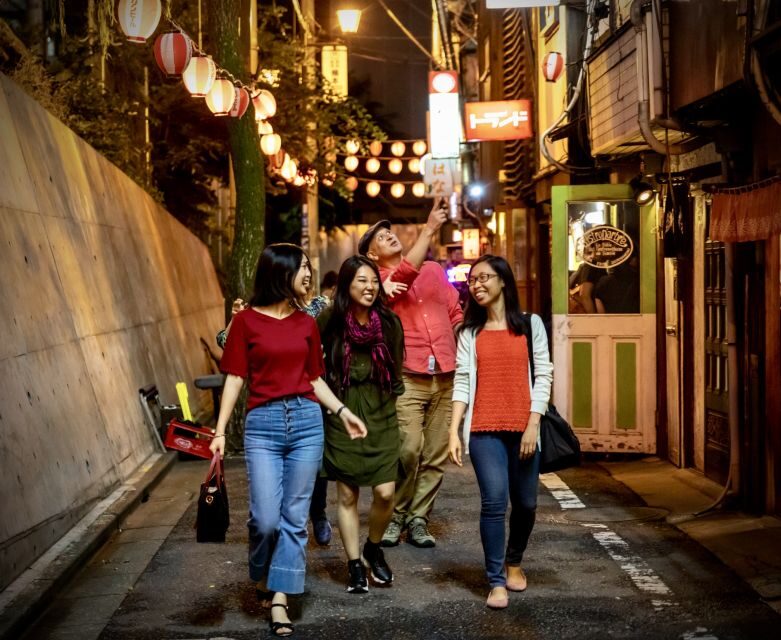
- Tailored day planning based on your questionnaire and direct communication with your host
- Private group, English or Japanese guidance so you can ask questions easily
- 2–8 hours of flexible walking with start times you choose when booking
- Meeting point in Asakusa or pickup from central hotels
- Route changes are part of the plan, not a failure
Why a Custom Tokyo Walking Tour Beats the Usual Checklist
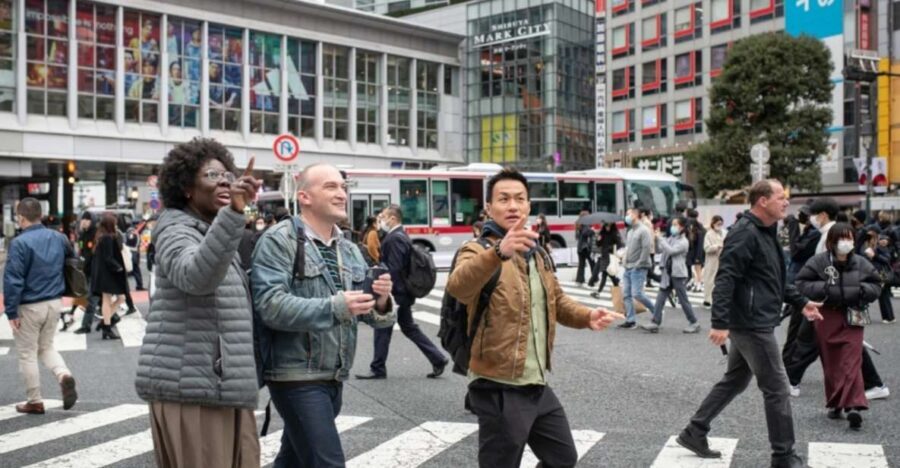
Tokyo can overwhelm you fast. You step out of a station, and suddenly you are making choices like a video game character: which train, which entrance, which crowd level, which snack. This kind of tour works because it removes the guesswork. You tell your host what you care about, and you spend your time walking the parts of town that match your mood that day.
What I like is how it turns Tokyo from a list into a conversation. When you share preferences, you are not just picking landmarks. You are steering the day toward things like pop culture side streets, temple-and-shrine atmospheres, or older neighborhoods where daily life feels slower. In real-world examples, guides like Kay leaned into anime and manga interests, while other hosts kept the day grounded in local culture stories and practical neighborhood reading.
The private setup matters too. Tokyo is big, and even a “short” day can become stressful if you are bouncing between far-apart areas on your own. With a guide, you get a logical sequence, suggestions for what to skip, and course corrections when you hit something interesting (a shop window, a small festival setup, a quiet pocket of streets).
You can also read our reviews of more guided tours in Tokyo


Price and Duration: What $64 Buys You in Tokyo Time
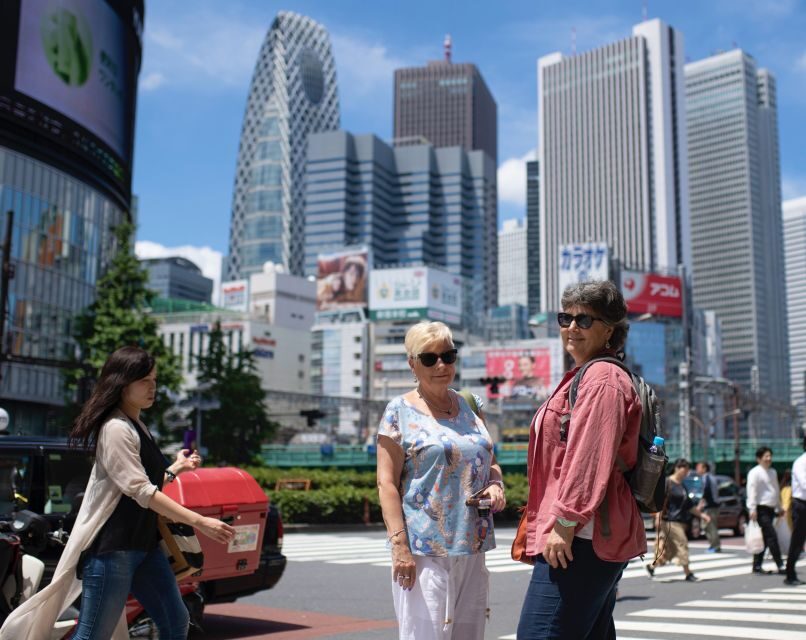
The price is listed as $64 per person, with a duration range of 2 to 8 hours. That range is the deal here. A 2–4 hour version is great if you want one focused neighborhood and help getting oriented. A 6–8 hour version is where the custom planning starts to really pay off, because you can move through several areas without it feeling like you are sprinting.
Also, remember what is included. You get the guide, the private personalized walking experience, and a pre-tour questionnaire. You do not get tickets or meals, and transportation between sites is not included. That means your total day cost can vary based on your choices. If you plan to add a meal, snacks, or paid entry somewhere, you should expect to pay for those items separately.
In terms of value, this tour is often strongest when you want something specific and human. For example, a guide like Lauren (from prior experiences) adjusted the route when it started raining, which can save you from losing half a day to bad weather. Similarly, multiple guides have been praised for covering lots of ground while still keeping your interests in the driver’s seat. You are paying for that local decision-making, not just for directions on a map.
Before You Walk: The Questionnaire That Shapes Your Route
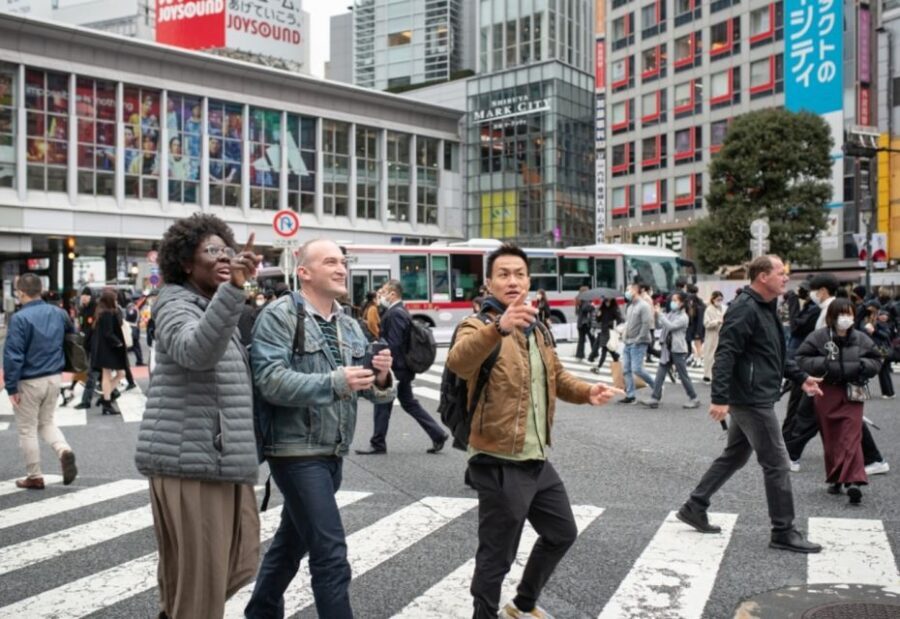
Before your feet hit the sidewalk, you fill out a questionnaire. That is not busywork. It is how your host learns what kind of Tokyo you want.
You can usually expect the host to ask (or infer) things like:
- Are you more interested in modern pop culture or traditional spiritual spaces?
- Do you want a faster, high-coverage day or a slower stroll with more stops?
- What kind of stories do you want: design and fashion, food culture, neighborhood history, or everyday routines?
Then comes the part that makes this feel less generic: direct communication with your host. Instead of getting a fixed route, you talk through ideas and then show up to a plan that is still flexible.
From past experiences, that flexibility can be very personal. Kay’s anime and manga emphasis is a good example: when preferences are clear, the day can reflect them. Another guide style shows up when you want transit support; one host provided a hands-on subway tutorial for first-timers, which is useful because Tokyo navigation can turn annoying if you are figuring it out cold.
From Asakusa or Your Hotel: How the Day Actually Starts
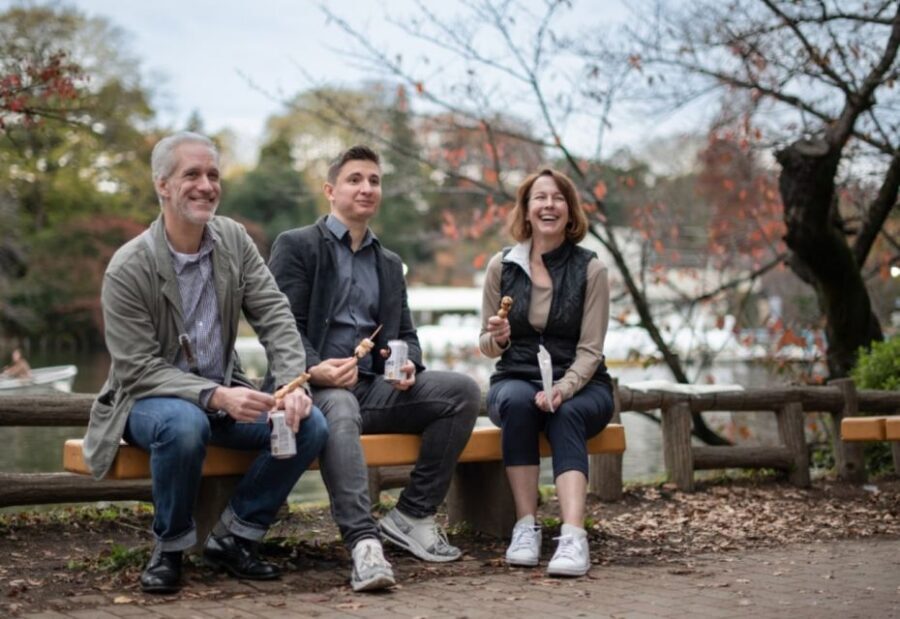
Your meeting point is Asakusa Culture Tourist Information Center (2-chōme-18-9 Kaminarimon, Taito City, Tokyo). If you are staying in a central Tokyo hotel, pickup can also be arranged from your hotel.
This matters more than it sounds. Asakusa is a sensible starting anchor because it puts you near layers of old Tokyo atmosphere alongside easy access to other districts. Starting there helps a guide build a route that feels logical instead of chaotic. If you get pickup, it removes the need to coordinate trains at the start of your day, which is a nice way to prevent jet-lag mistakes.
Once you meet, the guide’s job shifts from logistics to rhythm. You will walk, pause, look, ask questions, and then move to the next stop when it makes sense for you. Some days will feel like neighborhood browsing. Other days will feel like a structured tour with room for detours.
If you are considering a longer day, you should think about how much walking you want to do between major stops. That is where your host’s flexibility helps, because they can adjust your order and timing without making you feel like you are constantly late.
How the Tour Flows: Temples, Teahouses, Streets, and Sudden Detours
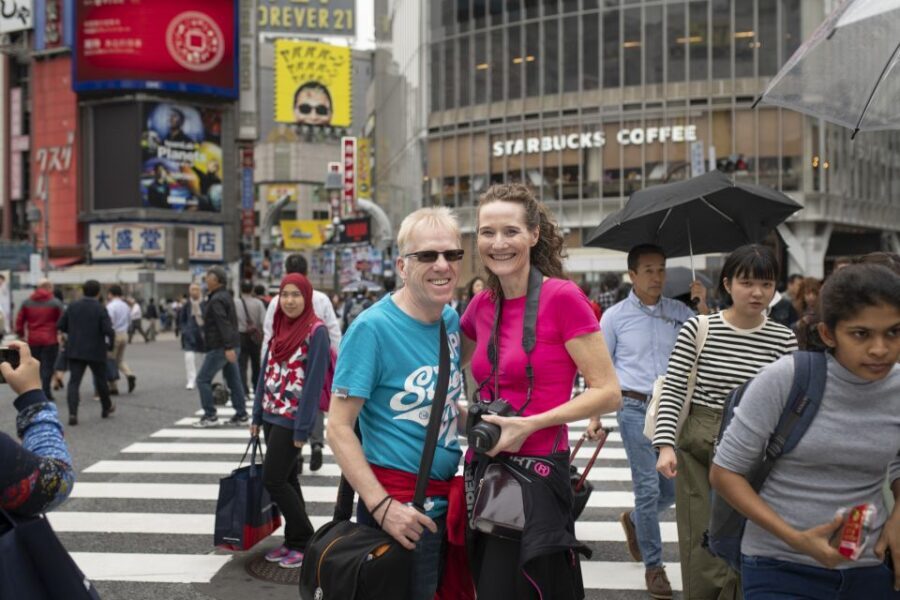
You should expect a walking pattern like this: you move from one “type” of area to another, so your day stays varied. One moment might be a shrine or temple setting. Next, you could be in a shopping street, then a quieter pocket for a break.





Yanaka and older-street Tokyo
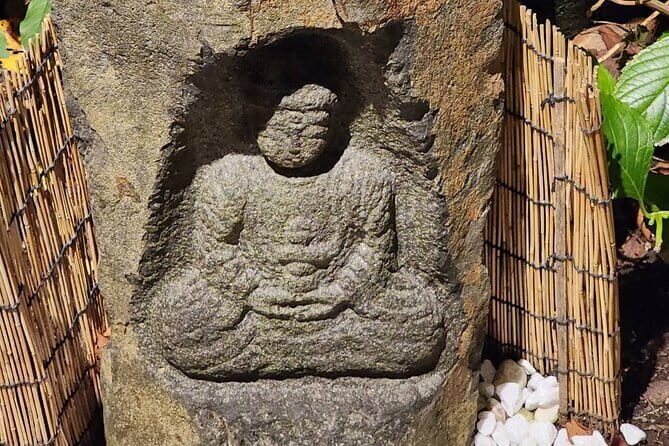
Yanaka is specifically mentioned as a must for old-world charm. This neighborhood tends to feel like a slower Tokyo moment, with older streets and a more residential vibe. If you want places that feel lived-in rather than stage-lit for tourists, this is a strong choice for a stop.
One caution: “calm” does not mean “no walking.” Older neighborhoods often have uneven sidewalks and lots of small lanes, so good shoes pay off.
Matcha pauses and small, quiet breaks
A serene hidden teahouse and a matcha stop are also part of the kind of experience this tour can include. This is not just about the drink. It gives you time to reset your brain, especially in Tokyo where you can spend hours constantly processing signage, transit, and crowds.
If you prefer action over downtime, you can still use this as a reset point, just choose shorter stops.
Harajuku and Takeshita when you want the fun side
If pop culture and fashion are your thing, you might find yourself in Harajuku, including Takeshita Street. One prior experience specifically included Takeshita and also a contrast toward luxury shops nearby, which is smart because it shows how Tokyo can flip aesthetics within a few blocks.
Reality check: Takeshita can be crowded. If you hate shoulder-to-shoulder walking, tell your host early so they can plan timing and alternatives.
Side streets, independent shops, and local eats
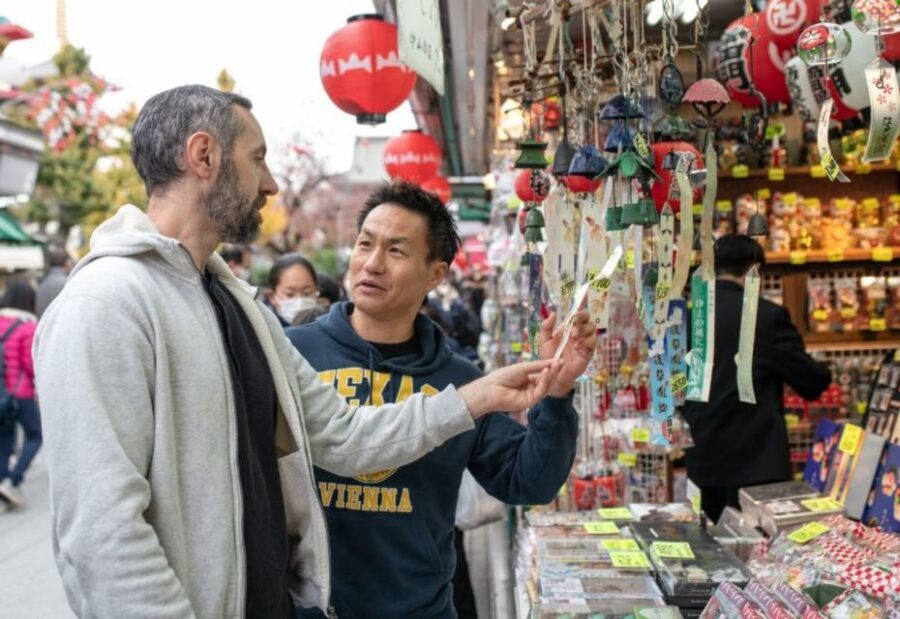
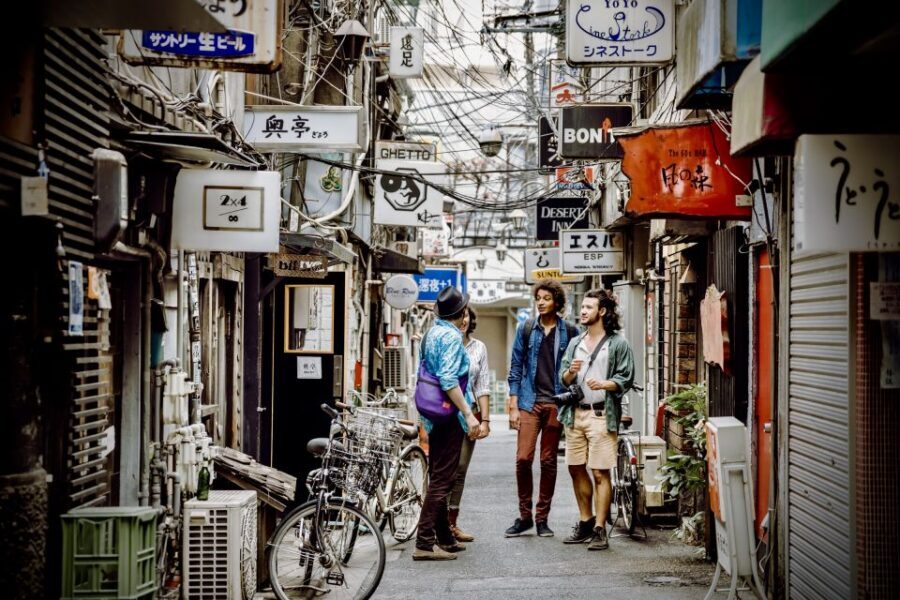
The tour description emphasizes tiny alleyways with independent shops and local eateries. That is where Tokyo becomes less about monuments and more about daily life: the small signage, the kind of snacks people actually buy, and the rhythm of a neighborhood at different hours.
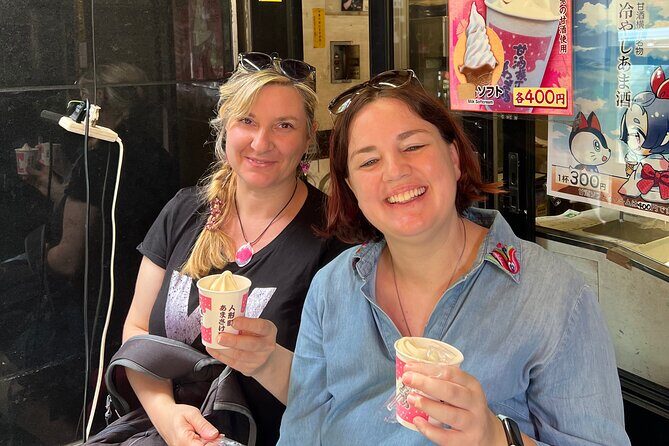
This is also where you can ask your guide to prioritize what you enjoy. If you like browsing, spend more time in shop lanes. If you like eating, plan the day around snack pacing and a main meal suggestion from your host.
Your guide can shift on the fly
A key promise here is flexibility for unexpected stops. That could mean a quirky boutique you did not know you wanted, or a tucked-away shrine that is just a short walk away. The practical benefit is that you spend less time rigidly following a plan and more time noticing what is right in front of you.
Neighborhood Choice Tips: Picking Stops That Fit Your Personality
Because this tour is custom, “best” depends on you. Here is a practical way to decide what you ask for when you talk with your host.
If you want culture stories and calm observation
Lean toward places like Yanaka and temple-and-shrine areas. You will usually get more time to notice small details and hear explanations about meaning and etiquette. This works well for travelers who like to slow down and connect dots rather than check boxes.
If you want pop culture and fashion energy
Ask about Harajuku, Takeshita Street, and any matching side streets. If you also like variety, request a contrast stop like luxury shops near the more playful areas. That helps the day feel like Tokyo, not just one single aesthetic.
If you want Tokyo navigation support
If you are new to the subway, ask your host to include a practical transfer explanation at the start. One guide’s hands-on subway tutorial was called out as especially helpful, and that is the kind of real-world skill that pays off even after the tour ends.
If you want sports or traditions
Some past experiences included sumo culture, which signals that your guide can build in tradition-focused stops if that is your interest. Tell them the angle you want: training culture, history, or how the practice shows up in daily life.
Walking Logistics: Comfort, Transit Costs, and Getting Your Bearings
This is a walking-first experience with no private vehicle included. That is ideal if you want to feel the city at street level. It is also the reason you should plan for realistic travel time between areas.
Public transport or local taxis may be used to transfer between sites, and exact transportation costs can be discussed with your host after your reservation is finalized. So keep a little extra budget aside for transit between neighborhoods, especially on longer days.
Wheelchair accessibility is listed as available, which is a helpful signal. Still, because it is walking-based, you should communicate any mobility needs clearly so your host can choose routes that fit your pace.
What helps most is pacing. You should treat shorter tours (2–4 hours) like a neighborhood sampler. Longer tours (6–8 hours) are better for people who want several districts in one day and are comfortable walking more consistently.
What Is Not Included: Meals, Tickets, and Budget Planning
This tour does not include food, drinks, or attraction tickets. That can feel annoying until you realize why it helps you. When a guide does not have to follow ticket schedules, you get more room for spontaneous choices like a local meal suggested on the spot or a quick snack stop to keep energy steady.
For meals, I suggest you decide your style in advance:
- Do you want your guide to pick one memorable meal, or
- Do you prefer a few snack stops across neighborhoods?
Either works. You will just get a different rhythm.
Also, because attraction tickets are not included, your guide can still plan where you might go, but you will decide what is worth paying for that day. If budget matters, tell your host up front. It is an easy way to keep the day fun without turning it into a surprise bill.
Who This Tour Suits Best (and Who Might Want Another Plan)
This experience fits best if you want Tokyo in a way that feels personal. It is especially good for:
- First-time visitors who want orientation plus local recommendations
- Travelers who already have interests like anime, manga, fashion, or specific culture topics
- People who prefer a private guide who can adjust pacing and timing
- Anyone who values walkable neighborhood atmosphere more than big-ticket sightseeing
It may not be the best fit if you want a fully ticketed, museum-heavy day with zero walking flexibility. Since it is a walking tour and tickets are separate, you will want to be comfortable building your own stops around what your guide recommends.
If you hate unpredictability, remember that flexibility is part of the value here. Your host can change the plan, which is great when you like spontaneity, and less great if you prefer strict schedules.
Should You Book This Custom Tokyo Walking Tour?
I would book this tour if you want Tokyo to feel like a local day, not a checklist. The reason is simple: the tour is set up for custom planning, direct communication, and the kind of pacing that helps you actually enjoy what you are seeing.
Also, the track record looks strong: it shows a 4.7 rating across 272 reviews, and many comments point to guides who listen well, keep things flexible, and tailor the day to preferences.
Book it if you have a specific interest you want translated into a real route. Anime and manga? Harajuku style? A calm older-neighborhood day? The structure supports that.
Skip it only if you want everything included, or if long walks and extra transit costs would stress you out. For most people, this is a smart way to get more Tokyo per hour, with a guide who treats your interests as the starting point.
FAQ
FAQ
How long is the Tokyo custom hidden gems & highlights walking tour?
The duration is flexible, from 2 to 8 hours. You can choose your preferred length when booking, depending on availability for the starting time.
Is this tour private?
Yes. It is a private group experience.
Who will guide me, and what languages are offered?
A live tour guide provides the experience in English and Japanese.
Where do we meet if I do not get hotel pickup?
If hotel pickup is not arranged, your host will meet you at Asakusa Culture Tourist Information Center, 2-chōme-18-9 Kaminarimon, Taito City, Tokyo 111-0034, Japan.
Can I get hotel pickup?
Hotel pickup can be arranged from any centrally located hotel in Tokyo. If you do not request pickup, you meet at the central meeting point listed above.
Is food included?
No. Food and drinks are not included.
Are attraction tickets included?
No. Attraction tickets are not included.
Do I need to pay for transportation during the tour?
Transportation costs are not included in the tour price. Since it is a walking tour, public transport or local taxis may be used to transfer between sites, and exact costs can be discussed with your host after you reserve.
What happens before the tour starts?
You receive a questionnaire about your personality and interests. Based on your responses, a like-minded host is assigned and communicates with you directly to suggest an itinerary.
Can I cancel and still get a refund?
Yes. Free cancellation is offered up to 24 hours in advance for a full refund.
Is the tour wheelchair accessible?
Yes, wheelchair accessibility is listed as available.