REVIEW · KYOTO
Kyoto: 2-Hour Maiko Makeover and Photo Studio Shoot
Book on GetYourGuide →Operated by Kyoto Kimono Rental Yumeyakata · Bookable on GetYourGuide
A Kyoto maiko makeover is a full-on role shift. In just 2 hours, you go from regular clothes to a studio-made version of a maiko, with traditional makeup, a costume choice, and a professional photo session.
What I like most is the realism. Yumeyakata uses authentic costumes that were actually worn by real maiko, plus makeup and cosmetics designed for that classic look. I also love the photo setup. The shoot happens in a proper indoor studio with air conditioning, which helps when you’re in heavy costume.
One catch: the experience is not a lightweight “quick photo.” You’re in makeup and kimono for the full session, and there are several “no” rules (no shoes indoors, no video/audio recording, and no professional cameras), so be ready for a structured, rules-first experience.
In This Review
- Key things to know before you go
- The 2-hour makeover flow in Kyoto (and where it starts)
- Maiko makeup: the look is precise, not just “pretty”
- Choosing a kimono with season-changing patterns
- The instructors: former maiko guidance makes the posing make sense
- Photo studio shoot: comfortable, professional, and controlled
- Price and value: why $152 can be a good deal (or not)
- Who this Kyoto maiko makeover is best for (and who should skip)
- Extra options for men’s styling
- Little logistics that matter once you’re in full costume
- Maiko vs geiko: a quick cultural primer you’ll hear during the experience
- Should you book this Kyoto Maiko Makeover and Photo Studio Shoot?
- FAQ
- What is included in the $152 per person package?
- Where do I meet for the Kyoto maiko makeover?
- How many photos do I receive?
- Is there a professional photographer during the session?
- Are professional cameras or recording devices allowed?
- Do I need to remove my makeup before the session?
- What types of people are the experience not suitable for?
Key things to know before you go
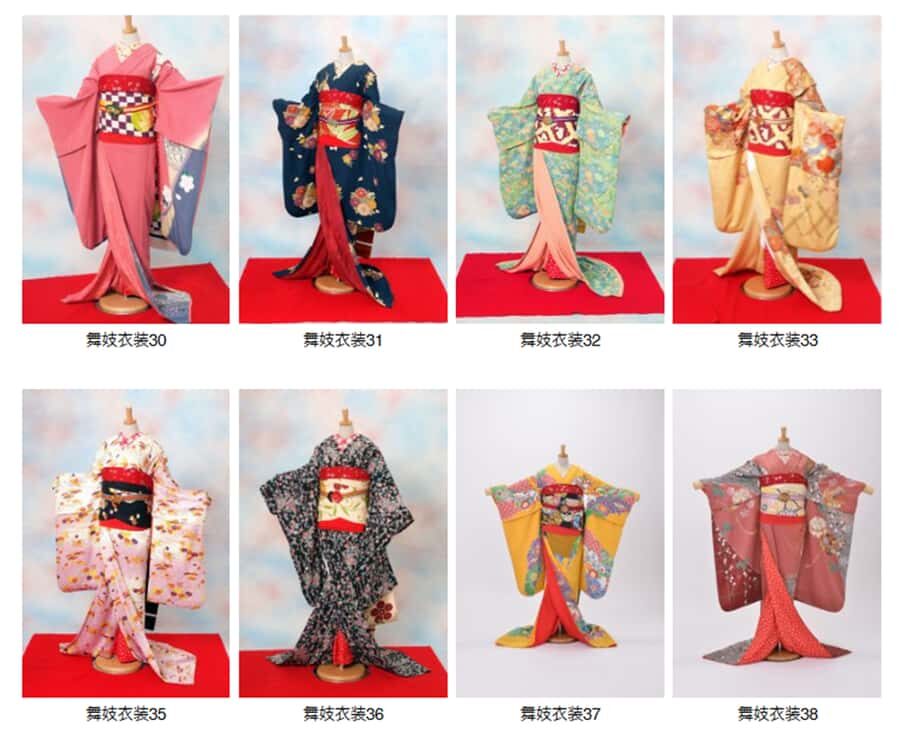
- Authentic costume base: Yumeyakata kimono were used by real maiko, with seasonally changing patterns.
- Former maiko instructors: staff includes people who previously served as maiko and guide you through the look and posing.
- Makeup with named details: the “two-stripe” style leaves the back of the neck unpainted, plus specific red and pink placements.
- 2-hour studio focus: you get a full transformation and then a controlled indoor photo session.
- Photos included, not printed: you receive 5 digital image files; printed photos are not part of the package.
- Rules are real: shoes indoors are not allowed, and professional cameras/video/audio recording are not permitted.
The 2-hour makeover flow in Kyoto (and where it starts)
This runs as a compact, guided “transformation to photos” experience. You meet at the Yumeyakata Gojo Shop at the start time. From there, you’ll be guided to the studio with only about a 1-minute walk—short and simple, so you don’t burn time crossing Kyoto streets in full costume setup mode.
Once you’re at the shop, the process moves in a logical order. First, you handle the practical prep. If you have makeup on, you’ll need to remove it before the maiko makeup begins. Then you choose your costume, then you get styled head-to-toe.
The whole point of keeping it to 2 hours is that you get a complete, satisfying arc without turning it into your whole day. For Kyoto, that’s a win. Heavy kimono + full makeup is work, even if it’s fun work, so having a defined time window matters.
A few more Kyoto tours and experiences worth a look

Maiko makeup: the look is precise, not just “pretty”
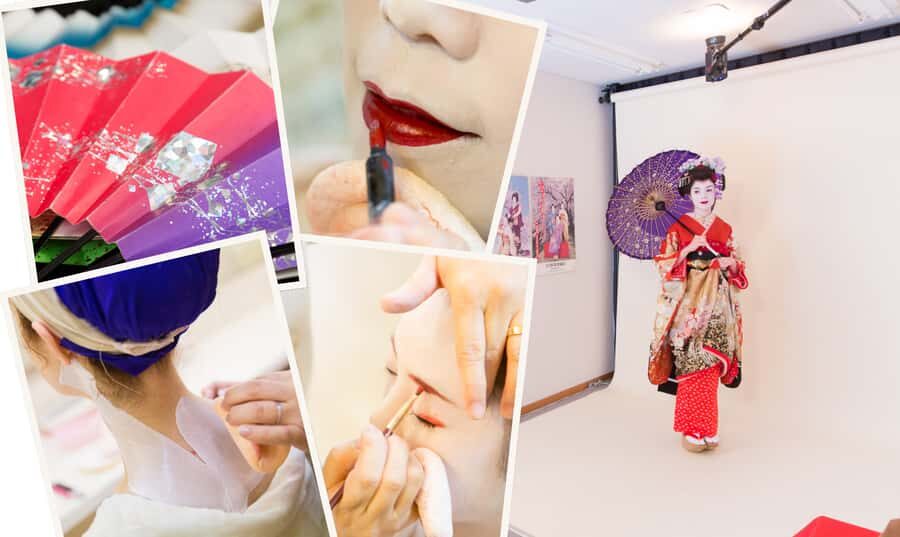
The maiko makeup is one of the most character-defining parts of this Kyoto maiko makeover. It’s not random makeup. It follows a very specific style.
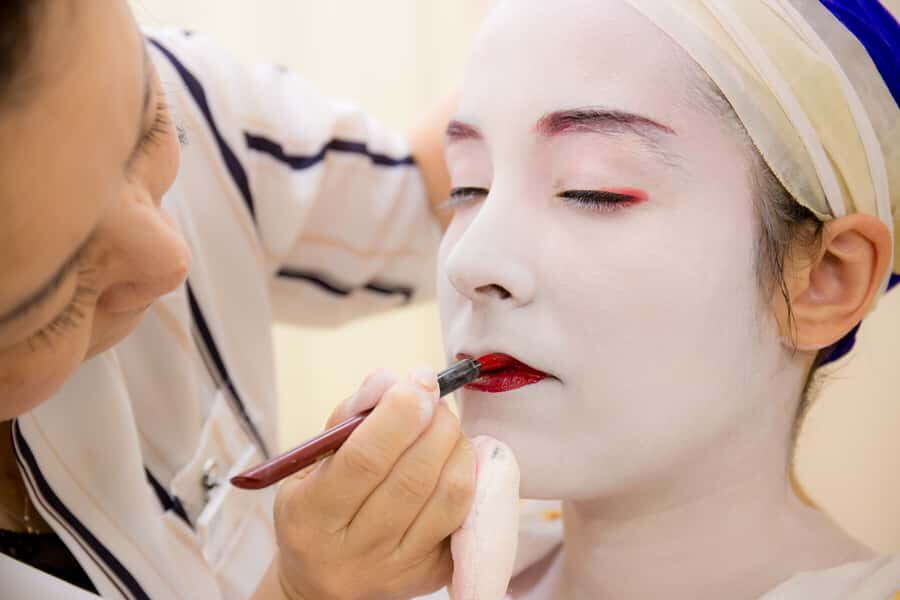
After you remove your face makeup, a professional artist applies the iconic maiko white base. At Yumeyakata, they aim for authenticity by using cosmetics the way real maiko and geiko use them.
Then you get the signature patterns that people associate with maiko—down to the placements:
- Two-stripe style: the back of the neck is left unpainted, which is considered especially alluring in this traditional style.
- Soft pink accents: pink is applied around the eyes and on the sides of the nose for a gentle impression.
- Red symbolism at the eyes: vivid red at the outer corners of the eyes is used as a protective element against evil (that meaning is part of the explanation you’ll receive).
- Eyebrows and eye definition: a hint of red goes to the eyebrows, and eyeliner is drawn to make the eyes look more vivid.
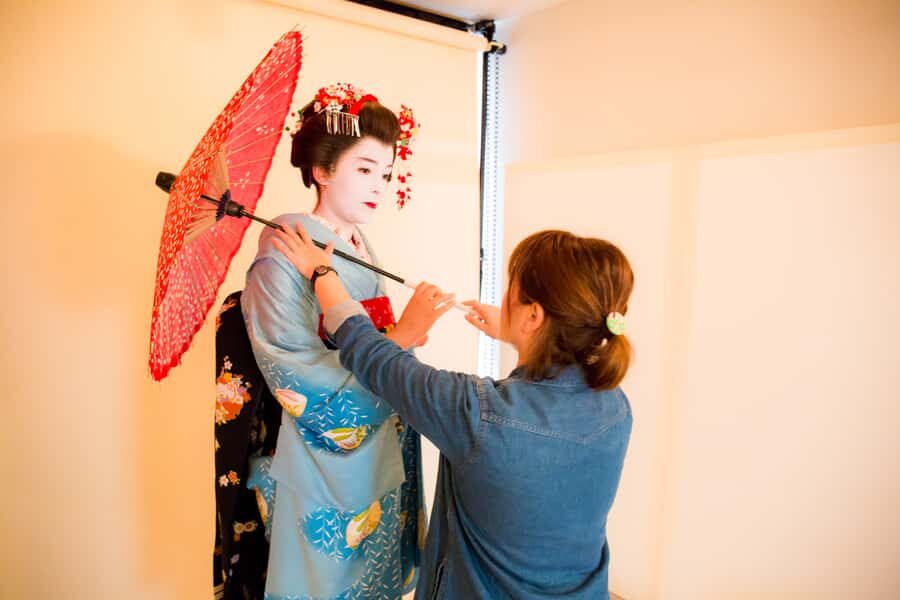
Once the wig and hair accessories are placed, you’re fully in the role. This is where the experience feels most like a real costume transformation rather than “a photo session with makeup.”
If you’ve ever seen maiko and wondered why the look feels so instantly recognizable, it’s because the makeup isn’t trying to blend in. It’s trying to signal tradition clearly.
Choosing a kimono with season-changing patterns
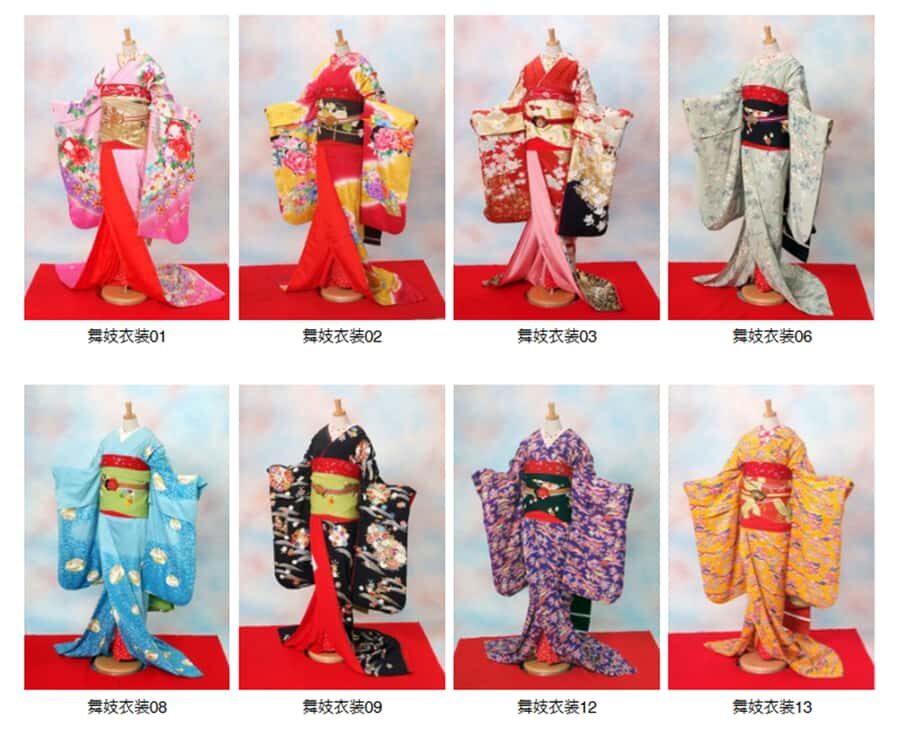
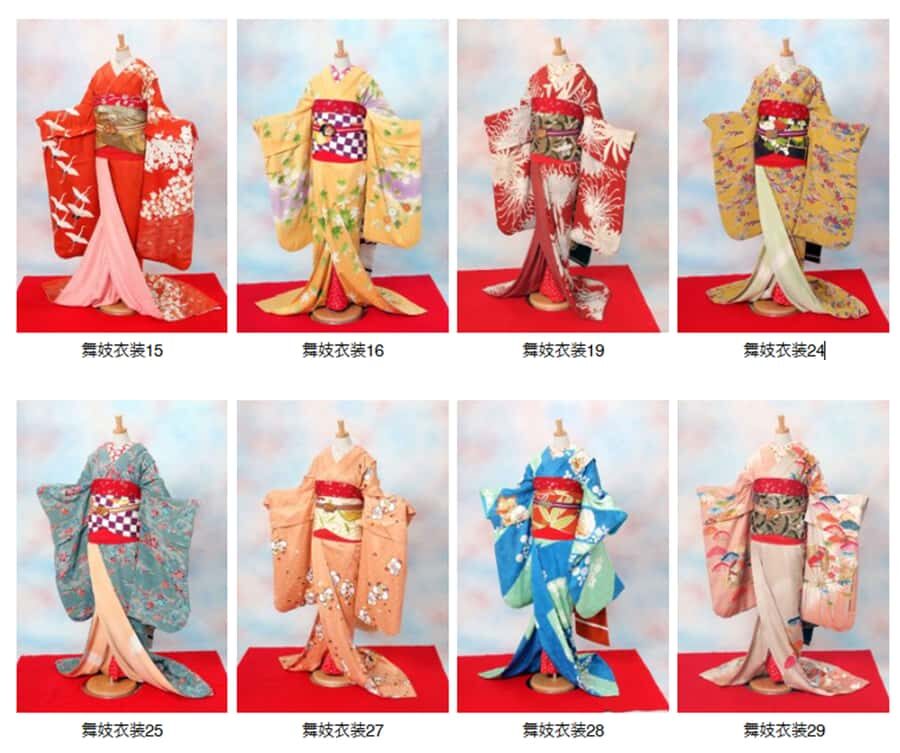
You don’t just pick from generic rental robes. You choose from maiko kimono in different colors and designs.
A big authenticity detail: Yumeyakata notes that the costumes they own were originally worn by real maiko, and the patterns traditionally change with the seasons. That often means classic floral designs that reflect the time of year.
This matters because it’s one of the ways your outfit looks “right” rather than “costume-store right.” Even if you’re not a kimono nerd (no judgment), you’ll probably feel it in the final look: it looks intentional, like it belongs in Kyoto at that moment in time.
There’s another practical side too. A kimono choice isn’t only about aesthetics. You’ll be in it for the entire experience, so if you’re sensitive to heat or fabric, choosing something lighter-looking in color/design can help you feel more comfortable during the session. (You’ll still be dressed fully either way—the point here is that choice can affect how you experience the day.)
The instructors: former maiko guidance makes the posing make sense
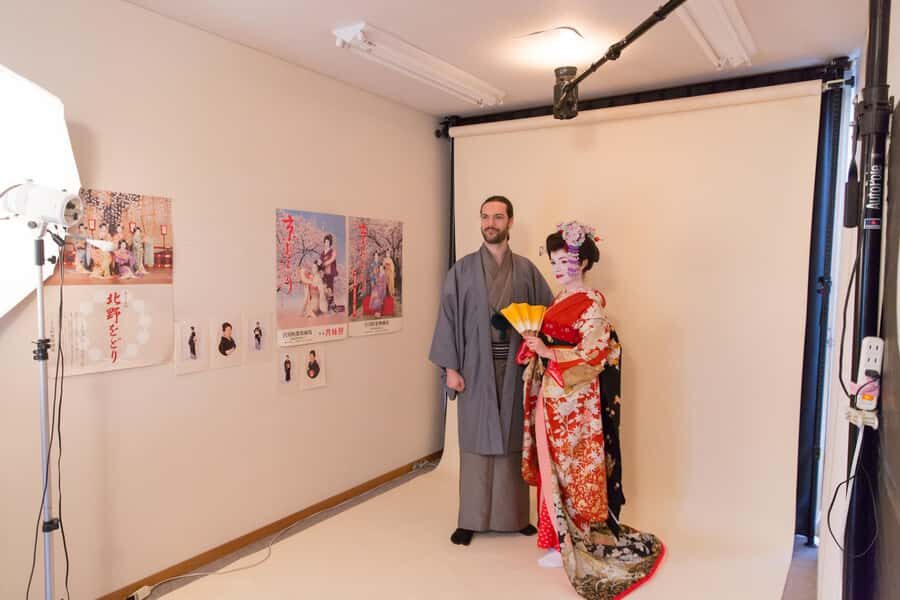
This is not just put-on clothes and point the camera. Yumeyakata’s team includes former maiko who serve as instructors. That changes the tone. Instead of random “pose like this” directions, you get guidance that fits how maiko movement and posture are taught.
The experience teaches you the life and art side too. Maiko are apprentice geiko (often described as female performing artists working in areas like Gion). They perform arts such as classical music, dance, and games. In the provided context, maiko are described as apprentices between 15 and 20 years old, and you don’t need to be within that age range to participate.
You’ll also be guided on how to pose and even how to walk like a traditional maiko. That sounds simple, but it’s the difference between a stiff souvenir photo and a picture that actually looks like you’re in character.
Quick reality check: you’re not expected to become perfect overnight. What you want is comfortable “direction” that gives you a believable stance and steps. The staff’s role is to help you get there fast.
Photo studio shoot: comfortable, professional, and controlled
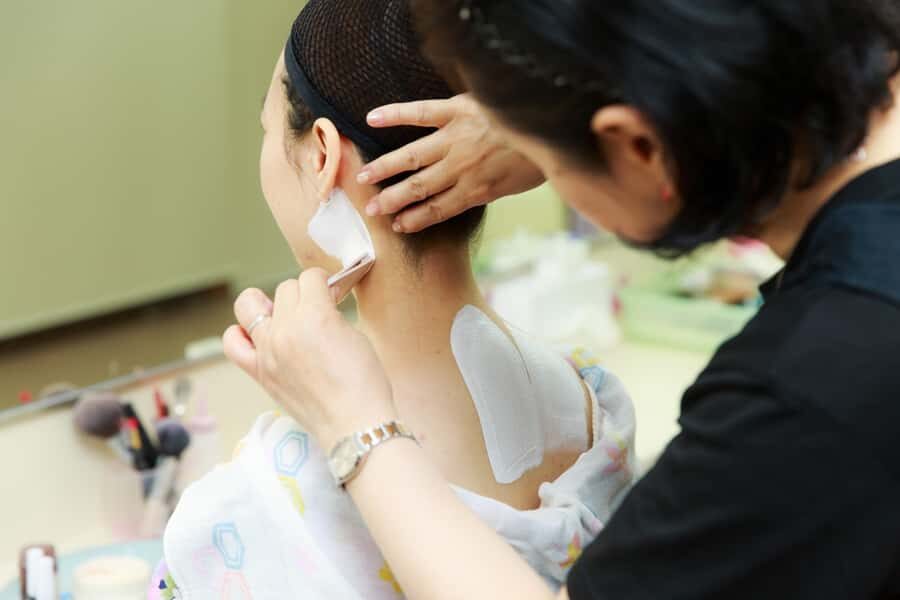
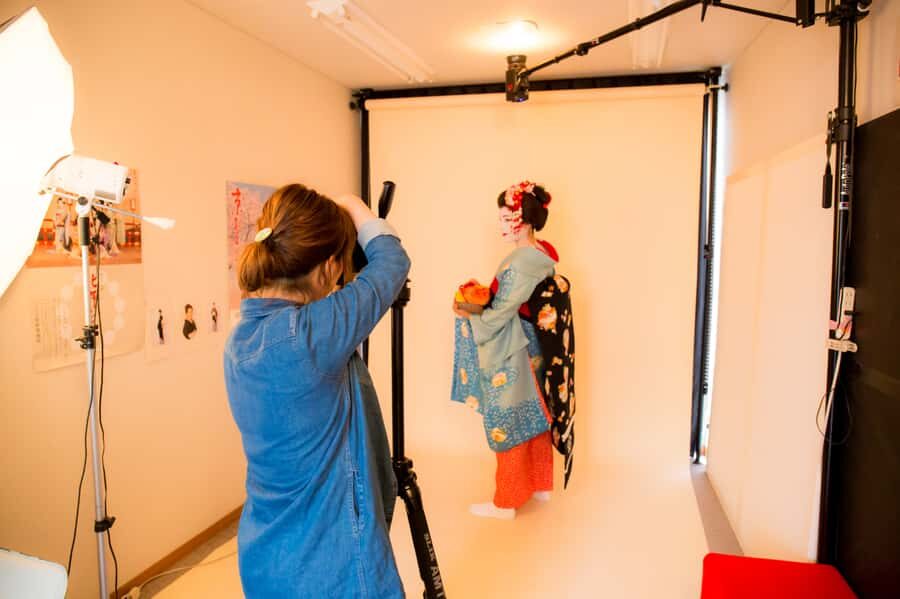
After makeup and costume, you move into the photo portion in an indoor photo studio. The key benefit here is control. One review specifically praised that the studio is set up with air conditioning, which is a big deal when you’ve got full hair, heavy kimono, and a set schedule.
Inside, you’ll be photographed while your look is fresh—white makeup crisp, hair accessories in place, kimono looking clean and intentional. And because it’s indoors, lighting and conditions don’t depend on Kyoto weather doing Kyoto weather things.
What’s included:
- Indoor photo studio
- Professional photographers (photography is part of the service)
- 5 images in digital files
What’s not included:
- Printed photos (you’ll receive the digital files, not paper prints)
Also pay attention to the rules. Professional cameras are not allowed, and video recording and audio recording are not allowed. That keeps the session focused and also protects a consistent experience for everyone.
If you’re hoping to bring your own camera gear and shoot your own angles, plan to follow the “no professional cameras” rule. If you want selfies, think simple and respectful—don’t plan on making the shoot your personal production crew.




Price and value: why $152 can be a good deal (or not)
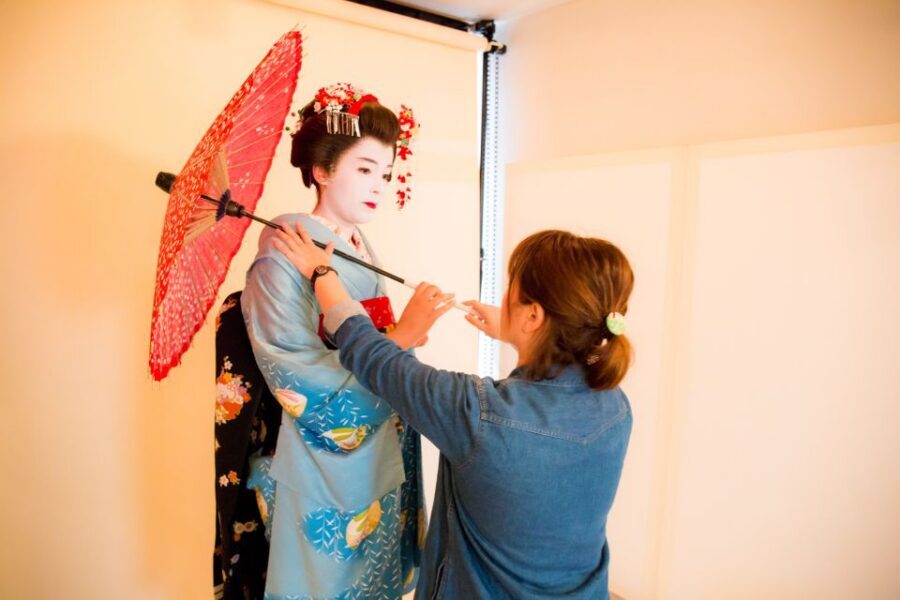
At $152 per person, you’re paying for a lot of coordinated work. This isn’t just a rental. Included items are meaningful:
- Maiko kimono rental
- Maiko makeup
- Maiko wig and hair accessories
- Indoor studio time
- 5 digital images
You’re also paying for expertise and time, especially with dressing and makeup that follow a traditional structure. And you get former maiko instructors, not just generic “staff.”
So when is it worth it?
- If you want the full transformation: makeup + wig + kimono + posing direction + professional studio photos.
- If you’d rather pay for it than spend hours trying to coordinate rentals and makeup yourself.
- If you care about authenticity signals like season-changing costume patterns and named makeup placements.
When might it not be the best fit?
- If you just want a quick photo and you’re not interested in makeup and costume time.
- If you’re uncomfortable with rules and structured timing (there are several, and the activity is designed to run smoothly as a studio session).
This is basically a packaged “Kyoto maiko experience” with a clear deliverable: you leave with digital photos and a story that actually looks like maiko, not just “someone in a kimono.”
Who this Kyoto maiko makeover is best for (and who should skip)
This experience is a strong match for people who want a scripted, high-quality costume-and-photo moment with real guidance. It’s also ideal if you’re short on time in Kyoto but still want something uniquely Kyoto, not just another walking tour.
It’s listed as not suitable for:
- Pregnant women
- People with mobility impairments / wheelchair users
- Children under 18 (and also not suitable for people under 17)
- Visually impaired people
- People over 220 lbs (100 kg)
So if you’re worried about long periods in costume, heavy makeup application, or sensory comfort, take those restrictions seriously.
It’s also designed for adults. If you’re traveling as a family, the age rules make this more of an adult activity than a shared parent-kid moment.
On the upside, language support is a plus. The experience lists English, Japanese, Chinese, Traditional Chinese, and Korean.
Extra options for men’s styling
If you select add-ons (for men), there are additional costume options listed as included with the add-on:
- Men kimono rental
- Men samurai hakama rental
- Men montsuki hakama rental
So the experience isn’t only framed as a woman-only makeover. The core is role styling and the studio shoot.
You’ll still be working within the same studio rules (shoes indoors, no video/audio recording, etc.), so treat the add-on as part of the same structured studio experience.
Little logistics that matter once you’re in full costume
A few practical points that help the session go smoothly:
- Come with a makeup plan: you’ll need to remove existing makeup before the maiko makeup starts.
- Shoes indoors are a no-go: you’ll need to follow the studio approach for indoor footwear.
- Professional filming is restricted: plan to enjoy the process rather than treat it like a self-directed photo workshop.
- Check your address details carefully: one experience note flagged confusion due to an incorrect address entry on a form. If you’re filling paperwork ahead of time, double-check the address fields before you head out.
These are small things, but they prevent that annoying moment where you’re trying to fix logistics mid-transformation.
Maiko vs geiko: a quick cultural primer you’ll hear during the experience
Part of this session is learning about maiko and apprentice geiko as performing artists.
In the provided context:
- Maiko are apprentices working in places like Gion, performing arts like classical music, dance, and games.
- Geiko makeup is described as more “clear-cut” and applied more heavily than maiko, including eyebrows, eyeliner, and lipstick.
- There’s also a described lipstick rule for maiko: they put lipstick only on the lower lip at first (upper lip not until half a year to one year after debut, depending on the hanamachi and lodging houses).
You don’t need to memorize this to enjoy the experience. But it’s the kind of detail that helps your final photos feel “explained,” not random.
Should you book this Kyoto Maiko Makeover and Photo Studio Shoot?
Book it if you want a real, guided makeover that ends with professional studio photos. The combination of authentic costume history, former maiko instructors, and an indoor air-conditioned studio makes it a strong value for $152 when you want the full package rather than piecing it together yourself.
Skip it if you hate structured rules, don’t want heavy costume/makeup time, or need accessibility accommodations not supported by the listed restrictions.
If you go in with the mindset that this is a studio experience with tradition-first details—not a casual photo op—you’ll leave with images that look like Kyoto roleplay done properly.
FAQ
What is included in the $152 per person package?
You get a maiko kimono rental, maiko makeup, use of a maiko wig and hair accessories, an indoor photo studio session, and 5 images provided as digital files. Men’s kimono/hakama add-ons are available if you select them.
Where do I meet for the Kyoto maiko makeover?
You meet at the Yumeyakata Gojo Shop at the starting time. The activity ends back at the same meeting point.
How many photos do I receive?
You receive 5 images in digital files. Printed photos are not included.
Is there a professional photographer during the session?
Yes. The experience includes a professional photo studio session with skilled photographers, and you’ll be photographed during the makeover.
Are professional cameras or recording devices allowed?
Professional cameras are not allowed. Video recording and audio recording are also not allowed.
Do I need to remove my makeup before the session?
Yes. You’ll need to remove any makeup from your face before the professional makeup artist applies the maiko makeup.
What types of people are the experience not suitable for?
It’s not suitable for pregnant women, people with mobility impairments or wheelchair users, children under 18 (and also not suitable for people under 17), visually impaired people, and people over 220 lbs (100 kg).