REVIEW · KYOTO
Kyoto 2 Hours Genuine Kendo / Samurai Experience In Japan
Book on Viator →Operated by SAMURAI TRIP · Bookable on Viator
This is your quickest path into Kyoto’s martial culture. In just two hours, you’ll learn kendo rules and how to work with the equipment, plus the manners and mindset that make the sport more than just sparring.
I especially like that the lesson focuses on both the practical side (how to move, how to strike safely) and the cultural side (bowing, terminology, and the values behind kendo). I also like the hands-on pacing, from basics to controlled bouts, so you’re not stuck watching from the sidelines.
One thing to plan for: wearing the armor can get hot, so give yourself a smart prep day and consider bringing your own towel even though one is provided.
In This Review
- Key highlights to know before you go
- Hanazono Station to Dojo: simple logistics, focused class
- What you actually learn in kendo: footwork, armor use, and etiquette
- Gear and comfort: included armor, bamboo swords, and the sweat reality
- The instructor matters: what you’ll notice when the class is in good hands
- Why the etiquette and history components are worth your time
- Timing, group size, and who this fits best
- Price and value: $118.89 for two hours of real instruction
- How to get the most out of your session
- Should you book it?
- FAQ
- Where does the kendo lesson start?
- What time does the experience begin?
- How long is the kendo experience?
- What is the price per person?
- Is hotel pickup or drop-off included?
- What’s included with the tour?
- Is food included?
- Will the instructor speak English?
- What kind of physical fitness level do I need?
- How big is the class?
- Can I cancel and get a refund?
Key highlights to know before you go
- Hanazono Station start point: easy access and no hotel pickup, so you can control your morning.
- English-friendly instruction: the teacher has experience teaching in English, which makes the class feel less intimidating.
- Equipment is included: all kendo gear plus a towel and bottled water, so you show up and go.
- You learn etiquette, not just techniques: bowing, manners, and the cultural goals of kendo are part of the lesson.
- Safe, staged training: footwork first, then practice weapons, then match-style learning.
- Small group cap (30): you get more attention than you would in a huge workshop.
Hanazono Station to Dojo: simple logistics, focused class
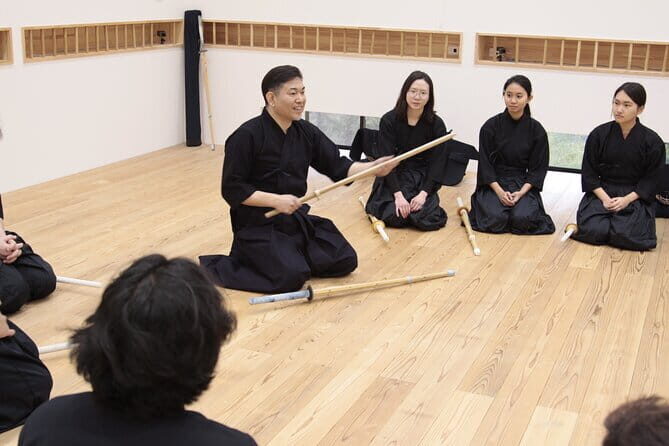
The day starts at Hanazono Station, and the activity is designed so you can get there under your own steam. The meeting point is in Kyoto’s Ukyo Ward, near public transportation, so you’re not hunting for a remote address or taking a dozen transfers just to begin.
The biggest practical win here is that there’s no hotel pickup/drop-off. That means the schedule feels clean: you arrive, you’re met at the station, and you’re walked to the dojo. It’s also easier to fit into your Kyoto rhythm. If you’ve got temples planned for the afternoon, this kind of early start keeps the rest of your day open.
The tour runs about 2 hours and ends back at the meeting point. That matters because kendo lessons can feel like they should be an all-day commitment. Here, it’s structured like a concentrated workshop—long enough to learn and sweat, short enough that you don’t lose a whole day.
Quick tip: if you’re traveling with bags, plan to keep what you’ll need after class accessible. Once you’re suited up, you’ll want to move fast and avoid rummaging.
A few more Kyoto tours and experiences worth a look
What you actually learn in kendo: footwork, armor use, and etiquette
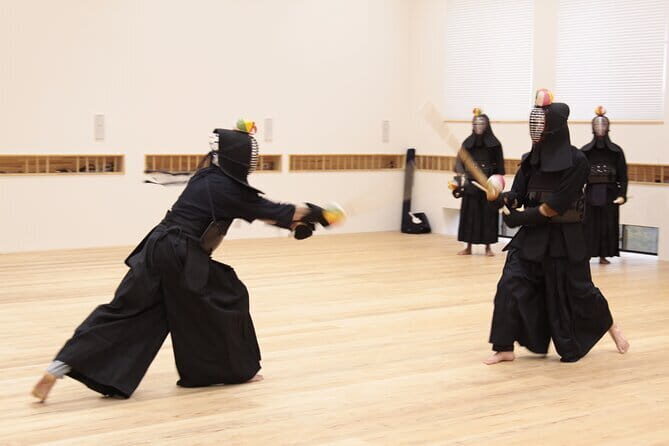
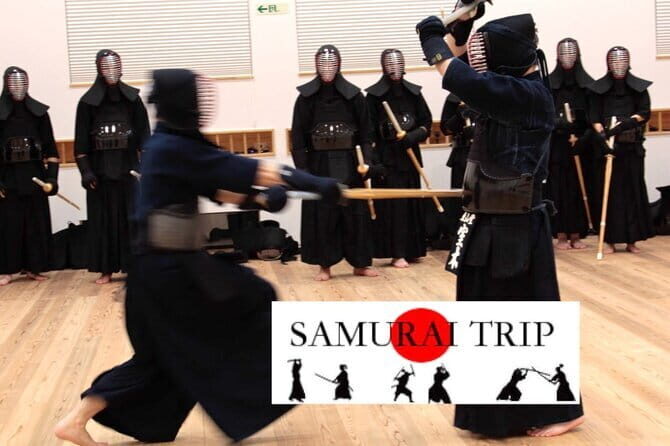
This isn’t a “watch a demonstration” experience. You’re taught the basics of kendo in a way that connects the body skills to the mindset and etiquette behind them.
You’ll work through three core ideas: the benefits of kendo as unifying your spirit, practicing manners, and committing to lifelong kendo. In plain terms, that means you’re not only learning how to hit. You’re learning how to carry yourself—how to show respect, how to follow instruction, and how to train with discipline.
The training tends to follow a logical progression:
- warm-up and movement fundamentals (so you’re not thrown into armor immediately)
- footwork and positioning
- use of the equipment safely, starting with practice targets or dummies
- match-style moments where you apply what you learned
One detail I like: the lesson is built for first-timers. The instructor breaks things down clearly, and the class includes the terminology and bowing routines that help kendo feel real rather than like a random workout. In a sport where non-verbal communication matters, that etiquette piece is the difference between feeling lost and feeling included.
Also, kendo has a strong moral structure—training goals around character and responsibility. You’re likely to feel that during the bowing practices and how your instructor keeps the room calm and respectful even while you’re actively practicing.
Gear and comfort: included armor, bamboo swords, and the sweat reality
You get all the kendo equipment, which is a big value for the money and a big convenience. No hunting for rentals, no guessing about sizing, no extra shipping or deposits. The class also provides a free towel and bottled water, which is exactly what you want after you’ve been moving hard in protective gear.
The one consideration is heat and sweat. Even with a provided towel, the gear can feel warm and heavy, especially if your body isn’t used to it. A review specifically suggested bringing your own towel because the outfit can get hot. I’d treat that as good common sense. You’ll likely appreciate extra drying time after you practice.
What you’re learning here is also physical. Even though the class is safe and guided, you should have moderate physical fitness. That doesn’t mean you need to be an athlete. It does mean you’ll be standing, stepping, and reacting in a controlled way. If you’re dealing with mobility issues, it’s worth thinking twice, since armor and footwork can be demanding.
The best part of equipment being included is confidence. You don’t waste time negotiating rentals or worrying whether you got the right kit. You just focus on learning how to hold the bamboo sword, how to move with the stance, and how to practice with correct form.
The instructor matters: what you’ll notice when the class is in good hands
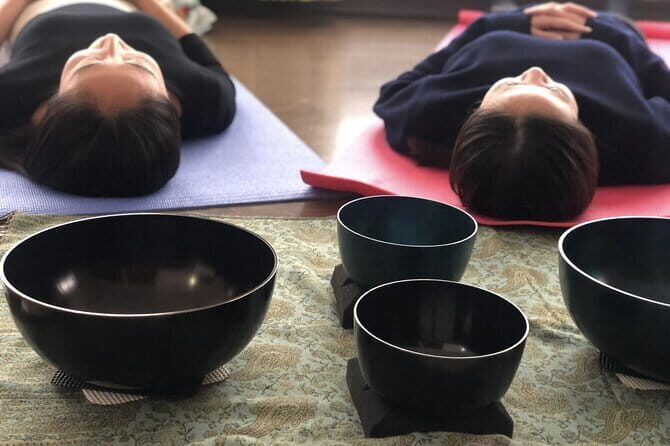
Kendo instruction is as much about communication as it is about technique. Here, the teacher has experience teaching in English, which makes a huge difference when you’re hearing the etiquette and terminology in a language you actually understand.
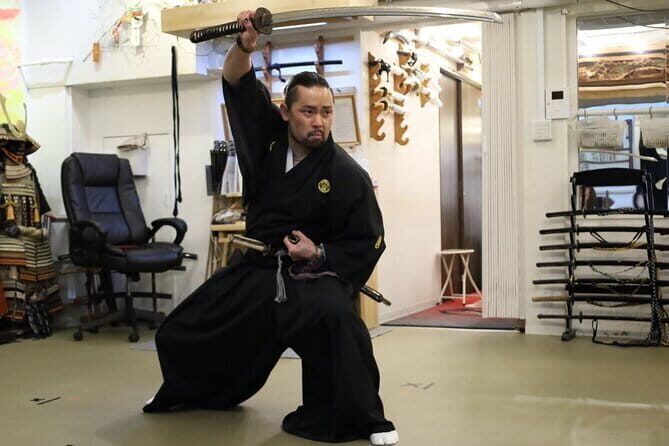
You may meet an instructor like Takahiro Hayashi, who is described as friendly, knowledgeable, and energetic. That kind of teaching style helps first-timers relax fast. And when you relax, you learn faster—because you’re listening instead of guessing.
Another practical note from how the lesson is described: instructors guide you through each step at a pace that makes the progression clear. You’re not thrown straight into a sparring match without context. You learn the basics, then weapons practice, then pair training. That structure also helps you feel safe.
If you’re someone who likes a clear plan—warm-up, lesson points, practice, then apply—this class fits that style well.
Why the etiquette and history components are worth your time
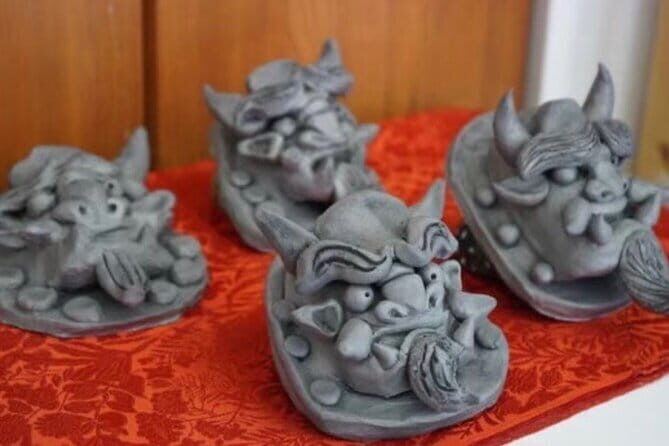
It would be easy for a short kendo intro to reduce everything to action. This one makes room for the “why.”
You’ll practice the etiquette routines, including bowing, and you’ll learn terminology tied to how kendo is taught and evaluated. You’ll also touch on history—kendo has been taught and practiced for decades, and the lesson frames it as more than just competition.
Here’s the value for you on a trip: this changes how you see kendo in Japan. Instead of treating it like a performance, you’ll understand it as a structured discipline. That means when you notice kendo in media, in demonstrations, or even in conversations with people who train, you’ll have a mental framework.
The class also emphasizes mindfulness—your mind, skill, and body working together. Even if you don’t plan to keep training after Kyoto, you’ll still walk away with a practical sense of how Japanese martial arts often teach respect and self-control through daily practice.


Timing, group size, and who this fits best
At about two hours, this is a great add-on if you want something active but not exhausting for the whole day. Your start time is 10:00 am, which also helps if you want to avoid late afternoons when Kyoto can feel crowded and you’d rather not scramble to get to a lesson.
The group size has a maximum of 30 travelers. That’s not a tiny class, but it’s small enough that the instructor can keep the room organized. More importantly, the lesson structure still supports interaction rather than passive observation.
This is a strong choice if:
- you want a genuine cultural activity rather than a generic ticketed show
- you want real instruction in etiquette plus technique
- you’re traveling with family or friends who want a shared, hands-on memory
- you’re comfortable with light-to-moderate physical effort
It may be less ideal if you want an ultra-comfy, no-sweat experience. Even with guidance, you should expect movement and heat from the armor.
Price and value: $118.89 for two hours of real instruction
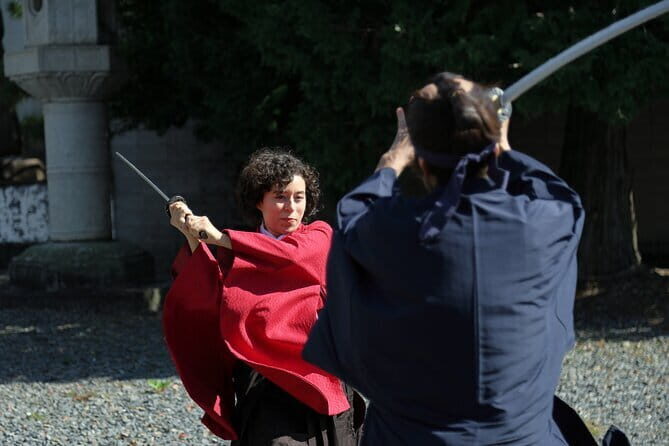
At $118.89 per person for about two hours, this isn’t the cheapest activity in Kyoto. But it is one of the more straightforward value plays because several key costs are already handled for you.
You’re getting:
- all kendo equipment
- a free towel
- bottled water
- a teacher who can explain things in English
- a structured progression from basics to applied practice
If you’ve ever priced martial arts classes abroad, you’ll notice that the “equipment included” part is often where the value hides. Here, you’re not just paying for time—you’re paying for gear, instruction, and the safe format that helps first-timers train.
Booking tends to be made about 44 days in advance on average, which signals that it’s a popular slot. If you know your Kyoto dates, don’t wait until the last minute.
How to get the most out of your session
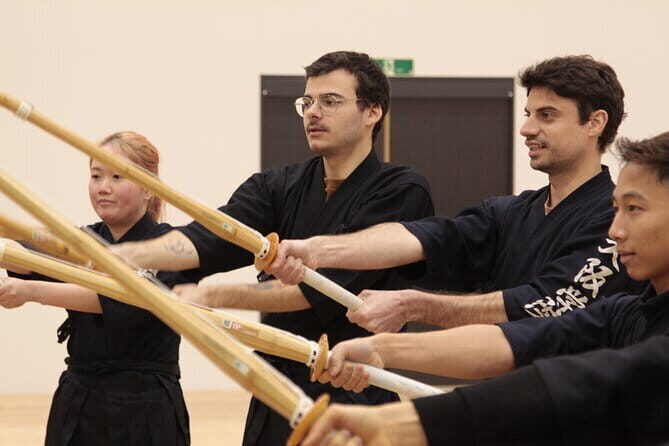
You’ll learn faster if you come in ready to listen and copy. Kendo uses routines—your body follows what your mind expects. A calm attitude makes a difference.
My practical checklist:
- Bring something to dry off comfortably after class. Even though a towel is provided, bringing an extra towel can help with comfort.
- Drink water before you start. You’ll receive bottled water during the class, but you’ll feel better if you begin hydrated.
- Wear a mindset of first-time learning. You’re there to learn rules, manners, and controlled technique, not to master it in one go.
And if you get a chance to take part in the pair training or match-style moments, jump in. That’s often the part that turns the whole session from instructional to memorable.
Should you book it?
Yes, I’d strongly consider booking if you want a Kyoto activity that feels authentic, structured, and genuinely hands-on. The biggest reasons are the included gear and the focus on etiquette and mindset—not just the physical moves.
I’d skip it only if you want a completely low-activity experience or if heat and protective gear would bother you more than you’re willing to manage. If you’re flexible and curious, this is one of those lessons that gives you a real taste of Japanese martial culture in a short, well-run format.
If you’re trying to balance classic Kyoto sightseeing with something active and different, this kendo intro is an excellent way to add meaning—not just another photo stop.
FAQ
Where does the kendo lesson start?
The meeting point is at Hanazono Station in Kyoto (Hanazonoteranouchicho, Ukyo Ward). The activity ends back at the meeting point.
What time does the experience begin?
The start time is 10:00 am.
How long is the kendo experience?
It lasts about 2 hours.
What is the price per person?
The price is listed at $118.89 per person.
Is hotel pickup or drop-off included?
No. Hotel pickup/drop-off is not included. You’ll go from the station area to the dojo as part of the experience.
What’s included with the tour?
You’ll get all kendo equipment, a free kendo towel, and bottled water.
Is food included?
No, food is not included.
Will the instructor speak English?
The description notes that the instructor has experience teaching in English, which helps make the concepts easier to understand.
What kind of physical fitness level do I need?
The guidance says you should have a moderate physical fitness level.
How big is the class?
The group has a maximum of 30 travelers.
Can I cancel and get a refund?
Yes. Free cancellation is available if you cancel at least 24 hours before the experience’s start time. If you cancel less than 24 hours before, the amount paid is not refunded.