REVIEW · KYOTO
Kyoto Private Tea Ceremony with Tea Master at Home
Book on Viator →Operated by SAKURA Experience Japanese Culture Nijo Home · Bookable on Viator
One hour is plenty for matcha manners.
This is a private Kyoto tea ceremony in a traditional home setting near Nijo Castle, led by certified instructors. You learn etiquette, sip matcha made with a bamboo whisk, and snack on three seasonal wagashi that fit many diets, all without the usual crowd energy.
I especially like the quiet, real-life setting in the tea rooms (Koma and Hiroma). I also like that you’re not just watching: you get hands-on instruction, including preparing matcha and enjoying two bowls of it.
One drawback to plan for: the ceremony has strict conduct rules (arrival time, dress code, socks, and no perfume). If you don’t want to follow those basics, this may feel more like a class than a casual hangout.
In This Review
- Key things that make this Kyoto tea ceremony different
- Entering The Tea Rooms Near Nijo Castle: Koma and Hiroma, Not a Stage
- Getting Ready: Socks, Sleeves, Tatami Hygiene, and the No-Perfume Rule
- The Wagashi Break: Three Seasonal Sweets You Can Actually Eat
- Matcha With a Bamboo Whisk: Uji Tea, Two Bowls, and Real Technique
- Learning Tea Etiquette: Why the Motions Matter (and How the Booklet Helps)
- The One-Hour Flow: What Happens From Tea Room Entrance to Final Sip
- Price and Value: Is $99.08 Worth a Private Kyoto Tea Session?
- Who Should Book This Tea Ceremony in Kyoto (and Who Should Skip It)
- Should You Book This Kyoto Private Tea Ceremony at Home?
- FAQ
- How long is the Kyoto private tea ceremony session?
- Is this tour private or shared?
- What’s included in the experience?
- Is kimono rental included?
- Are children allowed to join?
- What should I wear?
- Do I need socks?
- Can I wear perfume?
- Is seating available for guests who need it?
- What if I need to cancel?
Key things that make this Kyoto tea ceremony different
- Tea room privacy in a local home: it’s not a storefront show, it’s a private retreat setting.
- Hands-on matcha prep: you whisk and participate, not just observe.
- Three seasonal wagashi with diet-friendly options: the sweets are gluten-free and vegan.
- Uji matcha and two bowls served: you actually drink what you prepared.
- Aya-sensei and family support during the experience: Aya-sensei is the tea master, and Manabu has helped with photos in at least one session.
- A take-home booklet: you leave with a guide to the spirit and etiquette of the ceremony.
Entering The Tea Rooms Near Nijo Castle: Koma and Hiroma, Not a Stage
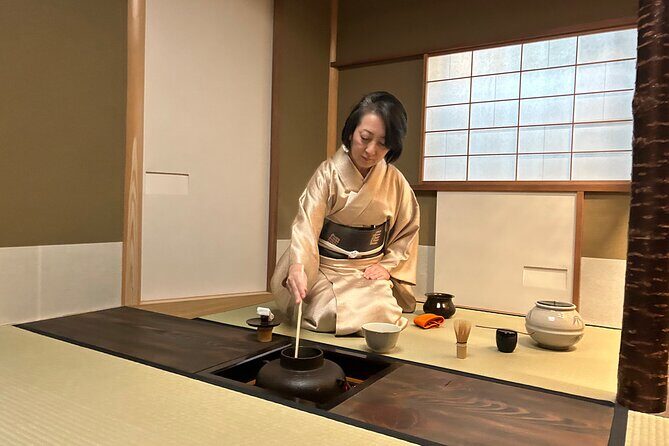
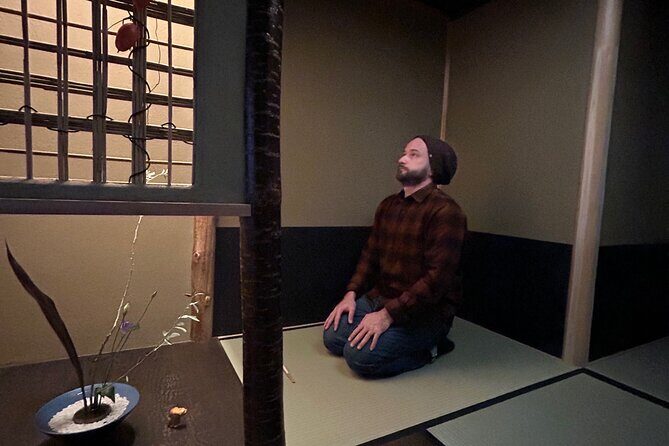
This experience takes place in Kyoto inside a private home, and it’s set up for calm, respectful learning. The hosts use traditional tea rooms (Koma and Hiroma), which matters because tea ceremony isn’t meant to be loud, fast, or “touristy.” You’ll feel the difference right away—less like you’re buying a ticket and more like you’re being taught how to notice details.
The class runs about one hour, which sounds short until you realize the ceremony itself is packed with small actions. That pacing is part of the value. You don’t need a half-day to understand what tea ceremony is about; you need focus, and this format gives you it.
Because it’s private, only your group participates. That’s a big deal if you’re the type who likes asking questions at a normal volume, or if you’re traveling as a couple or small group and don’t want to share your quiet moment with strangers.
You can also read our reviews of more private tours in Kyoto



Getting Ready: Socks, Sleeves, Tatami Hygiene, and the No-Perfume Rule
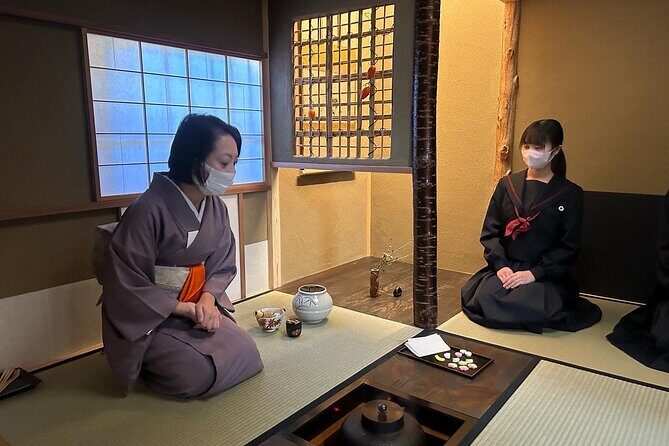
Before you even arrive, read the practical rules. They’re there for comfort and for the tea room atmosphere.
Here’s what you need to know:
- Socks are required to protect the tatami mats (bare feet are not the setup). If you forget, socks can be purchased on site.
- Dress code is real: wear long pants or a long skirt, plus a top with sleeves. Sleeveless tops, shorts, and mini skirts aren’t permitted.
- Perfume is a no-go. Even fragrance can interfere in a space where smell is part of the experience. If you show up with strong scent, you might be asked to remove it before entering.
- Be on time. More than 15 minutes late means you may not be able to participate, and there’s no refund.
This is where you can decide quickly if the fit is right. If you want a structured cultural experience with clear boundaries, you’ll appreciate that they keep it that way. If you’re hoping for a flexible, walk-in vibe, you might get frustrated.
Also worth noting: kimono rental isn’t included. One of the practical booking surprises for some people is expecting to wear a kimono. Plan to show up in the clothing required for the ceremony instead.
If you use a mobility aid or prefer seating, there are small chairs available. You should inform the organizers in advance so they can plan appropriately.
The Wagashi Break: Three Seasonal Sweets You Can Actually Eat
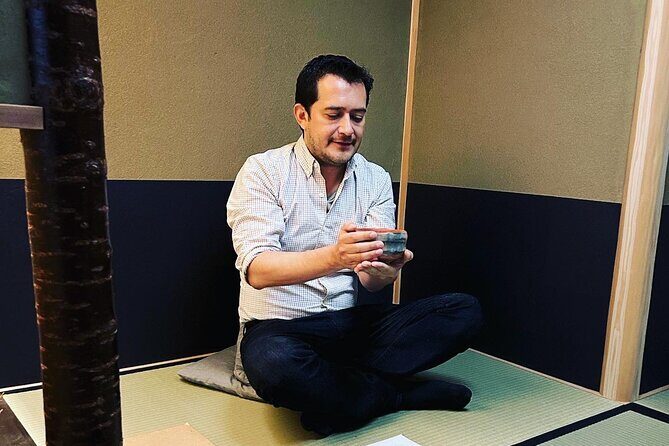
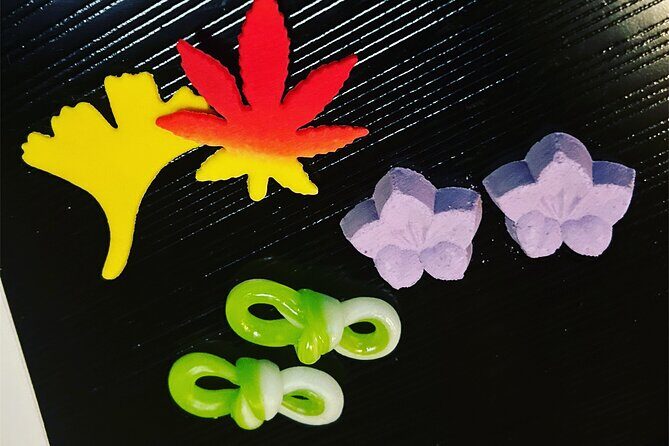
Tea ceremony often includes sweets called wagashi, and here you get three different types from a long-established Kyoto confectioner. The big practical win is diet compatibility: the snacks are described as gluten-free and vegan. That’s not a small detail. It means you can enjoy the sweets as part of the ritual instead of wondering what’s safe.
Wagashi isn’t just sugar. It’s designed to balance the bitterness of matcha and to match the season and mood of the moment. Even without a deep background, you’ll feel the logic: one bite helps reset your palate so the tea tastes right, not harsh.
You’ll be served these sweets during the ceremony flow. If you’re sensitive to flavors or have dietary restrictions, this is one of the safest ways to experience the sweet component in a Kyoto setting without turning it into a research project.
Matcha With a Bamboo Whisk: Uji Tea, Two Bowls, and Real Technique
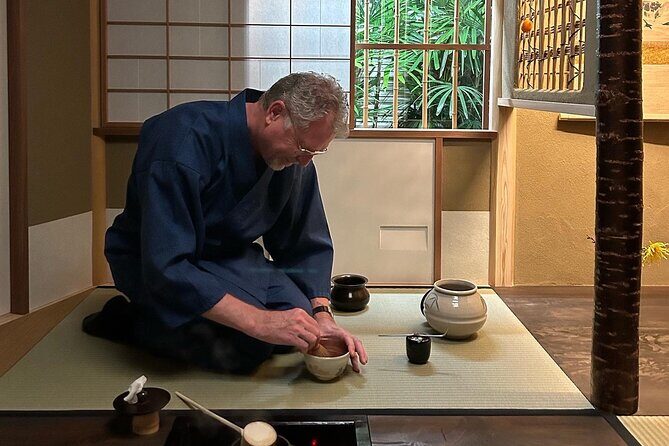
The matcha is the heart of the experience. You’ll prepare it the traditional way using a bamboo whisk (chasen). The matcha is sourced from Uji, and the blend is described as original blended matcha from Uji. You also get to enjoy two bowls of matcha as part of your session.
Hands-on matcha prep is where this class earns its keep. You’re not just tasting; you’re learning the movements—how to handle the whisk, how to mix, and how serving and sipping work together.
One helpful thing to expect: the teacher guides you step-by-step, and the tone stays gentle. In the stories people share after booking, the common thread is that Aya-sensei makes the details feel learnable, not intimidating. That matters if you’ve never held a whisk before.
And yes, the tea is meant to be sipped slowly. Tea ceremony isn’t about chugging a drink. It’s about timing, posture, and attention. Even if you’re thinking in tourist brain at first, the structure nudges you into a different tempo.
Learning Tea Etiquette: Why the Motions Matter (and How the Booklet Helps)
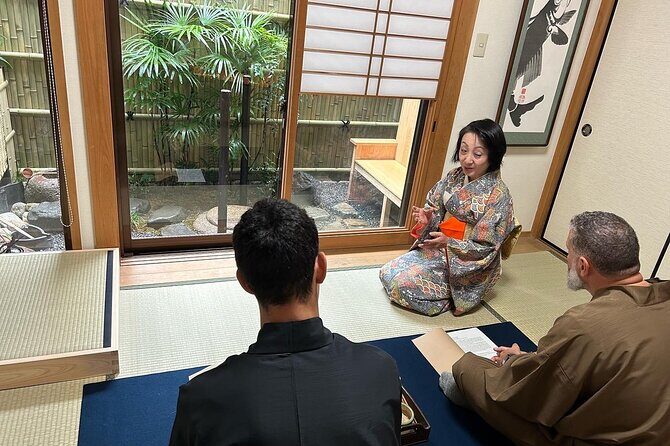
Tea ceremony etiquette can sound complicated until you understand what it’s trying to do: it trains attention. The ceremony is built around respect—between host and guest, and between people and the objects used (tea bowl, whisk, and more).
During your session, you’ll get a demonstration and then hands-on practice. The teacher explains the background and proper procedures, and you’ll also receive a take-home booklet. The booklet is meant as a concise guide to the spirit and etiquette of tea, so you can refresh what you learned later instead of relying on memory.
A quiet, practical tip: after the ceremony, take 10 minutes to look through the booklet while the experience is still fresh. You’ll remember more because the actions will make sense in your own language. Tea ceremony is full of small steps that become logical once you connect them to the “why.”
Also, the experience is framed as a living tradition rather than entertainment. That shows up in how people describe the vibe: calm, focused, and built around five-sense awareness. If you like cultural learning where you’re not rushed or put on display, this is exactly that.




The One-Hour Flow: What Happens From Tea Room Entrance to Final Sip
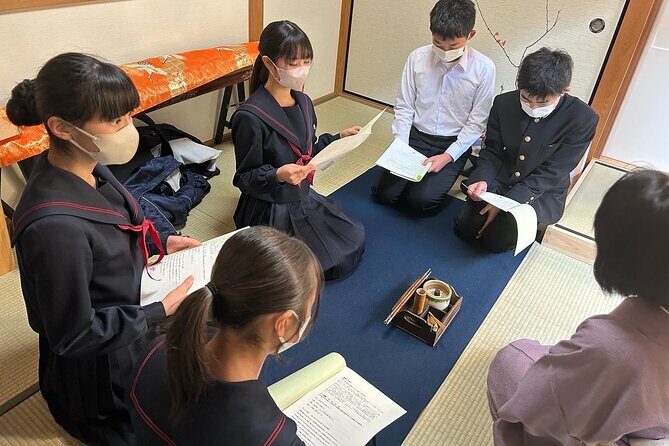
Here’s the basic rhythm you can expect, without pretending it’s a one-size-fits-all script.
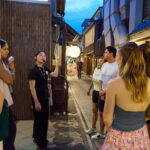
1) You meet at the Sakura Experience Japanese Culture Nijo Home location near Nijo Castle.
2) You enter the tea room and get guided on the setup and etiquette basics.
3) You enjoy seasonal wagashi (three types), which sets the palate for matcha.
4) You watch the demonstration, then you practice matcha preparation with guidance.
5) You enjoy two bowls of matcha from the ceremony flow.
6) You finish by reviewing what it all means, then you leave with the booklet souvenir.
In a setting like this, the value comes from the balance: learning + doing + tasting. If it were only learning, it would feel abstract. If it were only tasting, it would feel like a food stop. Here, you get both.
One extra detail from participant experiences: in at least some sessions, the host team helps with photos so you can stay present without constantly handing your camera to someone and stepping out of the ritual.
Price and Value: Is $99.08 Worth a Private Kyoto Tea Session?
Let’s talk about money plainly. At $99.08 per person for about one hour, this isn’t the cheapest thing you can book in Kyoto. But it also isn’t trying to be.
What you’re paying for:
- Privacy: only your group participates.
- Certified instruction: a tea master leads the ceremony and guides your practice.
- Included tasting components: three seasonal wagashi plus two bowls of matcha.
- A take-home booklet so the experience sticks.
- Original matcha from Uji and a traditional whisking approach.
If you compare it to group classes or generic “tea tasting” stops, private access is where the price starts to make sense. You’re buying attention and coaching. In a format this short, that one-on-one feel is the whole point.
It’s also worth noting that the average booking window is around 48 days in advance, which hints that demand is steady. If you’re traveling in a busy season or you want a specific time block, booking earlier usually keeps your options open.
Who Should Book This Tea Ceremony in Kyoto (and Who Should Skip It)
This works best for:
- Couples, friends, and small groups who want quiet cultural learning
- People who like hands-on experiences where you practice the skill, not just watch
- Travelers who have dietary restrictions and want wagashi that are described as gluten-free and vegan
- Anyone who appreciates etiquette and wants a structured, respectful introduction to tea culture
It may not be ideal if:
- You’re traveling with children under 13 (this class does not allow children aged 13 and under).
- You hate rules and prefer fully spontaneous activities. The ceremony requires socks, sleeves/long clothing, and you must skip perfume.
- You arrive late often. Over 15 minutes late can mean you can’t participate.
If you’re unsure, the deciding question is simple: do you want a calm, guided ritual—or do you want a low-structure cultural stop? This is the first one.
Should You Book This Kyoto Private Tea Ceremony at Home?
I’d book it if you want a short, high-quality culture moment with a real tea master and the chance to do the whisking yourself. The value isn’t just the matcha; it’s the combination of privacy, instruction, diet-friendly sweets, and a take-home booklet that turns a one-hour experience into something you can remember and repeat at home (at least in spirit).
Skip it if you’re hoping for a casual, flexible activity without etiquette expectations. The ceremony runs on respect, timing, and clean-room basics like socks and no fragrance. If that sounds like your kind of travel, you’ll likely feel right at home in the tea room.
If you do book, show up prepared: wear the right clothes, bring socks if you think you’ll forget, and keep your perfume bottle in the bag. That’s how you help the room stay calm—and you get the best version of the experience.
FAQ
How long is the Kyoto private tea ceremony session?
The session runs about 1 hour (approx.).
Is this tour private or shared?
It’s a private tour/activity. Only your group will participate.
What’s included in the experience?
You’ll get seasonal three types of handcrafted wagashi, a tea ceremony booklet, guidance including matcha preparation, and two bowls of matcha made with the original blended matcha from Uji.
Is kimono rental included?
No, kimono rental is not included.
Are children allowed to join?
Children aged 13 and under are not permitted to join this class.
What should I wear?
Wear a top with sleeves and a long skirt or long pants. Sleeveless tops, shorts, and mini skirts are not permitted.
Do I need socks?
Yes. Socks are required for hygiene and to protect the tatami mats. If you forget, socks are available for purchase on site.
Can I wear perfume?
You should refrain from wearing perfume (including musk-based scents). Guests wearing fragrance may be asked to remove it before entering.
Is seating available for guests who need it?
Small chairs are available for guests who need them. You should inform the organizers in advance.
What if I need to cancel?
You can cancel for a full refund up to 24 hours before the experience start time. If you cancel less than 24 hours before, the amount paid is not refunded.