REVIEW · KYOTO
Kyoto and Nara Day Trip from Kyoto
Book on Viator →Operated by JTB Global Marketing & Travel Inc. · Bookable on Viator
Kyoto and Nara in one controlled day. This full-day tour strings together big UNESCO hits like Nijo Castle and Kinkaku-ji without the usual scheduling headache, and it also covers Nara’s Todai-ji and Kasuga Shrine with comfortable rides between stops. The main trade-off: it’s a 10–11 hour day, so you’ll move at a brisk pace and do more walking than you might expect near the end.
You’ll start at 8:20am and finish around 6:30pm back at Kyoto Station (no hotel drop-off). The rhythm is simple: Kyoto in the morning, Nara after, with admissions and transport folded into the price, plus a mobile ticket and a max group size of 40 so it stays manageable.
In This Review
- Key reasons people pick this Kyoto and Nara day trip
- What makes this tour easier than doing Kyoto and Nara solo
- Morning in Kyoto: Nijo Castle, Kinkaku-ji, and the Imperial Palace grounds
- Nijo Castle: Tokugawa power with a quiet, detailed interior
- Kinkaku-ji (Golden Pavilion): gold leaf, pond reflections, and photo chances
- Kyoto Imperial Palace: ceremonial space and “what you can see” planning
- Nara’s Todai-ji: the Great Buddha and why the scale lands
- Kasuga Grand Shrine lanterns, then Nara Park deer (yes, plan ahead)
- The deer in Nara Park: fun, but treat them like wild animals
- How the timing really feels: a “see a lot” day, not a “wander forever” day
- Price and value: what you’re really paying for
- Small details that make or break the day (and how to prepare)
- 1) Meeting point: give yourself extra buffer
- 2) Shoes and walking
- 3) Deer management
- 4) Lunch options: plan around set menus
- Should you book this Kyoto and Nara day trip?
- FAQ
- What major sights are included in the tour?
- Is lunch included?
- How long is the day trip and when does it end?
- What happens if Kyoto Imperial Palace is closed?
- What happens if Nijo Castle is closed?
- Where do you meet and where do you get dropped off?
Key reasons people pick this Kyoto and Nara day trip
- Licensed English guide: you get a real interpreter, not just a taped audio track
- Air-conditioned bus: breaks up the long day and keeps comfort high in summer
- All the headline stops: Nijo Castle, Kinkaku-ji, Imperial Palace grounds, Todai-ji, Kasuga Shrine
- Nara Park finale with deer: a classic payoff that’s fun, but plan for crowds
- Set time windows at each site: enough to see, not enough to wander for hours
What makes this tour easier than doing Kyoto and Nara solo
If you’ve ever tried to stitch Kyoto and Nara together by train and bus, you know the pain: transfers, schedules, and the time you lose when one connection runs late. This tour removes that stress with air-conditioned transport and a guide who keeps the day moving.
I also like that the plan is built around the “must-see” logic. You get Kyoto’s famous World Heritage spots early, then shift south to Nara for the big religious monuments. It’s the kind of structure that helps you get your bearings fast—especially if it’s your first time in Kansai.
One more practical point: the route order can change based on roads and congestion. That’s not a flaw; it’s reality in Japan. The guide’s job is to keep the day working anyway, including swap-outs when a site is closed.
A few more Kyoto tours and experiences worth a look

Morning in Kyoto: Nijo Castle, Kinkaku-ji, and the Imperial Palace grounds
Kyoto mornings on this tour feel focused. You’ll hit three major stops, with admission included at Nijo Castle and Kinkaku-ji. The time windows are tight, so you’ll want to use them intentionally: look first, then decide what details you want up close.
Nijo Castle: Tokugawa power with a quiet, detailed interior
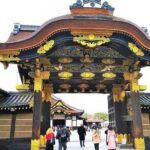
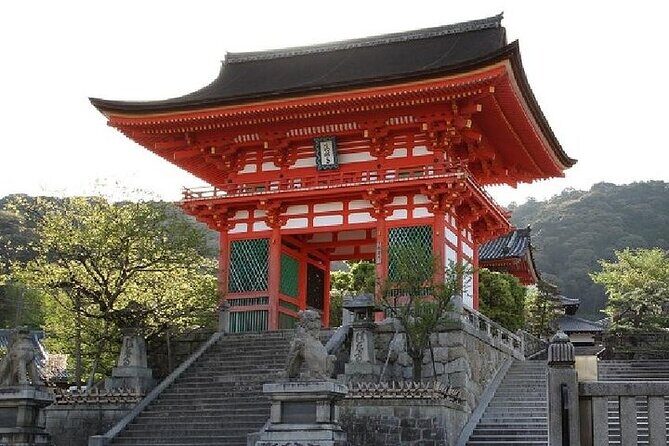
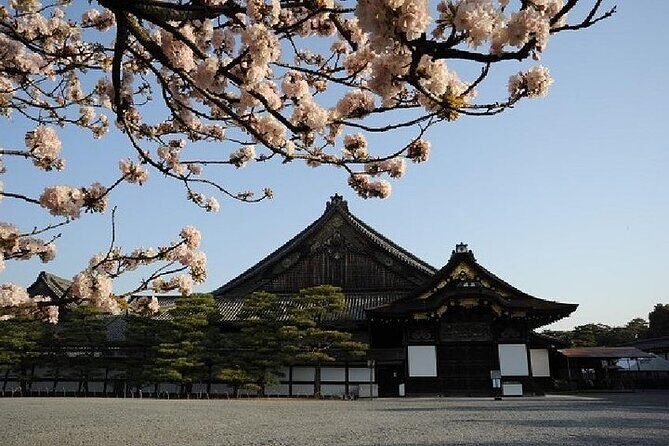
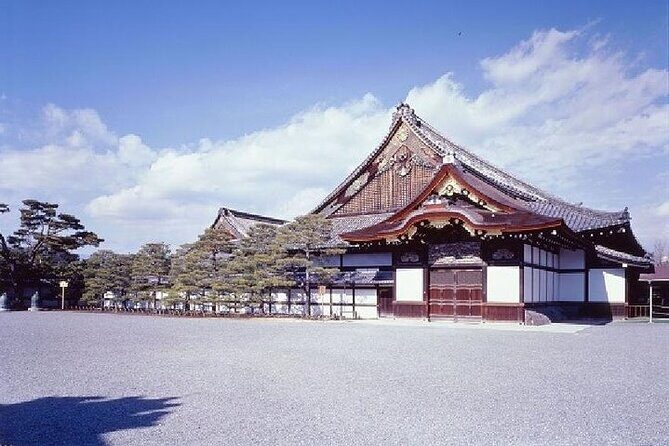
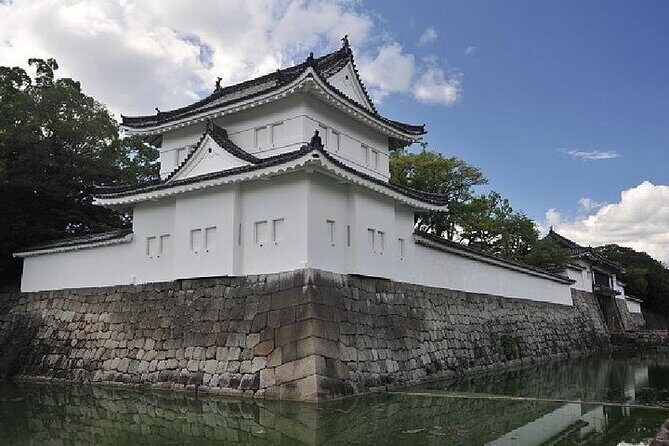
You start at Nijo Castle, a World Heritage site tied to the Tokugawa shogunate. The exterior carries a solemn weight, while the inside is where the contrast really hits—carvings and craftsmanship that support the palace-within-a-fortress idea.
Practical tip: at Nijo Castle, you’ll need to remove your shoes. Bring socks you’re comfortable walking in, and don’t plan on wearing open sandals unless you like improvising.
You’ll get about 50 minutes here, which is usually enough to see the key buildings and feel the layout with the guide pointing out what matters.
Kinkaku-ji (Golden Pavilion): gold leaf, pond reflections, and photo chances
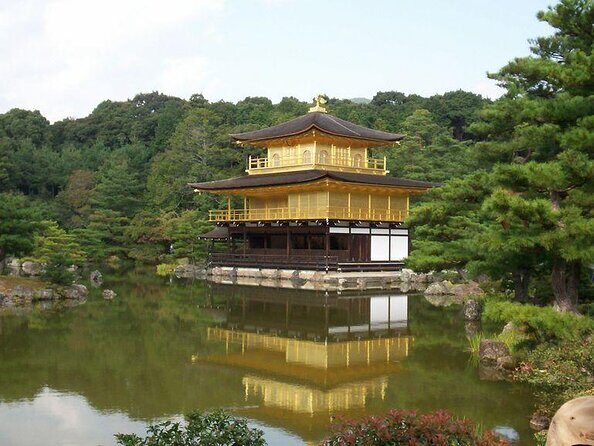
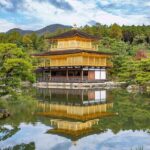
Next is Kinkaku-ji, Kyoto’s headline temple and one of Japan’s best-known garden-and-temple scenes. The Golden Pavilion is sheathed in thin layers of gold leaf, standing beside a pond that creates that postcard reflection effect when conditions cooperate.
You’ll get around 45 minutes. That’s short if you want long, slow soaking-in shots, but it’s right for a guided overview plus a few minutes for your own photos.
Kyoto Imperial Palace: ceremonial space and “what you can see” planning
The tour then stops at the Kyoto Imperial Palace area. You’ll spend about 40 minutes, and admission here is free on the tour.
Two things to note:
- On Mondays (or the next day if Monday is a holiday), or during Imperial Household Agency events, the palace may be closed to visitors.
- When that happens, the tour visits an alternative site instead (Kitano Tenmangu Shrine, or Nishi Hongan-ji Temple if the closure date falls on the 25th).
So even if you came for the palace specifically, this tour still protects your day with a workable substitute.

Nara’s Todai-ji: the Great Buddha and why the scale lands
After Kyoto, you head to Nara. This is where the day shifts from “palace and pavilion” to something more communal and monumental.
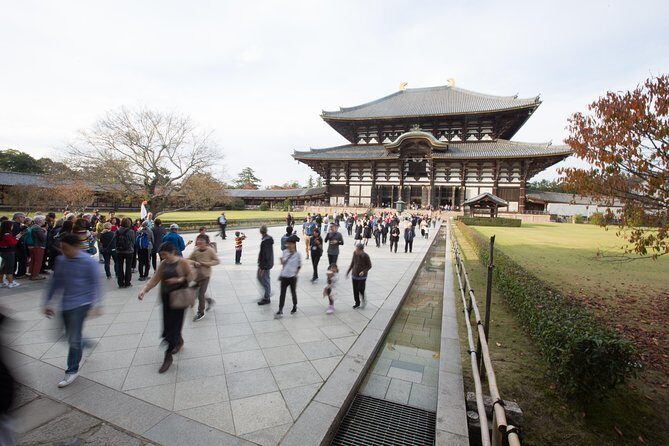
Todai-ji is the big stop: a symbol of the Nara period and one of the world’s largest wooden structures. The main hall, plus the Great Buddha (bronze), is the visual reason most people come—this isn’t a temple you just skim.
You’ll spend about 1 hour 10 minutes here, including admission. That time is usually enough to:
- see the main hall and Buddha statue area
- follow the guide’s context about why Todai-ji became such a center point for belief and power
If you like architecture and religious history, Todai-ji delivers without requiring deep prior knowledge. Even if you’re mostly there for photos, the sheer scale does the teaching.
Kasuga Grand Shrine lanterns, then Nara Park deer (yes, plan ahead)
Kasuga Grand Shrine is next, with about 1 hour on the clock. This site is famous for the 3000-plus stone and bronze lanterns lining the approach and interior spaces, creating a soft, glowing feel that’s hard to replicate in pictures.
There’s also a special visit area tied to the main sanctuary. The tour will try to enter it, but if operational circumstances or events block access, you’ll visit the Kasuga Taisha Museum or Todaiji Museum instead. Translation: you won’t just lose time; you’ll get a museum-style backstop.
The deer in Nara Park: fun, but treat them like wild animals
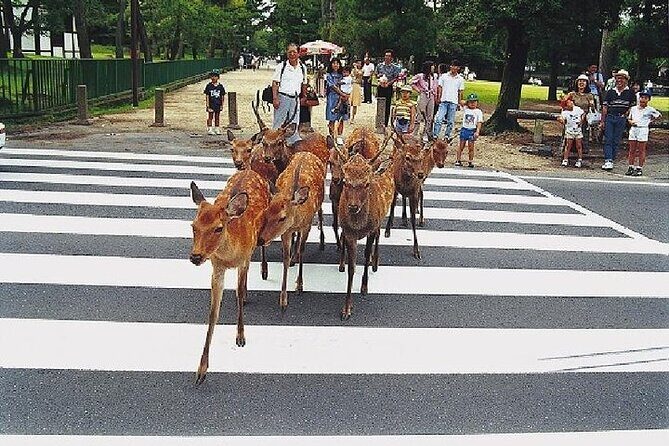
Then you roll into Nara Park and its famous deer. This is the moment where the tour becomes playful. Deer are a huge part of the experience, and the guide will help you understand local rules of interaction.
Practical reality check: deer can be pushy, and I’d recommend following the guide’s advice closely—especially around food. Wear comfortable shoes, because you’ll likely walk more than you think through park paths and viewpoints.
How the timing really feels: a “see a lot” day, not a “wander forever” day
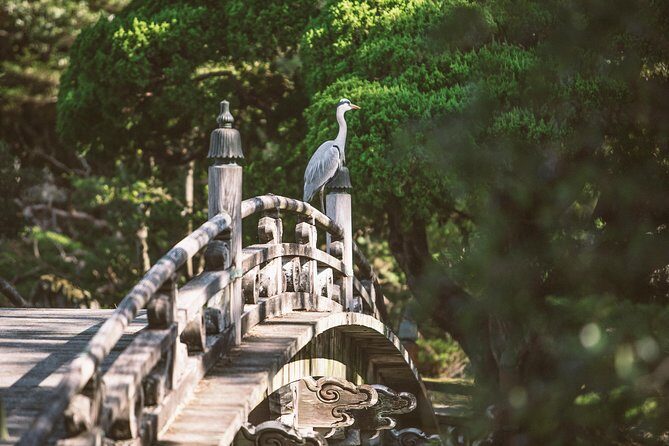
This tour runs about 10–11 hours, and it squeezes five major stops into that window (plus transport). That works if your goal is coverage: you want the big Kyoto and Nara hits without building your own itinerary.
It doesn’t work as well if your dream day is slow and flexible. Several people flag that the pace can feel rushed if you like long, quiet time at each stop. You do get enough time to experience each location, but you won’t have hours to linger at one place if you fall in love with it.
A helpful strategy:
- Choose one stop as your “slow stop” in your mind (often Todai-ji or Kinkaku-ji)
- Let the other sites be “spot the highlights first” moments
- Use your phone camera intentionally, not endlessly. Spend a few minutes, then move.
Also, seats may not be designated on the bus, so if you’re picky about window views, try to board early when you can.
Price and value: what you’re really paying for
At $194.85 per person, this isn’t a bargain-basement option—but it can be strong value for what you get.
Here’s why:
- Transport is included: getting Kyoto and Nara linked efficiently is the hardest part of DIY.
- Admissions are included for the listed paid stops.
- You get a national government licensed English guide interpreter, which is a major part of the value, especially when the meaning of what you’re seeing matters.
- The day is organized with swap plans for closure dates (Imperial Palace and Nijo Castle have predictable backup options).
So you’re not just paying for rides. You’re paying for time-saving and interpretation—plus the confidence that the schedule won’t collapse if you’re unfamiliar with Kyoto’s logistics.
Small details that make or break the day (and how to prepare)
If you want the smoothest experience, focus on the practical stuff.
1) Meeting point: give yourself extra buffer
The start point is at the JTB SUNRISE TOURS desk inside the AVANTI building near Kyoto Station. It’s specific, but Kyoto Station is huge. If you’re not used to it, arriving a bit early can save stress.
2) Shoes and walking
Plan for walking across temple grounds and museum-like areas. At Nijo Castle, you remove shoes, so bring socks that won’t slide and that you’re comfortable with for the morning.
3) Deer management
Treat deer as part of the environment, not as pets. Follow guide instructions and avoid sudden moves when they get close.
4) Lunch options: plan around set menus
Lunch is only included if you choose the With Lunch option. There are two main versions:
- Western-style set menu (with advance notice needed for vegetarian requests)
- Indian thali set menu designed suitable for vegetarians, including curries, pakora, yogurt, naan or roti, rice, salad, and a non-alcoholic drink
Important limitations: halal, gluten-free, and other meal requests aren’t available. If you have allergies or strict dietary needs, this is one of those cases where you should read the meal rules carefully before booking, because same-day changes may not be accepted.
For the No Lunch option, you’ll have free time to eat in the Kyoto Station area.
Should you book this Kyoto and Nara day trip?
Book it if you want a high-impact, first-timer-friendly day: Kyoto’s key UNESCO sights in the morning and Nara’s Great Buddha and Kasuga lantern drama by afternoon, all with air-conditioned transport and an English guide. It’s also ideal when you don’t want to manage transit, ticket lines, and closure-day plan B on your own.
Skip it (or consider a slower plan) if you’re the type who hates being on a clock. If you want long, quiet wandering at just one or two temples, you’ll probably feel the pace.
FAQ
What major sights are included in the tour?
You’ll visit Nijo Castle, Kinkaku-ji, Kyoto Imperial Palace grounds (or an alternative if closed), Kasuga Grand Shrine, and Todai-ji Temple, plus Nara Park’s deer area.
Is lunch included?
Lunch is included only if you choose the With Lunch option. There are Western-style and Indian thali lunch options; the No Lunch option gives you free time to eat near Kyoto Station.
How long is the day trip and when does it end?
It runs about 10 to 11 hours. It starts at 8:20am and the tour ends around 6:30pm at Kyoto Station.
What happens if Kyoto Imperial Palace is closed?
If it’s closed to visitors (notably on Mondays or during Imperial Household Agency events), the tour visits Kitano Tenmangu Shrine instead. If the closure falls on the 25th, it visits Nishi Hongan-ji Temple.
What happens if Nijo Castle is closed?
Nijo Castle has closure days and periods (including Tuesdays in certain months/periods). If it’s closed, the tour visits Ryoan-ji Temple instead.
Where do you meet and where do you get dropped off?
You meet at the JTB SUNRISE TOURS desk in the AVANTI building near Kyoto Station. The tour ends at Kyoto Station, and for the Kyoto Start & End option there’s no hotel drop-off.