REVIEW · TOKYO
Tokyo Manga Drawing Workshop Guided by Active Pro Manga Artist
Book on Viator →Operated by UNIQUE TRAVEL JAPAN · Bookable on Viator
Manga magic happens fast in Tokyo. In about 2.5 hours, you’ll sketch, refine, and finish your own manga-style artwork with a professional manga artist near Ebisu Station, with guidance at every step.
I love the hands-on pacing—your instructor like Masa (and other sensei team members such as Chie Sensei) walks you through the process, even if you’re starting from zero. I also like that you leave with a tangible keepsake made with real manga tools, including screen tone, not just a quick craft.
One thing to watch: the address can be a little tricky. I’d plan extra time to find the right studio (and double-check the directions you receive).
In This Review
- Key highlights at a glance
- What you actually make in this Tokyo manga workshop
- Where the workshop is (and how to not lose time)
- The 2.5-hour flow: what happens once you’re in the studio
- 1) Start with your idea, then shape it
- 2) Sketch and outline with corrections along the way
- 3) Add the manga finishing tools (including screen tone)
- 4) Final touches and your take-home keepsake
- Screen tone: why this class feels more real than most art sessions
- Who this workshop is best for (and who might want a different plan)
- You’ll probably love it if you…
- It may not be your best pick if…
- Value check: is $132.10 a good deal for 2.5 hours?
- What to bring (and what to skip)
- Getting the most out of your character choice
- Should you book this Tokyo manga drawing workshop?
- FAQ
- How long is the Tokyo manga drawing workshop?
- What does the class cost?
- Do I need to know how to draw manga already?
- What’s included in the price?
- Where does the workshop meet?
- Is the group size small?
- Can I cancel for a full refund?
Key highlights at a glance
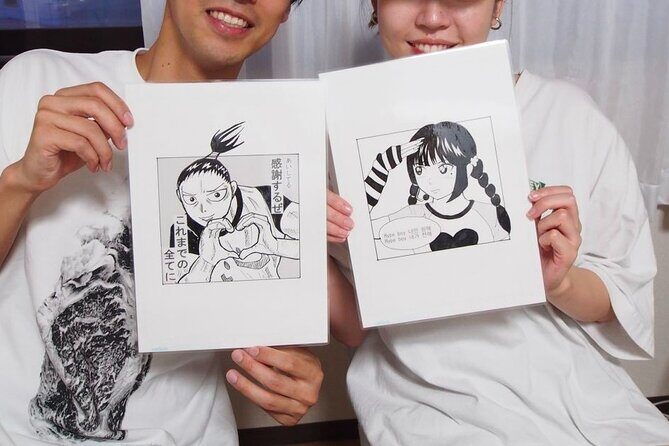
- Active pro artists teach step-by-step so you’re not guessing what to do next
- Small group size (max 8) means more individual attention
- You use real manga tools, including screen tone
- You keep your finished artwork as a souvenir you can take home
- Studio is close to Ebisu Station, so fitting it into a Tokyo day is easier than you’d think
What you actually make in this Tokyo manga workshop
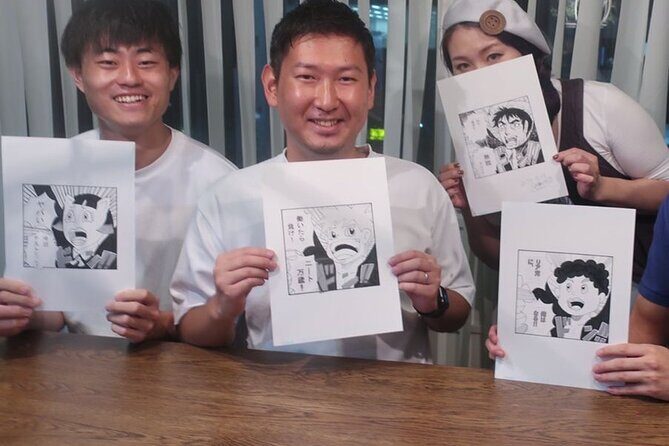
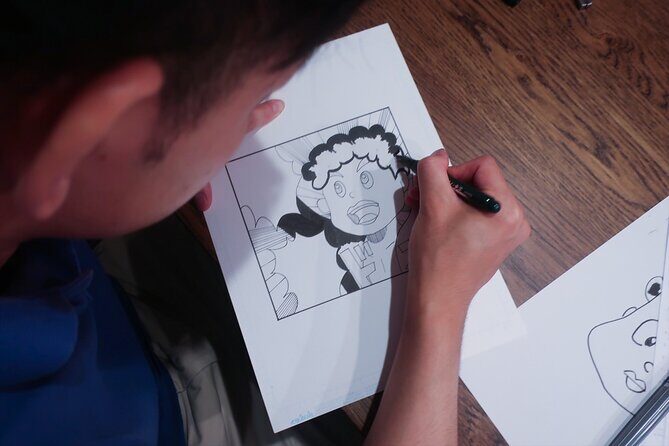
This is a straightforward class with a clear goal: you walk in empty-handed and leave with a finished manga-style piece. The session is built around taking a character idea and turning it into a polished drawing through the common manga steps—sketching first, then shaping the final lines and adding the finishing touches.
What makes it feel like a real creative experience is that you’re not forced into one template. You can choose the character you want to draw, and the artist helps you get it onto the page in a way that looks like manga rather than “anime-ish doodles.” One family even described how they could turn a family photo into manga style, which tells you this workshop isn’t only for seasoned artists.
And yes, you’ll use screen tone. That’s a big deal in manga because it’s how artists build shadows and depth without relying purely on messy gradients. If you’ve ever wondered how manga pages get that crisp look, this is one of the few ways to learn it in a single sitting without expensive gear.
You can also read our reviews of more guided tours in Tokyo


Where the workshop is (and how to not lose time)
The meeting point is listed at Ishikawa 3-chōme 8-11, Shibuya, Tokyo (150-0002). The good news: it’s described as close to Ebisu Station, and most people can reach it using public transportation.
The not-so-fun news: a couple of people noted that the directions can be confusing if your ticket initially points you to one place and the class uses another office location. The fix is easy, even if it’s annoying: verify the exact address right before you go and arrive with a buffer.
Practical tip: when you travel in Tokyo, give yourself 10–20 minutes of breathing room for walking and station-to-street navigation. In a workshop like this, being late is the difference between enjoying the class and watching everyone else move on without you.
The 2.5-hour flow: what happens once you’re in the studio
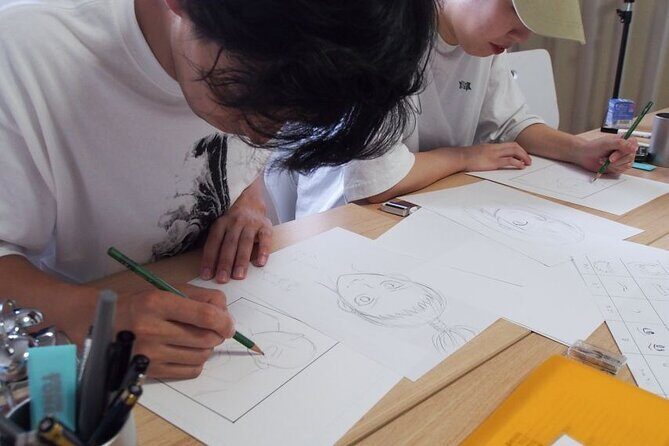
Think of the lesson as a guided sequence of small victories. Even if you’re not a drawer, the staff structure the steps so you can finish something you’re proud to show off back home.
Here’s the typical rhythm you can expect:
1) Start with your idea, then shape it
You’ll begin by picking what you want to draw—whether that’s a specific manga/anime character or a personal idea. The instructor then helps you translate it into something workable on paper. Several people mentioned that the teacher encouraged them to choose what they liked and then supported them through the steps, rather than forcing one style.
If you’re the kind of person who freezes when asked to create something, don’t worry. Many students reported you get guidance even if you show up with minimal experience.
2) Sketch and outline with corrections along the way
Next comes sketching. This is where a pro makes a difference. You’ll get nudges on line confidence, proportions, and how to make your character look like the manga style you’re aiming for. If you already have drawing experience, you may move faster—but you’ll still get helpful edits.
One parent described a setup where their mom (who had no drawing experience) could trace along while the teacher helped shape the final result. That’s a sign the class is designed for mixed skill levels.
A few more Tokyo tours and experiences worth a look






3) Add the manga finishing tools (including screen tone)
Then you move into the details—this is where manga starts to look like manga. The class includes manga tools and screen tone, and you’ll learn how to apply them for the right look.
A few students also referenced steps like backgrounds using stickers or similar add-ons. Even if you forget the exact term, you can think of it as “the step where it stops looking flat.”
4) Final touches and your take-home keepsake
At the end, you’ll have your own finished artwork to take home. One French review specifically mentioned the illustration being plastified, which makes it easier to pack in a suitcase. (So if you’re the kind of traveler who hates fragile souvenirs, that’s a nice plus.)
Screen tone: why this class feels more real than most art sessions
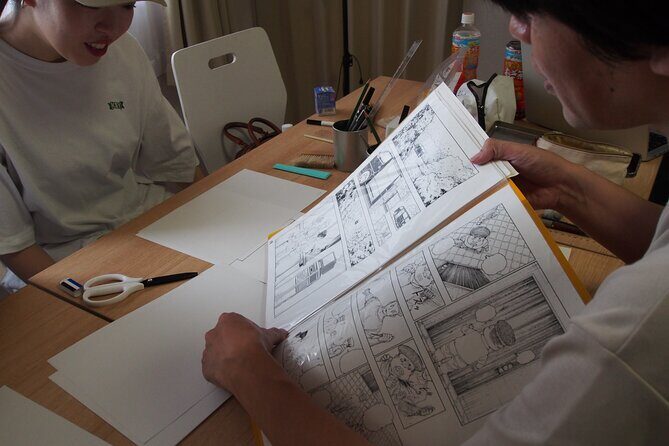
Plenty of tourist activities let you color something in. This one teaches a core manga technique.
Screen tone is used for shadows, texture, and contrast. In manga, it helps create depth without making the drawing look overly painted. Learning it in a guided workshop gives you two benefits:
- You see how the tone is placed to support the face, hair, and clothing shapes.
- You understand how the tone affects the overall “manga read” from a distance.
Even if your finished piece isn’t perfect, you’ll leave knowing how artists think about shading and texture. That’s why people described the workshop as more than paint-by-numbers.
Who this workshop is best for (and who might want a different plan)
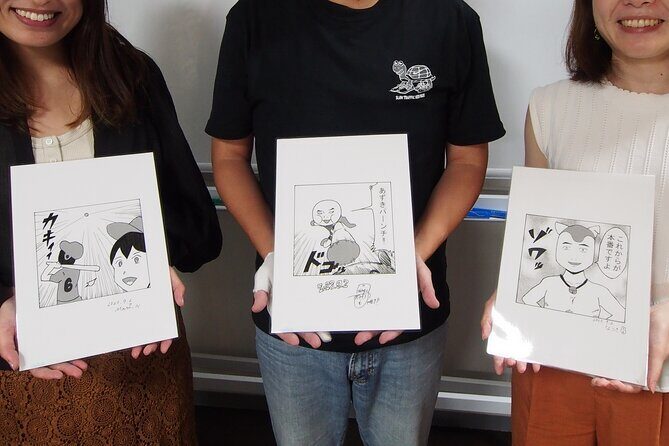
This workshop fits a lot of people, because it’s built for mixed skill levels. Reviews mention it works for complete beginners, people with prior drawing experience, and families.
You’ll probably love it if you…
- Like manga/anime and want to understand the craft behind it
- Want a creative activity that still has structure (step-by-step)
- Want a souvenir you actually made, with real tools like screen tone
- Enjoy small-group experiences more than big tours
It may not be your best pick if…
- You hate drawing sessions that require patience. This is not a 10-minute “try a pen” stop. People explicitly noted you need care and attention to get good results.
- You’re expecting a purely observational show. You’ll be doing the work the whole time.
Age note: one family said their 9-year-old was about the youngest they’d send, suggesting younger kids may need extra patience and support.
Value check: is $132.10 a good deal for 2.5 hours?
At $132.10 per person for about 2 hours 30 minutes, it’s not cheap. But it’s also not in the “souvenir shop experience” category.
Here’s why the value holds up:
- You’re paying for professional instruction, not just materials. The class is led by an active manga artist.
- Materials are included, including screen tone and drawing tools. You don’t need to buy anything beforehand.
- You leave with a finished work that’s meant to be kept, not just brought home as a half-finished draft.
- Small group size (max 8) increases the odds you’ll get help when you hit a problem.
Where the cost can feel less worth it is if you show up completely uninterested in drawing, or if you expect a casual “watch and doodle.” But if you’re a manga fan—even a casual one—this is one of those activities that actually teaches something you can try again later.
What to bring (and what to skip)
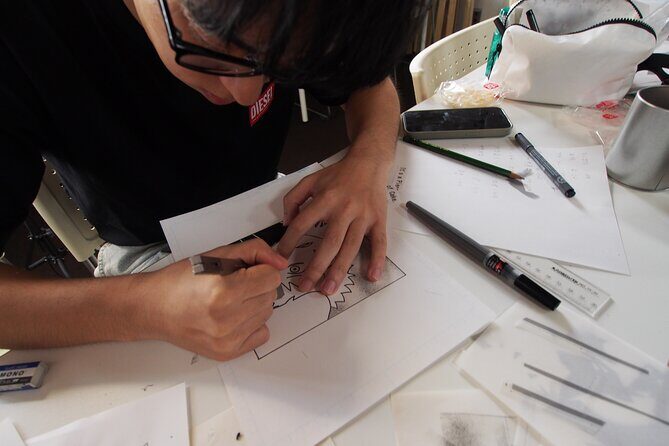
The class takes care of the tools. The provided info says manga drawing tools are included, including screen tone, so you don’t need to bring art supplies.
Still, I’d prepare these things:
- Bring a character idea (even a rough one). Multiple people said it helps to think about what you want to draw beforehand.
- Wear comfortable clothing. You’ll be working at close range with materials.
- Bring water or plan to buy some nearby, since bottled water and snacks are not included.
If you’re packing light, great news: if your finished artwork is plastified, it should travel easier than loose paper.
Getting the most out of your character choice
This part is small, but it matters.
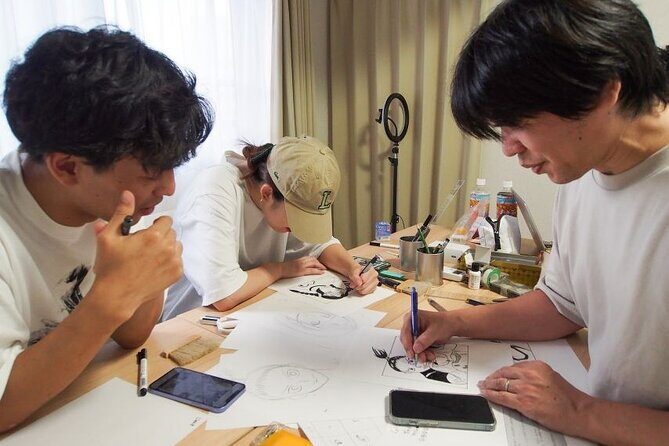
If you pick a character you truly like, you’ll draw with more confidence. The instructor’s guidance is easier to apply when you’re motivated by the design. People also said you can pick whatever character you like, so treat that as permission to choose something fun—not something “safe.”
If you’re traveling as a group, it can be nice to coordinate. One family described having a range of styles—kids drawing from their favorite series and adults drawing different subjects—which made the room feel lively rather than stressful.
Should you book this Tokyo manga drawing workshop?
Book it if you want a real, guided manga art session in Tokyo with a working artist and a souvenir you’ll be genuinely happy to keep. It’s especially appealing when you’re short on time but still want something hands-on and meaningful.
Skip it if you want a totally passive activity or if patience isn’t your thing. And give yourself an extra cushion for directions, because the studio location can be a little tricky even though it’s near Ebisu.
If you’re a manga fan, or you’d like to learn how screen tone and manga-style line work come together, this is one of the best “do it yourself” experiences you can fit into a busy Tokyo schedule.
FAQ
How long is the Tokyo manga drawing workshop?
It’s approximately 2 hours 30 minutes.
What does the class cost?
The price is $132.10 per person.
Do I need to know how to draw manga already?
No. The workshop is described as step-by-step for beginners and also helpful if you already have drawing experience.
What’s included in the price?
Manga drawing tools are included, including screen tone.
Where does the workshop meet?
The meeting point is Ishikawa3-chōme-8-11 Shibuya, Tokyo 150-0002, Japan, and it’s near public transportation and close to Ebisu Station.
Is the group size small?
Yes. It has a maximum of 8 travelers.
Can I cancel for a full refund?
You can cancel for free up to 24 hours in advance for a full refund.