REVIEW · TOKYO
Tokyo Imperial Palace Historical Walk and Food Tasting Tour
Book on GetYourGuide →Operated by Fantasy Travel Japan · Bookable on GetYourGuide
A snack-and-history walk cuts through Tokyo fast. You’ll stroll the Imperial Palace area while learning how Edo Castle shaped today’s layout.
Imperial Palace grounds and Edo castle leftovers make the whole route feel like an open-air lesson.
What I like most is the blend of guided structure and small details you would miss on your own. I also love the traditional snack stop that’s tied to the palace grounds, not just another generic food break.
One consideration: you don’t get unlimited access to the most private parts. There’s a security check, and the emperor’s residence isn’t open to the public, so your best views are from the accessible areas and gardens.
In This Review
- Key highlights to look for
- Starting at Wadadabori Fountain Park: easy meet-up, quick orientation
- Imperial Palace access reality: what you’ll see and what you won’t
- Edo Castle through gates and guardhouses: learning to read the perimeter
- Ninomaru Garden: your calm pause with context attached
- The food stop at 諏訪の茶屋: the limited snack that changes the value
- Stone hut, defense houses, and the Honmaru main hall site
- Photo spots and the value of a guide who points things out
- Price and what you’re really paying for: $19 for 2 hours
- Who should book, and who should skip this one
- Should you book the Tokyo Imperial Palace Historical Walk and Food Tasting Tour?
- FAQ
- FAQ
- Where is the meeting point?
- How long is the tour?
- Is the tour guided in English?
- Do I get to enter the Emperor’s residence?
- Will there be a security check?
- What food is included?
- What should I bring or wear?
- What is not allowed on the tour?
- Is the tour suitable for wheelchair users?
- What is the cancellation policy?
Key highlights to look for
- Security check + smart route planning so you spend time walking, not guessing
- Gates and guardhouses that explain how the Edo Castle system worked
- Ninomaru Garden as a calm reset during the loop
- One limited Imperial snack that many other tours don’t include
- Photo stop guidance at places designed for good angles
- English-speaking guides with real personality, including Masa and Rini in past groups
Starting at Wadadabori Fountain Park: easy meet-up, quick orientation
The tour begins at スターバックス コーヒー 皇居外苑 和田倉噴水公園店 by Wadadabori Fountain Park. It’s a practical meeting point because you can grab a coffee nearby and you know you’ll find other people heading in the same direction. Your guide holds a sign for Fantasy Travel, so it’s easy to connect right away.
From the start, the pace is built for seeing more than just big monuments. You walk through the outer rhythm of the grounds, then the guide starts putting names to features: towers, gates, and guard structures. It’s the kind of framing that makes the palace grounds feel readable, like you’re learning a map language instead of collecting random photos.
You can also read our reviews of more walking tours in Tokyo

Imperial Palace access reality: what you’ll see and what you won’t
Here’s the key truth up front: the Emperor’s residence isn’t open to the public. Even with a tour, you’ll be working within the accessible zones. Before you go deeper, there’s a security check, so arrive with time to handle it calmly.
That limitation actually helps the tour style. Instead of sprinting toward areas you can’t reach, the guide emphasizes what you can access: gates, gardens, and the structural remnants tied to the old Edo Castle layout. One past guide approach (for example, when Masa is leading) is especially good at explaining why certain areas look the way they do, and what purpose each part served in the Edo period.
So if your expectation is a postcard view of the emperor’s private space, adjust that now. Your payoff is learning how the past still shows up in stone, corners, and courtyards.
Edo Castle through gates and guardhouses: learning to read the perimeter
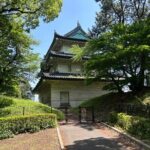
A big portion of the walk focuses on defensive and administrative points from the Edo era. You start with the Sakurada Tatsumi Yagura, a tower stop that sets the tone: the Imperial Palace grounds are not just “pretty park.” They were part of a serious power system.
Then you move to the Ote-Mon Gate. Gates in this area aren’t decoration. They’re checkpoints in a larger flow of movement, and the guide helps you see the logic of the space. Even the short stops matter because you’re getting quick context rather than only taking a photo and moving on.
Next come guardhouses like the Constable Guardhouse and the Hyakunin Bansho Guardhouse. These names can sound like trivia, but the guide’s job is to turn them into a story: who would be stationed where, and why the layout mattered. It also helps you notice details you would likely skip if you were walking solo.
In plain terms: you’ll come away with a mental picture of how order and security were maintained around Edo Castle, and how that legacy continues to shape the grounds you see today.
Ninomaru Garden: your calm pause with context attached
Halfway through the walk, the route brings you to Ninomaru Garden. This is where the tour slows down in a good way. Gardens here aren’t just scenery; they’re part of the same site logic as the gates and guard areas—controlled space designed for specific uses.
Even if you’re not the type to obsess over garden design, you’ll appreciate the reset. The guide’s explanations make it easier to look past the obvious and notice the subtler structure: how views line up, how paths guide movement, and why certain corners feel intentionally composed.
The timing is also smart. After you’ve walked through multiple exterior points, Ninomaru Garden becomes a breathing space where the history clicks into something you can experience rather than only memorize.
The food stop at 諏訪の茶屋: the limited snack that changes the value
Now for the part that turns this from a standard historical walk into a food-and-culture outing: the stop at 諏訪の茶屋.
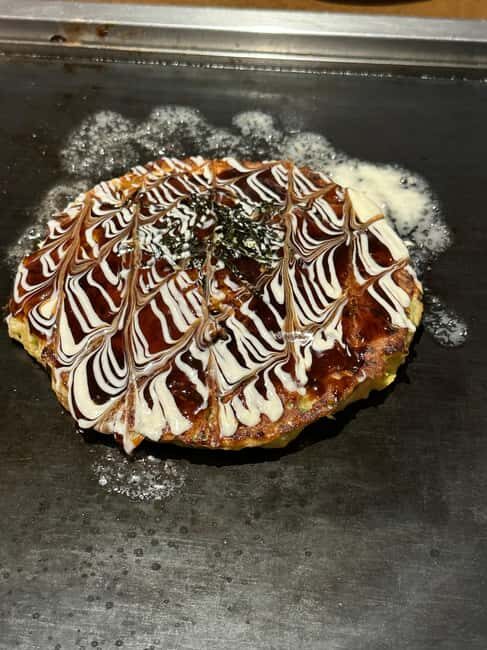
You’ll make time here for shopping and sightseeing, and you’ll also get the tour’s signature tasting: one traditional snack only at Imperial Palace. The wording matters—this is not just any street snack you can easily hunt down later. The tour is built around the idea that this specific item is tied to the palace grounds and isn’t typically included on other tours.
You’ll also get a drink from a vending machine near the store before or around the tour timing. It’s a small inclusion, but it helps you stay comfortable during the walk, especially on a cool or rainy day.
Practical tip: treat the snack stop as part of your schedule, not an afterthought. If you’re the type who always plans meals too early, build in a little flexibility here so you can enjoy the tasting without feeling rushed.
You can also read our reviews of more food & drink experiences in Tokyo





Stone hut, defense houses, and the Honmaru main hall site
After the garden and tea-house stop, the route leans back into Edo Castle structure.
You’ll pass the Former Site of Edo Palace Ooku (Imperial Kitchen), a short stop that adds an important dimension. It’s easy to think “palace equals emperor and ceremonies.” This stop reminds you that palaces also ran on logistics—kitchens, daily operation, and the infrastructure that made court life function.
Then comes the Edo Castle Ruins area, followed by the Stone Hut (Imperial Palace East Gardens). Even when you’re just standing at a site marker, the guide helps you connect it to what would have been happening around that spot. That’s the difference between seeing a historic location and learning what that location actually did.
Later, you’ll visit Fujimi-tamon Defense House and Fujimi-yagura, then reach the Site of Edo Castle Honmaru (Main Hall). Honmaru is the idea in your head: the main power center. You won’t treat this like a typical “museum building.” Instead, you’ll walk around the remnants and learn how the site worked as the core.
The route continues with 中之門跡 and Obansho Guardhouse, bringing you back toward the perimeter logic again. By the time you finish, your sense of the grounds feels more coherent, like you can trace a system rather than just admire pieces.
Photo spots and the value of a guide who points things out
Photography is built into this tour style. The tour includes photos and places for photos, which matters more than it sounds. In the Imperial Palace area, it’s easy to lose good angles because the best views are often framed by specific sightlines, walls, and gate positions.
So bring a camera if you like taking pictures, but also bring a willingness to stop and look where the guide directs. The guide’s explanations can help you compose shots that show both the structure and the meaning behind it.
About guide personality: past groups have mentioned guides like Masa and Rini for being friendly, detailed, and willing to answer questions. One guide style note you can take to heart is that good guides don’t just recite dates. They help you notice how the space works, and they’ll often connect the story to everyday thinking.
Price and what you’re really paying for: $19 for 2 hours
At $19 per person for a 2-hour walk, this is a solid value when you look at what’s included:
- English-speaking guide
- One traditional snack only at Imperial Palace
- One vending-machine drink
- Photo stop guidance
- A route that packs in multiple historical points tied to Edo Castle
A lot of Tokyo tours end up being “walk and look” with occasional context. This one feels closer to “walk and understand,” especially because the stop list is about functional structures: gates, guardhouses, and defense-related features. That’s exactly the sort of material you’d struggle to piece together alone in a short time.
And the snack makes a real difference. If food is part of how you remember places, the fact that the tasting is specifically included at the palace grounds boosts the practical value.
Who should book, and who should skip this one
This tour is a strong fit for you if you like:
- Historical walking routes with explanations at each stop
- Seeing how Edo-era power shaped modern Tokyo’s layout
- A short food moment that feels place-specific rather than generic
- Taking photos but needing help finding good angles
It’s less ideal if:
- You need wheelchair access. This tour is noted as not suitable for wheelchair users.
- You’re expecting the emperor’s residence to be part of your visible route. The main residence is not open to the public.
If you like structure—getting names, purposes, and meaning while you walk—this is the type of tour that pays off quickly.
Should you book the Tokyo Imperial Palace Historical Walk and Food Tasting Tour?
I’d book this if you want a tight 2-hour experience that connects Tokyo’s most important civic space to the Edo Castle era, without wasting time guessing what you’re looking at. The combination of guided pacing, multiple gate and guardhouse stops, and a limited Imperial Palace snack is what makes it worth your slot.
I’d skip it if your top priority is seeing the emperor’s private residence directly or if you need fully barrier-free access. Otherwise, wear comfortable shoes, plan for weather, and enjoy the fact that this is history you can walk through.
FAQ
FAQ
Where is the meeting point?
You meet at スターバックス コーヒー 皇居外苑 和田倉噴水公園店, and the guide will be holding a signboard with a Fantasy Travel logo.
How long is the tour?
The tour lasts about 2 hours.
Is the tour guided in English?
Yes. It includes an English-speaking guide.
Do I get to enter the Emperor’s residence?
No. The Emperor’s residence is not open to the public.
Will there be a security check?
Yes. You will have to go through a security check to enter the Imperial Palace area.
What food is included?
The tour includes 1 traditional snack only available at Imperial Palace, plus 1 drink from a vending machine near the store.
What should I bring or wear?
Wear comfortable shoes and comfortable clothes, and sports shoes are recommended since it is a walking tour with a good portion outside.
What is not allowed on the tour?
Pets, weapons or sharp objects, drones, bikes, alcohol and drugs are not allowed. Assistance dogs are allowed.
Is the tour suitable for wheelchair users?
No. It is not suitable for wheelchair users.
What is the cancellation policy?
Free cancellation is available up to 24 hours in advance for a full refund.