REVIEW · TOKYO
Tokyo: Shinjuku Local Bar and Izakaya Guided Walking Tour
Book on GetYourGuide →Operated by Travel Japan Together · Bookable on GetYourGuide
Shinjuku nightlife feels like a puzzle. This Shinjuku bar-hopping walking tour strings together Omoide Yokocho’s red lantern alleys, Kabukicho’s neon streets, and Golden Gai-style backstreet drinking, guided by English speakers (names like Nao and Toshi come up often in guest stories). It’s built for people who want the after-dark Tokyo you don’t stumble into by accident.
I love the way this tour gives you structure without killing the fun. Starting in Omoide Yokocho puts you right where the izakaya energy is easiest to understand, and the guide helps you order and follow the rhythm instead of standing there lost. I also like the social side: solo visitors often feel included, and the night typically ends with karaoke, a very Japanese way to cap off new friends and new songs.
One thing to plan for: food and drinks aren’t included, so your final spend depends on how much you want to drink and eat. Also, it’s not for anyone under 20, and you’ll want cash ready.
In This Review
- Key things to know before you go
- Why Shinjuku changes when you have a local guide
- The 3-hour bar-hop route: Omoide Yokocho to karaoke
- Meeting at Kitakata Ramen Bannai Omoide Yokocho (and why timing matters)
- Omoide Yokocho: red lantern alleys and the izakaya rhythm
- Kabukicho: neon energy, shops, and characters between bar stops
- Golden Gai: why the door matters in a backstreet bar world
- The karaoke finish: a very Japanese way to end the night
- Price and value: what $34 includes and what costs extra
- Practical tips that make the night smoother
- Who should book this Shinjuku night tour
- Should you book this Shinjuku local bar and izakaya tour?
- FAQ
- How long is the Shinjuku local bar and izakaya walking tour?
- Where do I meet the guide?
- Is food and drink included in the price?
- Do I need to bring cash?
- What language is the tour guide?
- Can under-20s join the tour?
- How do I contact the guide before meeting?
- FAQ
- Can I get a refund if I cancel?
- Can I reserve without paying right away?
Key things to know before you go
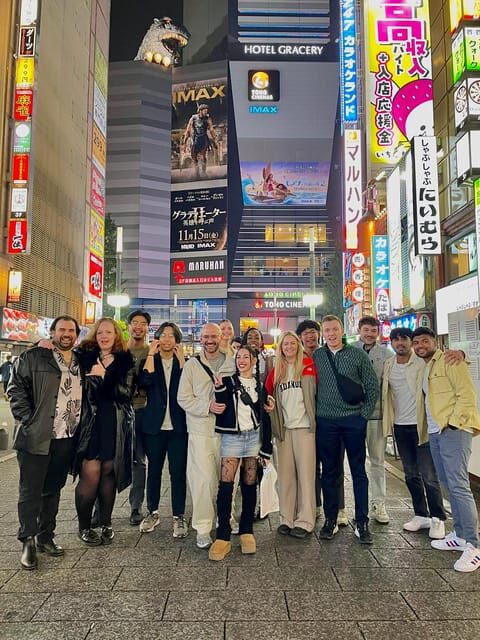
- Omoide Yokocho start: Red lantern izakayas set the mood fast, before you move on to the bigger nightlife zones
- Golden Gai connections: You may be taken to bars that don’t accept general customers
- Kabukicho street time: Neon atmosphere plus interesting shops and characters, not just bar stops
- Karaoke finale: The tour finishes where locals actually party, not just where tourists pose
- Admissions and guide included: Venue admission fees and photos are part of the price, but drinks are on you
- Cash + WhatsApp: You’ll need cash for food and drinks, and the guide reaches you through WhatsApp
Why Shinjuku changes when you have a local guide
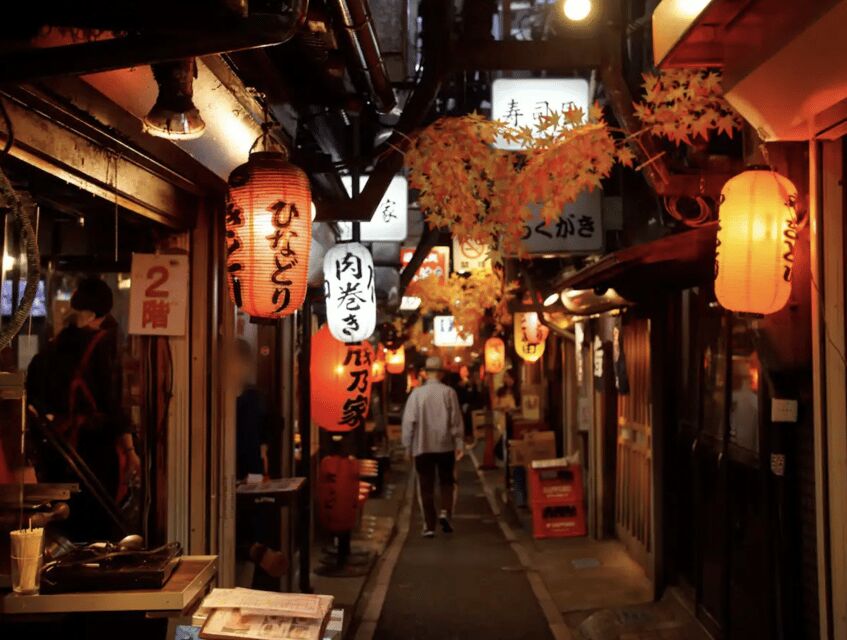
Shinjuku looks chaotic from the outside, and at night it can feel like you’re wandering through sound and signs more than destinations. That’s exactly why a guided approach works. Instead of guessing which alley is real and which one is a gimmick, you get a route that makes sense.
The best part is the balance: you’re walking enough to see how the neighborhoods connect, but you’re not doing it alone. With guides like Naoya, Kei, Yutaro, and Shota appearing again and again in guest experiences, the common thread is confidence and crowd-handling—keeping the group moving, translating the vibe, and making sure no one gets left behind.
You can also read our reviews of more walking tours in Tokyo
The 3-hour bar-hop route: Omoide Yokocho to karaoke
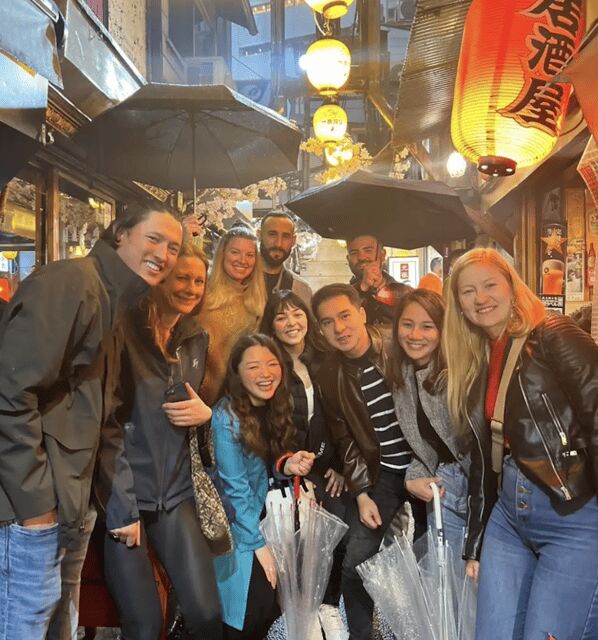
This is a focused 3-hour walking tour, not an all-night drinking binge. You’re covering multiple nightlife zones, and the pacing is built around three things: atmosphere, access, and payoff.
You start at Omoide Yokocho, then head toward Kabukicho. After that, you spend time in Golden Gai, where the guide’s local connections can matter a lot. The tour typically ends at a bar where karaoke is part of the plan.
Because nightlife can be unpredictable, the tour says they generally go to those areas, but there may be times they can’t enter certain bars or izakayas. If you’re anxious about where you’ll end up, it’s smart to ask in advance and get the locations for that day.
Meeting at Kitakata Ramen Bannai Omoide Yokocho (and why timing matters)
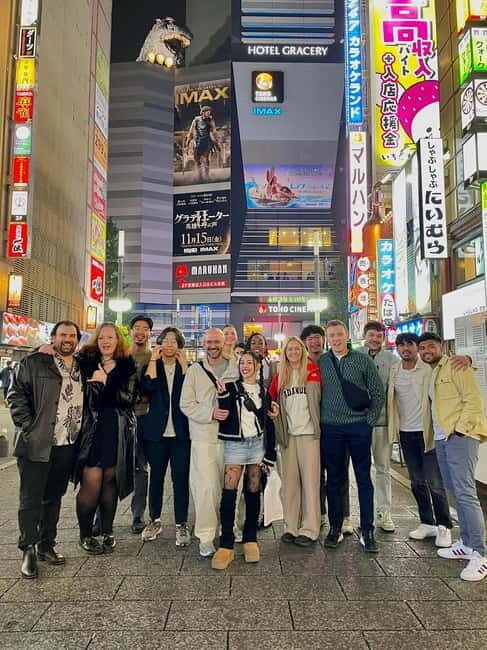
Your meeting point is in front of Kitakata Ramen Bannai Omoide Yokocho, and you’re asked to arrive about 10 minutes early. That’s not just “nice to have.” In a nightlife district, being on time is the difference between smooth groups and a slow start while the guide tries to herd everyone in the dark.
You’ll also meet via a guide message sent through WhatsApp, so download it before you show up. It’s the practical fix for the big-city problem: your guide is dealing with a crowd, and your phone is your fastest link to the right person.
Omoide Yokocho: red lantern alleys and the izakaya rhythm
Omoide Yokocho is the kind of place that makes you understand Japan’s bar culture without needing a lecture. The atmosphere is narrow, the signs are close, and the izakaya feel like a social living room that happens to serve food and drinks.
Starting here is a smart move. You get the rules of the game early—how people sit, how the evening flows, and what the guide means when they talk about local drinking culture. And since the tour includes admission fees for each venue, you’re not wasting time line-watching while the night gets away.
What you should watch for: this part of the tour is where your guide’s choices help most. Expect guidance on what to order and how to participate comfortably, especially if your Japanese is basic. The whole point is to help you feel like you belong in the space.
Kabukicho: neon energy, shops, and characters between bar stops
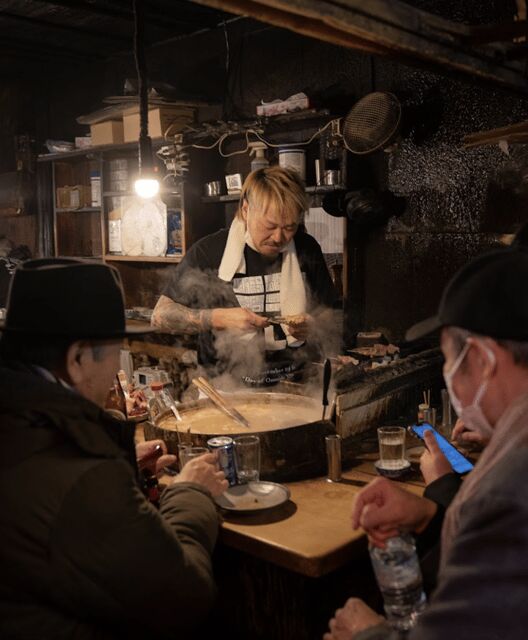
After the Omoide Yokocho start, the tour moves toward Kabukicho, Japan’s largest entertainment district. This is where the scenery shifts: neon, bigger streets, and more of the “main event” nightlife crowd.
Kabukicho can be intimidating if you go solo—too many directions, too many choices, and some places that just aren’t meant for your group size. With a guide, you get to walk the zone with purpose. You’ll also see interesting shops and characters along the way, so the experience isn’t just hopping from door to door.
Think of Kabukicho as the tour’s visual palate cleanser. You still get bar culture, but you also get the feel of a neighborhood that never really shuts down.
You can also read our reviews of more guided tours in Tokyo



Golden Gai: why the door matters in a backstreet bar world
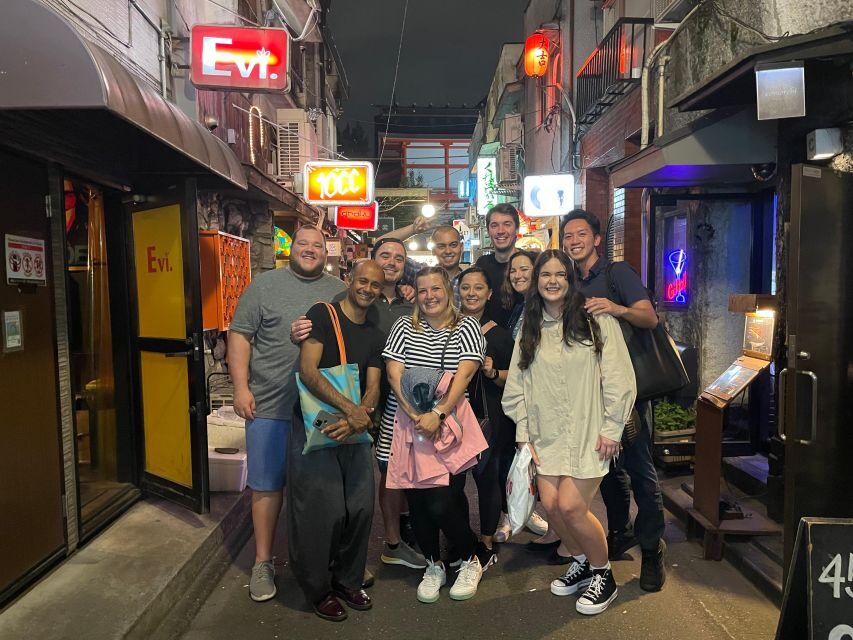
Then comes Golden Gai, the area famous for its tiny backstreet bars and strong local identity. This is where “local connections” turn from marketing copy into a real-world advantage.
The tour says you’ll try bars where general customers might not be accepted. That matters because these spots are the opposite of the typical tourist bar setup. You’re more likely to see the kind of intimate, talk-first atmosphere where the evening is as much conversation as it is drinking.
In this section, the guide’s role gets extra important. Staff in small bars often move quickly, and menu choices can be less straightforward for non-Japanese speakers. Having an English-speaking guide around helps you place orders, understand what you’re getting, and avoid that awkward pause where everyone is waiting while you try to decode a menu.
This is also a section where sake and spirits tend to come up. Even if you don’t turn into a sake superfan, you’ll leave with better sense of what people choose and why.
The karaoke finish: a very Japanese way to end the night
Most good Tokyo nights end with sound. This tour’s finale leans into that with karaoke, described as a favorite pastime for many people in Japan.
Karaoke is a great capstone for a walking bar tour because it turns new introductions into real participation. You stop thinking like a tourist and start acting like part of the group—singing, laughing, and sticking around long enough for the evening to feel complete.
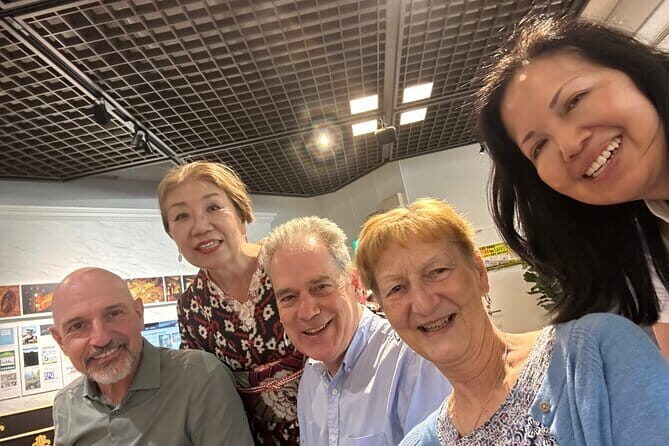
If you’re traveling solo, this ending often hits hardest. The tour format naturally creates a small social circle, and karaoke is where that circle usually stops being polite strangers and becomes a team.
Price and value: what $34 includes and what costs extra
At $34 per person for about 3 hours, the value is in what’s included. Admission fees for each venue are part of the price, plus the guide, the walking tour itself, and photos during the tour. Those add up fast in Tokyo if you’re booking separately.
What’s not included is also clear: food and drinks are on you. So the real cost is $34 plus whatever you decide to eat and drink at each stop. If you’re planning to taste a few things—beer, spirits, and maybe sake—that extra spend is normal. If you want to keep it light, you can.
Also worth noting: the tour offers English guidance, and it includes “skip the ticket line.” In nightlife districts, that time savings is real. It helps keep you from losing momentum while waiting around.
Practical tips that make the night smoother
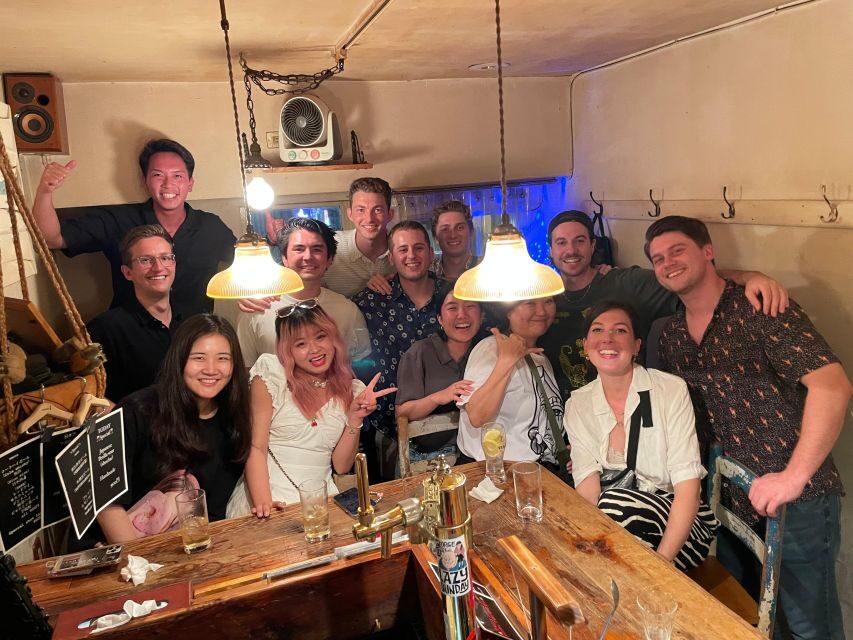
A few details can make or break a night like this.
Bring cash. The tour specifically calls for cash for food and drinks. In Japan, some places won’t be flexible, and you don’t want to be hunting for an ATM while everyone else is ordering.
Wear shoes you can walk in. This is a walking route across neighborhoods, and nightlife sidewalks can be uneven. If your feet hurt, the fun disappears faster than you think.
Use WhatsApp before you arrive. Your guide contacts you that way, so download it ahead of time. It’s the simplest way to prevent missed meetings in a crowded entertainment district.
Plan for a group vibe. Group size isn’t listed in the details, but the guide’s experience with both smaller groups and larger groups (including around 15 people) shows they’re used to managing different dynamics. If you’re the type who hates group noise, this might still work—but choose a flexible mindset.
Who should book this Shinjuku night tour
This tour fits best if you want three things:
- A guided route through Omoide Yokocho, Kabukicho, and Golden Gai
- Help understanding how to behave and order in local bars
- A social night that often ends with karaoke
It’s especially good for first-time visitors who want an honest look at drinking culture beyond main streets. Solo travelers tend to do well here because the structure forces introductions, and the guide keeps the group together.
It’s likely not the best match if you’re under 20, or if you don’t want to spend extra on drinks and snacks once you’re inside the venues.
Should you book this Shinjuku local bar and izakaya tour?
If you’re spending only a short time in Tokyo and you want your first Shinjuku night to feel guided, this is an easy “yes.” The combination of venue admissions included, English-speaking support, and a finish at a karaoke bar makes it feel like a complete experience rather than a random bar crawl.
Book it when you’re open to spending some cash on food and drinks. Skip it if you want a tour where everything is paid in advance, or if karaoke and social energy aren’t your thing.
If you have questions about where you’ll actually go on your date (since there can be changes when a bar or izakaya isn’t available), ask before you go. That one step keeps expectations aligned, and it lets you focus on the fun part.
FAQ
How long is the Shinjuku local bar and izakaya walking tour?
The tour lasts about 3 hours.
Where do I meet the guide?
Meet your guide in front of Kitakata Ramen Bannai Omoide Yokocho. Arrive around 10 minutes early.
Is food and drink included in the price?
No. Food and drinks are not included, so you’ll need to pay for what you order at each place.
Do I need to bring cash?
Yes. The tour information says to bring cash for food and drinks.
What language is the tour guide?
The guide is English-speaking.
Can under-20s join the tour?
No. It is not suitable for people under 20.
How do I contact the guide before meeting?
The guide will contact you through WhatsApp, so you should download WhatsApp prior to the tour.
FAQ
Can I get a refund if I cancel?
Yes. You can cancel up to 24 hours in advance for a full refund.
Can I reserve without paying right away?
Yes. The tour offers reserve now & pay later, meaning you can book and pay nothing today.