REVIEW · KYOTO
Kyoto: Make Your Own “Daruma” Craft & Painting Workshop
Book on GetYourGuide →Operated by WooW Travel 株式会社 · Bookable on GetYourGuide
Make luck with your own hands. In a small Kyoto workshop, you’ll craft a papier mâché Daruma-style figure and personalize it with paint, guided by English-speaking artist May.
I like the small group size (4 or fewer) because it stays calm and hands-on. I also like that you get a take-home souvenir you made yourself, not a mass-produced trinket.
One heads-up: you’ll be painting with acrylics, so if you’re heading back through rain or crowds, plan to protect your fresh work on the way.
In This Review
- Key highlights worth planning around
- Why a DIY Daruma fits Kyoto better than another souvenir shop
- The 2-hour workshop, step by step (what you’ll do)
- Step 1: Enter the shop, meet your host, and get started
- Step 2: Learn what the shapes mean (before you paint)
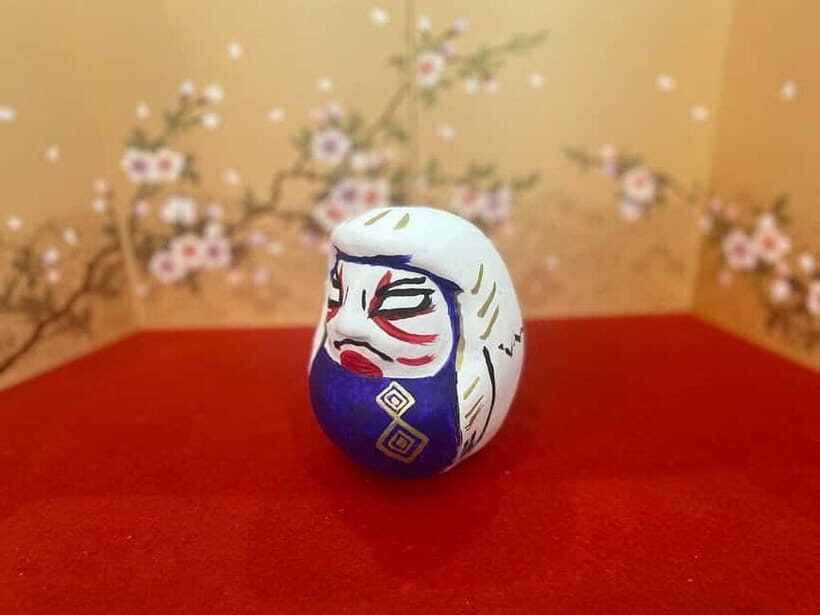
- Step 3: Craft and paint your figurine in your style
- Step 4: Tea break with a drink and traditional confectionery
- Step 5: Finish up, get ready to take it home
- Daruma, lucky cat, Kitsune, and friends: the meaning behind what you paint
- The tea-and-wagashi pause: why it’s more than a free snack
- Protecting your acrylic paint on the way back
- Price and value: why $25 can feel like a bargain here
- Logistics that actually matter in Kyoto (and how to make it easy)
- Who should book this workshop?
- Should you book this Kyoto Daruma craft and painting workshop?
- FAQ
- How long is the Kyoto Daruma craft and painting workshop?
- What will I create in the class?
- Do I need any prior craft or art experience?
- Is the instructor available in English?
- What’s included in the $25 price?
- How big is the group?
- Where do I meet the host?
Key highlights worth planning around
- Small group of 4 participants or fewer means real attention while you paint
- Papier mâché figurine making + painting gives you a finished keepsake in one session
- English instruction works smoothly even if your Japanese is zero
- Complimentary drink and wagashi let you slow down mid-class
- Symbolism behind Daruma and other shapes adds meaning to what you’re painting
- Host May runs the experience from her shop and keeps the vibe relaxed
Why a DIY Daruma fits Kyoto better than another souvenir shop
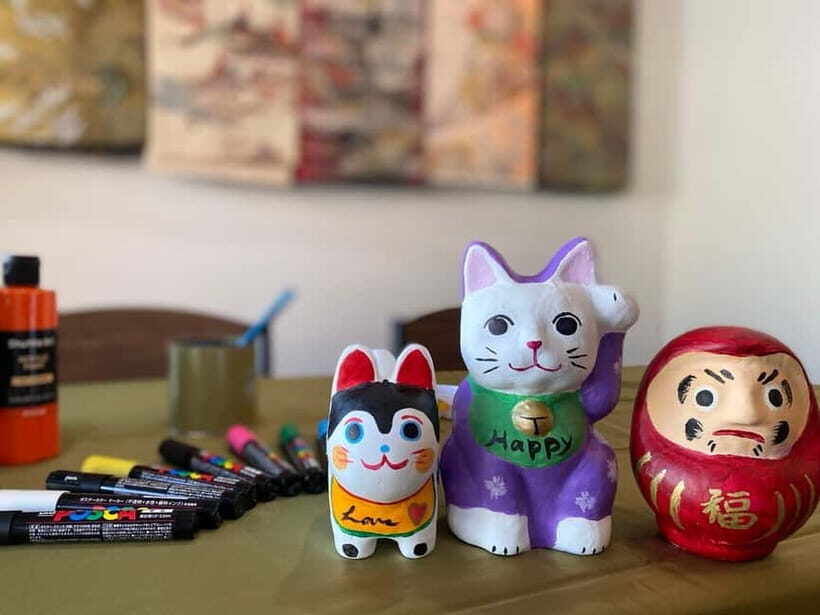
Kyoto has plenty of shops selling lucky charms. But this is different. You’re not just buying a symbol—you’re creating one, piece by piece, then decorating it in your own style. That shift matters. When you paint your own Daruma (or the other figures on offer), you end up with a souvenir that feels personal on the shelf back home.
I also like how low-pressure the class is. There’s no need for drawing skills or prior craft experience. The tools and materials are provided, and your instructor helps you move from blank shape to finished figurine at a comfortable pace.
Finally, the setting is built for lingering. It’s a newly renovated boutique workshop in the heart of Kyoto. In a city where temples and streets can run you ragged, it’s a good break that still feels culturally grounded.
A few more Kyoto tours and experiences worth a look

The 2-hour workshop, step by step (what you’ll do)
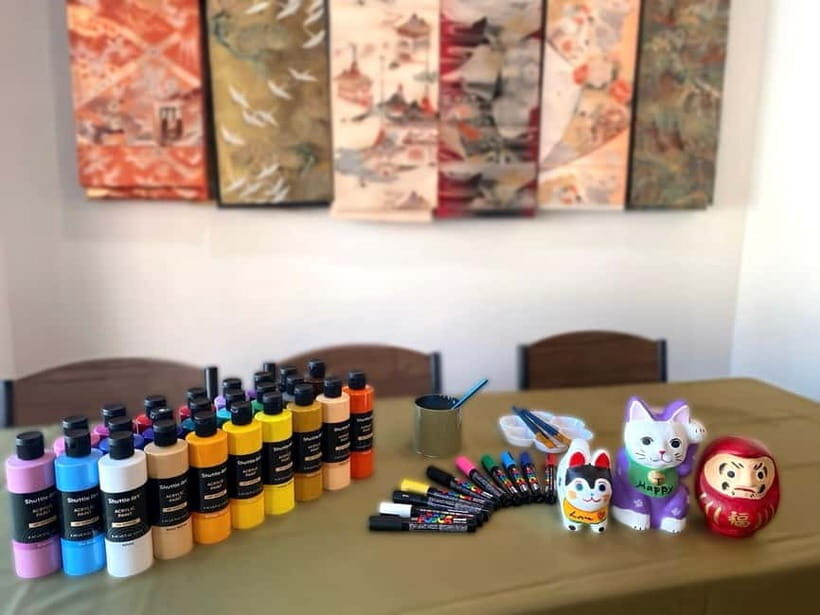
This is a straightforward, well-timed session: 2 hours in a small workshop with an English-speaking instructor. It’s designed so you can finish your piece, enjoy a snack, and still leave without feeling rushed.
Step 1: Enter the shop, meet your host, and get started
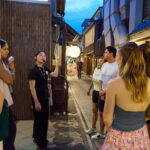
When you arrive, you simply enter the workshop. Your host is waiting to greet you. From there, you’ll get set up with the materials you need for papier mâché work and painting.
Even if you’re traveling with kids, the pace works. The experience is explicitly suitable for all ages and skill levels, with no prior experience required.
Step 2: Learn what the shapes mean (before you paint)
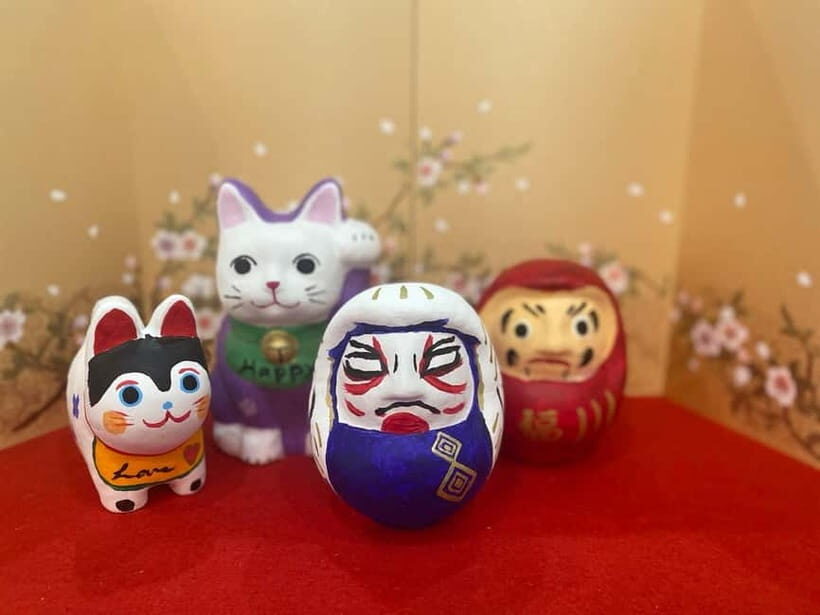
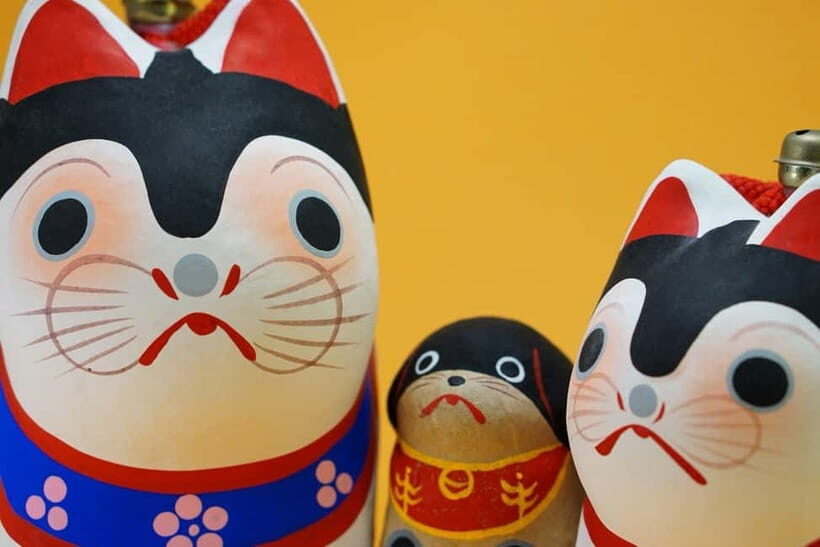
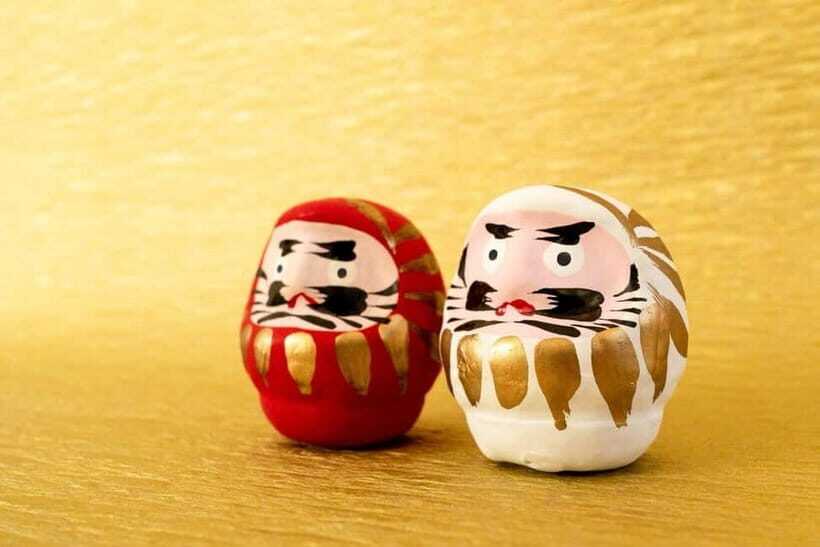
You’ll get a quick education on the symbolism behind the traditional figures. Daruma is a key one, and you may also paint other shapes such as the beckoning cat, dog, or Kitsune (fox). The point isn’t memorizing cultural trivia. It’s giving you context so your design choices feel intentional.
This is also where you’ll likely get local guidance about the surrounding temples and shrines—less like a lecture, more like practical, conversational sharing that helps you connect your workshop experience to your Kyoto sightseeing later.
Step 3: Craft and paint your figurine in your style
Now the fun part: making a one-of-a-kind keepsake. You personalize with paints, guided by your instructor. The classroom setup is hands-on, and the small group format helps because you can ask questions without waiting.
From the experience structure and the way the class is described, you can expect a relaxed atmosphere: you get suggestions when you want them, but you’re still making the creative decisions.



Step 4: Tea break with a drink and traditional confectionery
Partway through, you get a complimentary drink plus traditional Japanese confectionery of your choice. This is a real break in the middle of the craft, not an afterthought. It’s also a nice chance to chat with the instructor and get a more human sense of the local craft scene.
Step 5: Finish up, get ready to take it home
By the end of the session, you’ll leave with the figurine you made. The “take home” part is central here. The workshop is designed so your piece is complete enough to function as a travel souvenir right away.
Daruma, lucky cat, Kitsune, and friends: the meaning behind what you paint
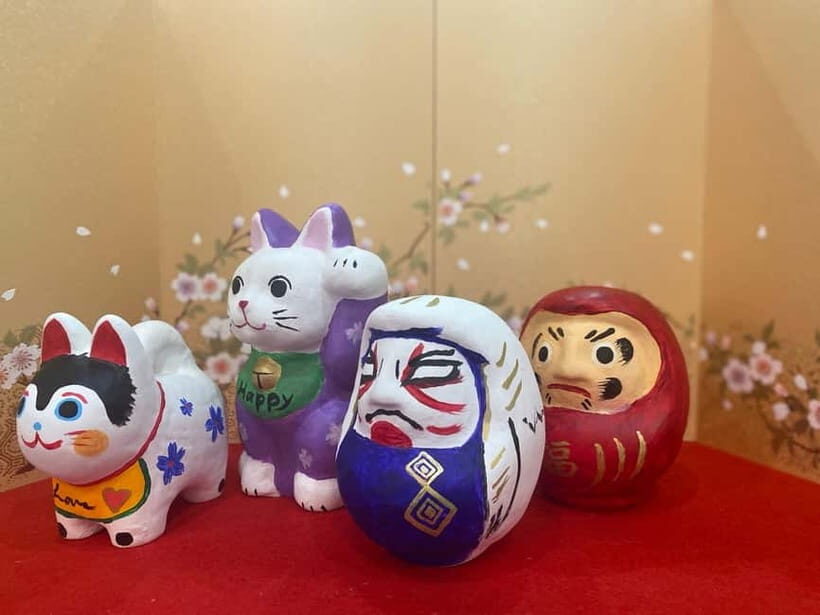
You’re given more than a blank object. You’re painting symbols that show up in Japanese culture for a reason. Learning that background turns “fun craft time” into something with a little weight.
Here’s what you can expect from the theme of the workshop based on the figures offered:
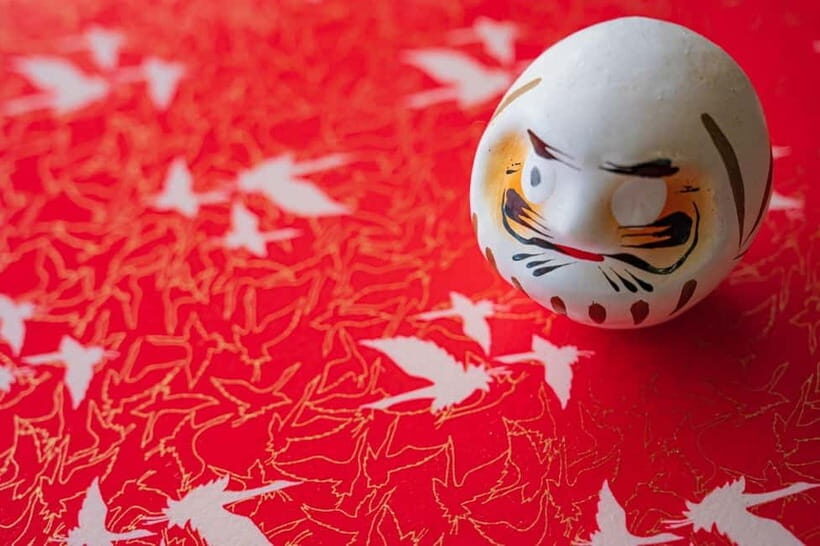
- Daruma-style figures: commonly tied to perseverance and making a wish that you actively pursue
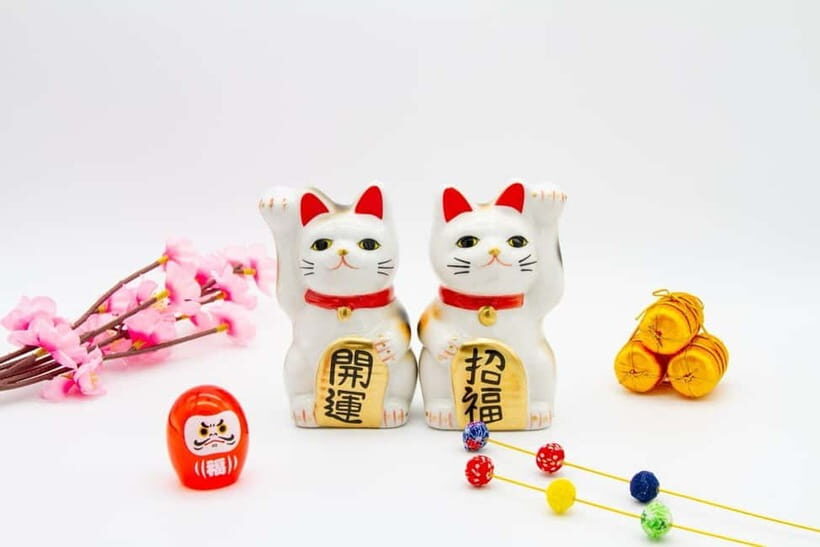
- Beckoning cat: associated with good fortune and drawing luck closer
- Kitsune (fox): a traditional figure connected with storytelling and folklore
- Dog figure: another traditional shape offered for painting
The key is that the instructor explains the symbolism while you’re working, so you can incorporate it into your design. Even if your artistic style is simple—bold colors, clean lines, or something playful—that context gives it meaning beyond decoration.
The tea-and-wagashi pause: why it’s more than a free snack
Yes, you get a complimentary drink and traditional Japanese confectionery. But what makes it valuable is the pacing. A lot of Kyoto activities are “go, go, go.” This workshop builds in a mid-session reset, and it changes the feel of the day.
If you’re visiting with family, the snack helps everyone slow down at the same time. If you’re traveling solo, it gives you a natural break to talk with the instructor in a way that doesn’t feel forced.
Also, the class is run by May, an artist herself, which adds to the warm tone. People describe her as welcoming and encouraging—exactly what you want when you’re painting something you’ll still care about hours later when you’re packing.
Protecting your acrylic paint on the way back
One practical point: you’ll use acrylic paint. That’s great for color and control, but it can be vulnerable if you’re caught in rain or if your figurine gets jostled on public transport.
If the weather is questionable (Kyoto can surprise you), do this:
- Bring a small bag or covering to protect your creation
- Handle it like you’d handle a fragile lunch box
- Don’t crush it under a tote or shoulder bag while you walk
This isn’t meant to scare you. It’s just real-world travel advice. The workshop is designed to finish in 2 hours, but your trip home still needs some care.
Price and value: why $25 can feel like a bargain here
At $25 per person for a 2-hour class, you’re not paying just for paint. You’re paying for structure, materials, guidance, and a finished keepsake.
Here’s what that value adds up to:
- You get all necessary materials
- You’re guided by a local crafts master/instructor (English)
- You get a complimentary drink and traditional confectionery
- You leave with a handmade souvenir created during the session
In other words, it’s not a “buy a thing” price. It’s a “buy time and attention” price, plus the finished result. For a city where experiences can add up fast, this one is simple and directly tied to what you do.
Logistics that actually matter in Kyoto (and how to make it easy)
This activity takes place in a newly renovated boutique workshop in the heart of Kyoto, so you’re not stuck with long transfers. Still, plan for the most common practical friction: getting to the workshop on time.
- Meeting point: enter the workshop when you arrive; your host will be there
- Duration: 2 hours, check available starting times
- Group size: limited to 4 participants, so schedules are often tight
If you prefer flexibility, the experience offers reserve now & pay later and free cancellation up to 24 hours in advance. That makes it easier to match the class to your day’s weather and temple schedule.
Also, the class is wheelchair accessible—so it’s not built like a “standing-only” activity. If you need any specific support, it’s still smart to check details with the provider when you book, but accessibility is explicitly noted.
Who should book this workshop?
This is one of those Kyoto activities that works across a wide range of travelers, as long as you’re open to hands-on work.
You’ll especially like it if:
- You want a memorable souvenir that’s actually yours
- You like crafts but don’t want pressure or complicated steps
- You want a calmer, indoor activity on a rainy afternoon
- You’re traveling with a parent/child team and want something age-friendly
- You want cultural context without a long lecture
If you’re the type who only wants big-ticket sightseeing and never touches a paintbrush, you might find this too slow. But if you’re even a little curious, it’s a great change of pace.
Should you book this Kyoto Daruma craft and painting workshop?
If you want a practical, creative way to experience Kyoto culture beyond temples and photo spots, I’d say yes. The value is strong: materials included, an English-speaking instructor, tea and wagashi, and a finished take-home figurine created in one session. The small group format also keeps it friendly and relaxed.
Book it especially if you’re trying to balance your day with something indoors, or if you want a souvenir that won’t feel generic. Just remember the one real consideration: protect your acrylic-painted creation on the ride back.
FAQ
How long is the Kyoto Daruma craft and painting workshop?
The workshop lasts 2 hours.
What will I create in the class?
You’ll make and paint a papier mâché figurine and personalize it with paints. The workshop describes figures including Daruma and other options such as the beckoning cat, dog, and Kitsune (fox).
Do I need any prior craft or art experience?
No. The class is designed with no prior experience or skills required and is suitable for all ages and skill levels.
Is the instructor available in English?
Yes. The instructor provides the class in English.
What’s included in the $25 price?
Included are a complimentary drink, traditional Japanese confectionery, all necessary materials, and instruction from a local crafts master.
How big is the group?
The workshop is a small group limited to 4 participants.
Where do I meet the host?
Enter the workshop upon arrival. Your host will be waiting to greet you.